

How to Choose a Reliable OEM Agricultural Drone Manufacturer in China
For companies building an agricultural equipment brand, buying standard agricultural drones may not be enough.
Distributors, importers, agricultural technology companies, and equipment brands may want their own logo, packaging, product configuration, manuals, or even a customized drone platform.
This is where OEM manufacturing becomes important.
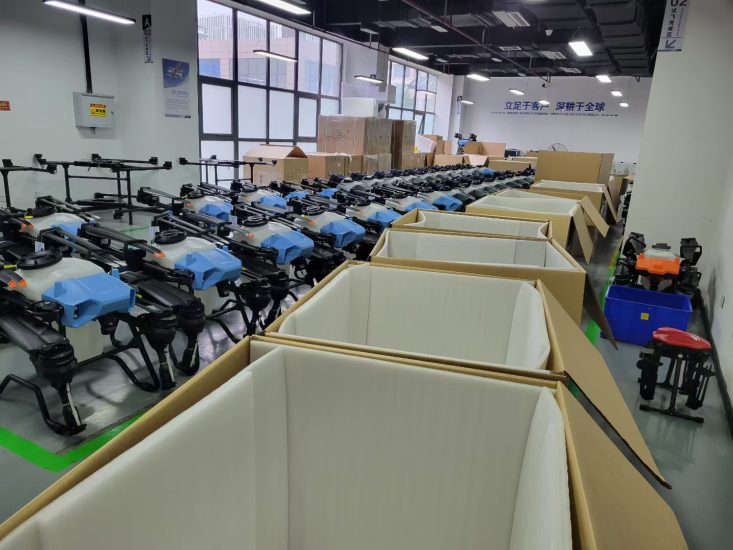
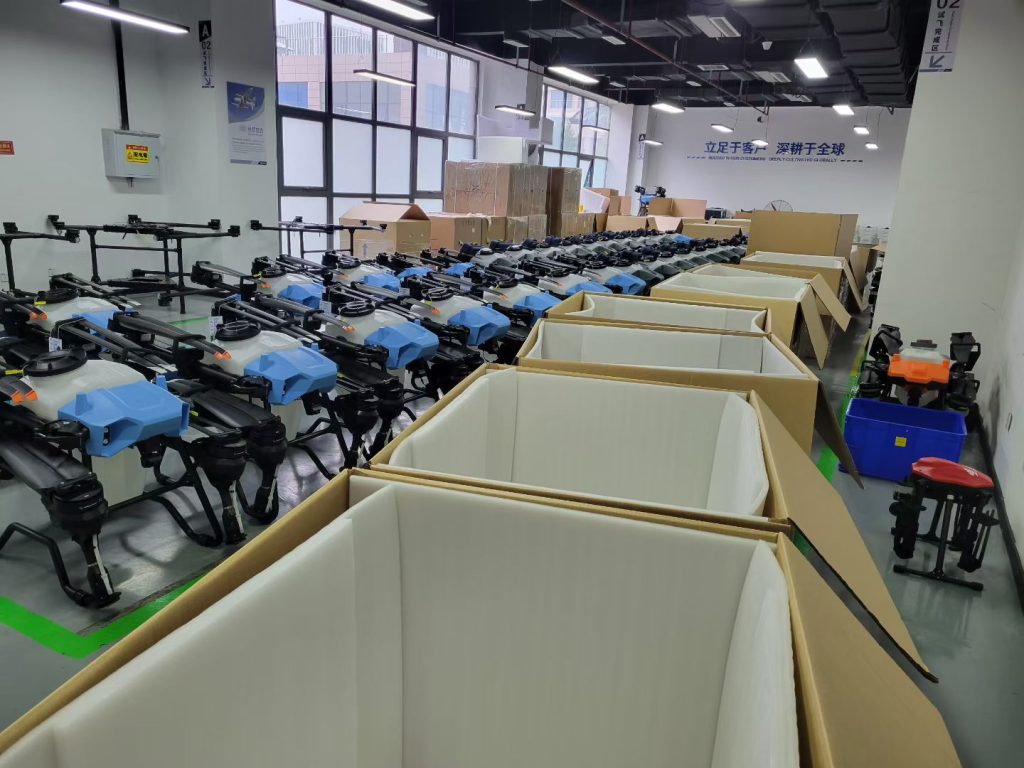
China has a large supply chain for drones, batteries, motors, electronics, pumps, spraying systems, and other agricultural equipment components. However, OEM cooperation requires more than finding a supplier that accepts a logo on the product.
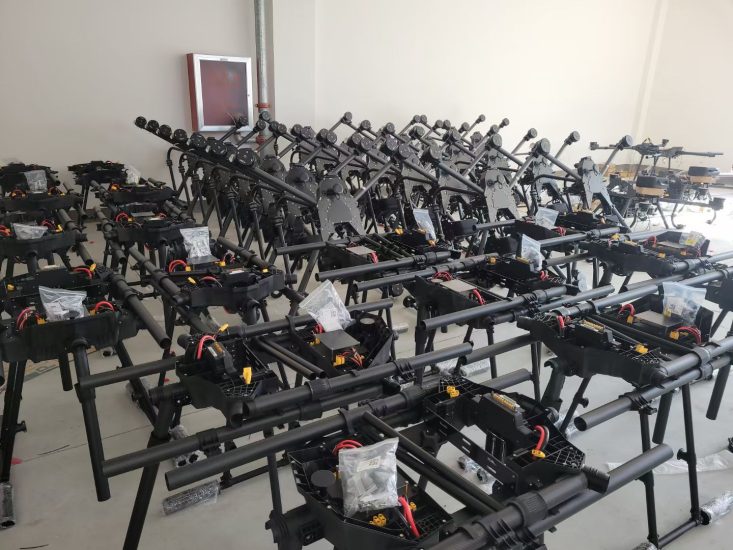
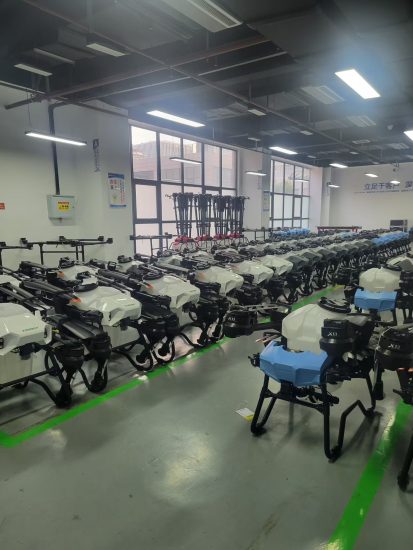
International buyers should evaluate the manufacturer’s engineering capability, production process, quality control, customization options, minimum order quantity, documentation, spare-parts support, and long-term production capacity.
1. What Is an OEM Agricultural Drone?
OEM stands for Original Equipment Manufacturer.
In an OEM arrangement, a manufacturer produces equipment according to requirements agreed with another company, which may sell the finished product under its own brand.
Depending on the manufacturer and project, customization may include:
- Company logo
- Product labels
- Product colors
- Packaging
- User manuals
- Accessories
- Product configuration
- Control interface
- Selected technical components
The exact scope of customization depends on the product and the manufacturer’s capabilities.
2. Why Do Companies Choose OEM Agricultural Drones?
OEM manufacturing can be useful for businesses that want to establish their own agricultural drone brand.
Potential benefits include:
- Building a recognizable brand
- Developing a local distribution network
- Differentiating products from competitors
- Creating customized packaging
- Offering products for a specific market
- Establishing long-term supplier relationships
For example, a distributor may already have customers and sales channels but want to sell agricultural drones under its own company name.
Instead of developing an entire drone factory, the company can work with an experienced manufacturer.
3. Determine What You Actually Need to Customize
Before contacting an OEM manufacturer, create a clear list of requirements.
Do you need:
- Logo printing?
- Custom colors?
- Private-label packaging?
- Custom manuals?
- Different accessories?
- A different spraying system?
- Different battery configurations?
- A modified tank?
- A different remote controller?
- Software changes?
The more clearly you define the requirements, the easier it is for the manufacturer to determine whether the project is technically feasible.
4. Check the Manufacturer’s Engineering Capability
A company that can print a logo on a drone is not necessarily an OEM development partner.
For deeper customization, evaluate whether the manufacturer has:
- Product engineers
- Mechanical engineers
- Electrical engineers
- Software engineers
- Testing capabilities
- Prototype development
- Product-development experience
If your requirements involve changes to hardware or software, engineering capability becomes particularly important.
5. Check the Existing Product Platform
A practical OEM project does not always require developing a completely new agricultural drone.
In many cases, starting with an existing platform can reduce development time and cost.
Ask the manufacturer:
- Which existing models can be customized?
- Which components can be modified?
- Which components must remain standard?
- What is the maximum customization possible?
- Can a prototype be produced?
- How long will development take?
Using an existing platform can be useful when the goal is to launch a private-label product efficiently.
6. Discuss the Drone Capacity
The required payload should be determined early in the OEM discussion.
Possible configurations may include different tank capacities and payload levels.
Your choice should consider:
- Crop type
- Farm size
- Spraying frequency
- Field conditions
- Transport requirements
- Battery capacity
- Operator requirements
Do not select a larger drone simply because the payload number is higher.
The complete operating system should match the intended application.
7. Customize the Spraying System Carefully
The spraying system is one of the most important parts of an agricultural drone.
OEM buyers should discuss:
- Pump system
- Number of nozzles
- Spray width
- Flow rate
- Droplet characteristics
- Application-rate control
- Pipe layout
- Tank configuration
If your target market has specific agricultural requirements, provide these requirements to the manufacturer before development begins.
8. Discuss Battery and Charging Configuration
Battery requirements should be included in the OEM specification.
Discuss:
- Battery capacity
- Battery dimensions
- Battery weight
- Charging system
- Charger specifications
- Number of batteries
- Charging time
- Battery replacement
A customized drone should have a battery system that works with the final aircraft configuration.
9. Decide Which Branding Elements You Need
Private-label buyers may want a consistent brand identity.
Potential branding elements include:
- Drone body logo
- Product name
- Serial-number labels
- Packaging
- Manuals
- Remote-controller branding
- Battery labels
- Spare-parts packaging
Prepare your logo and branding files in the required format before production.
Ask the manufacturer for sample artwork before mass production.
10. Design the Packaging for Your Market
Packaging is part of the product experience.
OEM buyers may request:
- Custom cartons
- Wooden cases
- Printed boxes
- Brand labels
- Product stickers
- Customized manuals
- Accessory boxes
For international shipments, packaging also needs to provide appropriate protection during transportation.
The manufacturer should confirm packaging dimensions and weight before shipment.
11. Ask About MOQ
OEM products normally have different minimum order requirements from standard products.
Ask whether the MOQ applies to:
- Drone units
- Packaging
- Batteries
- Chargers
- Spare parts
- Customized components
A small logo change may require a different MOQ from a completely customized product.
Understand these requirements before approving the project.
12. Calculate the Development Cost
OEM projects may involve costs beyond the standard product price.
Potential costs include:
- Prototype development
- Engineering
- Tooling
- Packaging design
- Custom components
- Testing
- Certification
- Artwork
- Special molds
Ask the manufacturer to separate one-time development costs from recurring product costs.
This makes your long-term cost easier to calculate.
13. Request an OEM Sample
Do not immediately start mass production after receiving a quotation.
A better process can be:
Requirement → Design → Sample → Testing → Modification → Approval → Mass Production
The sample allows you to check:
- Product appearance
- Logo placement
- Packaging
- Drone performance
- Spraying system
- Battery system
- Remote controller
- Accessories
- User documentation
Any major changes should ideally be completed before mass production.
14. Establish Quality Standards
OEM buyers should define quality requirements before production.
Discuss:
- Product inspection
- Flight testing
- Spraying testing
- Battery testing
- Appearance inspection
- Packaging inspection
- Functional testing
For larger orders, buyers may also define an inspection procedure before shipment.
A written quality standard is easier to manage than relying on general statements about product quality.
15. Protect Your Brand Identity
If you are developing your own agricultural drone brand, clarify how your brand materials will be handled.
Discuss:
- Logo files
- Packaging artwork
- Product names
- Manuals
- Custom designs
- Product labels
- Other proprietary materials
The agreement should clearly identify the parties’ responsibilities regarding customized materials and production.
16. Ask About Certifications and Documentation
The requirements for agricultural drones can vary by destination market.
Depending on the market and product, you may need documentation related to:
- Electrical equipment
- Batteries
- Radio systems
- Drone operation
- Agricultural applications
- Transportation
Before starting an OEM project, identify which documents your target market requires.
Do not assume that a certification issued for one country automatically satisfies the requirements of another.
17. Check Production Capacity
Your OEM supplier should be able to support your expected order volume.
Ask:
- What is the monthly production capacity?
- What is the standard lead time?
- What happens during peak season?
- Can production increase when demand grows?
- Can the same specification be maintained over multiple orders?
This is particularly important if you plan to establish a dealer network.
18. Ask About Spare Parts for Your Brand
Your OEM business should include a spare-parts plan.
Potential items include:
- Propellers
- Motors
- Pumps
- Nozzles
- Pipes
- Batteries
- Chargers
- Electronic modules
- Other frequently replaced components
You may also want spare parts packaged under your own brand.
Discuss this during the initial OEM project rather than after mass production begins.
19. Plan After-Sales Support
An OEM brand becomes responsible for the customer experience.
You should therefore understand what support the manufacturer can provide.
Discuss:
- Technical training
- User manuals
- Troubleshooting
- Spare parts
- Warranty procedures
- Remote support
- Product repair
- Software updates
A strong OEM relationship should cover the period after the product reaches your customer.
20. Consider Your Target Market
An agricultural drone designed for one market may not be ideal for another.
Before finalizing the OEM specification, consider:
- Local crops
- Climate
- Farm sizes
- Terrain
- Electrical standards
- Drone regulations
- Agricultural regulations
- Customer preferences
- Transportation conditions
For example, a distributor serving orchard farmers may need different capabilities from a distributor serving large open-field farms.
21. Compare OEM Manufacturers Properly
Do not compare suppliers based only on the OEM unit price.
Create a comparison including:
| Category | What to Compare |
|---|---|
| Product platform | Existing model and capabilities |
| Engineering | Development capability |
| Customization | Available modifications |
| MOQ | Minimum quantity |
| Development cost | Prototype and engineering |
| Quality | Testing and inspection |
| Battery | Capacity and charging |
| Packaging | Private-label options |
| Spare parts | Availability |
| Warranty | Coverage |
| Production | Capacity and lead time |
| Documentation | Manuals and technical information |
| Support | Training and troubleshooting |
| Shipping | Export packaging and logistics |
This gives you a more complete picture of the OEM relationship.
22. Build a Long-Term OEM Relationship
A successful OEM project should not end with the first shipment.
As your sales grow, you may need:
- Additional models
- New capacities
- Updated batteries
- Improved spraying systems
- More spare parts
- New packaging
- Product upgrades
- Larger production quantities
A manufacturer capable of supporting future development can make it easier to expand your agricultural drone business.
23. Questions to Ask an OEM Agricultural Drone Manufacturer
Before signing an OEM agreement, ask:
- Which agricultural drone models can be customized?
- What components can be modified?
- Can you add our company logo?
- Can you provide private-label packaging?
- Can manuals be customized?
- What is the MOQ?
- Is there a prototype fee?
- What is the development lead time?
- What is the mass-production lead time?
- What quality tests are performed?
- Can you provide spare parts?
- What warranty is available?
- What technical support is included?
- What documentation can you provide?
- Can you support larger orders in the future?
Getting these answers in writing can reduce misunderstandings during the project.
24. How to Request an OEM Agricultural Drone Quotation
A good OEM inquiry should contain enough information for the manufacturer to understand the project.
For example:
Product: Agricultural spraying drone
Target market: [Country / Region]
Required capacity: [Capacity]
Estimated first order: [Quantity]
Expected annual quantity: [Quantity]
Brand: [Your Brand]
Customization: Logo + packaging + manual
Spare parts: Required
Destination: [Country / City]
Additional requirements: [Technical requirements]
You can then ask the manufacturer to provide:
- Unit price
- MOQ
- Sample cost
- Development cost
- Production lead time
- Packaging cost
- Warranty
- Spare-parts pricing
- Shipping information
25. MSOEN OEM Agricultural Drone Solutions
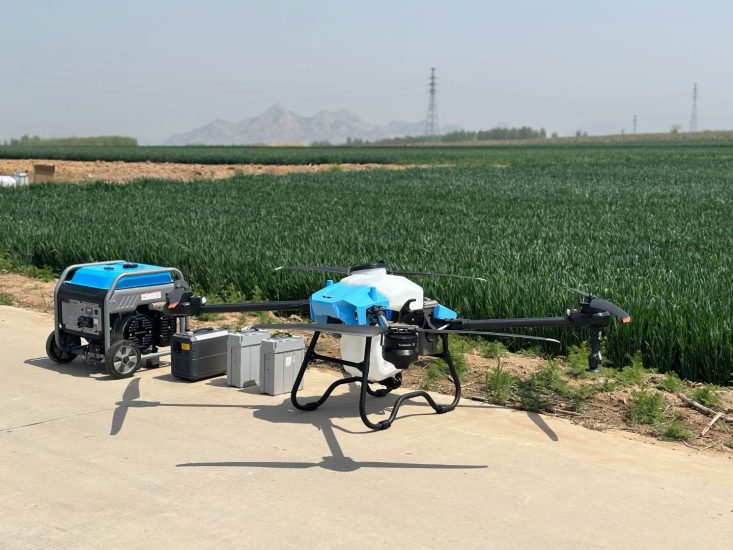
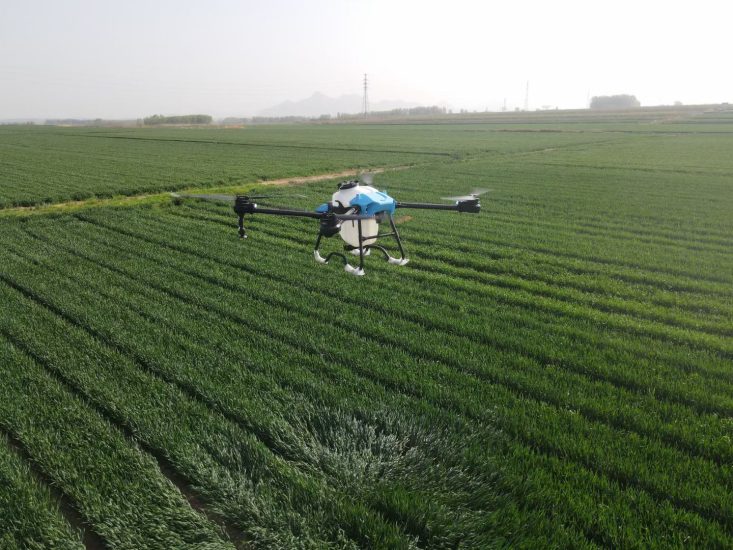
MSOEN provides agricultural drone solutions for international buyers and businesses looking for OEM or customized products.
Depending on the project, buyers can discuss:
- Agricultural spraying drones
- Different payload capacities
- Product configurations
- Private-label products
- OEM/ODM requirements
- Spare parts
- Packaging
- International supply
If you are developing an agricultural drone brand, provide your target market, required drone capacity, expected order quantity, application, and customization requirements.
You can visit MSOEN to explore agricultural drone products and discuss OEM requirements.
Frequently Asked Questions
What is OEM in agricultural drones?
OEM means that a manufacturer produces agricultural drone products according to requirements agreed with another company, which may sell the products under its own brand.
Can I put my own logo on an agricultural drone?
Many manufacturers offer logo and private-label customization, but the available options and MOQ vary by supplier.
Can an agricultural drone be completely redesigned?
Some manufacturers can modify existing platforms, while extensive redesign requires greater engineering resources, development time, testing, and investment.
How many agricultural drones do I need to order for OEM?
The MOQ depends on the manufacturer, product model, customization level, components, packaging, and other project requirements.
Should I order an OEM sample first?
Testing an OEM sample before mass production can help identify issues with product configuration, appearance, packaging, functionality, and documentation.
How long does OEM agricultural drone production take?
The timeline depends on whether you are using an existing platform or developing customized components. Prototype development and mass production should be discussed separately with the manufacturer.
Can I sell OEM agricultural drones in another country?
You can sell products subject to the laws and regulations applicable to your target market. Before launching an OEM product, check the local requirements for drones, radio equipment, agricultural spraying, batteries, and related products.
Conclusion
Choosing an OEM agricultural drone manufacturer requires more than comparing factory prices.
International buyers should evaluate engineering capability, existing product platforms, customization options, MOQ, development costs, quality control, battery systems, packaging, spare parts, warranty, documentation, production capacity, and after-sales support.
A well-defined OEM project usually begins with a clear product specification, followed by sample development, testing, approval, and controlled mass production.
If you are planning to launch your own agricultural drone brand or customize agricultural drones for your market, prepare your target market, product requirements, estimated quantity, and branding requirements before contacting an OEM manufacturer.
MSOEN can be contacted to discuss agricultural drone products, OEM/ODM requirements, customization, and international supply.


No comments yet