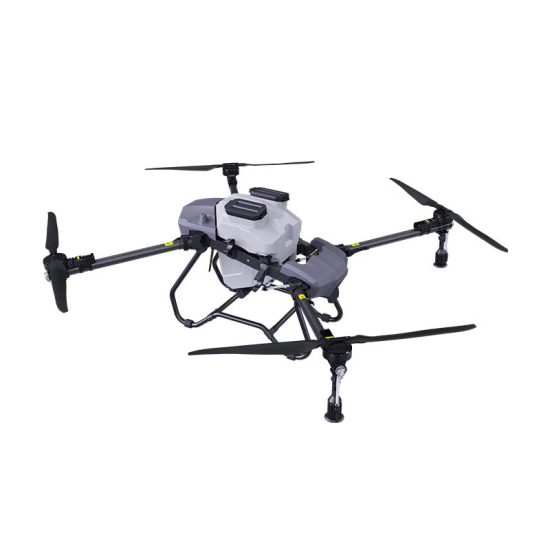


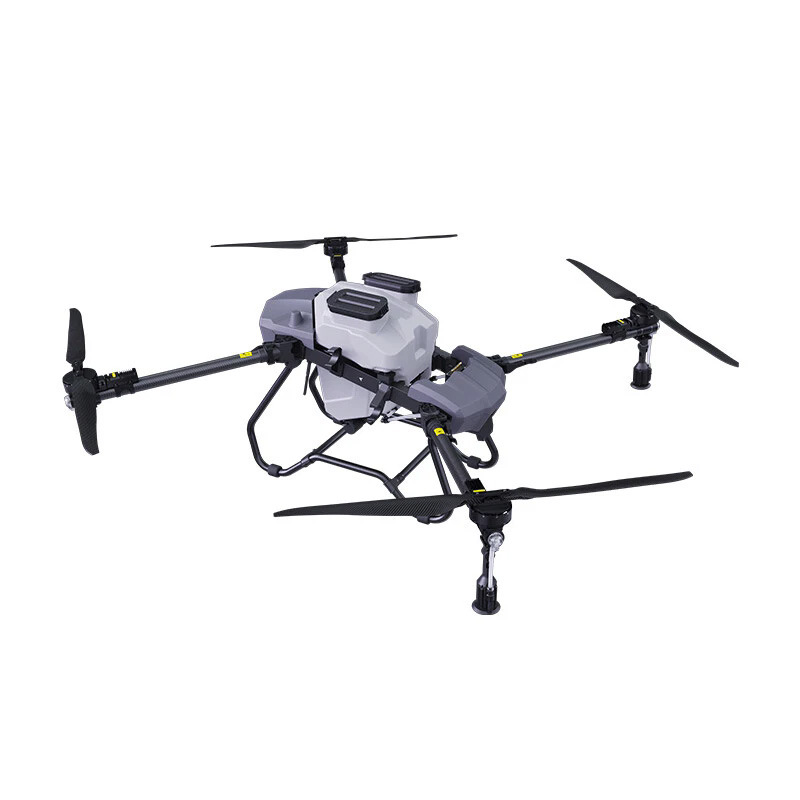
A drone can perform extremely well when its components, softwareDrone Flight Problems: Common Causes and Solutions, battery, and operating environment are properly matched. However, even a high-quality drone may experience flight problems during daily operation.
Issues such as unstable hovering, sudden battery drain, weak GPS signals, poor control response, abnormal vibration, and unexpected landing can affect safety and work efficiency.
Understanding the possible causes of common drone flight problems can help operators identify issues faster and avoid unnecessary downtime.
This guide explains the most common drone flight problems and practical ways to solve them.
1. Why Is the Drone Not Taking Off?
One of the most common problems is that the drone cannot take off after the battery and remote controller have been turned on.
Possible causes include:
-
Low battery voltage
-
Battery not correctly installed
-
Propeller installation errors
-
Motor abnormalities
-
GPS initialization failure
-
Flight controller errors
-
Compass calibration problems
-
Software restrictions
-
Geographical flight restrictions
The first step is to check the warning message displayed on the remote controller or control software.
Make sure that:
-
The battery is fully connected
-
The remote controller is properly linked
-
The propellers are correctly installed
-
The motors are free from foreign objects
-
The drone has completed its pre-flight inspection
If the drone is equipped with a positioning system, allow enough time for the system to initialize before takeoff.
Do not force takeoff when the drone reports a serious system error.
2. Why Is the Drone Drifting While Hovering?
A drone that moves slowly in one direction while hovering may have a problem with calibration, positioning, wind resistance, or mechanical balance.
Common causes include:
-
Strong wind
-
Incorrect compass calibration
-
Inaccurate positioning data
-
Uneven propeller performance
-
Motor performance differences
-
Uneven payload distribution
-
Flight controller calibration issues
A small amount of movement may occur in windy conditions. However, continuous or significant drifting should be investigated.
Possible Solutions
Check the operating environment first.
If the drone is being tested indoors or near large metal structures, positioning systems may not work correctly.
You can also:
-
Move to an open area.
-
Check the positioning signal.
-
Inspect all propellers.
-
Check for motor damage.
-
Recalibrate the relevant sensors if required.
-
Restart the system and perform a controlled test flight.
If drifting continues in calm weather, professional technical inspection may be required.
3. Why Is the Drone Shaking or Vibrating?
Abnormal vibration is a serious problem because it can affect flight stability, camera quality, and component life.
Common causes include:
-
Damaged propellers
-
Bent propeller shafts
-
Loose screws
-
Motor damage
-
Improper payload installation
-
Unbalanced accessories
-
Structural damage
Even a small crack in a propeller can create significant vibration at high speed.
Recommended Inspection
Before every flight, check:
-
Propeller condition
-
Propeller mounting
-
Motor rotation
-
Arm structure
-
Landing gear
-
Payload installation
If the drone suddenly begins vibrating during flight, land it as soon as it is safe to do so.
Do not continue normal operations when severe vibration is present.
4. Why Does the Drone Lose GPS Signal?
GPS and other satellite positioning systems help the drone determine its location and improve flight stability.
A weak or lost positioning signal may occur because of:
-
Tall buildings
-
Mountains
-
Dense forests
-
Indoor operation
-
Strong electromagnetic interference
-
Poor weather conditions
-
System hardware problems
When the positioning signal is weak, the drone may switch to another flight mode.
Operators should understand how the drone behaves when positioning assistance is unavailable.
How to Improve Positioning Performance
For better positioning:
-
Operate in an open environment
-
Avoid areas with strong signal interference
-
Allow the drone enough time to acquire satellites
-
Keep the positioning module unobstructed
-
Check whether the positioning system is functioning correctly
Before beginning an important mission, wait until the positioning status is stable.
5. Why Is the Drone Battery Draining Too Quickly?
Short flight time is one of the most common complaints from drone operators.
Battery performance can be affected by:
-
Heavy payload
-
Strong wind
-
High flight speed
-
Low temperature
-
Battery aging
-
Frequent high-power operation
-
Incorrect charging practices
-
Excessive takeoff and landing
A battery that has been used for a long period may gradually lose its original capacity.
How to Improve Battery Performance
Operators should:
-
Use the correct charger
-
Avoid overcharging or deep discharge
-
Store batteries correctly
-
Keep batteries away from extreme temperatures
-
Check battery health regularly
-
Replace batteries that show abnormal performance
For commercial drone operations, it is useful to maintain multiple batteries so that work can continue while other batteries are charging.
6. Why Does the Drone Suddenly Lose Power?
A sudden loss of power during flight can be extremely dangerous.
Possible causes include:
-
Battery connector problems
-
Low battery voltage
-
Battery protection activation
-
Damaged battery cells
-
Loose electrical connections
-
Motor overload
-
Electronic system failure
Operators should never ignore battery warnings.
If the battery level drops unusually quickly, land the drone safely and inspect the battery system.
A professional drone should have suitable battery protection and monitoring functions, but operators must still perform regular inspections.
7. Why Is the Drone Difficult to Control?
Sometimes the drone responds slowly or does not respond as expected to control commands.
Possible causes include:
-
Weak communication signal
-
Excessive operating distance
-
Signal interference
-
Remote controller problems
-
Software errors
-
Incorrect control settings
-
Strong wind
First, check the signal status on the remote controller.
If the signal becomes unstable, reduce the operating distance and move to an area with fewer obstacles.
The control system should also be checked regularly for:
-
Antenna damage
-
Physical damage
-
Battery problems
-
Software updates
Operators should always understand the communication limitations of their equipment.
8. Why Does the Drone Return Home Unexpectedly?
Many drones include an automatic return-to-home function.
The drone may automatically return when:
-
The battery reaches a critical level
-
The communication signal is lost
-
The operator activates the function
-
The system detects a serious error
However, the return function depends on correct settings.
Before flight, check:
-
Home point
-
Return altitude
-
Battery level
-
Flight path
-
Surrounding obstacles
If the return altitude is too low, the drone may encounter buildings, trees, mountains, or other obstacles.
Operators should configure the return function according to the actual operating environment.
9. Why Does the Drone Fly Unevenly?
Uneven flight may be caused by:
-
Unequal motor performance
-
Damaged propellers
-
Uneven payload distribution
-
Strong wind
-
Incorrect calibration
-
Mechanical damage
For drones carrying equipment or materials, payload balance is particularly important.
A payload installed on one side of the drone may affect:
-
Stability
-
Energy consumption
-
Flight control
-
Motor load
Always ensure that the payload is mounted according to the manufacturer’s requirements.
10. Why Does the Drone Overheat?
Electronic components and motors generate heat during operation.
Overheating may be caused by:
-
High ambient temperature
-
Excessive payload
-
Blocked cooling areas
-
Continuous high-power operation
-
Motor problems
-
Battery abnormalities
High temperatures can affect battery performance and electronic components.
How to Reduce Overheating
Operators can:
-
Avoid operating during extreme heat when possible
-
Reduce excessive payload
-
Allow the drone to cool between missions
-
Keep ventilation areas clean
-
Check motors for abnormal resistance
-
Store batteries in a suitable environment
If the system displays an overheating warning, follow the recommended safety procedures.
11. Why Does the Drone Have Poor Wind Resistance?
Wind can significantly affect drone performance.
The actual wind resistance of a drone depends on:
-
Drone size
-
Motor power
-
Propeller design
-
Payload
-
Flight altitude
-
Wind direction
A drone may perform well in light wind but become unstable in stronger conditions.
Operators should avoid judging wind resistance only by marketing specifications.
The actual working environment should be considered.
Before flying in strong wind, assess:
-
Wind speed
-
Wind direction
-
Payload weight
-
Return route
-
Battery reserve
Always leave enough battery power for a safe return.
12. What Should You Do If the Drone Loses Control?
If the drone does not respond normally, remain calm and follow the emergency procedures defined for the specific system.
Possible actions may include:
-
Check the remote controller status.
-
Check the communication signal.
-
Reduce the distance if possible.
-
Avoid obstacles.
-
Use the appropriate emergency control function.
-
Activate the return function when conditions are suitable.
-
Prepare for a controlled landing.
The correct response depends on the drone model and the specific problem.
Operators should practice emergency procedures before performing commercial operations.
13. Why Is the Drone Camera Image Shaking?
Camera vibration may result from:
-
Damaged propellers
-
Motor vibration
-
Loose camera mounts
-
Gimbal problems
-
Excessive wind
-
Structural damage
If the drone itself appears stable but the image is shaking, inspect the camera mounting system and gimbal.
For professional imaging applications, stable mechanical design is essential.
14. Why Does the Drone Spray Unevenly?
Agricultural drones may experience uneven spraying due to:
-
Blocked nozzles
-
Incorrect pressure
-
Uneven flight speed
-
Strong wind
-
Incorrect spray height
-
Pump problems
-
Uneven liquid flow
Regular maintenance of the spraying system is important.
Operators should inspect:
-
Nozzles
-
Pumps
-
Pipes
-
Filters
-
Liquid tank
-
Flow control system
Correct flight speed and altitude are also important for achieving consistent coverage.
15. Why Does the Drone Spreading System Not Work Properly?
For drones used to spread seeds, fertilizer, or other materials, spreading performance can be affected by:
-
Material moisture
-
Material size
-
Blockages
-
Incorrect settings
-
Uneven material flow
-
Motor problems
Different materials may require different spreading parameters.
Before large-scale operation, perform a small test to verify:
-
Material flow
-
Spreading width
-
Discharge rate
-
Flight speed
This can help reduce material waste and improve operating efficiency.
16. How Can Regular Maintenance Prevent Flight Problems?
Preventive maintenance is one of the most effective ways to reduce unexpected problems.
A basic maintenance routine may include:
Before Every Flight
Check:
-
Battery condition
-
Propellers
-
Motors
-
Body structure
-
Payload
-
Remote controller
-
Positioning signal
After Every Flight
Inspect:
-
Dust
-
Moisture
-
Chemical residue
-
Mechanical damage
-
Battery temperature
Regularly
Check:
-
Firmware
-
Calibration
-
Motor performance
-
Battery health
-
Electrical connections
A maintenance record can help operators identify repeated problems before they become serious.
17. When Should You Contact a Professional Supplier?
Some problems can be solved through basic inspection and maintenance.
However, professional technical support may be required when:
-
The drone crashes
-
The motor stops working
-
The flight controller reports a serious error
-
The battery becomes swollen or abnormal
-
The communication system fails
-
The drone cannot complete calibration
-
The same problem continues after basic troubleshooting
Avoid repeatedly operating a drone with a serious unresolved fault.
A professional supplier should be able to provide technical guidance, replacement components, and repair support.
Frequently Asked Questions
Why does my drone drift when hovering?
Possible causes include wind, incorrect calibration, weak positioning signals, motor differences, damaged propellers, or uneven payload distribution.
Why is my drone flight time shorter than expected?
Actual flight time depends on payload, wind, temperature, battery condition, flight speed, and operating conditions. Maximum advertised flight time is usually measured under controlled conditions.
What should I do if the drone loses GPS?
Move to a more open area, check the positioning status, avoid interference, and follow the flight procedures recommended for your drone system.
How often should drone propellers be replaced?
Propellers should be inspected regularly and replaced when they show cracks, deformation, significant wear, or other damage.
Can I continue flying when the drone is vibrating?
Severe vibration should not be ignored. Land the drone safely and inspect the propellers, motors, mounting structure, and payload.
How can I reduce drone battery problems?
Use the correct charger, avoid extreme temperatures, follow proper storage procedures, monitor battery health, and replace batteries that show abnormal performance.
What information should I provide when asking for technical support?
Provide the drone model, problem description, warning message, operating conditions, battery status, and photos or videos of the problem when possible.
Conclusion
Drone flight problems can be caused by many factors, including mechanical components, batteries, positioning systems, communication signals, software, payload, weather, and operating procedures.
The fastest way to solve a problem is to identify the symptoms accurately and check the most likely causes step by step.
Regular inspections and preventive maintenance can significantly reduce unexpected downtime. At the same time, professional technical support is important when the problem involves major electronic, mechanical, or flight-control components.
If you are selecting a drone for commercial use or experiencing repeated flight problems, provide your application requirements and technical details to a professional drone supplier. A suitable configuration, reliable components, proper maintenance guidance, and responsive technical support can help improve flight safety and long-term operating efficiency.
Article Link:
Drone Flight Problems: Common Causes and Solutions
THE END


No comments yet