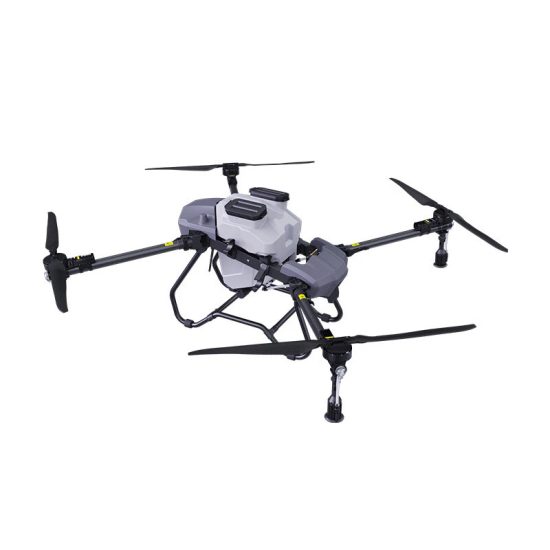


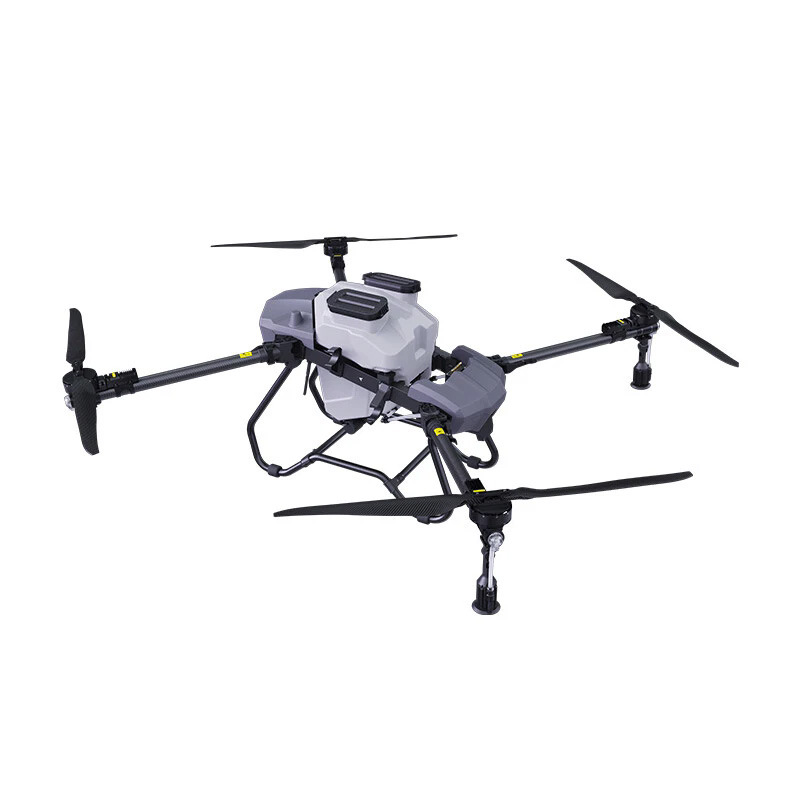
The battery is one of the most important components of any drone.
A drone may have powerful motors, advanced flight control systems, and a high-quality payload, but without a suitable battery, it cannot achieve stable and reliable performance.
The right battery affects flight time, payload capacity, charging efficiency, operating safety, and long-term maintenance costs.
Many drone users focus mainly on capacity or voltage when selecting a battery. However, a complete battery solution requires much more than choosing the largest capacity available.
Battery chemistry, voltage, discharge capability, charging speed, temperature management, compatibility, and daily operating conditions should all be considered.
This guide explains how to choose, charge, store, and maintain drone batteries correctly.
1. Why Is the Drone Battery So Important?
A drone battery provides the energy required by:
-
Motors
-
Flight controllers
-
Positioning systems
-
Cameras
-
Sensors
-
Communication systems
-
Pumps
-
Spreading systems
-
Other electronic equipment
The battery must provide enough power for the entire flight.
If the battery cannot supply sufficient energy, the drone may experience:
-
Shorter flight time
-
Reduced payload capacity
-
Slow climbing
-
Unstable performance
-
Sudden battery warnings
-
Emergency landing risks
For commercial drones, battery performance can directly affect daily productivity.
For example, if a drone needs to return for charging too frequently, the operator may cover less area per day.
This is why battery selection should be considered together with the drone’s complete operating requirements.
2. How to Choose the Correct Drone Battery
The first rule is simple:
Always choose a battery that is compatible with the drone’s electrical and mechanical system.
Important specifications include:
-
Voltage
-
Capacity
-
Battery type
-
Discharge rate
-
Connector
-
Dimensions
-
Weight
-
Communication system
-
Charging requirements
A battery with a higher capacity is not automatically better.
If the battery is too heavy, the drone may consume more energy during flight.
If the voltage is incorrect, it may damage electronic components or prevent the drone from operating normally.
The battery should be matched to the drone’s motor system, flight controller, electronic components, and intended payload.
3. Understand Battery Voltage
Voltage is one of the most important battery specifications.
A drone’s electronic system is designed to operate within a specific voltage range.
Using a battery with an unsuitable voltage may cause:
-
System failure
-
Motor abnormalities
-
Electronic damage
-
Reduced performance
-
Safety risks
Before purchasing a replacement battery, confirm the required voltage with the drone supplier or technical documentation.
Do not assume that batteries with similar physical sizes are interchangeable.
Two batteries may look similar but have completely different voltage characteristics.
4. Understand Battery Capacity
Battery capacity is commonly measured in ampere-hours or milliampere-hours.
A higher-capacity battery can store more energy, but it may also be heavier and larger.
The relationship between capacity and actual flight time depends on:
-
Drone weight
-
Payload
-
Motor efficiency
-
Flight speed
-
Wind conditions
-
Temperature
-
Flight style
For example, increasing battery capacity may increase flight time, but if the additional battery weight is too high, part of the extra energy may be used to carry the battery itself.
The best battery is not necessarily the one with the highest capacity.
The goal is to find a suitable balance between:
-
Energy storage
-
Weight
-
Flight time
-
Payload
-
Safety
5. What Is Discharge Capability?
A drone battery must be able to provide enough current to the motors and electronic systems.
During takeoff, climbing, acceleration, or heavy-load operation, the drone may require significant power.
If the battery cannot provide sufficient current, the drone may experience:
-
Reduced motor performance
-
Voltage drops
-
Battery warnings
-
Shorter flight time
-
Unstable operation
This is especially important for:
-
Agricultural drones
-
Heavy-lift drones
-
Industrial drones
-
Drones carrying professional equipment
Battery capacity alone does not determine whether a battery is suitable.
Discharge capability must also match the drone’s power requirements.
6. Choose the Right Battery Type
Different drone applications may use different battery technologies.
The choice depends on:
-
Energy density
-
Weight
-
Discharge performance
-
Charging speed
-
Service life
-
Safety requirements
Some commercial drone systems require batteries designed specifically for high-power operation and repeated charging.
The battery type should be selected according to the drone manufacturer’s technical requirements.
For professional and commercial applications, battery consistency is especially important.
Using batteries with significantly different performance characteristics may create inconsistent flight times and operational results.
7. Why Battery Weight Matters
Battery weight has a direct influence on drone performance.
A heavier battery may provide more energy, but it also increases the total takeoff weight.
Additional weight may lead to:
-
Higher motor power consumption
-
Shorter flight time
-
Reduced payload capacity
-
Slower climbing
-
Increased battery temperature
When selecting a battery, compare the additional energy with the additional weight.
A battery solution should be optimized for the complete drone system rather than selected according to capacity alone.
8. How to Charge a Drone Battery Correctly
Correct charging is essential for battery safety and service life.
Always use a compatible charger designed for the battery system.
Before charging:
-
Inspect the battery.
-
Check for physical damage.
-
Confirm that the connector is clean.
-
Check the battery temperature.
-
Make sure the charger is suitable.
-
Place the battery in an appropriate charging environment.
Do not charge a battery that shows signs of serious damage.
During charging, monitor for:
-
Excessive heat
-
Unusual smell
-
Abnormal noise
-
Swelling
-
Charging interruptions
If an abnormal condition occurs, stop charging and follow the appropriate safety procedure.
9. Why Charging Temperature Matters
Battery performance can be affected by temperature.
Charging a battery when it is extremely hot or cold may affect:
-
Charging speed
-
Battery performance
-
Battery life
-
Safety
After a flight, the battery may still be warm.
Allowing it to cool before charging may be necessary depending on the battery system and manufacturer’s requirements.
Similarly, batteries stored in cold environments may need to reach a suitable temperature before charging.
Always follow the recommended operating temperature range.
10. How to Improve Battery Charging Efficiency
For commercial drone operations, charging efficiency is very important.
A suitable charging system can help reduce downtime.
When selecting a charger, consider:
-
Charging speed
-
Number of charging channels
-
Power requirements
-
Battery compatibility
-
Temperature monitoring
-
Protection functions
For large-scale operations, multiple batteries and charging stations can support continuous work.
A battery rotation system may include:
-
Batteries in flight
-
Batteries being charged
-
Fully charged backup batteries
This approach can help reduce waiting time between missions.
11. Avoid Overcharging and Deep Discharge
Modern intelligent batteries often include protection systems, but correct operation is still important.
Repeatedly charging or discharging a battery under unsuitable conditions may affect its service life.
Avoid:
-
Using damaged batteries
-
Continuing to operate after critical warnings
-
Storing batteries at extreme temperatures
-
Using incompatible chargers
-
Leaving batteries in unsuitable conditions for long periods
Battery management should be treated as part of normal drone maintenance.
12. How to Store Drone Batteries
If a drone battery will not be used for an extended period, proper storage is important.
Storage conditions should generally be:
-
Dry
-
Clean
-
Well ventilated
-
Away from direct sunlight
-
Away from heat sources
The battery should be stored according to the recommended storage charge level for the specific battery system.
Do not leave batteries unused for long periods without checking their condition.
Regular inspections can help identify:
-
Swelling
-
Physical damage
-
Unusual voltage changes
-
Connector corrosion
13. Why Battery Swelling Should Not Be Ignored
A swollen battery may indicate an internal problem.
Possible causes can include:
-
Physical damage
-
Overheating
-
Aging
-
Improper charging
-
Internal cell failure
A swollen battery should not be used normally.
Do not press, puncture, or attempt to repair a damaged battery without appropriate technical expertise.
Instead, follow the proper safety and disposal procedures applicable to the battery type and local regulations.
14. How to Extend Battery Service Life
Battery service life depends on usage, charging, storage, temperature, and maintenance.
To help extend battery life:
-
Use the correct charger
-
Avoid extreme temperatures
-
Do not overload the drone
-
Follow recommended charging procedures
-
Store the battery correctly
-
Monitor battery health
-
Avoid using damaged batteries
For commercial operators, keeping battery usage records can be helpful.
Record information such as:
-
Number of charging cycles
-
Flight time
-
Charging time
-
Battery temperature
-
Abnormal warnings
This information can help identify batteries that are losing performance.
15. What Is Battery Cycle Life?
A battery cycle generally refers to the use and recharge of a certain amount of its total capacity.
The actual service life of a battery can vary depending on:
-
Depth of discharge
-
Charging conditions
-
Operating temperature
-
Load
-
Storage conditions
Two batteries used in the same drone may have different service lives if they are managed differently.
Therefore, cycle count is useful, but it should not be the only factor used to judge battery condition.
Actual performance should also be considered.
16. How to Identify an Aging Drone Battery
A battery may be reaching the end of its useful service life when you notice:
-
Significantly shorter flight time
-
Rapid voltage drops
-
Excessive heating
-
Slow charging
-
Unusual battery warnings
-
Physical swelling
-
Inconsistent performance
If one battery performs significantly worse than other batteries used in the same drone, it should be inspected carefully.
Continuing to use an abnormal battery may create unnecessary operational risks.
17. Why Smart Battery Monitoring Is Important
Modern commercial drone batteries may include intelligent monitoring functions.
These systems can provide information such as:
-
Remaining capacity
-
Voltage
-
Temperature
-
Charging status
-
Battery health
-
Usage history
This information helps operators make better decisions.
For example, a battery may show a high remaining percentage but still have reduced overall capacity due to aging.
Battery monitoring allows operators to identify changes in performance earlier.
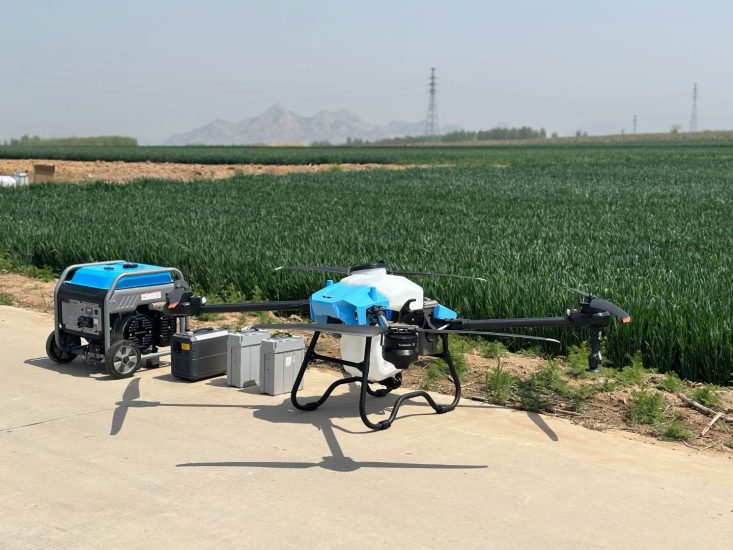
18. Agricultural Drone Battery Considerations
Agricultural drones often place high demands on battery systems.
The battery may need to support:
-
Heavy takeoff weight
-
Long operating periods
-
Frequent takeoffs and landings
-
High motor power
-
Pump operation
-
Large-area field operations
Agricultural drone users should consider:
-
Battery capacity
-
High discharge performance
-
Charging speed
-
Battery rotation
-
Operating temperature
-
Field charging conditions
A suitable battery system can significantly improve daily operating efficiency.
For large farms, the charging system and battery management process may be just as important as the drone itself.
19. Battery Requirements for Heavy-Lift Drones
Heavy-lift drones require batteries capable of delivering significant power.
As payload increases, the motors require more energy.
Before choosing a battery, evaluate:
-
Empty drone weight
-
Maximum payload
-
Expected operating time
-
Motor power
-
Takeoff requirements
The battery should not be selected separately from the complete propulsion system.
A professional supplier can help match:
-
Battery
-
Motor
-
Propeller
-
Electronic speed controller
-
Flight controller
This system-level approach can help improve overall efficiency.
20. How to Transport Drone Batteries
Battery transportation may require additional attention.
Before shipping batteries, confirm:
-
Battery type
-
Capacity
-
Packaging requirements
-
Transport regulations
-
Documentation
-
Shipping method
Different transportation methods may have different requirements.
For international shipments, buyers should communicate with the supplier and logistics provider in advance.
Correct packaging and documentation can help reduce shipping delays.
21. How to Choose a Drone Battery Supplier
When purchasing batteries, price should not be the only consideration.
Important factors include:
-
Compatibility
-
Battery consistency
-
Quality control
-
Testing procedures
-
Production capability
-
Technical support
-
Customization ability
-
Packaging
-
Delivery capacity
For businesses purchasing batteries in large quantities, stable batch quality is especially important.
A supplier should be able to provide clear technical information and communicate effectively about the intended application.
22. OEM and Customized Drone Batteries
Some businesses may require customized battery solutions.
Customization may include:
-
Capacity
-
Voltage
-
Dimensions
-
Connector
-
Communication interface
-
Housing design
-
Branding
-
Packaging
Customized battery development may require technical evaluation and testing.
Before requesting customization, provide information about:
-
Drone model
-
Motor system
-
Required flight time
-
Payload
-
Available battery space
-
Charging requirements
Detailed information can help a supplier evaluate whether the requested configuration is practical.
Frequently Asked Questions
How do I choose the right battery for my drone?
Check the required voltage, capacity, weight, dimensions, connector, discharge capability, and charging requirements. The battery must be compatible with the complete drone system.
Does a larger battery always provide longer flight time?
Not necessarily. A larger battery may store more energy but also add weight. The best battery balances capacity and total system weight.
Why does my drone battery drain quickly?
Possible causes include battery aging, heavy payload, strong wind, high speed, low temperature, motor problems, or incorrect battery selection.
How long does a drone battery last?
Service life depends on usage, charging cycles, operating temperature, storage, and maintenance. Actual performance is more important than relying only on a fixed cycle number.
Can I use a different charger?
Only use a charger that is compatible with the battery system. An unsuitable charger may cause charging problems or safety risks.
Why does my battery become hot during charging?
Some heat may occur during normal charging, but excessive heat may indicate an abnormal condition. Stop charging if the battery becomes unusually hot or shows other warning signs.
Can a swollen battery still be used?
A swollen battery should not be used normally. It should be handled according to appropriate safety and disposal procedures.
How many batteries should I purchase?
The required quantity depends on daily flight hours, charging speed, field size, and operating schedule. Commercial users often benefit from a battery rotation plan.
Conclusion
The drone battery is a core part of the complete flight system.
Choosing the right battery requires more than selecting the highest capacity. Voltage, weight, discharge performance, charging speed, temperature, compatibility, and long-term maintenance must all be considered.
Correct charging and storage can help improve battery service life, while regular monitoring can help identify performance problems before they affect flight safety.
For agricultural, industrial, mapping, inspection, and other commercial drone applications, a reliable battery system can improve productivity and reduce unnecessary downtime.
If you are looking for a suitable drone battery or customized battery solution, provide the drone model, voltage requirements, capacity target, payload, expected flight time, operating environment, and quantity requirements. A professional supplier can then evaluate your application and recommend a suitable battery configuration.
THE END


No comments yet