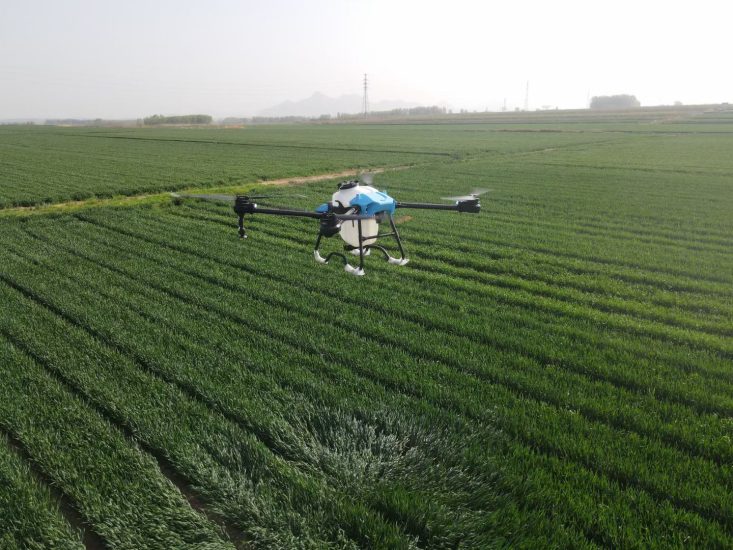


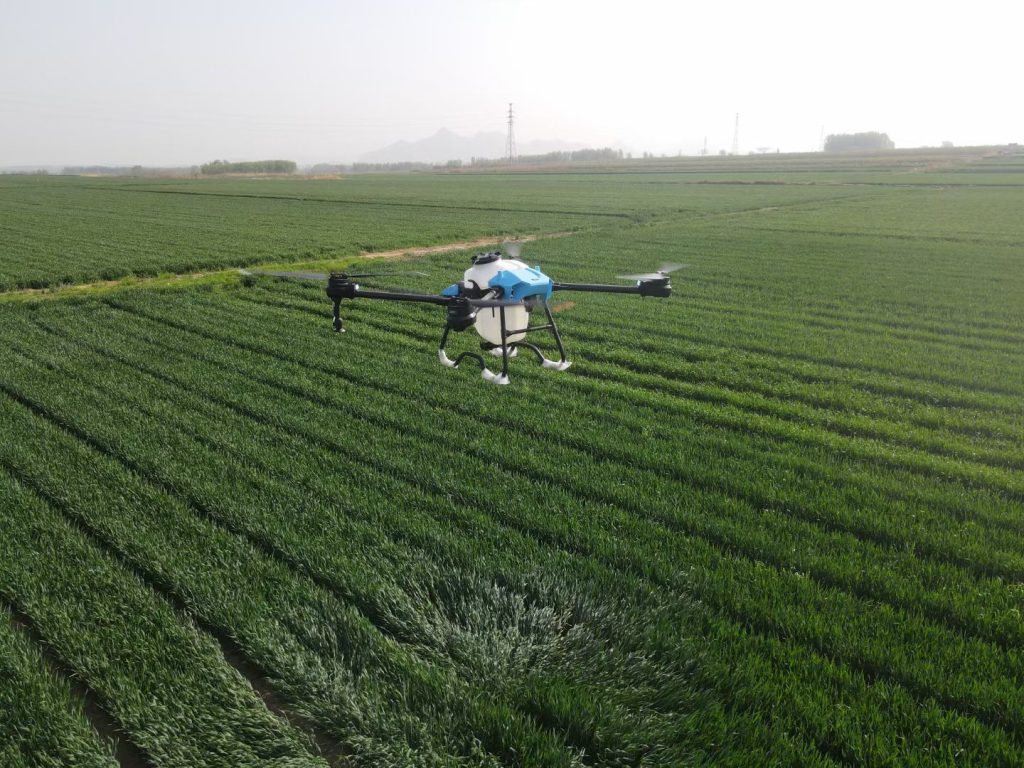
Agricultural Drone Buying Guide for Distributors and Importers
The agricultural drone market is expanding as farms, agricultural service providers, distributors, and equipment suppliers look for more efficient ways to perform crop spraying, fertilization, and other field operations.
For distributors and importers, purchasing agricultural drones is different from buying a single machine for personal farm use. Commercial buyers need to evaluate not only the drone itself, but also product specifications, market demand, spare parts, batteries, packaging, technical support, compliance requirements, logistics, warranty arrangements, and long-term supply capacity.
A suitable agricultural drone for one market may not be suitable for another. Crop types, farm sizes, terrain, climate, operating practices, and local regulations can all influence purchasing decisions.
This guide explains the main factors distributors and importers should consider before placing an agricultural drone order.
1. Define Your Target Market Before Choosing a Drone
The first step for an importer or distributor is to determine who will ultimately use the equipment.
Potential customers may include:
- Commercial farms
- Agricultural service companies
- Crop protection contractors
- Agricultural cooperatives
- Farm equipment dealers
- Agricultural input suppliers
- Government or institutional projects
- Large plantation operators
- Local agricultural technology businesses
Each customer group can have different requirements.
For example, a commercial farm may focus heavily on operating efficiency and maintenance costs, while a distributor may place greater importance on product consistency, packaging, spare parts, training, and after-sales support.
Before selecting a product, identify the primary customer profile in the target market.
2. Study Local Crop Applications
Agricultural drones are used for different crops and agricultural applications.
Common applications include:
- Crop spraying
- Liquid fertilizer application
- Foliar feeding
- Pest management
- Disease control
- Certain precision agriculture tasks
However, the required drone configuration may vary according to the crop.
Rice fields, wheat fields, corn fields, orchards, plantations, and specialty crops can have different requirements for application volume, flight height, route planning, and spray distribution.
An importer should therefore avoid choosing a product based solely on its popularity in another country.
The more important question is:
Does the drone configuration match the crops and operating conditions of the target market?
3. Determine the Appropriate Tank Capacity
Tank capacity is one of the first specifications distributors normally compare.
Agricultural spraying drones are available in different payload configurations, including smaller and larger tank capacities.
A distributor should consider:
- Average farm size
- Typical field size
- Application rate
- Water availability
- Refill distance
- Expected daily workload
- Transportation requirements
A larger tank can reduce refill frequency, but it also increases payload requirements and may affect energy consumption.
For example, if an agricultural operation uses an application rate of 10 liters per hectare:
A 30-liter tank theoretically carries enough liquid for:
30 ÷ 10 = 3 hectares
A 50-liter tank theoretically carries enough liquid for:
50 ÷ 10 = 5 hectares
These are simplified calculations. Actual field coverage depends on flight paths, spray settings, field conditions, overlap, and operational losses.
Distributors should therefore evaluate tank capacity together with actual operating requirements.
4. Evaluate Flight Performance Under Real Conditions
A product specification may state a maximum flight time, but distributors should determine the conditions under which that figure was measured.
Important questions include:
- Was the drone carrying a full payload?
- What battery was used?
- What weather conditions were present?
- Was the flight time measured during hovering or actual field operation?
- How does payload affect endurance?
- What is the recommended reserve battery level?
Maximum flight time and practical working time are not necessarily the same.
For commercial buyers, real-world operating data is more useful than a single maximum figure.
5. Examine the Battery and Charging System
Battery management can significantly affect agricultural drone productivity.
Distributors should examine the complete battery system, including:
- Battery capacity
- Battery weight
- Charging time
- Charging equipment
- Battery cycle life
- Charging temperature requirements
- Storage requirements
- Safety protection
- Availability of replacement batteries
A commercial customer may need multiple batteries for continuous operation.
If a drone is used for several hours each day, insufficient battery capacity can result in operational downtime even when the aircraft itself performs well.
Therefore, battery availability should be included in the initial purchasing plan.
6. Compare the Spray System Carefully
Two drones with similar tank capacities can have significantly different spraying performance.
Important spray-system specifications include:
- Pump type
- Pump flow rate
- Number of nozzles
- Nozzle arrangement
- Spray width
- Droplet characteristics
- Flow control
- Spray adjustment
- Filtration system
The distributor should request technical documentation rather than relying only on marketing descriptions.
For example, a wide spray width may appear attractive, but actual spray distribution depends on flight height, nozzle configuration, wind conditions, liquid properties, and operating speed.
The complete spray system should therefore be evaluated as one system.
7. Consider the Drone’s Payload-to-Performance Balance
Payload capacity affects the entire aircraft.
When the tank is full, the drone carries a significantly greater weight than when the tank is empty.
This can influence:
- Flight endurance
- Power consumption
- Takeoff performance
- Maneuverability
- Battery consumption
- Operating range
Distributors should request performance information at different payload levels when possible.
A useful comparison is not simply:
Which drone carries more?
Instead, ask:
How does the aircraft perform while carrying its normal working payload?
That provides a more realistic basis for commercial evaluation.
8. Evaluate Durability for Commercial Use
A distributor is usually supplying equipment that will be used repeatedly, sometimes for many hours each day during peak agricultural seasons.
Durability therefore matters.
Areas that deserve attention include:
- Motor system
- Propellers
- Aircraft frame
- Landing structure
- Pump system
- Spray lines
- Connectors
- Battery interface
- Electronic components
- Sensors
The aircraft should be designed for repeated agricultural operations rather than occasional recreational use.
Distributors should also ask about recommended maintenance intervals and common replacement components.
9. Check Spare Parts Availability
Spare parts are an important part of agricultural drone distribution.
Common replacement parts can include:
- Propellers
- Motors
- Pumps
- Nozzles
- Filters
- Pipes
- Landing components
- Batteries
- Chargers
- Electronic modules
A distributor should determine which components are considered consumables and which are normally replaced only after significant use.
Maintaining a local stock of frequently needed parts can reduce customer downtime.
When negotiating a bulk order, distributors may also consider purchasing spare parts together with the initial shipment.
10. Evaluate Technical Support
Agricultural drones combine aircraft systems, batteries, motors, pumps, spray systems, electronics, and software.
As a result, after-sales support is an important part of the product value.
Before importing, distributors should understand:
- Installation procedures
- Operator training
- Maintenance instructions
- Troubleshooting procedures
- Software or firmware updates
- Spare-parts support
- Warranty procedures
- Remote technical assistance
A product with a competitive purchase price can become expensive if customers cannot obtain technical assistance when problems occur.
11. Understand OEM and ODM Possibilities
For established distributors, standard products may not always be sufficient.
Some buyers may want:
- Custom branding
- Custom packaging
- Customized manuals
- Distributor-specific labels
- Product configuration changes
- Software or interface customization
- Special accessories
- Market-specific documentation
OEM and ODM capabilities can allow a distributor to build a more differentiated product offering.
However, customization can affect:
- Minimum order quantity
- Development cost
- Production schedule
- Packaging cost
- Testing requirements
- Certification requirements
These factors should be discussed before the order is confirmed.
12. Check Minimum Order Requirements
Importers should understand the supplier’s minimum order requirements before calculating their purchasing budget.
The minimum order may vary depending on whether the buyer wants:
- Standard products
- Custom branding
- Custom packaging
- Special configurations
- Spare parts
- Additional accessories
For a new distributor entering the market, a smaller initial order may allow the company to test customer demand before committing to a larger inventory.
For established distributors, larger orders may provide better supply planning and inventory availability.
The appropriate order quantity depends on actual market demand and cash-flow considerations.
13. Calculate the Full Import Cost
The product quotation is not necessarily the final landed cost.
An importer should calculate the complete cost structure.
A simplified formula is:
Landed Cost = Product Cost + Packaging + Inland Transport + Export Charges + Freight + Insurance + Import Duties + Local Charges + Other Applicable Costs
Depending on the destination, additional costs may include:
- Customs clearance
- Port charges
- Warehouse handling
- Local transportation
- Taxes
- Certification
- Inspection
- Documentation
For accurate pricing, importers should calculate the cost based on the actual shipment configuration.
14. Consider Shipping and Packaging Requirements
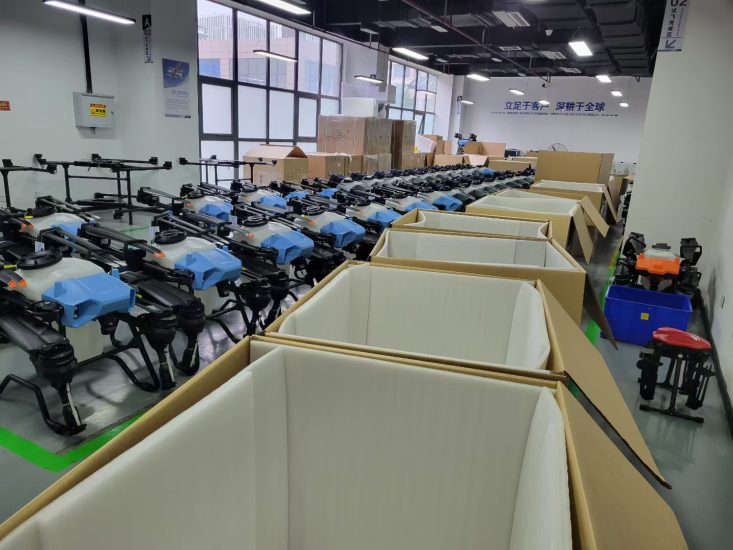
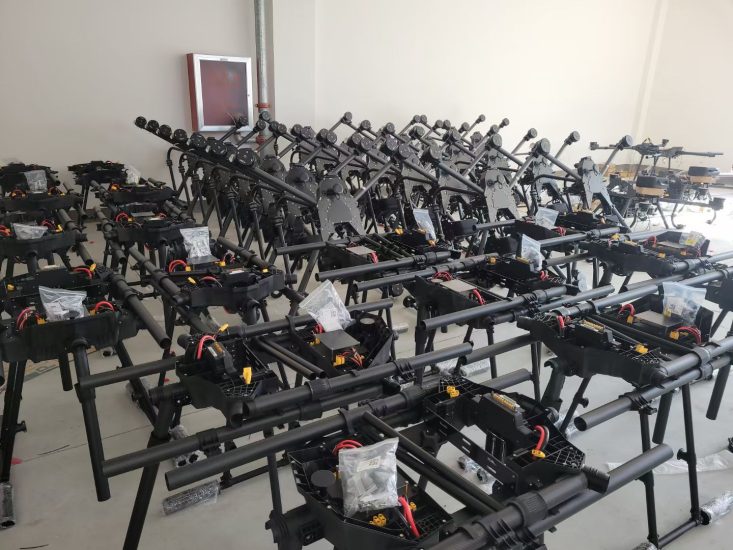
Agricultural drones include large components, batteries, chargers, accessories, and other equipment.
Packaging should protect the equipment during international transportation.
Importers should confirm:
- Carton dimensions
- Gross weight
- Net weight
- Number of packages
- Wooden case requirements
- Battery shipping requirements
- Packaging materials
- Loading method
- Product labeling
Battery transportation can involve additional shipping requirements depending on the battery type, transport mode, and destination.
These details should be confirmed before the shipment is arranged.
15. Verify Applicable Local Requirements
Importers should check the regulations that apply in their destination market before placing a large order.
Depending on the country and intended use, requirements may relate to:
- Drone registration
- Flight permissions
- Operator qualifications
- Radio equipment
- Agricultural chemical application
- Import documentation
- Product labeling
- Battery transportation
- Safety requirements
Regulations can change over time, so importers should verify current requirements with the relevant local authorities or qualified compliance professionals.
A product that can legally operate in one country may require additional approval or documentation in another.
16. Build a Local Service System
Distributing agricultural drones involves more than selling the aircraft.
A professional distributor should consider establishing a local support system covering:
Sales → Training → Delivery → Installation → Operation → Maintenance → Spare Parts → Technical Support
Customers may need help with initial setup, flight planning, spraying parameters, battery management, and routine maintenance.
A local service capability can therefore be an important part of the distributor’s business model.
17. Train Operators Before Commercial Deployment
Agricultural drones should be operated by personnel who understand both drone operation and agricultural applications.
Training can cover:
- Pre-flight inspection
- Battery installation
- Takeoff and landing
- Flight planning
- Route setup
- Spray parameter adjustment
- Tank filling
- Emergency procedures
- Battery management
- Equipment cleaning
- Routine maintenance
Training should also emphasize safe operation and compliance with applicable local requirements.
A well-trained operator can reduce avoidable equipment damage and improve operational consistency.
18. Request a Complete Product Documentation Package
Before importing, distributors should request complete technical documentation.
Useful documents may include:
- Product specifications
- User manual
- Maintenance instructions
- Battery instructions
- Charger instructions
- Spare-parts list
- Packaging information
- Warranty terms
- Product photographs
- Technical drawings
- Electrical information where applicable
- Applicable compliance documentation
Complete documentation helps the distributor prepare product listings, sales materials, customer training, customs documentation, and after-sales support.
19. Compare Suppliers on More Than Price
Purchase price is important, but it should not be the only comparison factor.
A distributor should evaluate:
Product
- Technical specifications
- Product stability
- Configuration
- Manufacturing consistency
Supply
- Production capacity
- Lead time
- Order consistency
- Spare-parts availability
Support
- Technical assistance
- Training
- Warranty
- Troubleshooting
Customization
- OEM
- ODM
- Packaging
- Branding
- Configuration
Commercial Terms
- Minimum order quantity
- Payment terms
- Shipping arrangements
- Replacement policies
A slightly different purchase price can have a relatively small impact compared with long-term service and inventory costs.
20. Start With a Controlled Market Test
For a distributor entering a new agricultural drone market, it may be useful to begin with a controlled commercial test.
The distributor can evaluate:
- Customer response
- Actual operating performance
- Battery usage
- Spare-parts requirements
- Local service workload
- Import costs
- Operator feedback
- Crop-specific requirements
After the initial operating data is collected, the distributor can determine whether a larger order or different configuration is appropriate.
This approach can reduce the risk of building excessive inventory before understanding local demand.
21. Build Inventory Around Actual Demand
Agricultural drone inventory can include much more than complete aircraft.
A distributor may need to plan inventory for:
- Complete drones
- Batteries
- Chargers
- Propellers
- Motors
- Pumps
- Nozzles
- Filters
- Pipes
- Electronic components
- Other consumable parts
The ideal inventory structure depends on the number of drones sold and the operating conditions of customers.
High-use components should generally receive greater attention than rarely replaced parts.
22. Create a Clear Warranty Process
Before importing, distributors should understand exactly how warranty claims are handled.
Important questions include:
- What components are covered?
- What is the warranty period?
- Which conditions are excluded?
- How are defective parts identified?
- Are replacement parts provided?
- Who pays shipping?
- How is technical diagnosis performed?
- What information must the customer provide?
A clear warranty procedure reduces uncertainty for both the distributor and the end customer.
23. Agricultural Drone Buying Checklist for Importers
Before placing an order, review the following checklist.
Market
- [ ] Target customer defined
- [ ] Main crops identified
- [ ] Typical farm sizes researched
- [ ] Local regulations checked
- [ ] Expected demand estimated
Product
- [ ] Tank capacity confirmed
- [ ] Payload confirmed
- [ ] Spray width confirmed
- [ ] Pump performance confirmed
- [ ] Battery specifications confirmed
- [ ] Flight performance evaluated
- [ ] Charging system evaluated
Supply
- [ ] Production capacity confirmed
- [ ] Lead time confirmed
- [ ] MOQ confirmed
- [ ] Spare parts availability confirmed
- [ ] Packaging confirmed
Commercial
- [ ] Product price confirmed
- [ ] Shipping cost estimated
- [ ] Import costs estimated
- [ ] Taxes and duties checked
- [ ] Local distribution costs calculated
Support
- [ ] User manuals available
- [ ] Training available
- [ ] Technical support available
- [ ] Warranty terms confirmed
- [ ] Spare-parts procedure confirmed
Customization
- [ ] OEM options confirmed
- [ ] ODM options confirmed
- [ ] Branding requirements confirmed
- [ ] Packaging requirements confirmed
- [ ] Minimum order for customization confirmed
24. Final Considerations
Importing agricultural drones is a long-term business decision rather than a simple product purchase.
The most important factors include product performance, reliability, battery management, spraying capability, spare-parts availability, technical support, shipping requirements, local regulations, and total landed cost.
Distributors should select equipment according to the actual requirements of their target market instead of relying on a single specification or the lowest initial quotation.
A well-planned agricultural drone distribution program combines suitable equipment with professional training, reliable spare-parts supply, technical support, and an efficient local service network.
For importers and distributors looking for agricultural drone products, OEM/ODM manufacturing, or long-term commercial supply, the purchasing process should begin with a clear understanding of the target market and the operating requirements of the end users. This provides a stronger foundation for product selection, inventory planning, customer support, and sustainable market development.


No comments yet