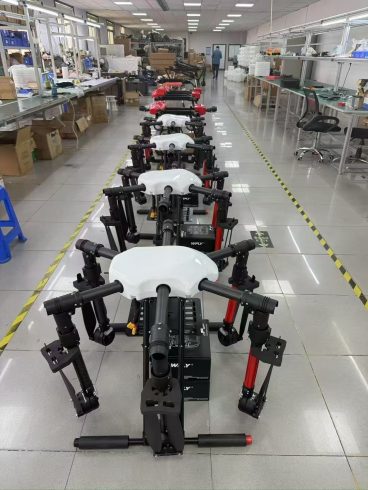


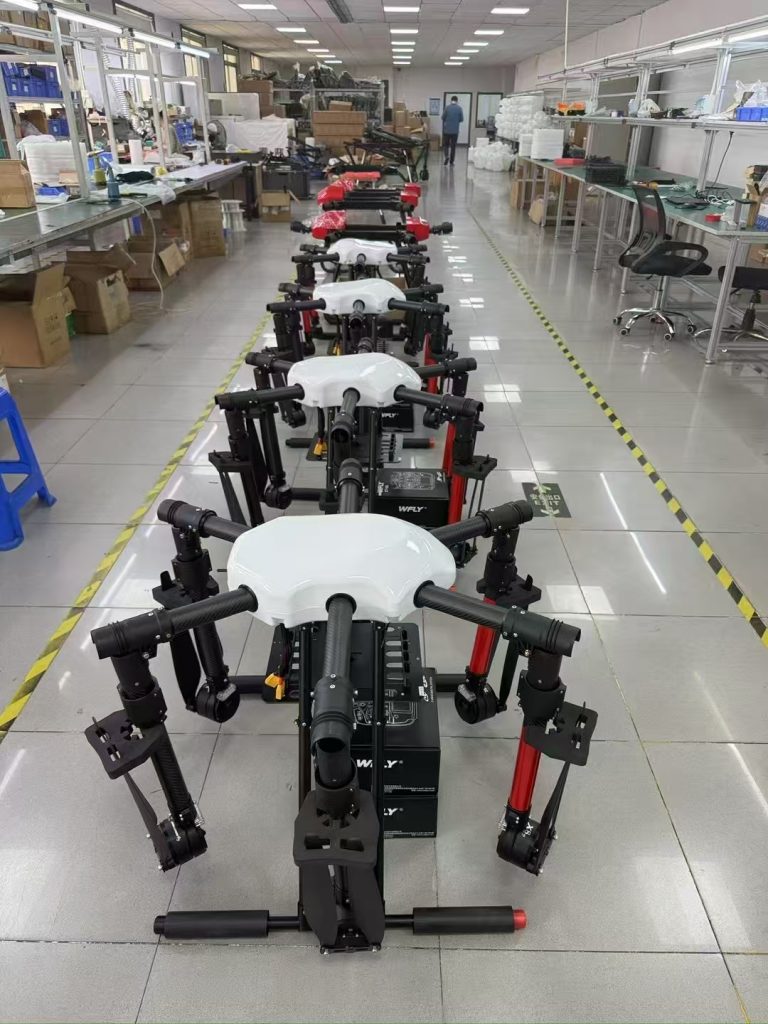
In the intricate web of global food systems, crop protection equipment stands as a silent guardian. From shielding tender seedlings against fungal blights to defending mature fields from voracious pests, these tools are the frontline defense in the battle to secure harvests—and by extension, human livelihoods. As climate change intensifies extreme weather, pest migrations, and disease outbreaks, the role of modern crop protection equipment has evolved from optional to indispensable, blending innovation with sustainability to feed a growing world.
Defining Crop Protection Equipment: More Than Just Sprays
At its core, crop protection equipment encompasses any tool, machine, or system designed to prevent, manage, or mitigate damage to crops from biotic (pests, diseases, weeds) and abiotic (drought, salinity, temperature stress) threats. This broad category spans traditional implements like handheld sprayers and mechanical weeders to cutting-edge technologies such as AI-powered disease detectors, drone-based precision applicators, and sensor-integrated irrigation systems.
What unites them is a shared purpose: to act as a bridge between farmers’ knowledge and the unpredictable challenges of nature. For a smallholder growing maize in Kenya, it might be a low-cost solar-powered insect trap; for a large-scale soybean farmer in Brazil, a GPS-guided sprayer that adjusts chemical output based on real-time field data. Regardless of scale, the goal remains the same: minimize losses, maximize yield, and preserve the land for future planting.
The Indispensable Role in Global Food Security
The stakes of crop protection are staggering. The Food and Agriculture Organization (FAO) estimates that pests and diseases destroy up to 40% of global crop production annually—enough to feed 2 billion people. Without effective equipment, this loss would cascade into higher food prices, increased hunger, and economic instability for farming communities.
Consider wheat rust, a fungal disease that has historically triggered famines. In the 1950s, susceptible wheat varieties lost 70% of their yield to rust until resistant cultivars and fungicide applicators became widely available. Today, portable spore traps (a type of crop protection equipment) allow farmers to monitor rust spread early, enabling timely intervention with targeted sprays. Similarly, in rice-growing regions of Southeast Asia, mechanical transplanting machines paired with integrated pest management (IPM) tools have reduced losses from stem borers by 30%, securing a staple food for millions.
Beyond immediate yield protection, crop protection equipment also supports long-term sustainability. By reducing reliance on blanket chemical applications, modern tools help preserve soil health, protect pollinators, and lower agriculture’s carbon footprint—key pillars of climate-smart farming.
Technological Evolution: From Brute Force to Precision Intelligence
The face of crop protection equipment has transformed dramatically in recent decades, driven by advances in digitalization, materials science, and biology.
1. Precision Application Systems
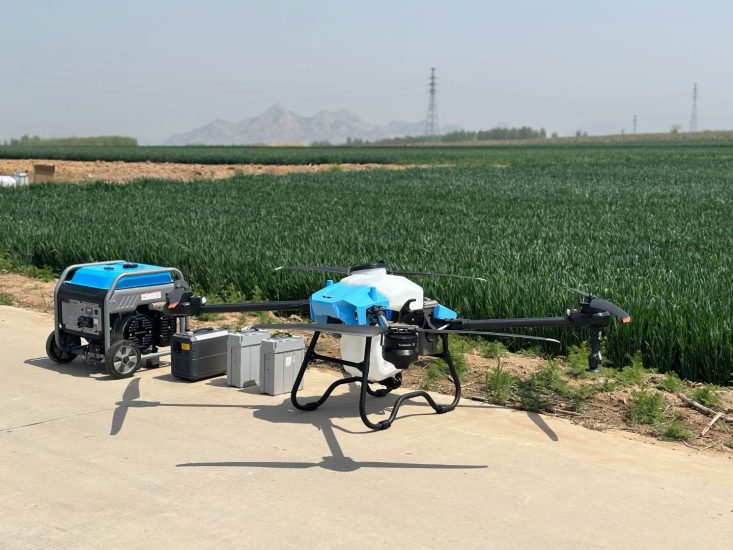
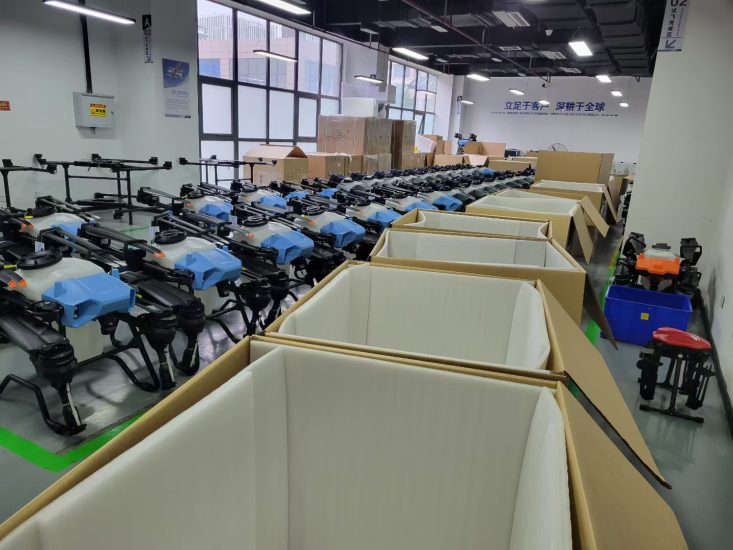
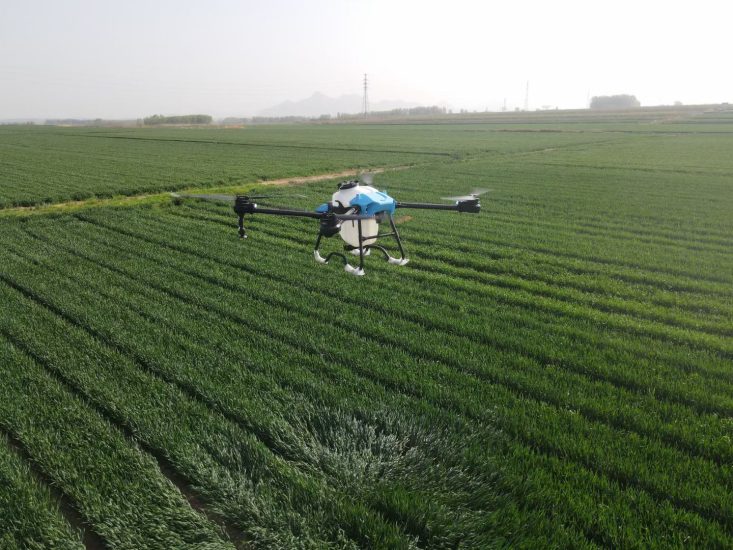
Gone are the days of uniform spraying. Today’s equipment uses sensors, GPS, and AI to deliver inputs (pesticides, fertilizers, water) only where needed. For example, variable-rate sprayers adjust nozzle output based on field maps showing pest hotspots or nutrient-deficient zones, cutting chemical use by 20–50% while maintaining efficacy. Drones equipped with multispectral cameras take this further, identifying stressed plants invisible to the naked eye and directing targeted sprays—ideal for irregularly shaped or hard-to-reach fields.
2. Biological and Physical Control Tools
Innovation has expanded beyond chemicals. Biological control equipment, such as pheromone dispensers that disrupt pest mating or biocontrol agent release systems (e.g., ladybug larvae for aphid management), offer eco-friendly alternatives. Physical tools like laser weeders—which use focused light to eliminate weeds without disturbing soil—are gaining traction among organic farmers, reducing tillage and preserving soil structure.
3. Remote Monitoring and Early Warning Systems
Sensor networks and IoT-enabled devices now let farmers “listen” to their fields. Soil moisture sensors trigger irrigation only when needed; weather stations paired with pest prediction algorithms send alerts for impending infestations. In India, a network of low-cost rain gauges and temperature loggers has helped cotton farmers avoid losses from bollworm outbreaks by timing sprays with peak pest vulnerability.
Challenges: Accessibility, Affordability, and Adaptation
Despite progress, crop protection equipment faces significant barriers. High upfront costs exclude many smallholder farmers, who often rely on outdated, inefficient tools. In sub-Saharan Africa, for instance, 70% of farmers still use manual sprayers, which waste up to 60% of chemicals due to poor targeting.
Climate change adds another layer of complexity. New pest species are migrating to previously unsuitable regions, rendering existing equipment less effective. For example, the fall armyworm—once confined to the Americas—has invaded African maize fields, requiring rapid adaptation of monitoring and control tools.
Moreover, misinformation and resistance persist. Some farmers overapply chemicals out of fear of loss, accelerating pest resistance and environmental harm. Education and extension services are critical to teaching proper equipment use, but these are often underfunded in rural areas.
The Future: Smart, Sustainable, and Inclusive
The next frontier of crop protection equipment lies in integration and inclusivity. Imagine a system where drone-collected field data feeds into AI models that recommend optimal equipment settings, or where biocontrol agents are deployed via autonomous ground robots. Such “smart farming ecosystems” could democratize access to advanced tools, especially if paired with pay-as-you-go models or government subsidies.
Sustainability will drive innovation too. Researchers are developing biodegradable spray nozzles, solar-powered equipment for off-grid areas, and tools that enhance natural pest predators (e.g., nesting boxes for parasitic wasps). Meanwhile, open-source designs and local manufacturing hubs are making basic equipment more affordable for marginalized farmers.
Conclusion
Crop protection equipment is more than a collection of tools—it is a lifeline for global agriculture. From ancient hand-held sickles to AI-driven drones, its evolution mirrors humanity’s quest to harmonize with nature. As the world confronts climate volatility and rising food demand, investing in accessible, intelligent, and sustainable crop protection equipment will be key to building resilient food systems. After all, protecting crops today ensures we can protect futures tomorrow.
THE END


No comments yet