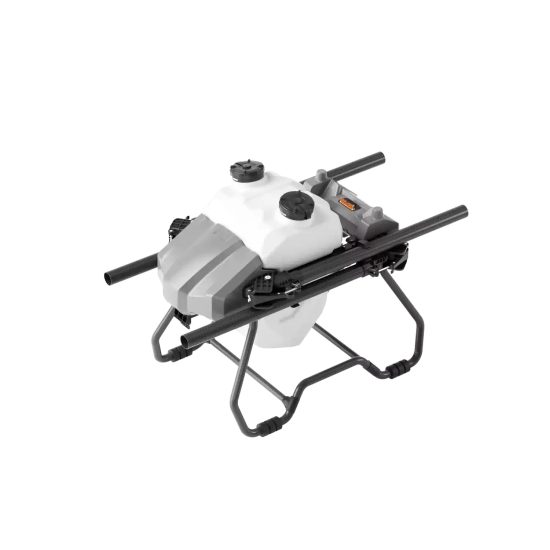



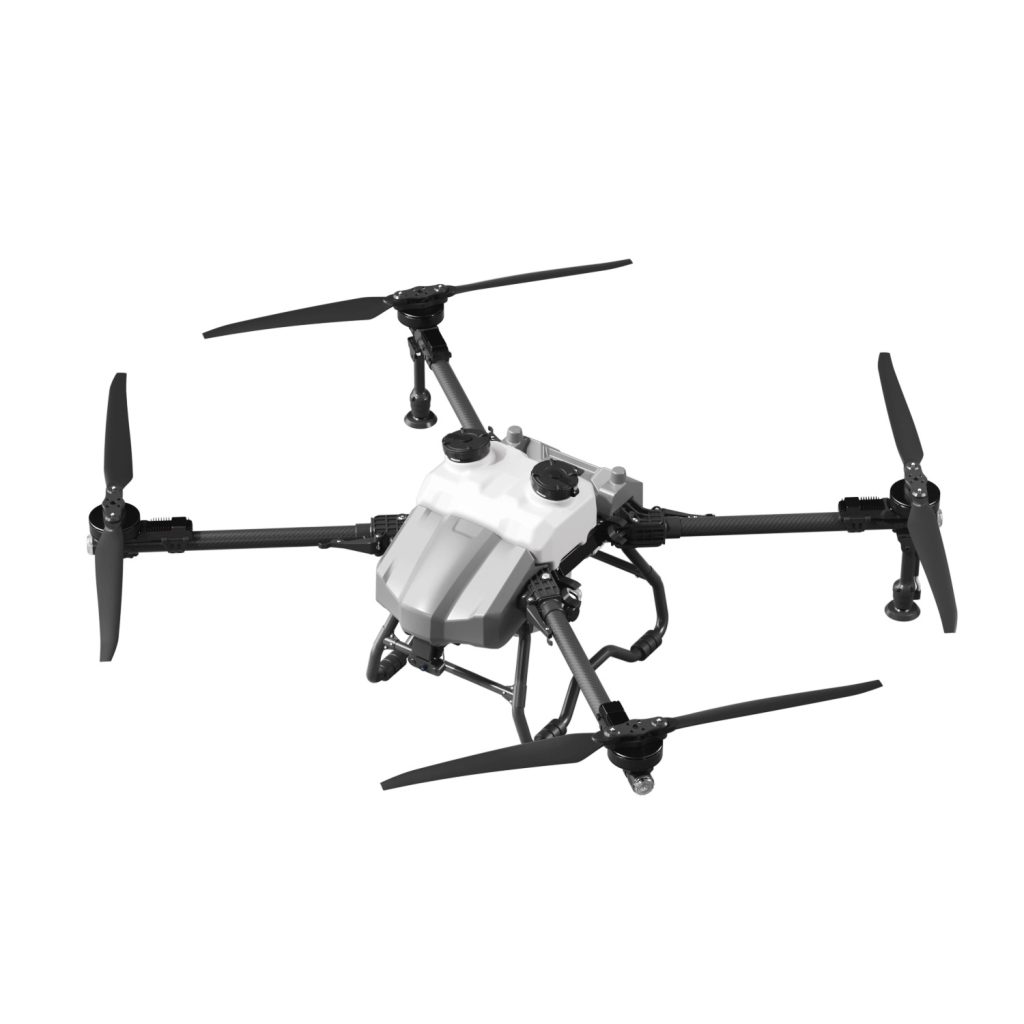

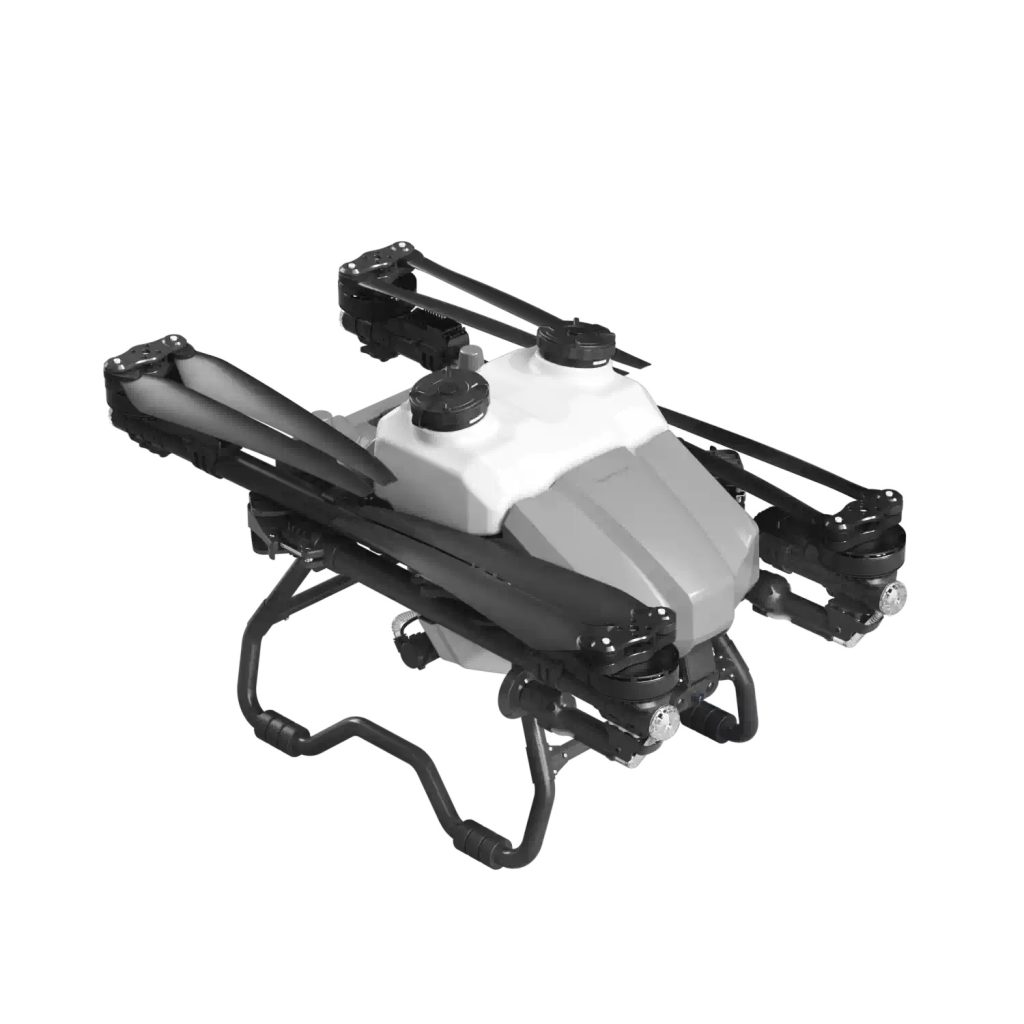
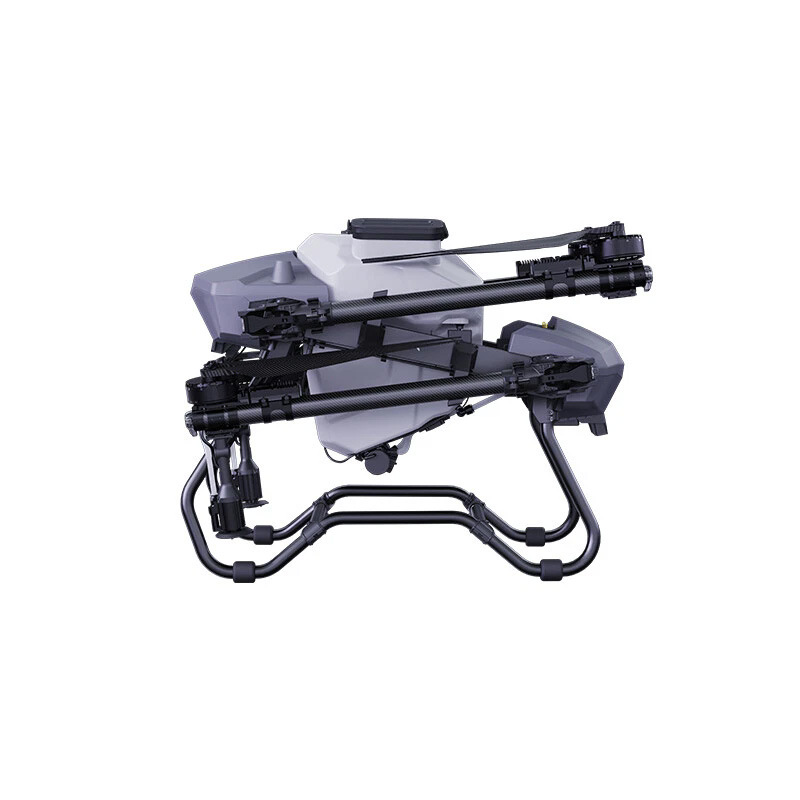
As large-scale farming operations continue to expand, efficiency, cost control, and productivity have become top priorities. Agricultural spray drones are emerging as a powerful solution for managing vast farmland with precision and speed. While the initial investment may seem significant, the long-term benefits often outweigh the costs.
In this article, we break down the real cost and benefits of using agricultural spray drones for large farms, helping you evaluate their return on investment (ROI).
Understanding the Cost of Agricultural Spray Drones
1. Initial Purchase Cost
The price of agricultural spraying drones varies depending on capacity, features, and brand.
Typical price ranges:
- Entry-level drones: $3,000 – $6,000
- Mid-range drones: $6,000 – $15,000
- High-end professional drones: $15,000 – $30,000+
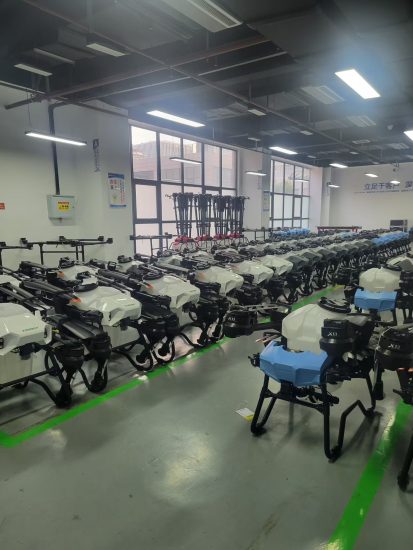
Large farms usually require high-capacity drones (20L–50L+) for maximum efficiency.
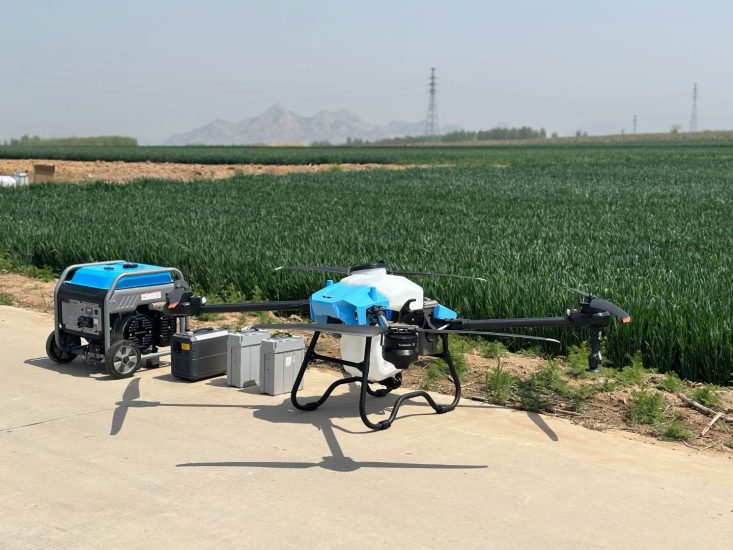
2. Battery and Charging Equipment
For continuous operation, multiple batteries are needed.
Estimated costs:
- Extra batteries: $500 – $1,500 each
- Fast chargers: $300 – $1,000
Professional farms often invest in several battery sets to avoid downtime.
3. Maintenance and Spare Parts
Regular maintenance ensures optimal performance.
Costs may include:
- Nozzle replacement
- Pump maintenance
- Motor servicing
Compared to heavy machinery, drone maintenance is generally lower.
4. Training and Operation
Operators need basic training to use drones effectively.
- Training programs: low to moderate cost
- Easy learning curve with modern systems
Some manufacturers also provide free training and support.
Key Benefits for Large Farms
1. Significant Labor Cost Reduction
Large farms typically require many workers for spraying operations.
With drones:
- One operator can manage multiple units
- Labor costs are drastically reduced
- Workforce dependency is minimized
This is especially valuable in regions facing labor shortages.
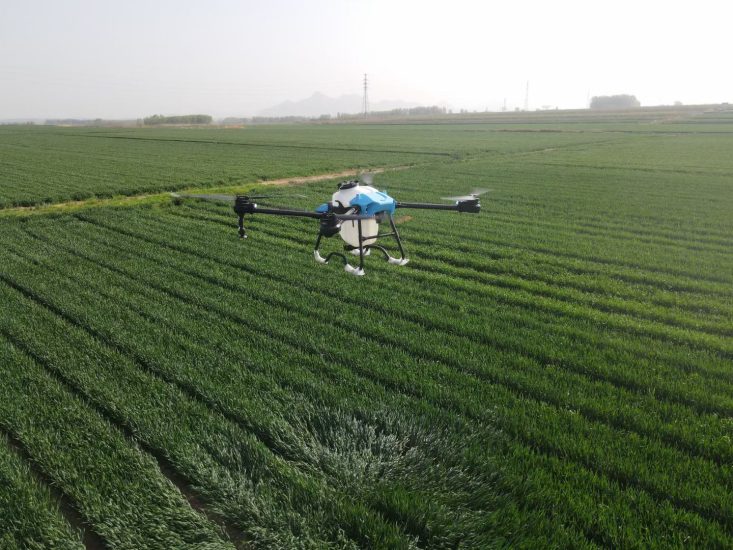
2. Faster Coverage of Large Areas
Time is critical in large-scale farming.
Drones can:
- Cover dozens of hectares per day
- Operate continuously with battery swapping
- Complete tasks much faster than manual or tractor spraying
This improves overall farm productivity.
3. Reduced Chemical Usage
Precision spraying ensures chemicals are applied only where needed.
Benefits include:
- Lower pesticide and fertilizer costs
- Less environmental impact
- Improved crop quality
Over time, this leads to substantial savings.
4. Increased Crop Yield
By improving spraying accuracy and timing, drones contribute to healthier crops.
- Better pest and disease control
- Uniform crop growth
- Higher overall yield
Even a small percentage increase in yield can generate significant profit for large farms.
5. Adaptability to Large and Complex Fields
Large farms often include diverse terrains.
Drones can:
- Operate in uneven or hard-to-reach areas
- Avoid crop damage caused by heavy machinery
- Maintain consistent performance across all field types
6. Data-Driven Farm Management
Modern agricultural drones collect valuable field data.
Farmers can:
- Monitor crop health
- Analyze field conditions
- Optimize spraying strategies
This supports smarter decision-making and long-term efficiency.
ROI Analysis for Large Farms
Although the upfront investment may be high, the return on investment is strong.
Example ROI Factors:
- Labor savings over time
- Reduced chemical costs
- Increased crop yield
- Faster operations
Many large farms recover their investment within 1–2 farming seasons.
Comparing Cost vs Benefit
| Factor | Traditional Methods | Drone Spraying |
|---|---|---|
| Labor Cost | High | Low |
| Efficiency | Moderate | High |
| Precision | Low | High |
| Initial Cost | Low | High |
| Long-Term Cost | High | Low |
| Environmental Impact | Higher | Lower |
👉 Conclusion: Drones offer better long-term value for large farms
Future Trends for Large-Scale Farming
Agricultural drones are becoming more advanced and scalable.
Future developments include:
- Drone swarm operations (multiple drones working together)
- AI-powered crop analysis
- Integration with smart farm systems
- Fully automated farm management
These innovations will further reduce costs and increase efficiency.
Conclusion
For large farms, agricultural spray drones are not just a technological upgrade—they are a strategic investment. While the initial cost may be higher than traditional methods, the long-term benefits in labor savings, efficiency, and crop yield make drones a highly profitable solution.
As agriculture continues to evolve, adopting drone technology is essential for staying competitive and maximizing farm performance.
Tags:
agricultural drone cost, farm drone ROI, spraying drone for large farms, UAV agriculture cost analysis, precision farming investment, crop spraying drone benefits, agriculture automation cost, smart farming ROI, pesticide drone savings, large farm drone solution


No comments yet