



Introduction
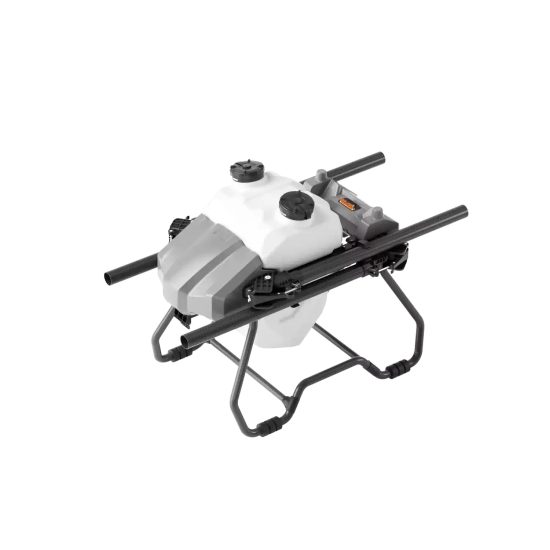
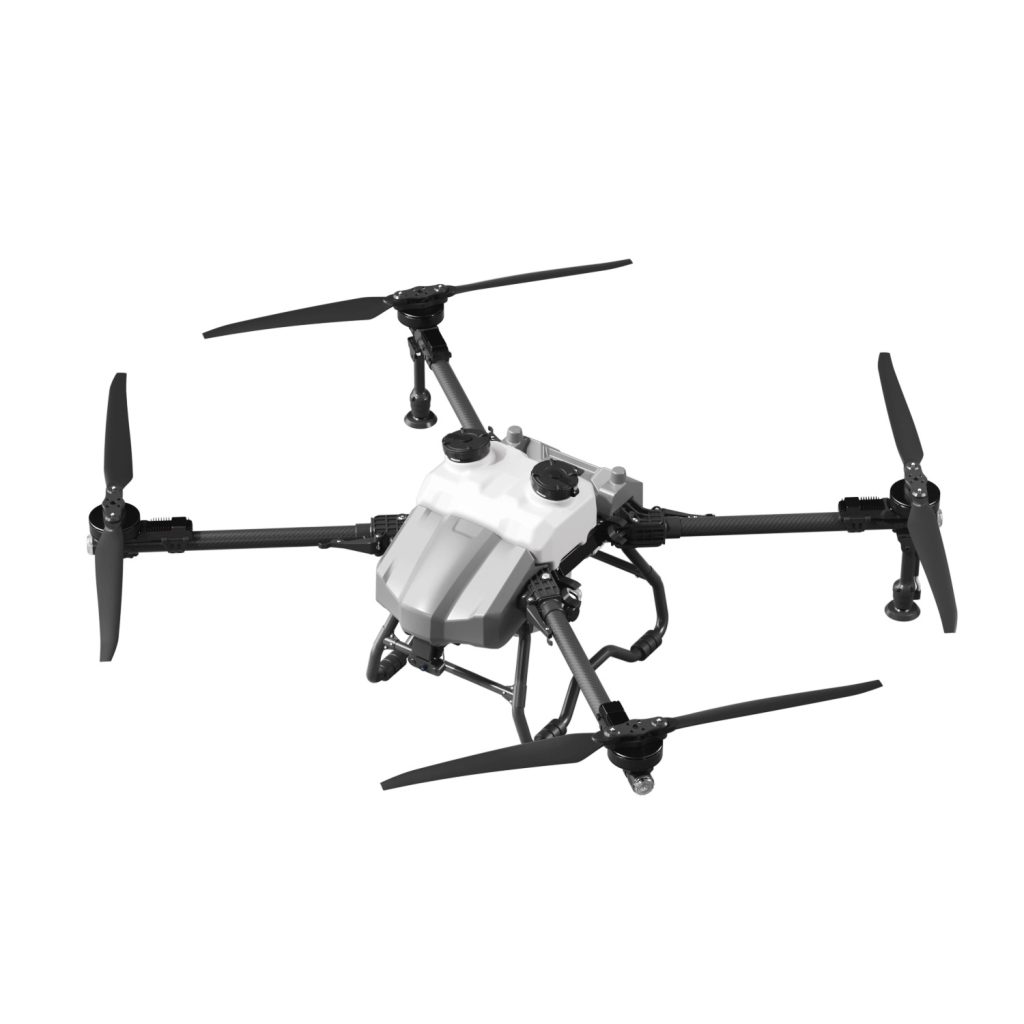
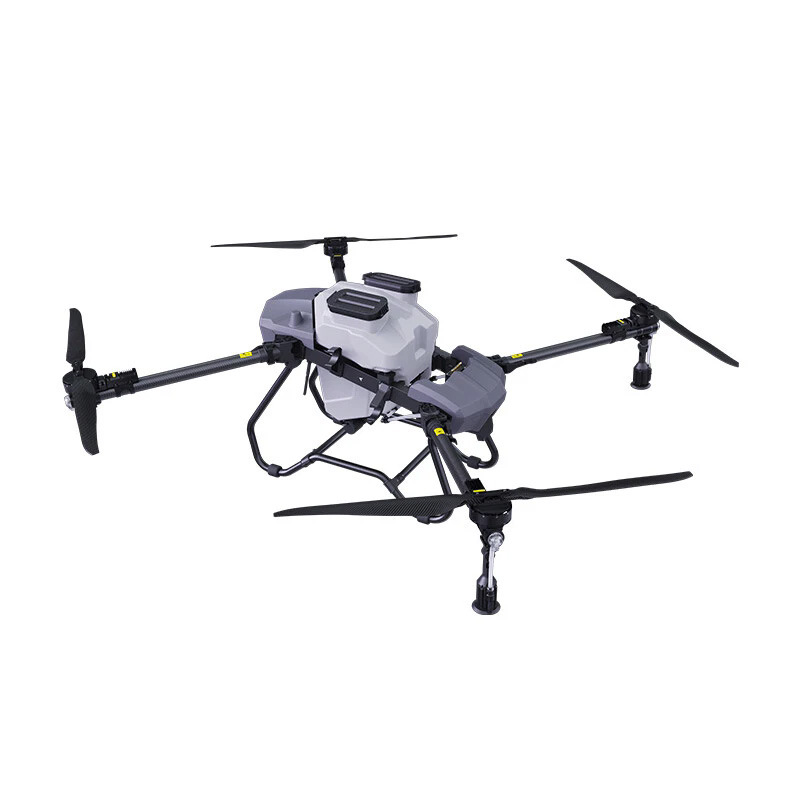
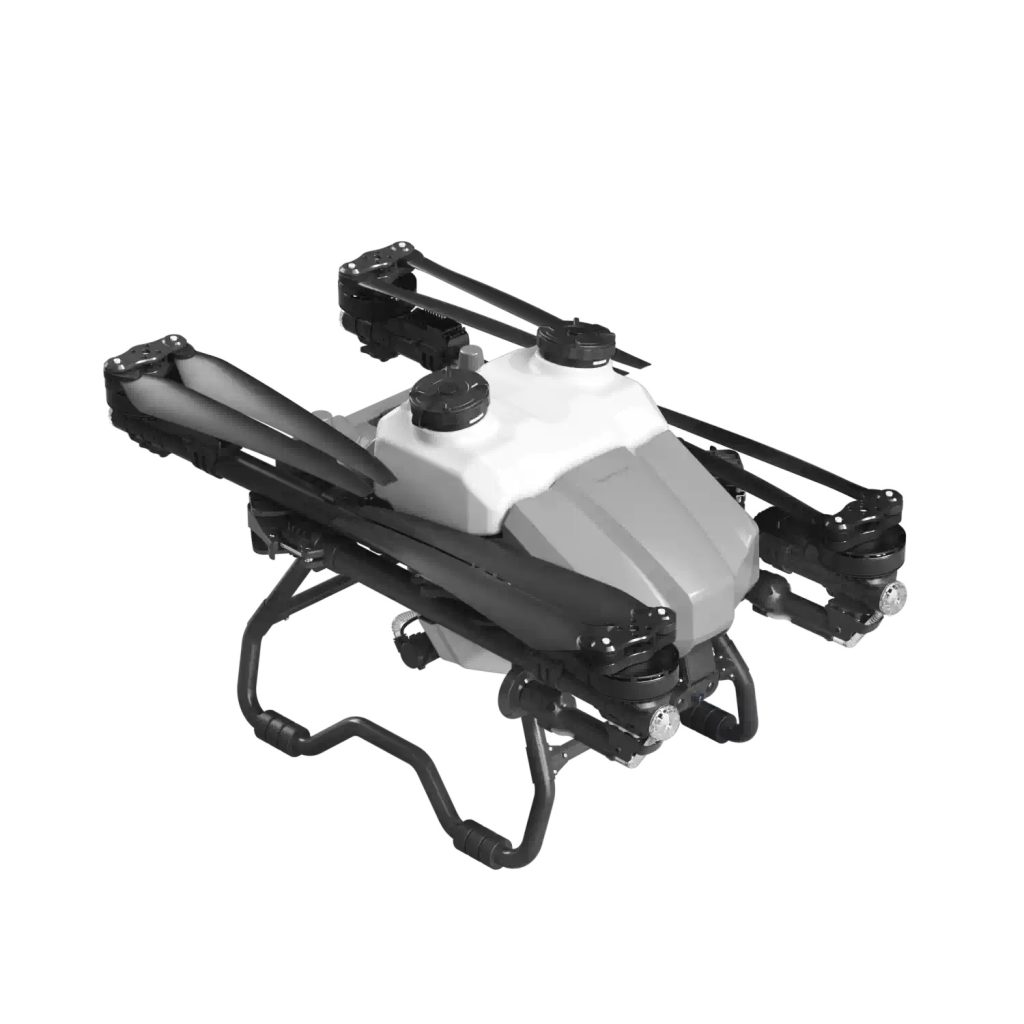
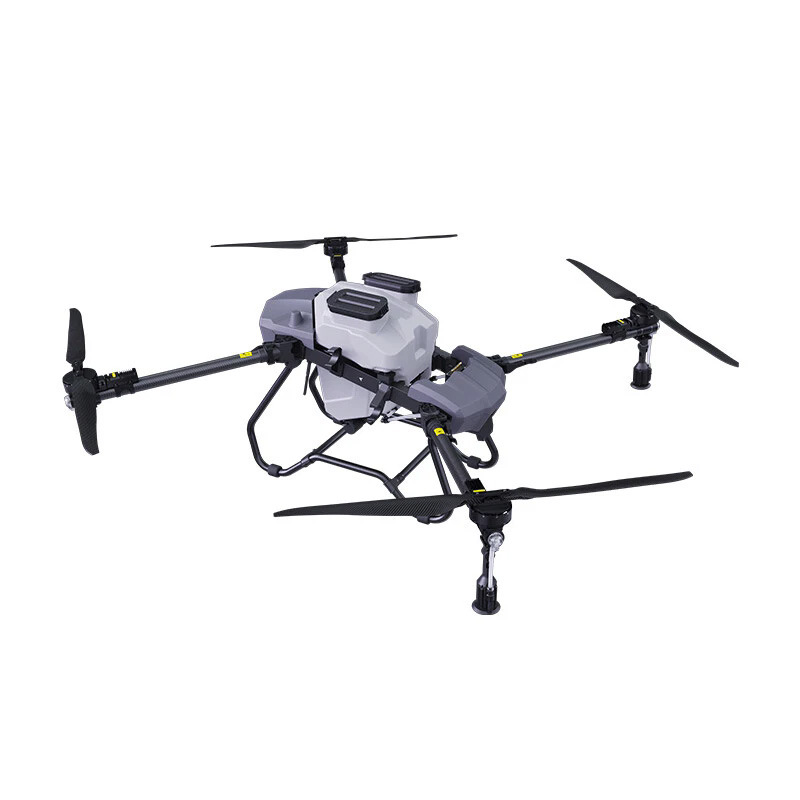
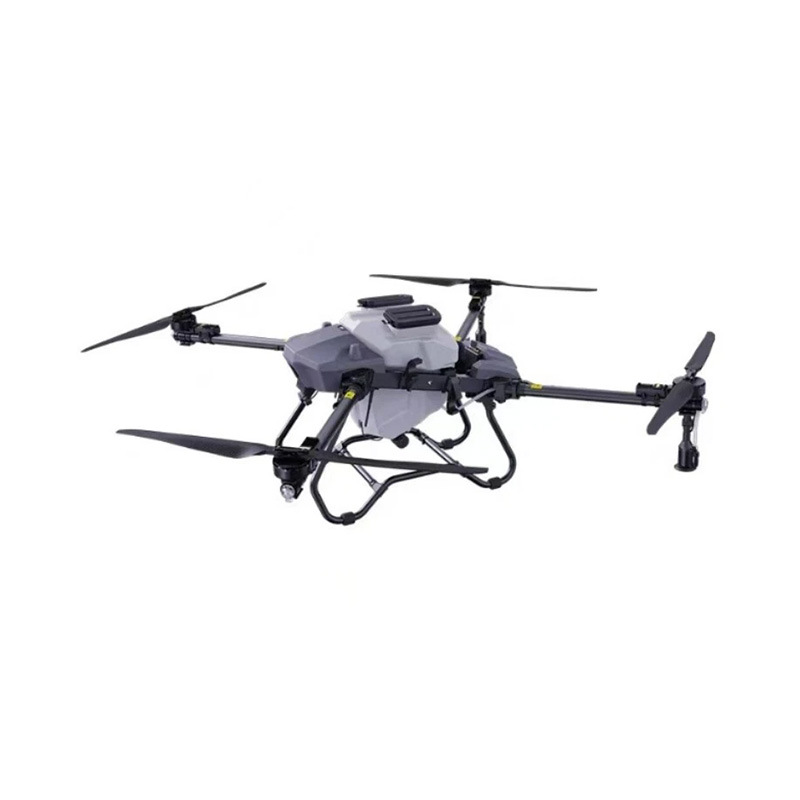
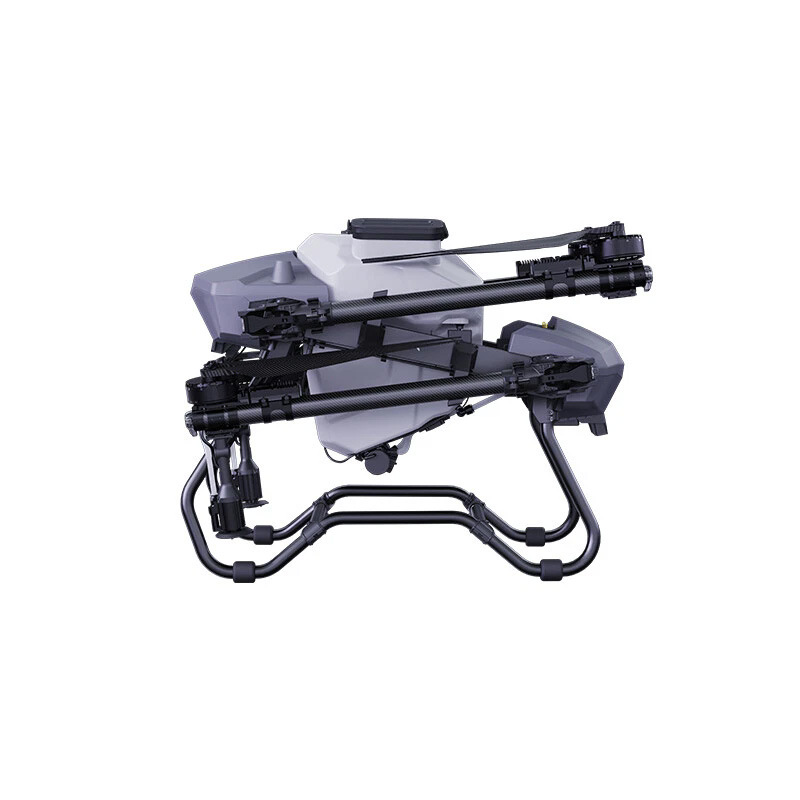
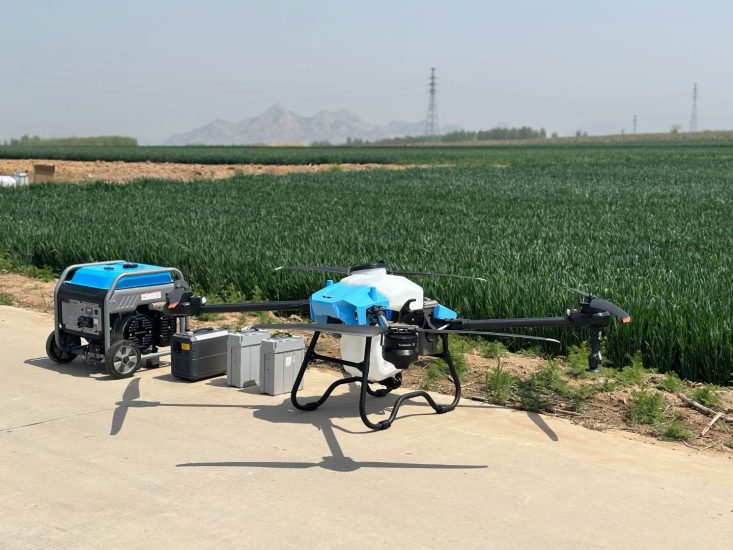
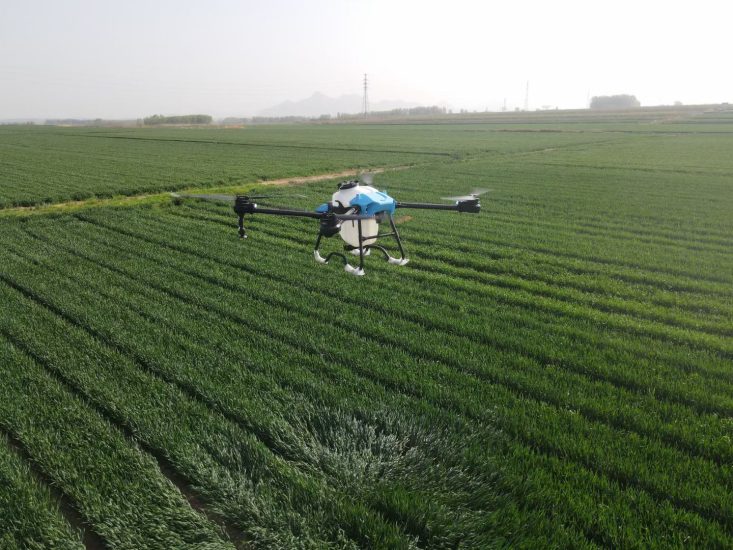
The global agricultural industry is rapidly shifting toward automation and precision farming. Among the most influential technologies driving this change are plant protection drones—also known as agricultural spraying UAVs. These drones are widely used for pesticide spraying, fertilizer application, weed control, and crop monitoring.
China has become the world’s leading manufacturing hub for agricultural drones. However, for international buyers, the key challenge is not just finding a supplier, but building a reliable global export solution—covering logistics, compliance, customization, after-sales service, and long-term cooperation.
This article provides a complete 2026 guide to Chinese plant protection drone suppliers and their global export solutions, helping importers, distributors, and agricultural businesses understand how to successfully source and scale drone operations worldwide.
Why China Dominates the Global Agricultural Drone Export Market
China’s leadership in agricultural UAV exports is not accidental. It is built on several strong industrial foundations.
1. Complete Industrial Chain
China has a fully developed UAV ecosystem that includes:
- Drone frames (carbon fiber and aluminum alloy)
- Flight control systems
- GPS/RTK modules
- Spraying pumps and nozzles
- Lithium battery systems
- AI-based software systems
This complete supply chain allows manufacturers to produce drones at lower cost and higher efficiency.
2. Strong Manufacturing Capacity
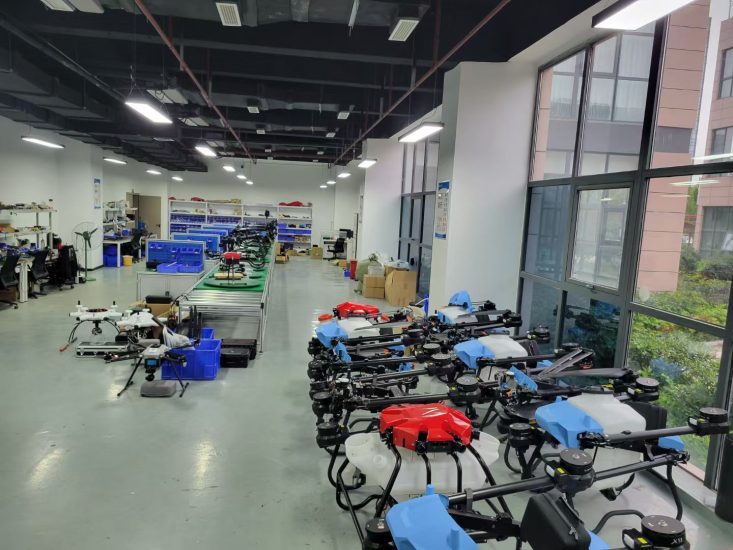
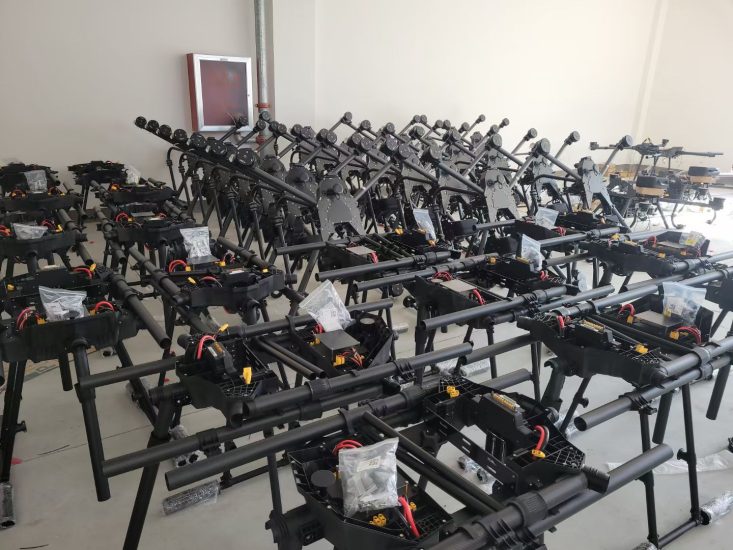
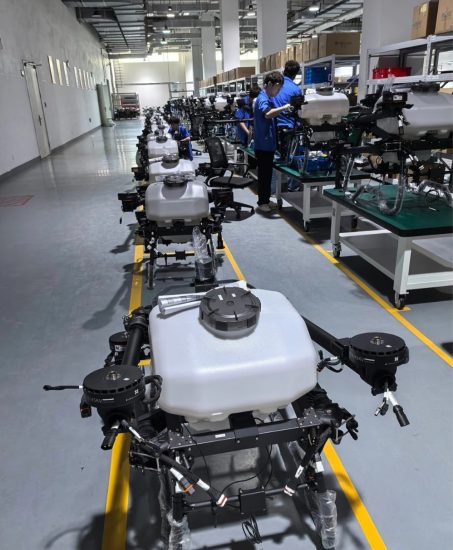
Chinese factories are capable of:
- Mass production for global distribution
- OEM/ODM customization for brands
- Fast prototype development
- Scalable production for large government projects
This flexibility is essential for global export operations.
3. Rapid Technology Evolution
Chinese agricultural drones continuously improve in:
- Intelligent flight planning
- RTK centimeter-level positioning
- Obstacle avoidance systems
- AI crop analysis
- Autonomous spraying algorithms
Even mid-range models now include advanced automation features.
4. Export-Oriented Business Model
Most Chinese drone manufacturers are built for international markets, meaning they:
- Understand global shipping regulations
- Support multilingual communication
- Offer international certifications (CE, FCC, etc.)
- Provide global after-sales systems
What Is a Global Export Solution in Agricultural Drone Industry?
A global export solution is more than just shipping products overseas. It is a complete system that includes:
- Product manufacturing
- Quality control
- Customization (OEM/ODM)
- International certification
- Logistics and shipping
- Customs clearance support
- After-sales service
- Training and technical support
A reliable Chinese supplier should be able to provide all these services in one integrated system.
Key Components of a Successful Export Solution
1. Product Standardization for Global Markets
Different countries have different agricultural conditions and regulations. Export-ready drones must be:
- Modular in design
- Compatible with multiple environments
- Adjustable for different crops
- Compliant with international safety standards
Standardization ensures easier global deployment.
2. OEM and ODM Customization Services
Brand customization is a key part of global expansion.
OEM Services Include:
- Logo printing
- Packaging design
- Product labeling
ODM Services Include:
- Hardware modifications
- Software interface changes
- Spray system upgrades
- Structural redesign
This allows global distributors to build their own agricultural drone brands.
3. International Certification Compliance
To enter global markets, drones often require certifications such as:
- CE certification (Europe)
- FCC certification (USA)
- RoHS compliance
- Aviation safety approvals (varies by country)
Professional Chinese suppliers usually assist with documentation and testing.
4. Global Logistics and Shipping Solutions
Export logistics is a critical part of the supply chain.
Common shipping methods include:
- Air freight (fast delivery)
- Sea freight (bulk orders)
- Express courier (samples and small orders)
A strong supplier provides:
- Secure packaging
- Battery shipping compliance
- Customs documentation
- Door-to-port or door-to-door services
5. After-Sales Service System
Global buyers require continuous technical support.
A complete after-sales system includes:
- Remote technical assistance
- Spare parts supply chain
- Software updates
- Repair guidance
- Online training resources
Without after-sales support, international operations become risky.
6. Training and Technical Support
Agricultural drones require proper operation training.
Chinese suppliers often provide:
- Online training videos
- Operation manuals
- Remote video guidance
- On-site training (for large projects)
Proper training ensures safe and efficient usage.
Global Market Demand for Agricultural Drones
1. Asia-Pacific Region
Countries like Thailand, Vietnam, and India are rapidly adopting drone agriculture due to:
- Large agricultural land areas
- Labor shortages
- Government subsidies
2. Africa
African agriculture is highly dependent on manual labor. Drones help:
- Reduce pesticide costs
- Increase farming efficiency
- Improve crop protection
3. Latin America
Countries like Brazil and Argentina use drones for:
- Large-scale soybean and corn farming
- Precision spraying
- Plantation management
4. Europe
Europe focuses on:
- Precision agriculture
- Environmental protection
- Chemical reduction strategies
How Chinese Suppliers Build Export Solutions
Step 1: Market Analysis
Suppliers analyze target markets:
- Crop types
- Farm size
- Local regulations
- Climate conditions
Step 2: Product Configuration Matching
Different regions require different drone configurations:
- Hot climates → heat-resistant batteries
- Large farms → high payload capacity drones
- Mountain regions → terrain-following systems
Step 3: Custom Branding Development
Suppliers support:
- Brand identity design
- Packaging localization
- Language customization
Step 4: Logistics Planning
Export solutions include:
- Battery-safe shipping compliance
- Optimal transport routes
- Customs clearance documents
Step 5: Technical Support Setup
Global support systems include:
- Online service centers
- Spare parts warehouses
- Regional distributors
Advantages of Chinese Global Export Solutions
1. Cost Efficiency
Direct factory pricing reduces overall investment cost.
2. High Scalability
Suppliers can handle:
- Small distributors
- Large government projects
- Global agricultural companies
3. Technology Accessibility
Even small buyers can access advanced drone systems.
4. Fast Production and Delivery
Efficient manufacturing ensures short lead times.
5. Flexible Cooperation Models
Including:
- OEM partnerships
- Distributor agreements
- Project-based supply
Common Challenges in Global Drone Export
1. Regulatory Differences
Each country has different drone laws and import requirements.
2. Logistics Complexity
Battery shipping regulations can be strict in some regions.
3. Technical Training Barriers
Operators in different countries may have varying skill levels.
4. After-Sales Distance
Remote support requires strong communication systems.
How to Choose a Reliable Export Supplier in China
1. Check Export Experience
Look for suppliers with proven international delivery records.
2. Evaluate Technical Strength
Strong R&D ensures long-term product stability.
3. Confirm Certification Support
Ensure supplier can assist with required certifications.
4. Test Sample Units
Always verify product performance before bulk purchase.
5. Review After-Sales System
Check availability of:
- Spare parts
- Technical support
- Training resources
Future Trends in Global Agricultural Drone Export (2026+)
1. AI-Driven Export Systems
Future drones will automatically adjust spraying strategies based on AI analysis.
2. Fully Digital Supply Chains
From order to delivery, everything will be managed digitally.
3. Drone-as-a-Service (DaaS)
Instead of selling drones, suppliers will offer service-based models.
4. Expansion of Smart Farming Ecosystems
Drones will integrate with:
- Satellites
- Sensors
- Farm management platforms
Business Opportunities for Global Buyers
International buyers can benefit from:
- Agricultural drone distribution
- Local spraying service businesses
- OEM brand development
- Government project supply
China’s export ecosystem enables easy entry into this growing market.
Frequently Asked Questions (FAQ)
1. Can Chinese suppliers handle global shipping?
Yes, most professional suppliers have international logistics experience.
2. Do they support OEM branding?
Yes, OEM and ODM services are widely available.
3. Are agricultural drones legal in all countries?
Regulations vary, but suppliers usually help with compliance documentation.
4. How long does export delivery take?
Typically 7–30 days depending on order size and shipping method.
5. Can I get technical training remotely?
Yes, most suppliers provide online training support.
Conclusion
Chinese plant protection drone suppliers have developed comprehensive global export solutions that go far beyond simple manufacturing. They now provide complete ecosystems covering production, customization, logistics, certification, training, and after-sales support.
In 2026, global agriculture will continue shifting toward smart farming technologies, and Chinese suppliers will remain at the center of this transformation.
For international buyers, success depends on choosing the right partner—one that offers not only drones, but a complete and scalable global export solution.


No comments yet