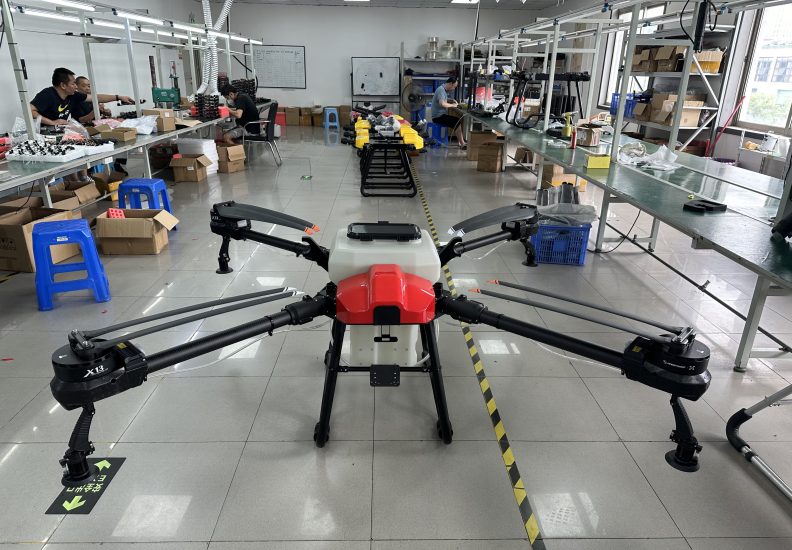


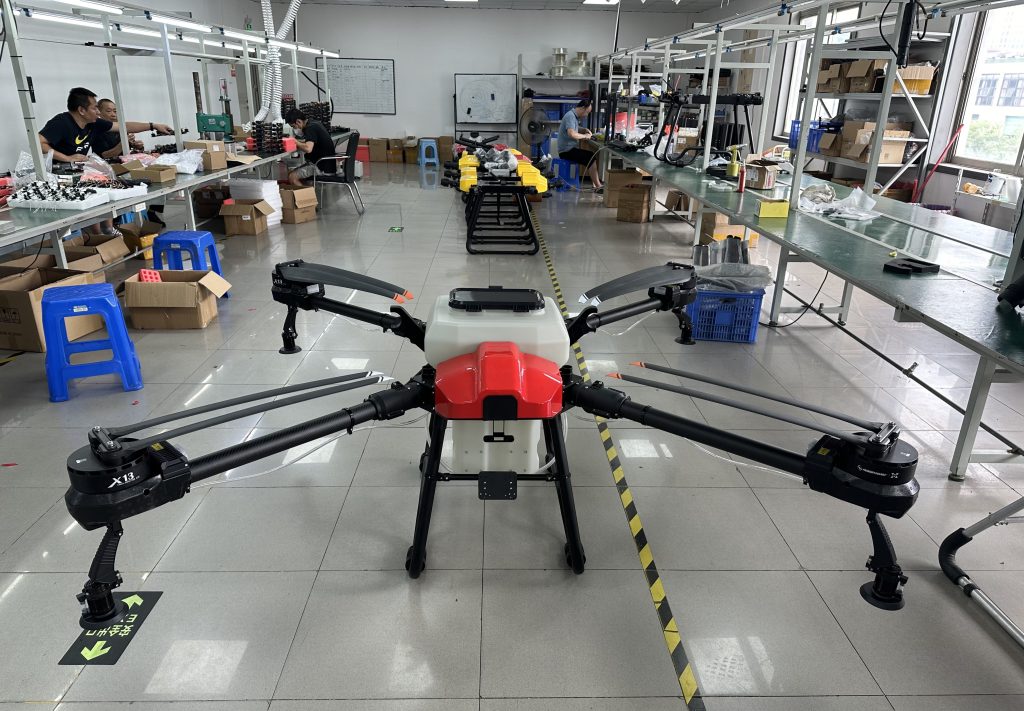
Agricultural spraying drones are becoming an increasingly practical tool for modern crop management. For farms, agricultural service providers, distributors and equipment importers, choosing the right manufacturer is more important than simply comparing the advertised price or tank capacity.
A professional spraying drone needs to combine flight stability, spraying performance, payload capacity, battery management, navigation, operational efficiency, maintenance and technical support.
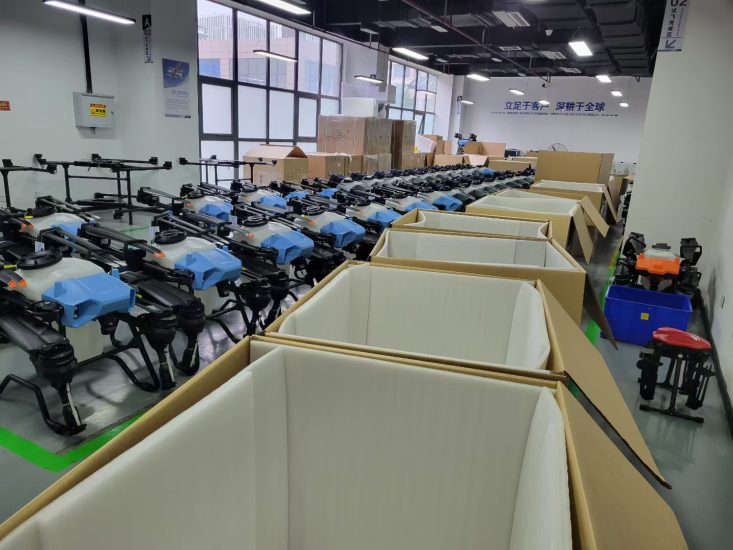
MSOEN is a professional UAV manufacturer focused on agricultural spraying drones, fertilizer-spreading drones, mapping drones, aerial imaging drones and customized UAV solutions. The company also provides OEM and ODM manufacturing services for international customers.
Official website:
What Is a Professional Agricultural Spraying Drone?
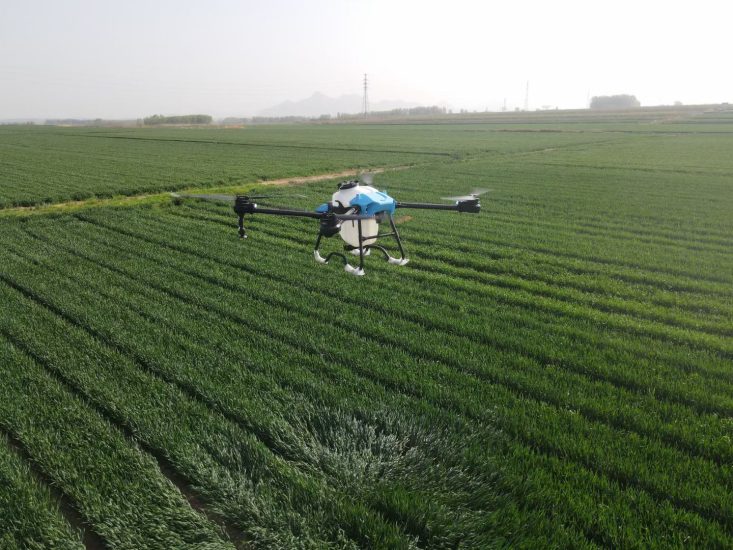
An agricultural spraying drone is an unmanned aerial vehicle equipped with a liquid tank, pump, nozzles and flight-control system for applying approved agricultural products to crops.
A complete spraying system normally includes:
- UAV airframe
- Flight controller
- Navigation system
- Remote controller
- Agricultural spraying tank
- Pump
- Nozzles
- Filters
- Pipes
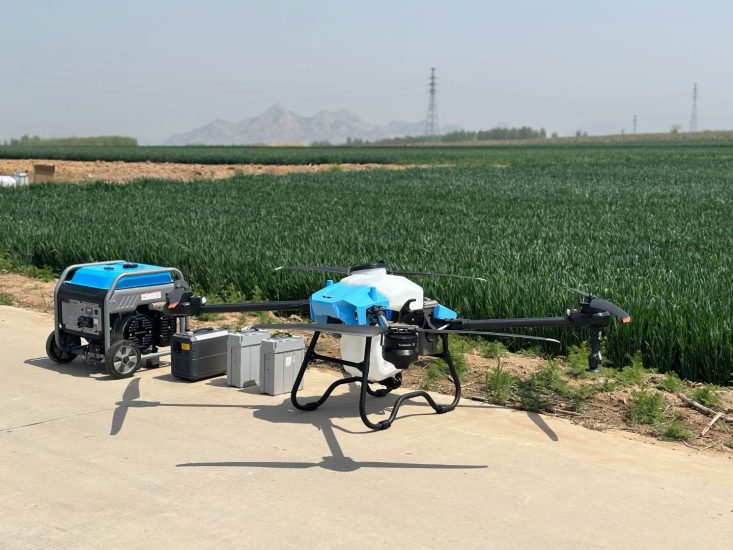
- Intelligent battery
- Charger
- Software or flight-planning system
The drone can be manually operated or use automated flight functions, depending on its configuration.
The objective is to help agricultural operators complete spraying work more efficiently while maintaining controlled application parameters.
Why Choose an OEM & ODM Agricultural Drone Manufacturer?
For distributors and agricultural equipment companies, buying standard products is not always enough.
Different markets may require different:
- Tank capacities
- Spray systems
- Battery configurations
- Software languages
- Product appearance
- Packaging
- Branding
- Accessories
- Operating functions
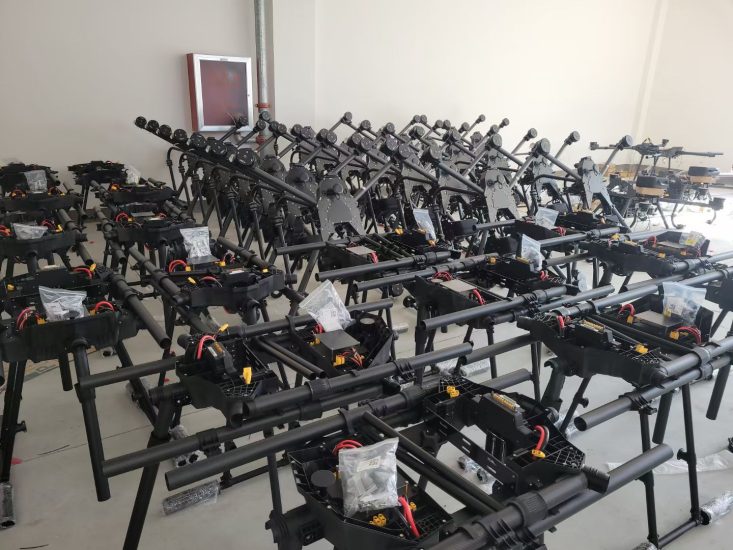
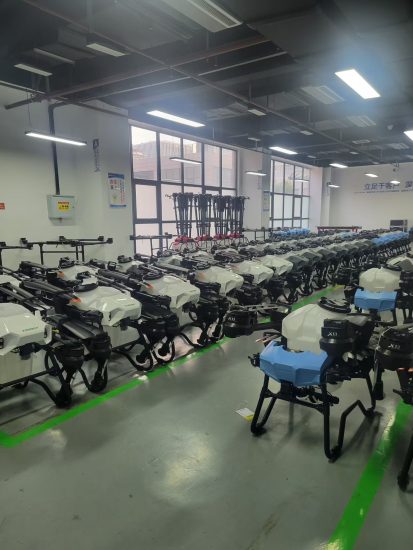
MSOEN supports OEM and ODM agricultural drone manufacturing, including customization of branding, hardware configuration and project-specific requirements.
OEM Manufacturing
OEM cooperation is suitable when a buyer already has defined product requirements but needs manufacturing support.
Possible OEM services can include:
- Brand logo
- Product labeling
- Packaging
- User manuals
- Product configuration
- Market-specific documentation
ODM Manufacturing
ODM is more suitable when the buyer requires deeper product customization.
Depending on the project, this can involve:
- Airframe design
- Payload configuration
- Spraying system
- Hardware modifications
- Software requirements
- Product appearance
- Functional optimization
The exact customization scope, MOQ, development time and engineering requirements should be confirmed before production.
Agricultural Spraying Drone Applications
MSOEN agricultural drone solutions can be used for different types of farming operations.
Rice Fields
Rice fields are an important application because conventional ground equipment can have difficulty operating in wet or muddy conditions.
Aerial spraying can allow operators to treat the field without driving heavy equipment directly through the crop.
Wheat and Corn
Large open fields can benefit from route planning and automated flight functions.
The operator can define an appropriate working route and adjust spraying parameters according to crop conditions and the agricultural product being applied.
Fruit Orchards
Orchards require more careful flight planning because trees can have different heights, canopy densities and row spacing.
The appropriate flight altitude, speed and spraying parameters should be determined according to actual orchard conditions.
Plantations
Plantations may involve large areas and uneven terrain.
Aerial equipment can provide another option where conventional ground-based spraying is difficult or inefficient.
Important Specifications to Evaluate
When purchasing an agricultural spraying drone, buyers should evaluate the complete system rather than one specification.
1. Payload Capacity
Tank capacity affects how much liquid can be carried per flight.
MSOEN states that its agricultural drone range can cover different payload configurations, with published information indicating models from smaller capacities through larger agricultural platforms.
The correct capacity depends on:
- Farm size
- Crop type
- Terrain
- Refill distance
- Battery capacity
- Daily workload
A larger tank is not automatically the best choice because additional payload affects energy consumption and flight performance.
2. Spray Flow
The spraying system should provide appropriate control over liquid flow.
Important components include:
- Pump capacity
- Number of nozzles
- Nozzle type
- Filter system
- Pipe configuration
- Flow-control system
The actual application rate should always follow the requirements of the agricultural product, crop and local regulations.
3. Flight Time
Manufacturers may provide theoretical flight-time figures, but actual performance depends on:
- Payload
- Wind
- Temperature
- Flight speed
- Battery condition
- Terrain
- Operating mode
Therefore, buyers should request operating data under realistic spraying conditions instead of comparing maximum flight time alone.
4. Navigation
Navigation is particularly important when a drone is working over large agricultural areas.
Depending on the model, agricultural drones can incorporate functions such as:
- GPS positioning
- Automatic route planning
- Return-to-home
- Route memory
- Terrain following
- Obstacle detection
MSOEN’s agricultural drone information describes features including GPS automatic flight, terrain-following and route-memory functions on applicable configurations.
Buyers should confirm the exact functions included with their selected model.
Intelligent Agricultural Drone Operation
Modern agricultural drones can reduce the amount of manual control required during repetitive field operations.
A typical workflow can be:
Field survey → Route planning → Equipment inspection → Liquid filling → Takeoff → Automated spraying → Return → Battery replacement → Refilling
Automated route planning can help operators maintain more consistent flight paths.
However, automation does not eliminate the need for trained operators. Operators still need to monitor:
- Weather
- Wind
- Battery status
- Aircraft position
- Spray system
- Obstacles
- Field conditions
- Local regulatory requirements
Battery and Charging System
The battery system is one of the most important parts of a commercial agricultural drone.
A professional buyer should evaluate:
- Battery capacity
- Number of batteries required
- Charging time
- Charger output
- Battery management
- Battery replacement procedure
- Battery service life
- Storage requirements
For high-frequency agricultural operations, having an efficient battery rotation system can significantly affect daily productivity.
The drone should be evaluated as a complete operating system rather than as an aircraft alone.
Spraying Efficiency and Real-World Productivity
One common mistake is to calculate productivity only from theoretical flight speed.
Actual productivity depends on the complete cycle:
Filling time + flight time + spraying time + landing + battery replacement + refilling + repositioning
For example, two drones may have similar tank capacities but achieve different daily output because their battery systems, refill processes and flight planning are different.
For commercial operators, the more useful question is:
How many hectares can the complete system realistically treat during a normal working day?
The answer depends on field conditions and should be tested under the buyer’s actual operating environment.
Safety and Responsible Operation
Agricultural spraying drones must be operated responsibly.
Operators should:
- Follow local UAV regulations
- Maintain safe distances from people
- Avoid restricted airspace
- Check weather conditions
- Monitor wind
- Inspect the aircraft before operation
- Use appropriate protective equipment
- Handle agricultural chemicals according to their legal requirements
- Clean the spraying system after use
The drone manufacturer provides the aircraft and technical system, but the operator remains responsible for complying with local aviation and agricultural regulations.
Maintenance of an Agricultural Spraying Drone
Regular maintenance helps reduce downtime.
After spraying, operators should inspect and clean:
Spraying System
- Tank
- Pump
- Nozzles
- Filters
- Pipes
Flight System
- Propellers
- Motors
- Landing structure
- Aircraft frame
Electrical System
- Batteries
- Connectors
- Charger
- Wiring
Nozzles and filters deserve particular attention because contamination can affect spraying consistency.
Spare Parts and After-Sales Support
For professional agricultural operations, after-sales service is part of the product.
Before purchasing, ask the manufacturer about:
- Spare parts availability
- Technical manuals
- Maintenance instructions
- Troubleshooting support
- Battery replacement
- Pump and nozzle replacement
- Software updates
- Remote technical assistance
- Operator training
MSOEN states that it provides technical support, product consultation, manufacturing support and after-sales assistance for customers.
OEM & ODM Solutions for Distributors
MSOEN’s OEM and ODM services are particularly relevant to distributors and agricultural equipment businesses that want to establish or expand their own product line.
A customized project can potentially include:
Branding
Custom logo and product identification.
Packaging
Market-specific packaging and documentation.
Hardware
Different payload, spraying or structural configurations depending on technical feasibility.
Software
Language or interface requirements where supported.
Product Appearance
Customized appearance or color requirements.
Accessories
Configuration of appropriate batteries, chargers, nozzles and other components.
MSOEN describes OEM/ODM cooperation as supporting distributors, agricultural companies, brands and commercial project developers.
How to Select the Correct MSOEN Configuration
Before asking for a quotation, overseas buyers should prepare several basic details.
Crop Information
Tell the manufacturer:
- Rice
- Wheat
- Corn
- Vegetables
- Fruit trees
- Plantation crops
- Other crops
Farm Information
Provide:
- Total hectares or acres
- Average field size
- Terrain
- Field accessibility
- Average distance between refill points
Operating Requirements
Explain:
- Desired daily coverage
- Required tank capacity
- Spraying application
- Expected number of drones
- Battery requirements
Business Requirements
If you are a distributor, also provide:
- Target country
- Expected annual quantity
- OEM requirements
- Packaging requirements
- Local certification requirements
This information allows MSOEN to evaluate a more appropriate configuration instead of simply recommending a standard model.
What International Buyers Should Check Before Ordering
A professional purchasing process should include several stages.
Step 1: Confirm Product Specifications
Request a complete specification sheet.
Step 2: Confirm Configuration
Confirm exactly what is included:
- Drone
- Battery
- Charger
- Remote controller
- Spraying system
- Accessories
- Spare parts
Step 3: Confirm OEM Requirements
If customized branding is required, confirm:
- Logo
- Packaging
- Manuals
- MOQ
- Production time
Step 4: Confirm Export Requirements
Discuss:
- Packaging
- Shipping method
- Export documents
- Battery transportation requirements
Step 5: Confirm Local Compliance
Check the destination country’s UAV and agricultural regulations before commercial use.
Step 6: Confirm After-Sales Support
Ask how technical problems, spare parts and warranty issues will be handled.
Why MSOEN?
MSOEN focuses on UAV manufacturing and provides agricultural, industrial and customized drone solutions.
Its published capabilities include:
- Agricultural spraying drones
- Fertilizer-spreading drones
- Aerial imaging drones
- Mapping drones
- Industrial UAV platforms
- OEM manufacturing
- ODM development
- Technical support
- International cooperation
The company positions its products around practical applications rather than treating drones simply as consumer electronics.
For agricultural customers, this means evaluating the drone according to the actual farming operation, rather than selecting a product solely based on one advertised specification.
Frequently Asked Questions
What does OEM mean for agricultural spraying drones?
OEM means the drone is manufactured according to the buyer’s requirements and can incorporate the buyer’s branding or specified configuration.
What is ODM agricultural drone manufacturing?
ODM involves deeper product development and customization, potentially including hardware, software, structural and functional requirements.
Can MSOEN customize agricultural spraying drones?
Yes. MSOEN provides OEM and ODM drone manufacturing services, with customization options depending on the specific project.
What payload capacities are available?
MSOEN’s FAQ states that its agricultural drones can support different payload configurations ranging from smaller agricultural drones to large-capacity platforms, depending on the model.
The exact capacity should be confirmed for the selected model.
Can agricultural drones spray pesticides?
Agricultural spraying drones can be used to apply approved agricultural products when operated according to applicable product labels, agricultural regulations and UAV regulations.
Can the same drone spray fertilizer?
Some configurations can support spraying and spreading functions through modular systems. MSOEN states that many of its agricultural drones support modular spraying and spreading configurations.
Are agricultural spraying drones suitable for large farms?
Yes, agricultural drones can be suitable for large-scale farming, but actual productivity depends on tank capacity, battery rotation, refill logistics, terrain, weather and operator experience.
How can I contact MSOEN?
International buyers can visit the official MSOEN website for agricultural drone product information, OEM/ODM cooperation and quotation requests.
Conclusion
A professional agricultural spraying drone is more than an aircraft with a liquid tank. It is a complete agricultural operating system combining flight control, navigation, spraying technology, batteries, software, maintenance and technical support.
For distributors, importers, agricultural service companies and commercial farms, OEM and ODM manufacturing can provide additional flexibility when standard products do not fully match local market requirements.
MSOEN provides agricultural spraying drone manufacturing and OEM/ODM solutions for international customers, with configurations designed for different agricultural applications.
When choosing an agricultural drone manufacturer in China, focus on real operating requirements, complete system performance, customization capability, spare-parts support and long-term service rather than simply choosing the lowest-priced product.
For specifications, OEM/ODM requirements and current product information, visit www.msoen.com.


No comments yet