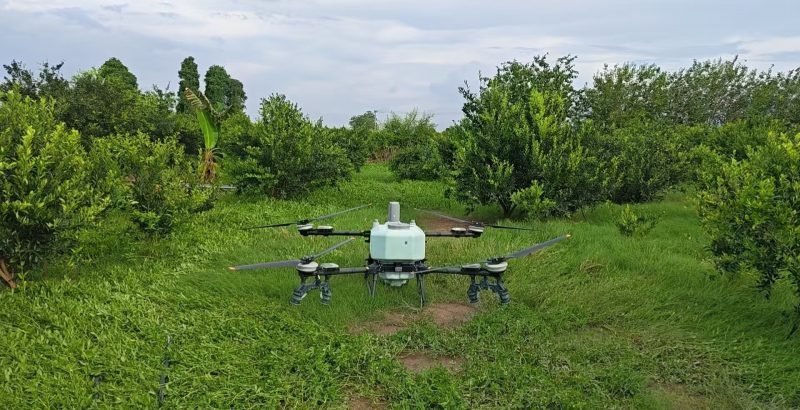



As precision agriculture expands worldwide, crop spraying drones have become one of the most valuable investments for farms, agricultural contractors, distributors, and government projects. These drones improve spraying accuracy, reduce labor costs, save water and pesticides, and increase operational efficiency.
China is the world’s leading producer of agricultural drones, supplying advanced UAV solutions to customers across Europe, North America, South America, Africa, Southeast Asia, and the Middle East. While Chinese manufacturers are known for competitive pricing, the cost of an agricultural drone can vary significantly depending on specifications, technology, accessories, certifications, and customization.
This guide explains the major factors that influence the pricing of crop spraying drones and provides practical advice for buyers seeking the best value.
Average Price Range of Crop Spraying Drones
The price of a crop spraying drone depends on its payload capacity, flight technology, battery configuration, and included accessories.
Typical market ranges are shown below (for reference only):
Payload Capacity |
Estimated Price (USD) |
|---|---|
20L |
$3,000–$6,000 |
30L |
$4,500–$8,000 |
40L |
$6,000–$10,000 |
50L |
$8,000–$13,000 |
70L |
$10,000–$18,000 |
Note: Prices vary depending on configuration, batteries, chargers, spare parts, order quantity, and OEM requirements.
Factor 1: Payload Capacity
Payload is one of the biggest pricing factors.
Generally:
-
Larger tanks require stronger motors.
-
Larger drones use bigger batteries.
-
Heavy payloads need stronger frames.
-
More powerful pumps increase cost.
A 50L agricultural drone naturally costs more than a 20L model because of its higher performance and larger components.
Factor 2: Flight Control System
Modern agricultural drones include sophisticated flight control technology.
Advanced systems may include:
-
GPS navigation
-
RTK centimeter-level positioning
-
Automatic route planning
-
Terrain following
-
Return-to-home
-
Automatic takeoff and landing
-
Intelligent waypoint missions
More advanced navigation systems generally increase the overall price but also improve spraying accuracy and operational efficiency.
Factor 3: Obstacle Avoidance Technology
High-end agricultural drones often integrate:
-
Millimeter-wave radar
-
Vision sensors
-
Front obstacle detection
-
Rear obstacle detection
-
Side obstacle detection
Obstacle avoidance reduces operational risks, especially in orchards and mountainous terrain, but adds to manufacturing costs.
Factor 4: Spraying System
The spraying system greatly affects both performance and price.
Important components include:
-
High-flow pumps
-
Precision nozzles
-
Flow sensors
-
Intelligent pressure control
-
Atomization technology
Premium spraying systems improve droplet uniformity and reduce chemical waste.
Factor 5: Battery System
Battery costs account for a significant portion of the total investment.
Smart lithium batteries may include:
-
High-capacity cells
-
Fast charging
-
Battery health monitoring
-
Temperature protection
-
Automatic balancing
-
Long cycle life
Buyers should also consider how many batteries are included in the package, as additional batteries increase productivity but also raise the purchase cost.
Factor 6: Charger Configuration
Charging equipment varies widely.
Options include:
-
Single-channel chargers
-
Dual-channel chargers
-
Fast chargers
-
Smart charging stations
Higher-performance chargers reduce downtime and improve operational efficiency.
Factor 7: Frame Materials
The drone frame affects durability, weight, and cost.
Common materials include:
-
Carbon fiber
-
Aviation-grade aluminum
-
Engineering plastics
Lightweight and corrosion-resistant materials typically cost more but offer longer service life.
Factor 8: Product Certifications
International certifications increase buyer confidence and facilitate import procedures.
Common certifications include:
-
CE
-
FCC
-
RoHS
-
ISO 9001
-
UN38.3
-
MSDS
Certification testing and compliance add development costs but are essential for many export markets.
Factor 9: OEM and ODM Customization
Private-label manufacturing influences pricing.
Typical OEM services include:
-
Custom logos
-
Product colors
-
Packaging
-
User manuals
-
Software branding
-
Remote controller branding
Customized production generally requires additional engineering, tooling, or packaging costs.
Factor 10: Order Quantity
Larger orders often receive better pricing.
For example:
-
Sample orders usually have the highest unit cost.
-
Small wholesale orders receive moderate discounts.
-
Large-volume purchases benefit from factory pricing and lower average costs.
Discuss volume discounts with the manufacturer before placing bulk orders.
Factor 11: Spare Parts Package
Some suppliers include spare parts in the quotation, while others price them separately.
Common spare parts include:
-
Propellers
-
Motors
-
ESCs
-
Pumps
-
Spray nozzles
-
Landing gear
-
Radar modules
-
Batteries
-
Chargers
Including essential spare parts in the initial purchase can reduce maintenance delays later.
Factor 12: Warranty and Technical Support
The level of after-sales support also influences pricing.
Professional manufacturers often provide:
-
Online technical support
-
Firmware updates
-
Maintenance guidance
-
Operator training
-
Remote diagnostics
-
Warranty service
A slightly higher purchase price may provide much greater long-term value through reliable support.
Shipping Costs
Transportation costs depend on several factors:
-
Destination country
-
Shipping method
-
Cargo dimensions
-
Gross weight
-
Battery regulations
-
Insurance requirements
Sea freight is generally more economical for bulk orders, while air freight is suitable for urgent deliveries.
Import Taxes and Duties
In addition to the product price, buyers should budget for:
-
Import duties
-
VAT or GST
-
Customs clearance fees
-
Local transportation
-
Warehouse charges
These costs vary by country and should be confirmed before purchasing.
How to Get the Best Value
Rather than choosing the lowest quotation, buyers should compare:
-
Product quality
-
Manufacturing experience
-
Certifications
-
R&D capability
-
Spare parts availability
-
Warranty
-
Technical support
-
Export experience
The lowest-priced drone is not always the most cost-effective over its service life.
Tips for Reducing Purchase Costs
You can lower overall procurement costs by:
-
Ordering multiple units together
-
Purchasing directly from manufacturers
-
Combining accessories in one shipment
-
Choosing sea freight for large orders
-
Planning purchases before peak agricultural seasons
-
Negotiating long-term cooperation agreements
These strategies often reduce both product and logistics costs.
Future Price Trends
Several factors are expected to influence future pricing:
-
Advances in battery technology
-
Increased manufacturing automation
-
AI-assisted flight systems
-
Larger production volumes
-
Global demand for precision agriculture
-
Supply chain improvements
As technology matures, buyers can expect improved performance and better overall value.
Conclusion
The price of a crop spraying drone is influenced by much more than payload size. Flight control systems, spraying technology, battery configuration, certifications, OEM customization, spare parts, technical support, and shipping all contribute to the final cost.
When evaluating quotations from a China crop spraying drone supplier, buyers should focus on total value rather than the lowest price. A reliable manufacturer offering high-quality products, comprehensive after-sales service, and long-term technical support can deliver greater operational efficiency and a stronger return on investment.
FAQ
1. Why do agricultural drone prices vary so much?
Prices differ based on payload capacity, flight technology, battery configuration, certifications, accessories, and customization.
2. Is a higher-priced drone always better?
Not necessarily. Buyers should compare quality, reliability, technical support, warranty, and long-term operating costs instead of considering price alone.
3. Do OEM services increase the price?
Yes. Custom logos, packaging, colors, manuals, and software branding typically add to production costs, especially for smaller order quantities.
4. What additional costs should importers consider?
Besides the drone price, buyers should budget for shipping, insurance, import duties, taxes, customs clearance, and local delivery.
5. How can I reduce purchasing costs?
Buying directly from the manufacturer, ordering in larger quantities, choosing sea freight for bulk shipments, and planning purchases in advance can help lower overall procurement costs while maintaining product quality.
THE END


No comments yet