

Introduction
Agricultural drones have become one of the fastest-growing technologies in modern farming. From crop protection and fertilizer spreading to field mapping and precision agriculture, unmanned aerial vehicles (UAVs) are helping farmers improve productivity while reducing labor costs and chemical waste.
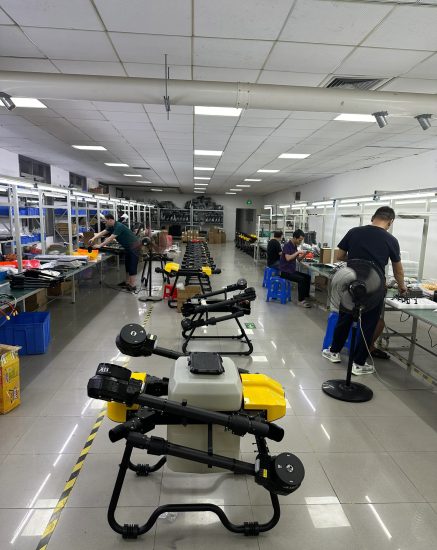
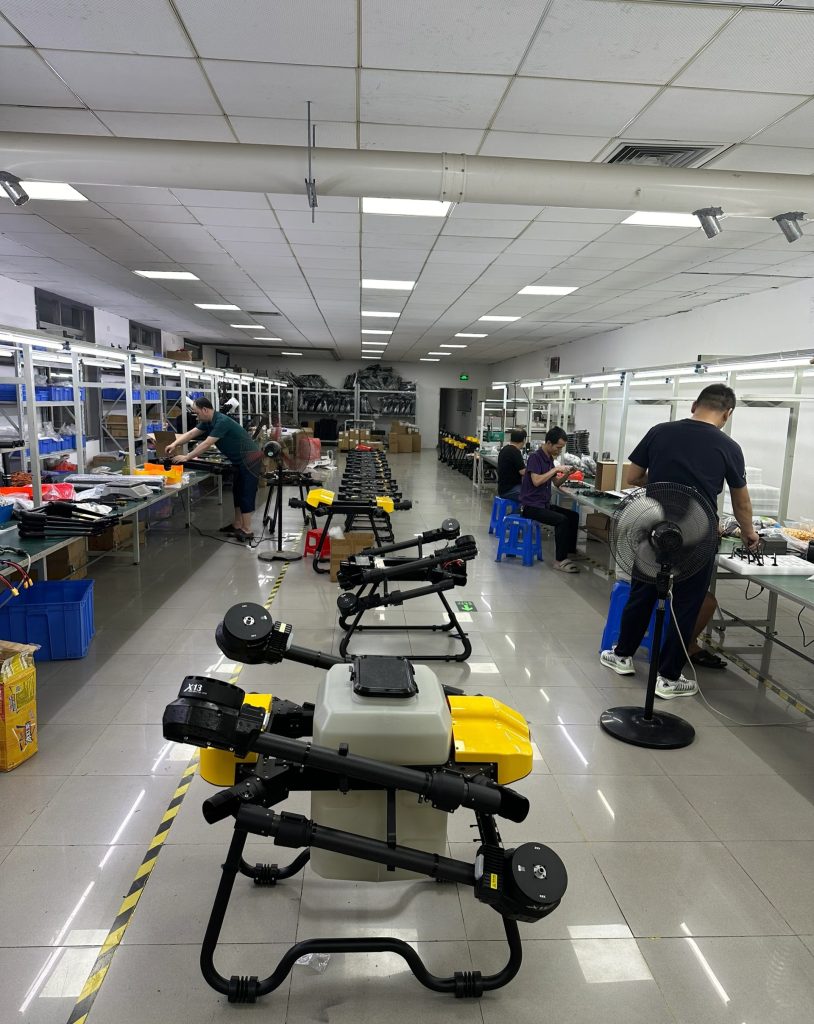
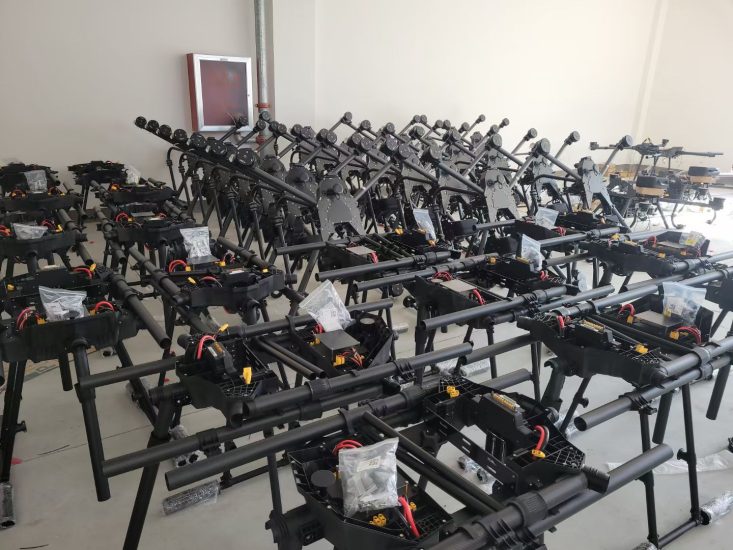
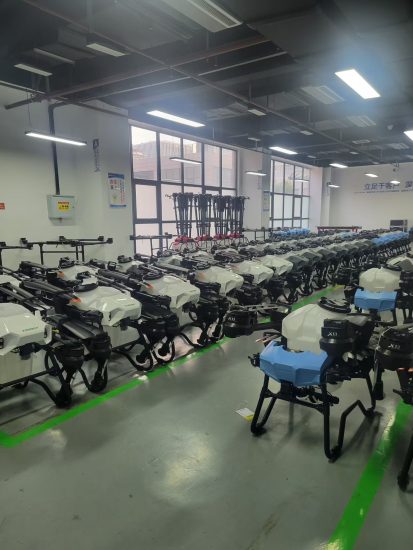
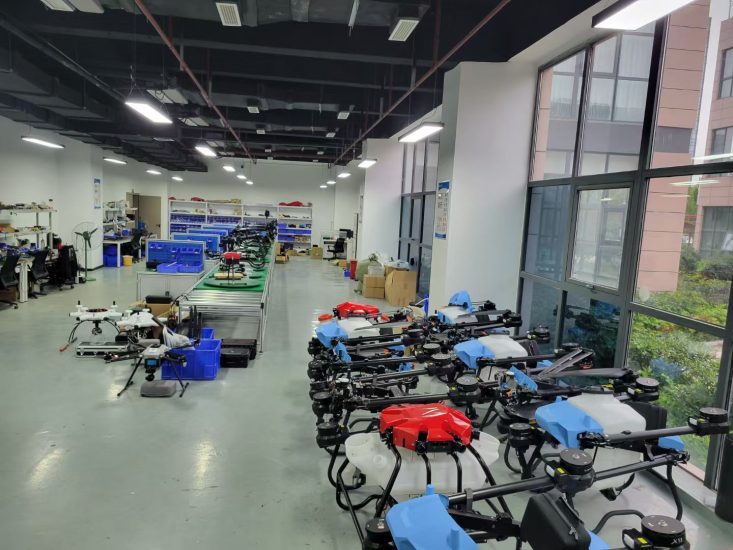
China is now one of the world’s leading manufacturers of agricultural drones. Thanks to advanced production capabilities, continuous technological innovation, and competitive pricing, Chinese suppliers export crop spraying drones to distributors, agricultural service providers, commercial farms, and government projects across Europe, North America, South America, Africa, Southeast Asia, and the Middle East.
Whether you are looking for a 20L, 30L, or 50L agricultural drone, selecting the right supplier is essential for long-term success.
Why Choose a China Crop Spraying Drone Supplier?
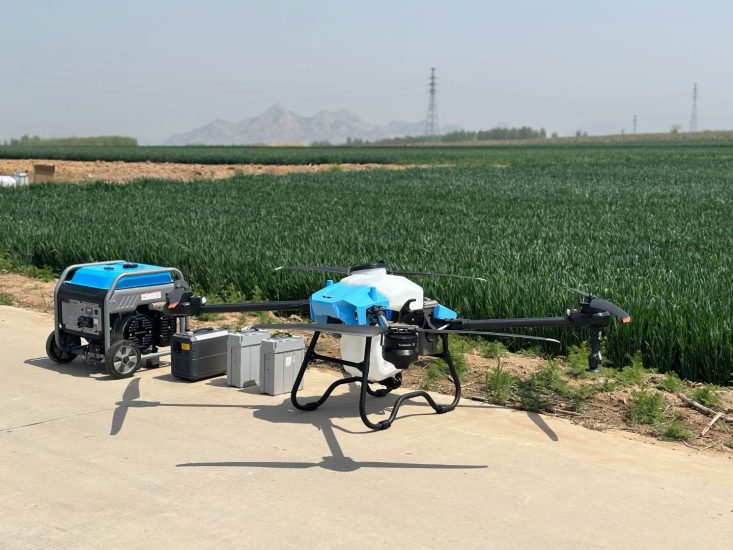
Chinese manufacturers have developed complete agricultural drone ecosystems that include aircraft, intelligent batteries, charging systems, software platforms, and after-sales technical support.
Major advantages include:
-
Factory-direct pricing
-
Advanced autonomous flight technology
-
High production capacity
-
OEM & ODM manufacturing
-
Professional quality control
-
Fast global shipping
-
Complete spare parts inventory
-
Technical training and remote support
-
Continuous firmware upgrades
These advantages make Chinese suppliers a preferred choice for international buyers.
Understanding Different Drone Capacities
Choosing the correct payload capacity depends on farm size, crop type, terrain, and daily spraying requirements.
20L Crop Spraying Drone
The 20-liter model is ideal for:
-
Family farms
-
Small agricultural cooperatives
-
Vegetable farms
-
Greenhouses
-
Orchards
-
Vineyards
Main Advantages
-
Lightweight design
-
Easy transportation
-
Lower operating cost
-
Simple maintenance
-
Suitable for beginners
-
High spraying accuracy
Typical productivity ranges from 8–15 hectares per hour, depending on crop conditions, flight speed, and application rate.
30L Crop Spraying Drone
The 30-liter model is one of the most popular choices worldwide because it offers an excellent balance between efficiency and operating costs.
Recommended for:
-
Medium-sized farms
-
Agricultural contractors
-
Rice production
-
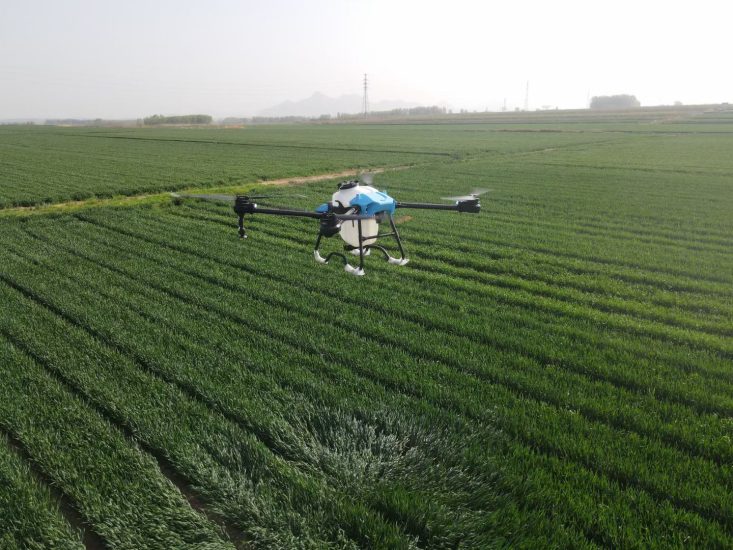
Wheat fields
-
Corn farms
-
Cotton plantations
Key Features
-
Larger spray capacity
-
Longer operating time
-
Higher daily coverage
-
Improved work efficiency
-
Better profitability
Many professional spraying companies select 30L drones as their primary equipment.
50L Crop Spraying Drone
Large-capacity agricultural drones are designed for commercial operations and large-scale farming.
Suitable applications include:
-
Commercial agriculture
-
Government agricultural projects
-
Sugarcane plantations
-
Large rice farms
-
Oil palm plantations
-
Large-scale crop protection services
Advantages
-
Maximum spraying efficiency
-
Reduced refill frequency
-
Lower labor costs
-
Large daily coverage
-
Higher operational productivity
A 50L agricultural drone can significantly increase efficiency during peak spraying seasons.
Core Technologies
Professional agricultural drones should include advanced technologies that improve safety and spraying precision.
Intelligent Flight Control
Modern systems typically support:
-
GPS positioning
-
RTK centimeter-level navigation
-
Automatic flight planning
-
Intelligent route optimization
-
Automatic takeoff and landing
-
Return-to-home
-
Terrain following
-
Waypoint missions
These features reduce pilot workload and improve operational consistency.
Precision Spraying System
High-quality spraying systems include:
-
High-flow pumps
-
Multiple centrifugal or pressure nozzles
-
Adjustable spray volume
-
Uniform droplet atomization
-
Anti-drip valves
-
Real-time flow monitoring
Precision spraying reduces pesticide waste while improving crop coverage.
Obstacle Avoidance
Advanced radar and vision sensors allow drones to detect:
-
Trees
-
Utility poles
-
Buildings
-
Power lines
-
Terrain changes
Obstacle avoidance improves flight safety and reduces the risk of accidents.
Intelligent Battery System
Modern agricultural drones use high-capacity smart lithium batteries with:
-
Battery health monitoring
-
Fast charging
-
Temperature protection
-
Over-current protection
-
Cycle life management
-
Quick battery replacement
Efficient battery systems maximize daily productivity.
Applications Across Different Crops
Crop spraying drones can be used for many agricultural applications.
Common crops include:
-
Rice
-
Wheat
-
Corn
-
Soybeans
-
Cotton
-
Tea
-
Coffee
-
Grapes
-
Apples
-
Citrus
-
Banana
-
Sugarcane
-
Potato
-
Peanut
-
Canola
They are also widely used for forestry and grassland management.
Additional Agricultural Functions
Many modern agricultural drones support multiple operations.
These include:
Crop Spraying
Application of:
-
Herbicides
-
Fungicides
-
Insecticides
-
Plant growth regulators
Fertilizer Spreading
Granular spreading for:
-
Fertilizers
-
Rice seeds
-
Grass seeds
-
Animal feed
Field Survey
Optional imaging systems can assist with:
-
Crop monitoring
-
Plant health assessment
-
Field inspection
-
Growth analysis
Quality Assurance
Professional manufacturers implement strict quality management throughout production.
Inspection procedures include:
-
Incoming material inspection
-
Assembly quality checks
-
Flight testing
-
Spray system calibration
-
Battery safety testing
-
Waterproof testing
-
Packaging inspection
Comprehensive quality control ensures reliable field performance.
International Certifications
Before purchasing, verify that the supplier provides appropriate certifications.
Common certifications include:
-
CE
-
FCC
-
RoHS
-
ISO 9001
-
UN38.3
-
MSDS
Some countries may also require local registration before commercial operation.
OEM & ODM Manufacturing
Many international distributors require customized agricultural drones.
Available services often include:
-
Company logo printing
-
Product color customization
-
User manual design
-
Packaging customization
-
Software branding
-
Controller interface customization
Private-label manufacturing helps distributors build stronger brands.
Spare Parts and Maintenance
Reliable suppliers maintain inventories of essential replacement parts.
Common spare parts include:
-
Propellers
-
Motors
-
ESCs
-
Flight controllers
-
Pumps
-
Spray nozzles
-
Landing gear
-
Radar modules
-
GPS antennas
-
Batteries
-
Chargers
Fast spare parts delivery minimizes equipment downtime.
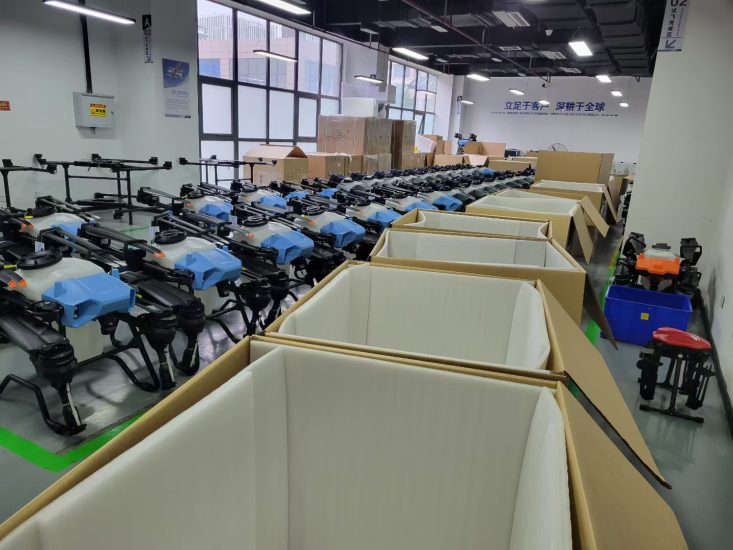
Shipping and Export
Experienced suppliers understand international logistics requirements.
They provide:
-
Export-grade packaging
-
Battery transportation documentation
-
Commercial invoices
-
Packing lists
-
Certificates of Origin (if required)
-
Air freight and sea freight solutions
Proper export documentation helps avoid customs delays.
How to Choose the Right Supplier
Before placing an order, evaluate:
-
Manufacturing experience
-
Factory production capacity
-
Product certifications
-
Research and development capability
-
Quality control system
-
Warranty policy
-
Technical support
-
Spare parts availability
-
Customer reviews
-
Export experience
A long-term supplier should be able to support your business beyond the initial purchase.
Future Trends
Agricultural drone technology continues to advance with:
-
Artificial intelligence
-
Precision agriculture
-
Variable-rate spraying
-
Cloud fleet management
-
Remote diagnostics
-
Smart farming integration
-
Longer battery endurance
-
Autonomous swarm operations
These innovations are expected to further improve farming efficiency and sustainability.
Conclusion
China has become a trusted source for 20L, 30L, and 50L crop spraying drones, offering advanced technology, competitive pricing, and comprehensive OEM solutions for international buyers. Whether you are an agricultural distributor, importer, or commercial farm operator, selecting an experienced supplier with strong manufacturing capabilities, reliable quality control, and professional after-sales service is essential.
By carefully evaluating product performance, certifications, technical support, and export experience, buyers can establish long-term partnerships with reliable Chinese manufacturers and successfully expand their agricultural drone business.
FAQ
1. Which drone capacity is best for my farm?
A 20L drone is suitable for small farms, a 30L model is ideal for medium-sized operations, and a 50L drone is recommended for large commercial farms and agricultural service providers.
2. Can agricultural drones spread fertilizer as well as spray pesticides?
Yes. Many modern agricultural drones support interchangeable systems for spraying liquids and spreading granular fertilizers or seeds.
3. What certifications should I check before importing?
Look for CE, FCC, RoHS, ISO 9001, UN38.3, and MSDS, along with any import approvals required in your target market.
4. Do Chinese manufacturers provide OEM services?
Yes. Most professional suppliers offer OEM and ODM services, including custom logos, packaging, software interfaces, and branding.
5. How long does production usually take?
Standard models are commonly ready within 7–20 days, while customized OEM orders generally require 20–35 days, depending on order quantity and production schedules.
THE END


No comments yet