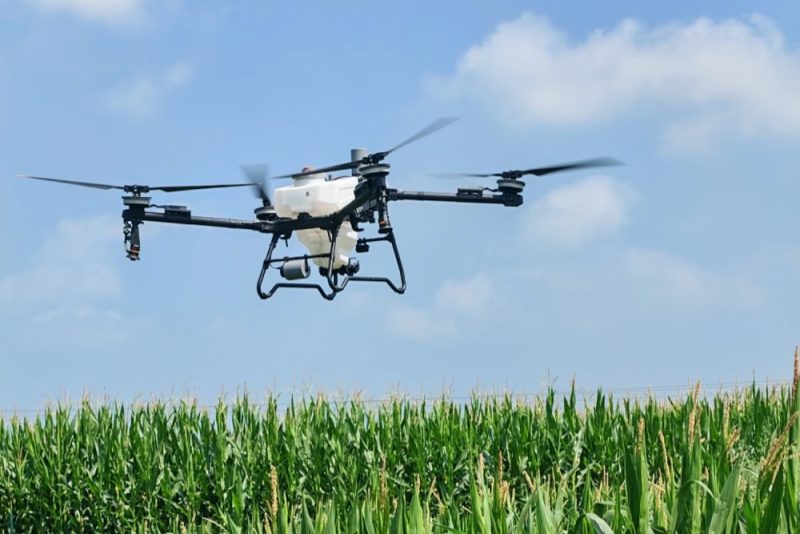




Choosing an agricultural spraying drone from China requires more than comparing product prices. International buyers need to understand the drone’s spraying capacity, battery system, application scenarios, spare parts, export requirements and after-sales support.
MSOEN provides agricultural spraying drone solutions for overseas farmers, agricultural service companies, distributors and equipment buyers.
1. What Is an Agricultural Spraying Drone?
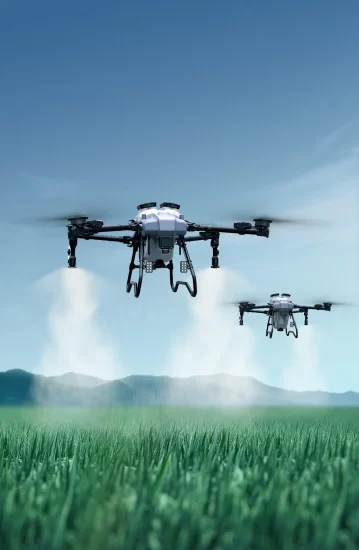
An agricultural spraying drone is an unmanned aircraft equipped with a liquid tank, pump and spraying system. It can be used to distribute pesticides, liquid fertilizers and other agricultural products over crops.
Compared with conventional ground spraying equipment, drones can be useful when farmland is:
-
Wet or muddy
-
Steep
-
Narrow
-
Difficult to access
-
Dense with crops
-
Unsuitable for heavy machinery
The actual benefits depend on the crop, terrain, weather and operating method.
2. Common Agricultural Drone Applications
Agricultural spraying drones can be used for a variety of crops and farming operations.
Rice fields
Drones can operate above wet rice fields without requiring tractors to enter the field.
Wheat and corn
Large open fields can benefit from aerial spraying when the appropriate drone configuration is selected.
Fruit orchards
Orchards require careful consideration of tree height, spacing and terrain.
Vegetable farms
Drones can provide flexible access for certain crop-protection and nutrient applications.
Vineyards and tea plantations
Irregular terrain can make aerial application an attractive option in some farming environments.
3. How to Choose the Right Model
There is no single agricultural drone model suitable for every farm.
Before selecting a model, consider:
Factor |
What to Consider |
|---|---|
Farm size |
Total area requiring treatment |
Crop |
Rice, corn, wheat, orchard, vegetables, etc. |
Terrain |
Flat, hilly, narrow or irregular |
Tank capacity |
Liquid volume per flight |
Spray width |
Expected coverage |
Flow rate |
Required application rate |
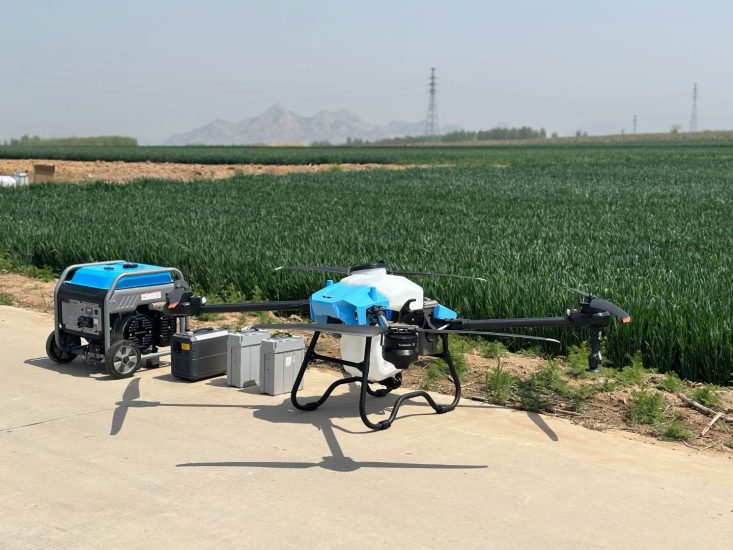
Battery |
Flight time and battery quantity |
Charger |
Charging requirements |
Spare parts |
Long-term maintenance |
Regulations |
Local drone and agricultural rules |
A professional supplier should recommend the configuration based on your actual operating requirements.
4. Tank Capacity Is Not Everything
Many buyers focus heavily on tank capacity.
However, a larger tank does not automatically mean higher productivity.
You also need to consider:
-
Payload capacity
-
Battery consumption
-
Spray width
-
Flow rate
-
Flight speed
-
Refilling time
-
Battery charging time
-
Field conditions
For example, if the drone carries a large amount of liquid but requires frequent battery changes, the overall operating efficiency may not be as high as expected.
5. Battery Configuration
Battery management is one of the most important factors for commercial users.
Before ordering, ask the supplier:
-
What battery capacity is available?
-
How many batteries are included?
-
How long does charging take?
-
What charger is supplied?
-
Are additional batteries available?
-
How should the batteries be transported?
-
What storage conditions are recommended?
For large farms, having enough batteries and an appropriate charging system can be important for maintaining continuous operations.
6. Spraying System
The spraying system directly affects application performance.
Important components include:
Pump: Moves liquid from the tank to the nozzles.
Nozzles: Determine how the liquid is distributed.
Flow control: Helps maintain the selected application rate.
Tank: Stores the spraying liquid.
Buyers should ask for complete technical specifications instead of relying only on marketing descriptions.
7. Pesticide Applications
Agricultural drones can be used for pesticide spraying where permitted.
However, the drone does not determine the correct chemical dosage. Operators must follow the pesticide label, agricultural instructions and applicable local regulations.
Important operating factors can include:
-
Wind
-
Temperature
-
Humidity
-
Flight height
-
Flight speed
-
Spray flow
-
Nozzle selection
-
Crop growth stage
-
Buffer zones
Correct calibration and responsible operation are essential.
8. Fertilizer Applications
Some agricultural spraying drones can also be used for liquid fertilizer and nutrient applications.
Before using a particular fertilizer, buyers should confirm that:
-
The liquid is compatible with the spraying system.
-
The pump can handle the liquid.
-
The nozzle configuration is appropriate.
-
The application rate can be properly controlled.
-
The tank and spraying system can be cleaned after use.
9. Buying Directly from a China Exporter
Buying directly from China can be attractive for international distributors and agricultural equipment companies.
Potential advantages include:
-
Competitive factory pricing
-
Multiple product configurations
-
OEM possibilities
-
Spare-parts supply
-
Wholesale purchasing
-
Direct technical communication
-
Customized packaging
However, buyers should evaluate the supplier carefully before making a large purchase.
10. What Should Be Included in the Quotation?
Ask for a complete quotation containing:
-
Drone model
-
Tank capacity
-
Battery quantity
-
Battery specifications
-
Charger
-
Remote controller
-
Spray system
-
Nozzles
-
Spare parts
-
Packaging
-
Warranty
-
Production lead time
-
Shipping terms
A complete quotation makes it much easier to compare different suppliers.
11. MSOEN for International Buyers
MSOEN focuses on agricultural spraying drone products for international markets.
The product can be considered by:
-
Farmers
-
Agricultural service companies
-
Agricultural equipment distributors
-
Importers
-
Dealers
-
Farming cooperatives
-
OEM buyers
For distributors, it is particularly important to confirm product documentation, spare parts, technical assistance and long-term supply capability before developing a local market.
12. Test Before a Large Order
If you have never purchased from the supplier before, consider starting with a sample or small order.
During testing, evaluate:
-
Flight stability
-
Spraying performance
-
Battery performance
-
Controller operation
-
Ease of maintenance
-
Spare-parts availability
-
Packaging quality
-
Technical support
If the results meet your requirements, you can then discuss larger wholesale orders.
FAQ
How do I choose an agricultural spraying drone from China?
Start with your crop, farm size, terrain and spraying requirements. Then compare tank capacity, spray system, battery configuration, spare parts and technical support.
Is the largest-capacity drone always the best choice?
No. Payload, battery consumption, spray width, flow rate and operating efficiency should all be considered together.
Can MSOEN agricultural drones be purchased by overseas distributors?
Yes. International distributors can discuss wholesale supply, product configurations and OEM requirements.
Can the drones spray pesticides and fertilizer?
Depending on the configuration, agricultural spraying drones can be used for pesticide and liquid fertilizer applications. The chemical or fertilizer must be compatible with the equipment and used according to applicable regulations.
How many batteries do I need?
It depends on the farm size, working schedule, charging capacity and number of drones.
What spare parts should I keep?
Common maintenance items can include propellers, pumps, nozzles and other components specific to the selected model.
Can I order a sample first?
A sample or initial order can be discussed with the supplier before moving to larger quantities.
Do I need approval to operate an agricultural drone?
Possibly. Requirements vary by country, so buyers should check local aviation and agricultural regulations before commercial operation.
The right agricultural spraying drone should match the actual needs of the farm rather than simply having the largest payload or lowest price.
When purchasing from China, international buyers should evaluate product specifications, spraying performance, battery systems, spare parts, technical support, export capability and total purchasing cost.
MSOEN provides China-made agricultural spraying drone solutions for international farmers, distributors and agricultural service companies looking for equipment for modern crop protection and fertilizer applications.
THE END


No comments yet