


📌 Introduction: A Market Driven by Innovation and Demand
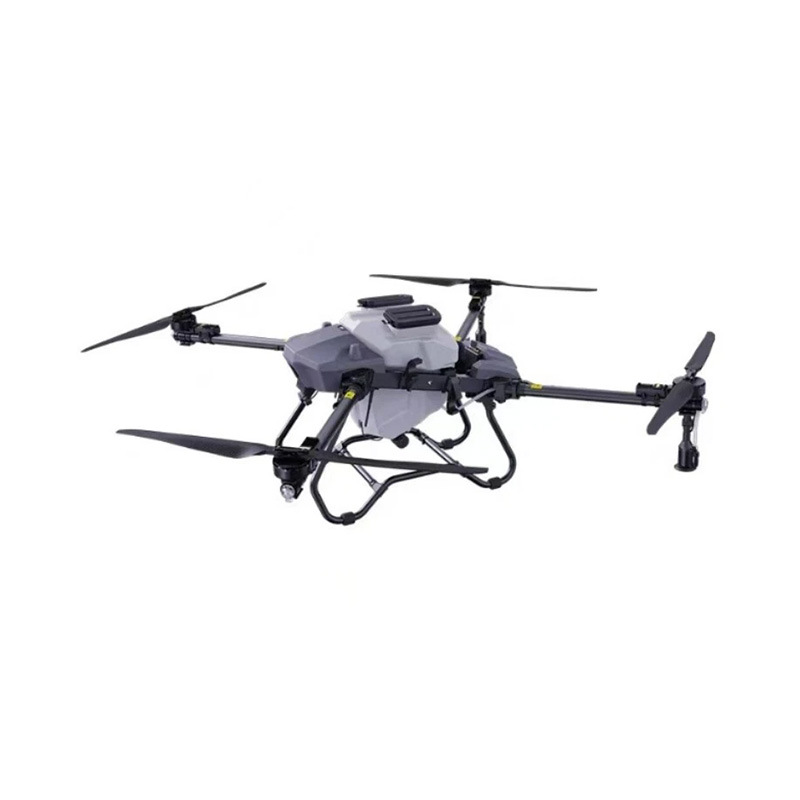
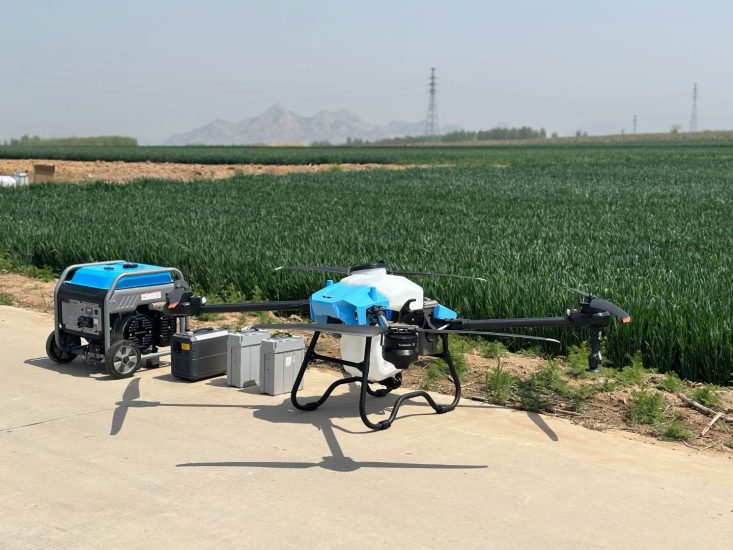
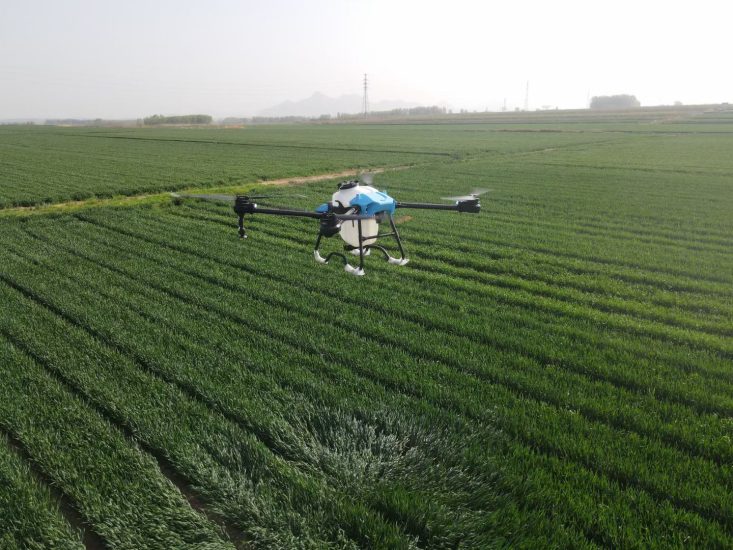
The agricultural sector is undergoing a technological revolution, and at the center of this transformation is the rapid adoption of unmanned aerial vehicles (UAVs) for crop spraying. As global demand for food production increases and labor shortages continue to challenge traditional farming methods, agricultural drones have become essential tools for efficiency, precision, and sustainability.
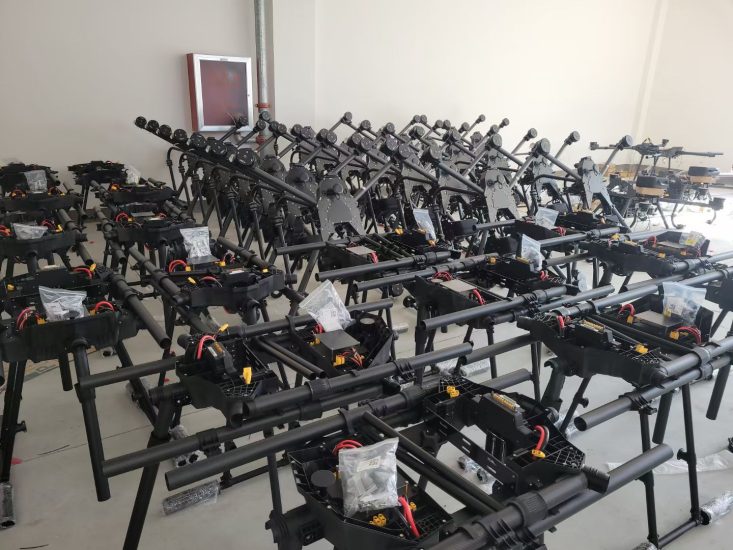
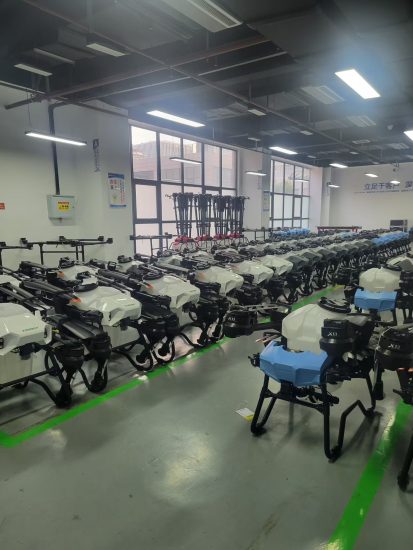
China has emerged as the dominant force in the agricultural drone market, offering a diverse ecosystem of manufacturers, technologies, and solutions. Rather than focusing on specific company names, this article provides a comprehensive and original review of the leading types of sprayer UAV brands in China, analyzing their strengths, positioning, and suitability for different users.
By the end of this guide, you will gain a clear understanding of the Chinese agricultural drone market and how to identify the best solution for your needs.
🌾 Overview of the China Agricultural Drone Market
China’s agricultural drone market has grown rapidly over the past decade, fueled by government support, technological advancements, and increasing demand for precision agriculture.
📊 Key Market Characteristics
- Large-scale production capacity enabling global supply
- Strong domestic demand from modernizing farms
- Continuous innovation in automation and AI
- Competitive pricing compared to international markets
The market is no longer limited to basic spraying drones. Today, it includes intelligent systems capable of data collection, autonomous navigation, and integration with smart farming platforms.
🏭 Categories of Leading Sprayer UAV Brands
Instead of evaluating individual companies, it is more useful to classify Chinese agricultural drone brands into distinct categories based on their capabilities and market focus.
🚀 1. High-End Technology Leaders
These brands represent the top tier of the market, focusing on advanced features and precision farming integration.
Key Characteristics:
- AI-powered flight control systems
- Autonomous route planning
- Real-time data analysis
- Integration with digital agriculture platforms
Strengths:
- Exceptional performance and accuracy
- Reliable and stable operation
- Strong innovation capabilities
Limitations:
- Higher price range
- More complex systems requiring training
Best for: Large-scale farms, agricultural enterprises, and government projects.
⚖️ 2. Balanced Performance Brands
These brands offer a balance between price and performance, making them the most popular choice in the global market.
Key Characteristics:
- Reliable spraying systems
- Moderate automation features
- User-friendly interfaces
Strengths:
- Cost-effective solutions
- Easy operation
- Suitable for a wide range of users
Limitations:
- Fewer advanced features compared to high-end brands
Best for: Medium-sized farms and commercial operators.
💰 3. Budget-Friendly Brands
These brands focus on affordability and accessibility, targeting entry-level users.
Key Characteristics:
- Basic functionality
- Simplified design
- Lower production costs
Strengths:
- Low initial investment
- Easy to maintain
Limitations:
- Limited automation and precision
- Lower durability
Best for: Small farms and first-time drone users.
🧩 4. OEM/ODM-Oriented Brands
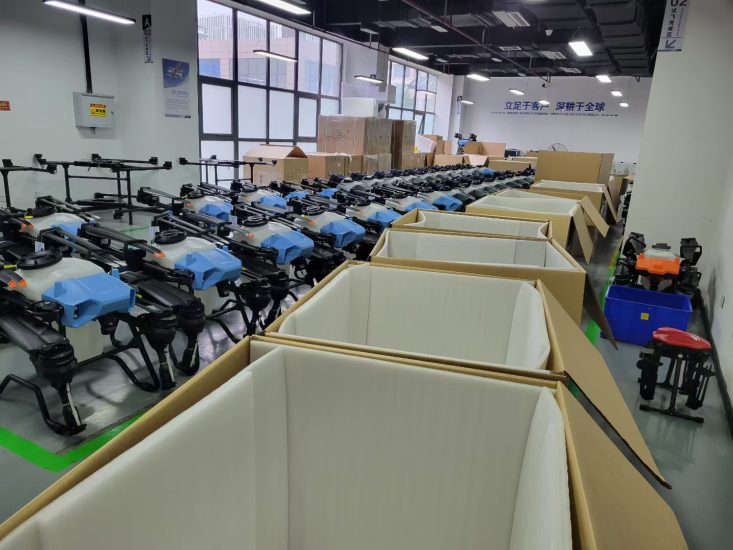
These brands specialize in providing customized solutions for international distributors and private-label businesses.
Key Characteristics:
- Flexible design and specifications
- Branding and packaging customization
- Strong export experience
Strengths:
- Ideal for building your own brand
- Scalable production
- Competitive pricing
Limitations:
- Brand recognition depends on the buyer
Best for: Importers, wholesalers, and entrepreneurs.
🌄 5. Specialized Terrain Brands
These brands focus on drones designed for complex agricultural environments.
Key Characteristics:
- Advanced terrain-following technology
- Strong obstacle avoidance systems
- High adaptability to uneven landscapes
Strengths:
- Excellent performance in mountainous or irregular terrain
- Improved spraying accuracy in difficult conditions
Limitations:
- Higher cost
- More complex operation
Best for: Orchards, vineyards, and hilly regions.
⚙️ Core Technologies Driving Market Leadership
Leading sprayer UAV brands in China share several advanced technologies that define their competitive edge.
✔ Precision Navigation Systems
Modern drones use GPS and RTK technology to achieve centimeter-level positioning accuracy, ensuring precise spraying routes.
✔ Intelligent Spraying Mechanisms
Advanced nozzle systems and flow control technologies allow drones to:
- Adjust spray volume dynamically
- Maintain consistent droplet size
- Reduce chemical waste
✔ Autonomous Flight Capabilities
Automation reduces the need for manual control, enabling:
- Pre-programmed flight paths
- Automatic takeoff and landing
- Real-time adjustments
✔ Obstacle Detection and Avoidance
Sensors and AI algorithms help drones navigate safely around:
- Trees
- Power lines
- Buildings
✔ Data Collection and Analysis
Drones can collect valuable data during operation, including:
- Crop health indicators
- Field coverage maps
- Operational efficiency metrics
🌍 Market Applications Across Agriculture
Chinese sprayer UAV brands serve a wide range of agricultural applications:
🌱 Crop Protection
Efficient pesticide application reduces pest damage and improves yield.
🌾 Fertilizer Distribution
Uniform spreading ensures balanced nutrient delivery.
🌳 Orchard Management
Precise spraying in dense and complex tree environments.
🌿 Weed Control
Targeted herbicide application minimizes environmental impact.
🌲 Forestry and Plantation Care
Large-scale pest control and maintenance operations.
⚖️ Competitive Advantages of the Chinese Market
💰 Cost Efficiency
Chinese manufacturers provide high-performance drones at lower costs compared to global competitors.
🚀 Rapid Innovation
Continuous upgrades keep products aligned with the latest technological trends.
🌐 Global Reach
Strong export networks ensure availability in international markets.
🔄 Product Diversity
A wide range of models caters to different farming needs.
⚠️ Challenges in the Market
Despite its strengths, the Chinese agricultural drone market also faces several challenges:
❗ Quality Variations
Not all brands maintain consistent quality standards.
Solution: Verify certifications and request product samples.
❗ Technical Complexity
Advanced systems may require training.
Solution: Choose user-friendly models or suppliers offering training support.
❗ Regulatory Barriers
Different countries have varying drone regulations.
Solution: Ensure compliance with local laws before purchase.
❗ After-Sales Support Limitations
Some brands may lack global service networks.
Solution: Work with suppliers that provide remote support and spare parts.
🔍 How to Identify the Best Brand for Your Needs
Choosing the right brand depends on your specific requirements:
✔ Farm Size
- Small farms → budget-friendly or compact drones
- Medium farms → balanced performance models
- Large farms → high-end or heavy-lift drones
✔ Budget
Balance cost with long-term value and performance.
✔ Terrain Conditions
Choose specialized drones for complex landscapes.
✔ Technical Expertise
Select user-friendly systems if you lack advanced experience.
✔ Business Goals
- Farming → focus on performance and reliability
- Distribution → focus on customization and scalability
🔮 Future Trends in the China Agricultural Drone Market
🤖 AI Integration
Drones will become smarter, capable of autonomous decision-making.
🌐 Smart Farming Ecosystems
Integration with sensors, software, and data platforms.
🚁 Swarm Technology
Multiple drones working together to increase efficiency.
🌱 Sustainable Agriculture
Reduced chemical usage and eco-friendly solutions.
📡 Advanced Connectivity
Real-time monitoring and remote control via high-speed networks.
❓ FAQ: China Agricultural Drone Market
Q1: Why is China leading the agricultural drone market?
Because of its strong manufacturing ecosystem, innovation, and cost advantages.
Q2: Are Chinese agricultural drones reliable?
Yes, many brands offer high-quality and technologically advanced products.
Q3: What is the average cost of a spraying drone?
Typically between $3,000 and $20,000 depending on specifications.
Q4: Can I start a drone business using Chinese suppliers?
Yes, many brands support OEM/ODM customization for private labeling.
Q5: How do I choose the right brand category?
Match your needs with the brand type—high-end, balanced, budget, or specialized.
📊 Conclusion: Navigating a Dynamic and Competitive Market
The China agricultural drone market is one of the most dynamic and innovative sectors in modern agriculture. With a wide range of sprayer UAV brands available, buyers have more choices than ever before.
Rather than focusing on individual company names, understanding the different brand categories and their strengths allows you to make a more strategic decision.
Whether you are a farmer seeking efficiency, a distributor building a business, or an investor exploring new opportunities, the key to success lies in selecting the right combination of technology, reliability, and value.
As the market continues to evolve, agricultural drones will play an increasingly critical role in shaping the future of global farming—making now the perfect time to invest in this transformative technology.


No comments yet