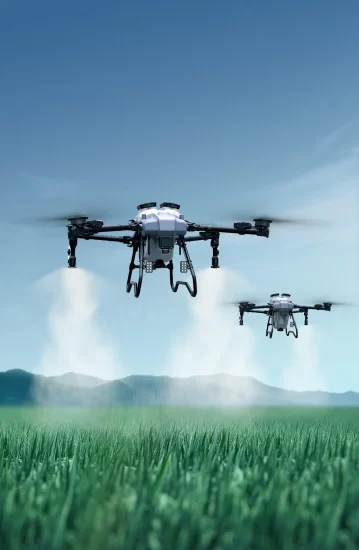


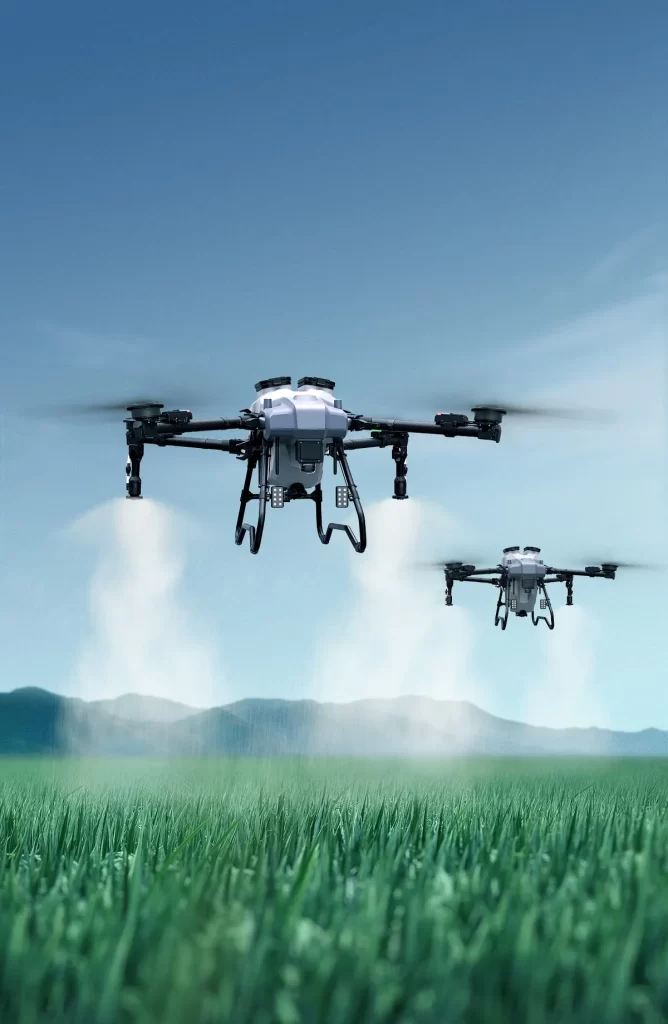
Agricultural drones are becoming an important tool for modern crop protection, especially where farmers and agricultural service companies need faster field coverage, lower labor requirements, and access to areas that are difficult for conventional machinery to reach.
For importers, distributors, agricultural equipment dealers, and farming service companies, choosing a China agricultural drone manufacturer for crop spraying requires more than comparing the lowest price. The aircraft’s payload, spraying system, flight performance, battery configuration, spare-parts supply, OEM capability, production consistency, and after-sales support all have a direct impact on the buyer’s long-term operating costs.
A factory-direct supplier can give international buyers a more direct way to communicate about product specifications, customization, wholesale quantities, packaging, technical requirements, and production schedules.
What Is a Crop Spraying Agricultural Drone?
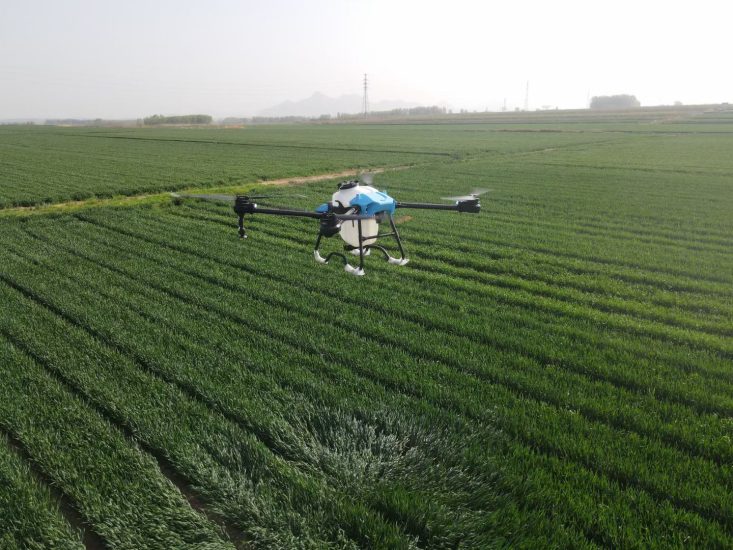
A crop spraying agricultural drone is an unmanned aerial vehicle equipped with a liquid application system. The system normally includes a liquid tank, pump, pipes, filters, nozzles, battery, flight-control system, remote controller, and positioning technology.
During operation, the drone carries the liquid payload above the crop and releases the liquid through its spraying system according to the operator’s planned application parameters.
Compared with traditional ground equipment, aerial spraying can be particularly useful in situations where:
- Fields are too wet for tractors
- Crops are too tall for ground machinery
- Terrain is difficult to access
- Labor availability is limited
- Farmers need flexible field operations
- Certain areas are difficult to reach with conventional equipment
The actual suitability depends on the crop, application, weather, local regulations, and operating conditions.
Why Choose a China Agricultural Drone Manufacturer?
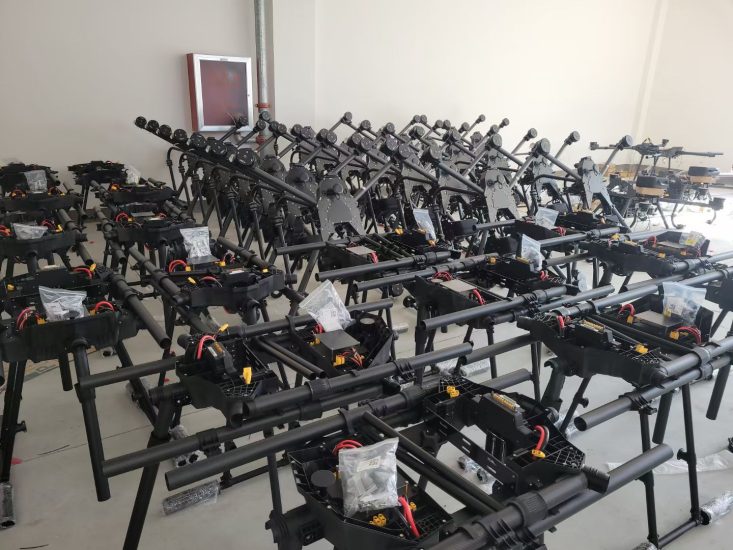
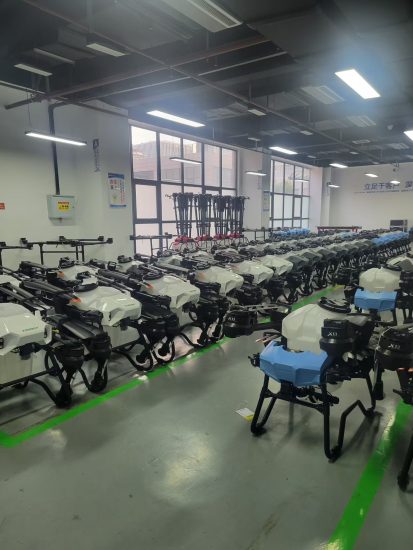
China has a large manufacturing ecosystem for unmanned aerial vehicles and agricultural equipment.
A professional Chinese agricultural drone factory can integrate multiple components into a complete spraying platform, including:
- Aircraft frame
- Brushless motors
- Propellers
- Flight controller
- GPS/positioning system
- Battery
- Charger
- Pump
- Nozzles
- Remote controller
- Communication system
- Obstacle detection components
- Spare parts
For international buyers, this integrated manufacturing capability can make China an attractive sourcing location.
Factory-Direct Communication
Working directly with a manufacturer can reduce unnecessary communication layers.
Buyers can communicate directly about:
- Product specifications
- Order quantity
- OEM requirements
- Packaging
- Production schedule
- Spare parts
- Technical documentation
- Warranty
- Shipping arrangements
This can be particularly useful when purchasing multiple units.
Agricultural Drone Factory vs. Trading Company
International buyers should determine whether a supplier is an actual manufacturer, a trading company, or a combination of both.
A trading company may still provide useful sourcing services, but buyers looking for long-term OEM or wholesale cooperation may prefer to understand the actual manufacturing arrangement.
When evaluating a factory, ask for:
- Factory information
- Production capabilities
- Product specifications
- Quality-control procedures
- Testing procedures
- OEM capabilities
- Spare-parts availability
- Production lead time
- Warranty policy
The goal is not simply to find the cheapest supplier but to establish whether the supplier can consistently deliver the required product.
Key Specifications of an Agricultural Spraying Drone
Before buying a crop spraying drone, international buyers should carefully review the complete specification sheet.
1. Tank Capacity
Tank capacity is one of the most visible specifications.
Commercial models can be available in different capacities, including 10L, 20L, 30L, and other configurations.
However, larger capacity does not automatically mean higher productivity.
The aircraft must have sufficient:
- Motor power
- Battery capacity
- Structural strength
- Pump performance
- Flight stability
to safely handle the payload.
2. Maximum Payload
Maximum payload should be clearly distinguished from tank capacity.
A drone with a 30L tank does not necessarily mean that it can operate with 30kg of payload under every condition.
Buyers should request the manufacturer’s official maximum takeoff weight and recommended operating payload.
3. Flight Time
Flight time depends on many factors, including:
- Payload
- Battery capacity
- Wind
- Flight speed
- Flight altitude
- Temperature
- Aircraft configuration
When comparing manufacturers, ask whether the advertised flight time is measured with an empty or loaded tank.
4. Pump Flow Rate
Pump flow rate determines how quickly liquid can be delivered to the nozzles.
A suitable pump system should match the intended application rate and nozzle configuration.
5. Spray Width
Spray width depends on:
- Nozzle arrangement
- Flight altitude
- Airflow
- Operating speed
- Crop structure
- Weather conditions
Manufacturers should provide recommended operating parameters rather than relying only on theoretical maximum width.
20L Agricultural Spraying Drone
A 20L agricultural drone can be an attractive option for distributors seeking a balance between payload and maneuverability.
Potential applications include:
- Rice
- Wheat
- Corn
- Vegetables
- Orchards
- Other suitable agricultural operations
For importers, the important question is not simply whether the drone has a 20L tank.
Ask the manufacturer for the complete configuration, including:
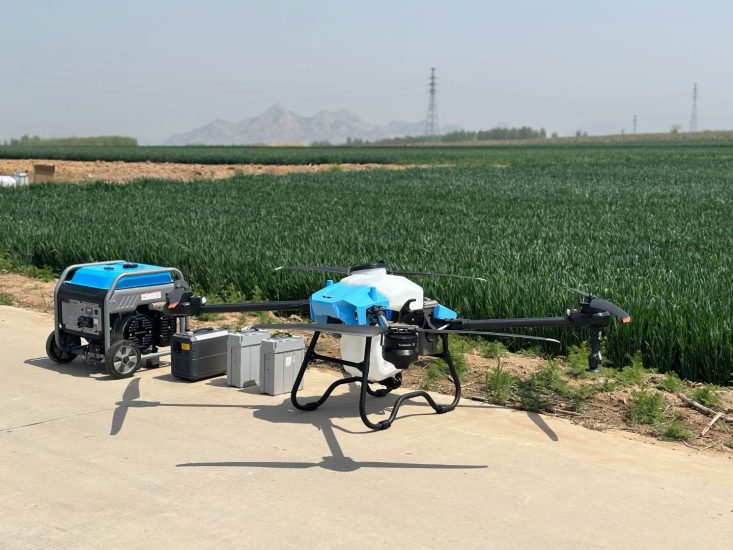
20L tank + battery + charger + pump + nozzles + remote controller + spare parts
This makes supplier comparisons much more meaningful.
30L Agricultural Spraying Drone
For professional agricultural service companies and larger farming operations, a 30L agricultural spraying drone may provide greater liquid capacity.
However, increased payload also increases the demands placed on the aircraft.
The manufacturer should specify:
- Maximum takeoff weight
- Recommended payload
- Battery requirements
- Charging time
- Motor configuration
- Pump capacity
- Recommended operating speed
A buyer should also evaluate whether local regulations permit the intended drone operation.
Agricultural Drone Battery System
Battery performance is one of the most important factors in commercial agricultural drone operations.
A professional system may include high-capacity intelligent batteries designed for repeated operating cycles.
Buyers should ask about:
- Battery voltage
- Capacity
- Charging time
- Battery weight
- Cycle life
- Temperature management
- Battery monitoring
- Charging equipment
- Replacement cost
For commercial operators, purchasing additional batteries can help reduce downtime between field operations.
Spraying System
The spraying system directly affects application performance.
A complete spraying system may include:
- Liquid tank
- Pump
- Filter
- Pipes
- Valves
- Nozzles
- Flow-control system
Nozzles
Nozzles determine how the liquid is distributed.
Different crops and application requirements may require different nozzle configurations.
Buyers should ask the manufacturer about nozzle specifications and replacement availability.
Pump
The pump should provide stable flow under the intended operating conditions.
For commercial use, reliability is especially important because pump failure can interrupt field operations.
Flight Control and Navigation
Agricultural drones require stable flight control because spraying often takes place relatively close to crops and over large areas.
Depending on the model, an agricultural drone may include technologies such as:
- GPS positioning
- Automatic flight planning
- Return-to-home
- Route planning
- Altitude control
- Obstacle detection
- Terrain-related flight functions
The exact capabilities vary by product.
Buyers should request a demonstration or technical documentation instead of assuming that every agricultural drone has the same intelligent functions.
OEM Agricultural Drone Manufacturing
For overseas distributors, OEM can be an important part of a China agricultural drone sourcing strategy.
An OEM project can potentially include:
- Company logo
- Brand name
- Product labels
- Customized packaging
- User manuals
- Color and appearance options
- Accessories
- Selected hardware configurations
Before starting OEM production, buyers should establish the required specifications and minimum order quantity.
A professional manufacturer should clearly identify which features are standard and which require customization.
Wholesale Agricultural Drone Supply
Wholesale buyers generally have different requirements from individual farmers.
A distributor purchasing 10, 50, or 100 units may need:
- Stable production
- Consistent specifications
- Competitive factory pricing
- Spare parts
- Training materials
- Product manuals
- Customized packaging
- Technical support
- Warranty support
For this reason, wholesale buyers should evaluate the supplier’s ability to support the entire product lifecycle.
Spare Parts for Agricultural Drones
Spare parts should be considered before placing the first bulk order.
Common replacement components may include:
- Propellers
- Motors
- Landing gear
- Pumps
- Nozzles
- Filters
- Pipes
- Battery components
- Chargers
- Electronic modules
An international distributor should discuss recommended spare-parts quantities with the manufacturer.
Keeping frequently needed parts locally can reduce equipment downtime.
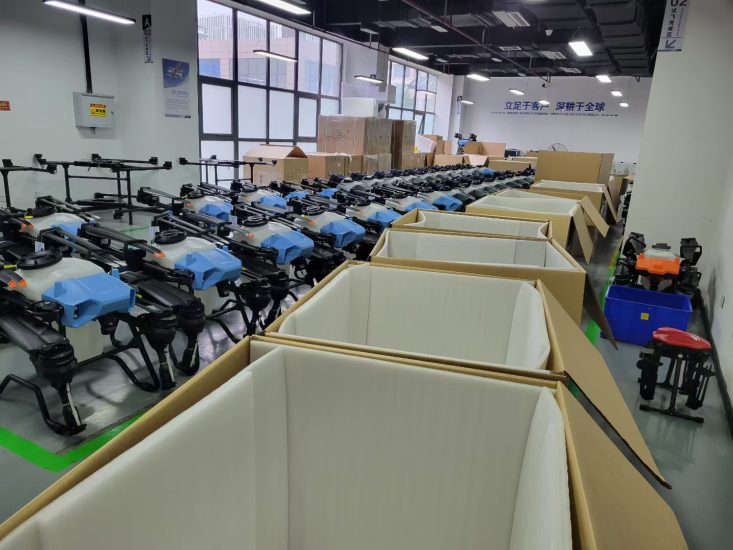
Quality Control in Agricultural Drone Manufacturing
Quality control is particularly important for agricultural drones because they operate outdoors under demanding conditions.
A factory should have appropriate inspection procedures covering key components and finished aircraft.
Quality checks may include:
- Motor testing
- Battery testing
- Pump testing
- Flight testing
- Communication testing
- Spraying-system testing
- Remote-controller testing
- Assembly inspection
For wholesale customers, batch consistency is particularly important.
The product delivered in the 100th unit should maintain the specifications and quality expected from the approved sample.
How to Order Agricultural Drones Directly From China
The sourcing process can be divided into several steps.
Step 1: Define Your Market
Identify:
- Destination country
- Main crops
- Target customers
- Expected order volume
- Required drone capacity
- Local regulations
Step 2: Select the Product
Compare suitable models based on:
- Payload
- Battery
- Spray system
- Flight performance
- Intelligent functions
- Spare parts
Step 3: Request a Sample
For serious distributors, testing a sample before a large order can reduce purchasing risk.
Evaluate the actual product rather than relying only on brochures.
Step 4: Confirm OEM Requirements
If you need private labeling, confirm:
- Logo
- Packaging
- Manuals
- Labels
- MOQ
- Production time
Step 5: Confirm Commercial Terms
Discuss:
- Unit price
- Quantity
- Payment terms
- Production time
- Warranty
- Spare parts
- Shipping terms
Step 6: Prepare the Import
Before shipment, confirm the destination country’s requirements for importing and operating agricultural drones.
This is especially important for products containing batteries and radio communication equipment.
Questions to Ask a China Agricultural Drone Manufacturer
Before placing an order, buyers can send a detailed inquiry.
For example:
1. What agricultural spraying drone models do you manufacture?
2. What are the available tank capacities?
3. What is the recommended payload?
4. What is the actual flight time under spraying conditions?
5. What pump and nozzle system is included?
6. What batteries and chargers are included?
7. Do you support OEM branding?
8. What is the MOQ for wholesale orders?
9. Can you supply spare parts?
10. What technical support and warranty do you provide?
11. What is the production lead time?
12. Can you provide technical documentation for import and registration?
These questions can help buyers quickly determine whether a supplier is suitable for long-term cooperation.
Agricultural Drone Manufacturer for Global Markets
International agricultural drone demand can vary significantly by market.
Different countries may have different requirements for:
- Drone registration
- Flight operation
- Agricultural spraying
- Radio equipment
- Chemical application
- Operator certification
- Importation
Therefore, a manufacturer should provide accurate technical information, while the local distributor or importer should verify the requirements applicable to its market.
How to Get a Factory-Direct Quote
To receive a useful quotation, avoid sending only:
“How much is your agricultural drone?”
Instead, provide complete information:
Model: 20L / 30L
Quantity: 10 / 50 / 100 units
Destination: Country
Application: Crop spraying
Brand: OEM / Private Label
Battery: Required
Charger: Required
Spare Parts: Required
Packaging: Standard / Customized
Shipping: Air / Sea
This allows the manufacturer to prepare a more accurate quotation.
FAQ
Is China a good place to source agricultural spraying drones?
China has a large agricultural drone manufacturing supply chain and many manufacturers producing aircraft, batteries, spraying systems, and related components. Buyers should still conduct proper supplier and product verification before purchasing.
Can I buy agricultural drones directly from a Chinese factory?
Yes. International buyers can purchase directly from Chinese manufacturers, subject to the supplier’s sales terms and the import and operating requirements of the destination country.
What is the difference between an agricultural drone manufacturer and supplier?
A manufacturer produces or assembles the product, while a supplier can refer to either a manufacturer or a company supplying products from other manufacturers. Buyers seeking OEM production should confirm the supplier’s actual manufacturing capabilities.
Can a Chinese factory provide OEM agricultural drones?
Many manufacturers offer OEM services, but the available customization, MOQ, tooling requirements, and production lead time vary. These details should be confirmed before signing an order.
Should I choose a 20L or 30L spraying drone?
It depends on the intended application and operating environment. A larger payload can reduce the number of refills, but it also increases aircraft weight and battery requirements. Compare the complete system rather than tank capacity alone.
Can agricultural drones be shipped internationally?
International shipment is possible in many cases, but drones containing lithium batteries and radio equipment may be subject to transportation and import requirements. The buyer should confirm requirements with the manufacturer and shipping provider before ordering.
Conclusion
Choosing a China agricultural drone manufacturer for crop spraying is a long-term sourcing decision rather than simply a price comparison.
For international buyers, the ideal supplier should combine manufacturing capability, reliable spraying performance, stable battery systems, consistent production, OEM support, spare-parts availability, technical assistance, and transparent commercial terms.
Whether you are an agricultural equipment distributor, farming service company, importer, or regional dealer, clearly defining your target market and product requirements before contacting the factory will make the sourcing process faster and help you obtain a more accurate wholesale quotation.


No comments yet