

Location: Dak Lak Province, Central Highlands, Vietnam
Operation Size: 1,200 hectares of mature rubber trees
Challenge: Rising chemical costs, labor shortages, and inconsistent manual spraying leading to disease outbreaks.
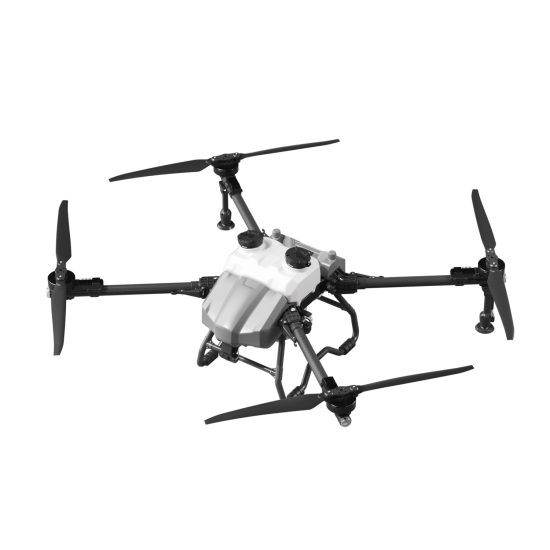
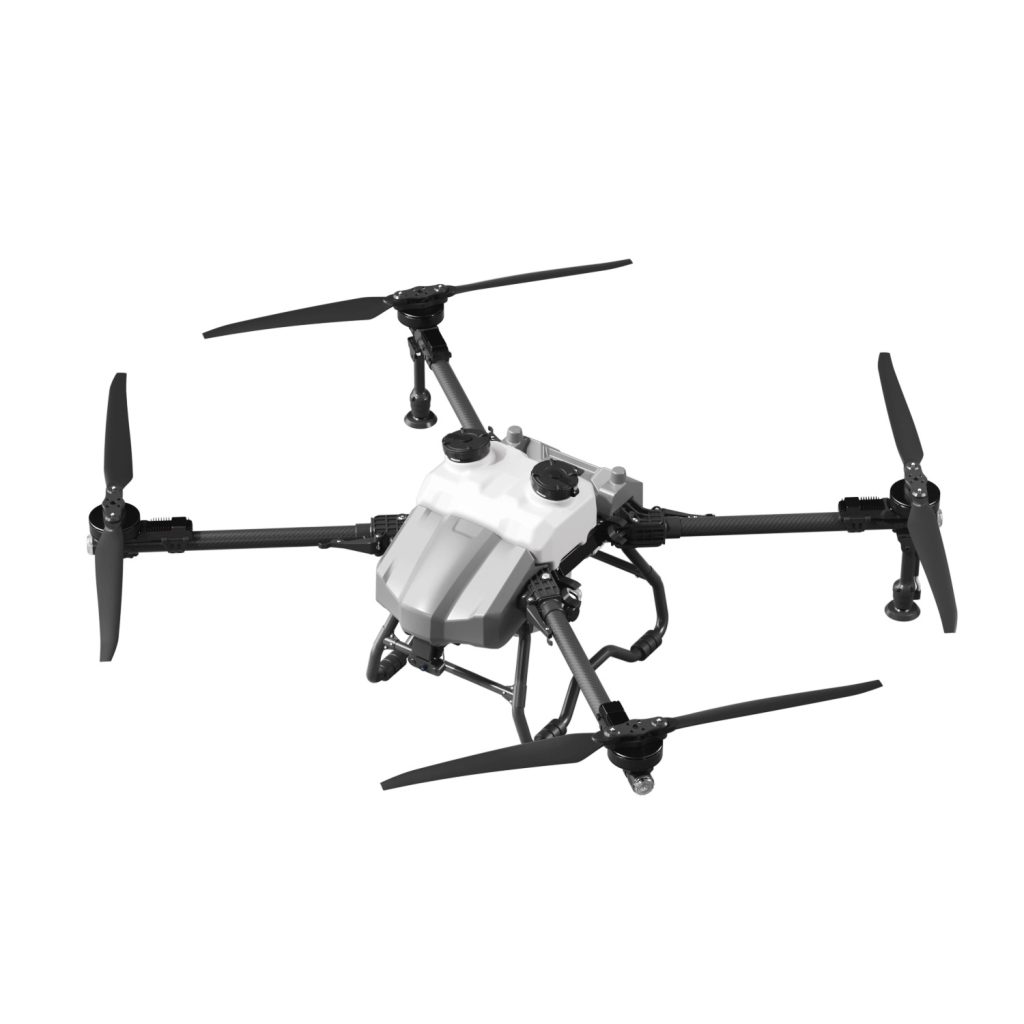
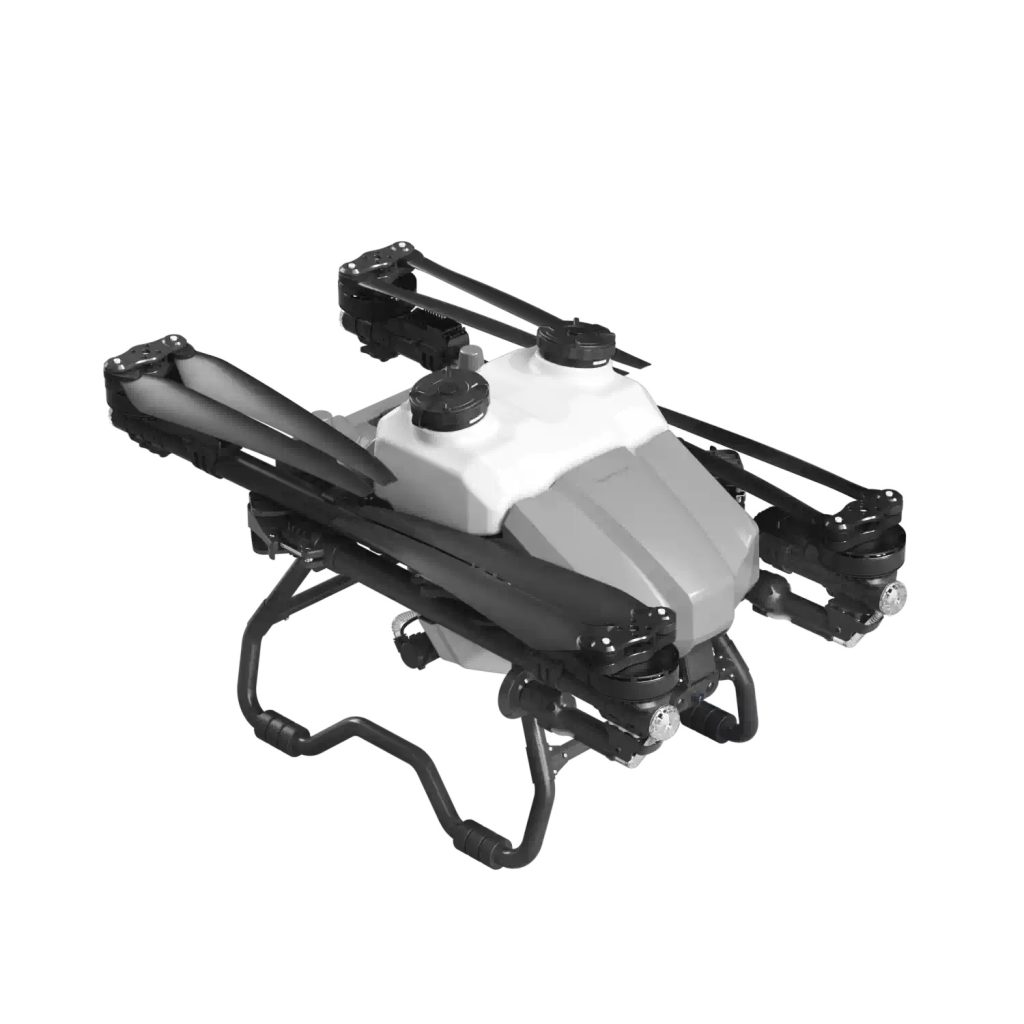
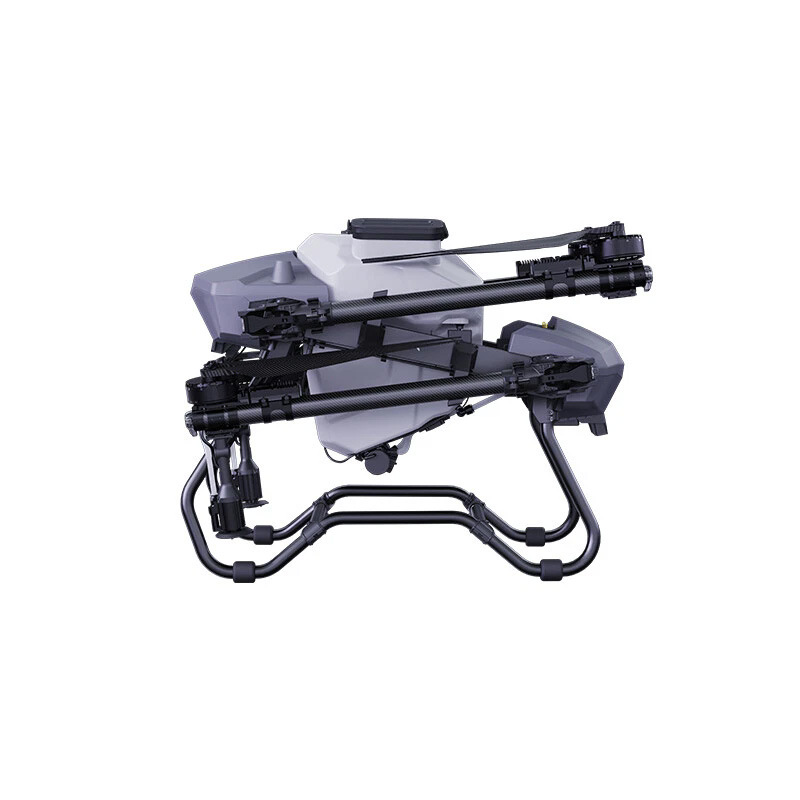
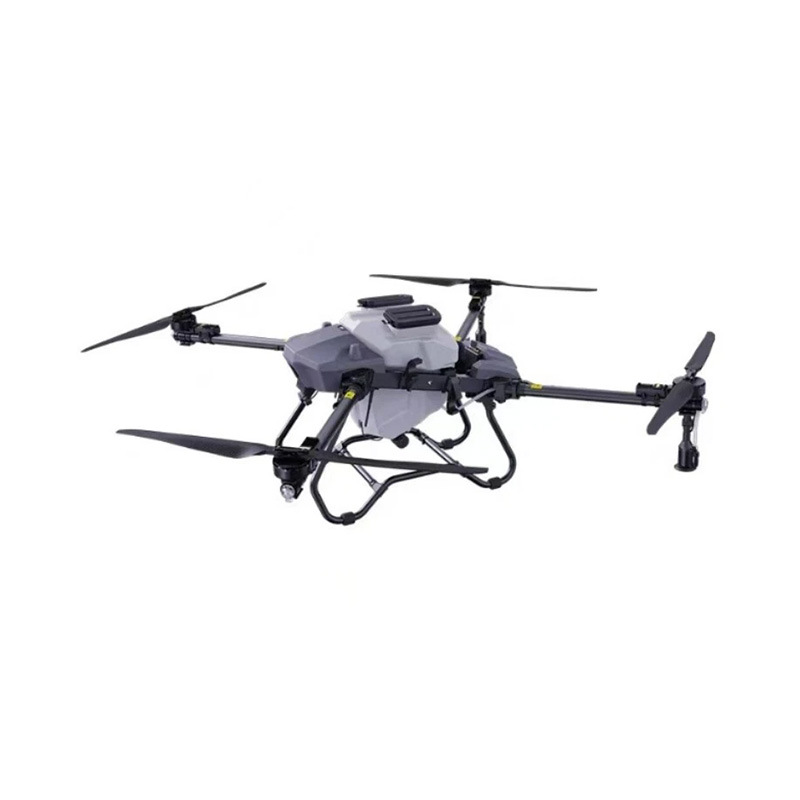
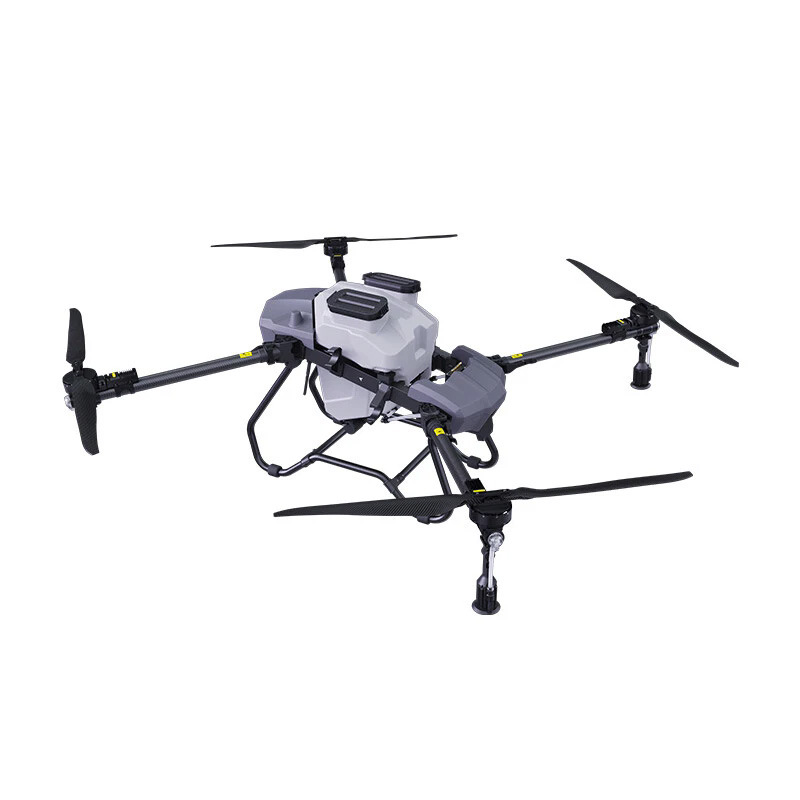
Solution: Deployment of a fleet of smart, terrain-following agricultural drones with variable flow control.
1. The Background: Traditional Pain Points in Rubber Farming
Rubber plantations are unique in the agricultural world. Unlike rice or corn, rubber trees are tall (often exceeding 20 meters), planted in dense grids, and require precise application of fungicides and growth regulators to prevent leaf diseases like Corynespora cassiicola.
In 2025, the management of this specific plantation in Dak Lak faced a crisis. Their traditional method relied on 120 manual laborers carrying 20-liter knapsack sprayers.
The Economics of Manual Labor (Pre-2026):
-
Chemical Waste: Workers sprayed indiscriminately. Studies showed that nearly 60% of the pesticide missed the canopy and dripped onto the soil, contaminating groundwater and wasting money.
-
Labor Instability: Local labor costs were rising by 15% annually. During peak season, workers would leave for higher-paying coffee farms nearby.
-
Health Risks: Despite wearing masks, workers frequently suffered from pesticide poisoning, leading to medical claims and low morale.
-
Coverage Gap: The top 5 meters of the 20-meter-tall trees were almost impossible to reach manually, allowing pests to thrive in the upper canopy.
2. The Strategic Shift: Why Drones?
The plantation manager decided to pilot a drone spraying program. Initially, they were skeptical. Could a drone really penetrate the thick rubber canopy? Would the investment be too high?
They selected a supplier based on three criteria:
-
Downward Thrust: The drone needed high-speed rotating blades to push the mist deep into the leaf litter.
-
Terrain Following: The Central Highlands are not flat; the drones needed LiDAR-based sensors to maintain a consistent distance from the treetops on slopes.
-
Flow Control: The ability to adjust spray volume automatically based on flight speed.
3. Implementation: The Transition Phase
The transition took place over two harvesting seasons.
Phase 1: The Hybrid Model
Instead of firing all laborers, the plantation reduced its workforce by 50%. The remaining 60 workers were retrained. 20 became drone pilots and ground crew, while 40 continued manual spot-spraying in areas inaccessible to drones.
Phase 2: Infrastructure Setup
The team established “mixing stations” every 200 hectares. This minimized the drone’s deadhead travel time back to base for refills. Each drone was equipped with a 30L tank, optimized for the liquid density of rubber latex stimulants.
4. The Results: Quantifying the 40% Cost Reduction
After 12 months of operation, the data was clear. The switch to smart spraying drones resulted in a 40.7% reduction in overall pest control costs.
Here is the breakdown of how the savings were achieved:
| Cost Category | Before (Manual) | After (Drone Fleet) | Savings Mechanism |
|---|---|---|---|
| Pesticide Usage | $180,000 / year | $108,000 / year | Atomization Efficiency. Drones created finer droplets (80-150 microns) that covered more surface area with less volume. |
| Labor Costs | $95,000 / year | $45,000 / year | Productivity. One drone pilot replaced 10 manual laborers. |
| Equipment/Fuel | $12,000 / year | $8,000 / year | Electric Efficiency. Electricity for charging was cheaper than gasoline for backpack engines. |
| Crop Loss (Disease) | $30,000 / year | $5,000 / year | Better Coverage. Drones reached the top canopy, preventing outbreaks that previously spread downward. |
| TOTAL | $317,000 | $166,000 | Net Savings: $151,000/year |
5. Beyond Cost: The Unseen Benefits
While the 40% cost cut was the headline, the plantation manager noted several other benefits that impacted the bottom line:
-
Water Conservation: Drones used 50% less water per hectare compared to knapsack sprayers. In the drought-prone Central Highlands, this was crucial for sustainability compliance.
-
Data Mapping: The drones generated NDVI (Normalized Difference Vegetation Index) maps. The manager could now see which blocks of trees were stressed and apply nutrients specifically where needed, moving from “blanket spraying” to “precision agriculture.”
-
Worker Safety: Incidents of pesticide exposure dropped to zero. The drones handled the chemicals; the pilots stayed 50 meters away.
6. Challenges Faced
The case study wouldn’t be complete without addressing the hurdles:
-
Wind Shear: During the dry season, strong winds in the highlands caused spray drift. The solution was to equip drones with anti-drift nozzles and restrict flying to early mornings.
-
Initial Repair Costs: The first few months saw several propeller breaks due to collisions with unmarked power lines. The plantation invested in better pre-flight mapping and installed visible markers on all obstacles.
7. Conclusion: Scalability for Other Crops
This Vietnamese rubber plantation proved that smart spraying drones are not just for flat rice paddies. By cutting pesticide costs by 40%, they achieved a return on investment (ROI) in just 11 months.
The success hinged on choosing a drone supplier that understood the specific needs of tall-tree crops and provided robust after-sales training. For other plantation owners in Southeast Asia growing palm oil, durian, or coffee, this case study serves as a blueprint: the era of relying solely on manual labor is ending, and the economics of automation are now undeniable.
THE END


No comments yet