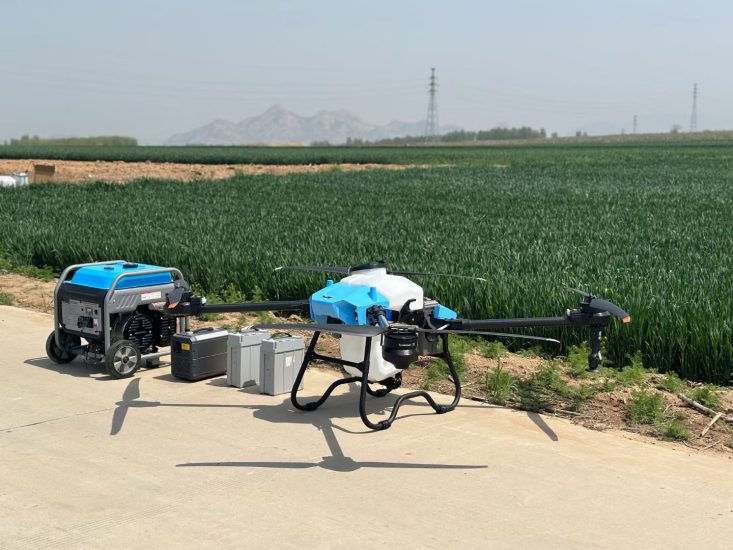


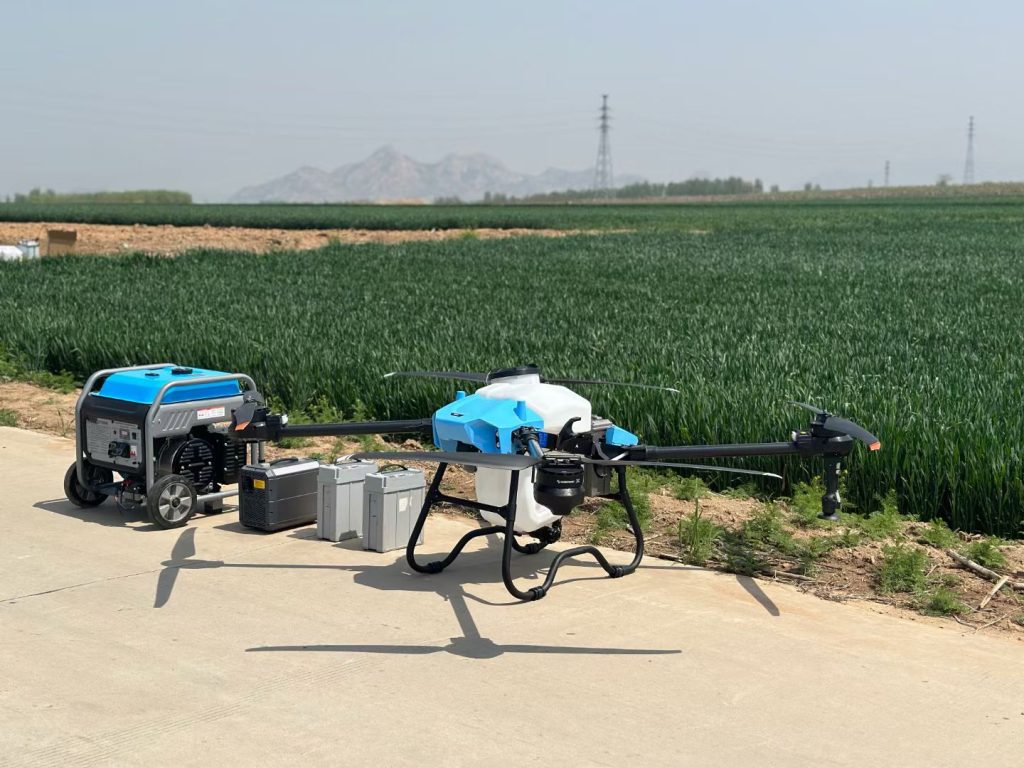
Agricultural drones are becoming an important part of modern farming. Farmers and agricultural service providers are looking for new equipment to improve crop spraying operations, manage labor requirements, and support large-scale agricultural production.
This creates business opportunities for agricultural equipment distributors, machinery dealers, importers, and entrepreneurs interested in entering the agricultural drone industry.
However, starting an agricultural drone distribution business requires more than finding a supplier and purchasing products. You need to understand your local agricultural market, choose suitable drone models, establish a reliable supply chain, and provide after-sales support.
For entrepreneurs planning to source agricultural spraying drones from China, working with an experienced manufacturer can be an important part of building a sustainable business.
This guide explains how to start an agricultural drone distribution business and what to consider when selecting a manufacturing partner.
1. Understand the Agricultural Drone Market in Your Country
Before purchasing agricultural drones, research the demand in your target market.
Agricultural conditions vary significantly between countries and regions. Some markets have large rice-growing areas, while others focus on corn, wheat, sugarcane, cotton, fruit plantations, or other commercial crops.
Start by identifying the main agricultural industries in your country.
Consider the following questions:
- Which crops are widely cultivated?
- How large are the average farms?
- Do farmers currently use manual or mechanical spraying?
- Are agricultural spraying services available?
- Is there demand for commercial spraying drones?
- Are local farmers familiar with drone technology?
- What agricultural equipment brands are already available?
Understanding these factors helps you identify potential customers and select appropriate products.
For example, a market with extensive rice cultivation may have different spraying equipment requirements from a market focused on fruit orchards.
Your product strategy should reflect local farming conditions rather than simply following popular models in other countries.
2. Identify Your Target Customers
An agricultural drone distributor can serve several types of customers.
Agricultural Equipment Dealers
Existing machinery dealers may want to add agricultural drones to their product portfolios.
They already have relationships with farmers and may have experience selling tractors, irrigation equipment, fertilizers, and other agricultural products.
Commercial Farms
Large farming businesses may purchase drones directly for their own agricultural operations.
Agricultural Spraying Service Companies
Some businesses provide spraying services to multiple farms rather than purchasing drones for individual farmers.
These companies may require several drones, additional batteries, chargers, and replacement parts.
Government and Agricultural Projects
Agricultural technology projects may create opportunities for equipment suppliers, subject to local procurement requirements.
Agricultural Entrepreneurs
New businesses may purchase drones and offer spraying services to local farmers.
Identifying your primary customer group will help determine which drone configurations, service packages, and marketing strategies are appropriate.
3. Choose the Right Agricultural Drone Models
Product selection is one of the most important decisions for a new distributor.
Different customers require different tank capacities, flight configurations, and operating capabilities.
A practical product portfolio may include:
| Product Category | Potential Customers |
|---|---|
| 10L–20L Agricultural Drones | Smaller farms and specialized operators |
| 30L Agricultural Drones | Medium-sized farming operations |
| 50L Agricultural Drones | Commercial farms and spraying service companies |
| Higher-Capacity Models | Specialized large-scale agricultural projects |
These are general market segments. Actual model selection should be based on the manufacturer’s available products and local operating requirements.
For distributors targeting commercial farming businesses, a 50L agricultural spraying drone may be an important product to evaluate.
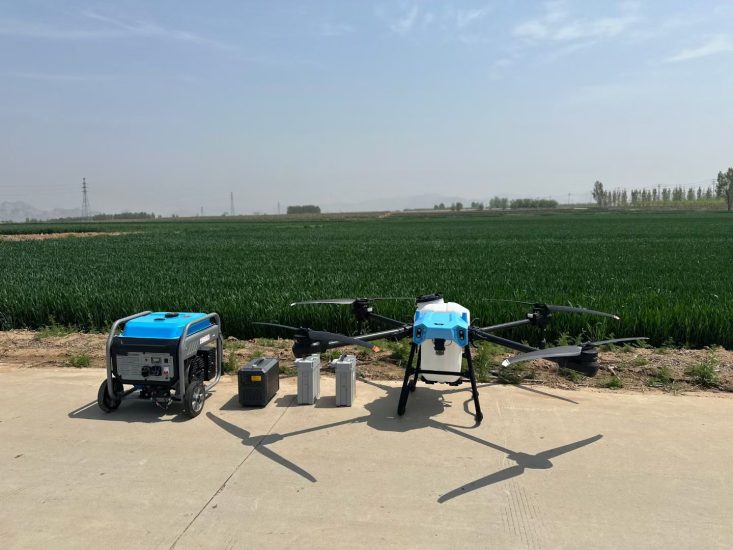
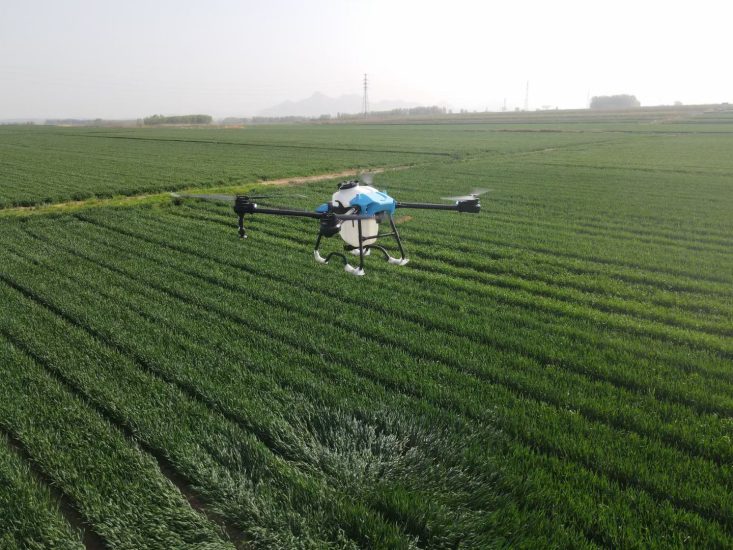
The MSOEN M50 is a 50L agricultural spraying drone designed for commercial crop spraying applications.
When comparing models, review:
- Tank capacity
- Maximum takeoff weight
- Battery configuration
- Flight time under specified payload conditions
- Spraying flow rate
- Spray width
- GPS and RTK functions
- Terrain-following capabilities
- Obstacle detection
- Replacement parts availability
Do not select a product based on tank capacity or advertised performance alone. The complete configuration and actual operating conditions matter.
4. Find a Reliable Agricultural Drone Manufacturer in China
For overseas distributors, selecting the right Chinese supplier is an important part of the business.
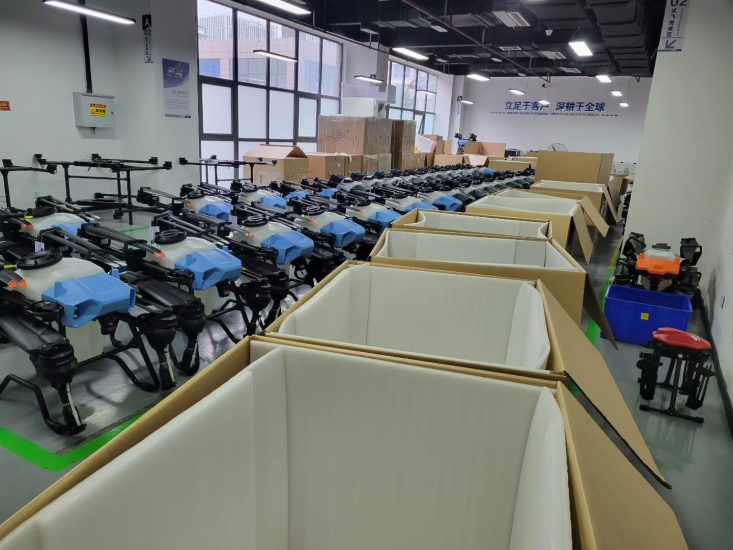
A suitable manufacturing partner should be able to provide clear product specifications, consistent configurations, technical documentation, and access to replacement components.
Before establishing cooperation, investigate the following:
Product Information
Request complete technical specifications, product photos, videos, and operating demonstrations.
Manufacturing Capability
Ask about the manufacturer’s production arrangements, quality-control procedures, and available product models.
Product Configuration
Confirm the batteries, charger, remote controller, spraying system, and optional equipment included in each package.
OEM and ODM Services
If you intend to sell products under your own brand, discuss available customization services.
Spare Parts
Check whether replacement propellers, pumps, nozzles, batteries, and other components are available.
Warranty and Technical Support
Understand the warranty terms, troubleshooting process, and availability of technical assistance.
It is also advisable to request a sample unit or conduct an equipment evaluation before making a large purchase.
5. Consider OEM and Private Label Agricultural Drones
For distributors who want to build their own agricultural equipment brand, OEM cooperation may be an attractive option.
Instead of selling products only under the manufacturer’s existing brand, you may be able to offer agricultural drones under your own company name.
Possible OEM services include:
- Company logo customization
- Product color options
- Custom labels
- Packaging design
- User manual customization
- Branding materials
- Selected accessory configurations
ODM cooperation may involve more extensive product modifications, depending on the manufacturer’s engineering capabilities.
Before beginning an OEM project, discuss:
- Available customization options
- Minimum order quantity
- Logo and packaging requirements
- Product development costs
- Production lead time
- Quality-control arrangements
- Intellectual property and branding rights
A clear agreement helps avoid misunderstandings during production and delivery.
Learn more about our OEM Drone Manufacturing Services.
6. Calculate Your Agricultural Drone Distribution Business Costs
A successful distribution business needs a realistic financial plan.
Do not calculate profitability using the purchase price and selling price alone.
Your total business costs may include:
| Cost Category | Examples |
|---|---|
| Product Purchasing | Drone aircraft and complete equipment packages |
| Batteries and Chargers | Additional batteries and charging systems |
| International Shipping | Freight, insurance and transportation |
| Import Costs | Customs duties, taxes and clearance charges |
| Local Operations | Warehousing and domestic delivery |
| Marketing | Website, advertising and promotional activities |
| Demonstrations | Product testing and customer demonstrations |
| After-Sales Support | Spare parts, maintenance and technical assistance |
A simple business calculation is:
Estimated Gross Profit = Selling Revenue − Total Product and Import Costs
For example, if a distributor purchases a complete agricultural drone package and imports it into their local market, they should include all shipping, tax, and handling costs before determining the final selling price.
Additional operating expenses should also be included when calculating the overall business profit.
Avoid setting prices based only on competitors’ advertised prices. Your local service level, warranty arrangements, and product configuration can influence the final selling price.
7. Build an After-Sales Service System
After-sales support is especially important in the agricultural drone industry.
Farmers and commercial operators need equipment that can be maintained and repaired when problems occur.
A distributor should consider preparing:
Technical Support
Provide basic product instructions and help customers understand equipment functions.
Spare Parts Inventory
Maintain commonly required replacement components.
Operator Training
Arrange appropriate training for customers, subject to local licensing and safety requirements.
Maintenance Services
Develop inspection and maintenance procedures for batteries, motors, pumps, propellers, and other equipment.
Warranty Management
Establish a clear process for warranty claims and technical problem reporting.
A distributor that provides reliable after-sales service may have an advantage over businesses that only sell equipment.
8. Check Import Regulations and Agricultural Drone Requirements
Before importing agricultural drones, research the applicable regulations in your target country.
Different markets may have different requirements for commercial drone operations.
Important issues include:
- Drone registration
- Operator licensing
- Commercial flight permissions
- Radio-frequency approvals
- Import documentation
- Product certification
- Lithium battery transportation
- Agricultural chemical application rules
- Local warranty and consumer protection requirements
Some countries may require additional approvals before agricultural drones can be sold or operated commercially.
Distributors should confirm these requirements with relevant local authorities or qualified compliance specialists before importing equipment.
Do not assume that a product approved in one country can automatically be sold and operated in another.
9. How to Find Agricultural Drone Customers
After selecting your products and establishing a supplier relationship, the next step is customer acquisition.
There are several ways to promote an agricultural drone distribution business.
Build a Professional Website
Create a website introducing your company, product models, specifications, services, and contact information.
Use relevant search terms such as:
- Agricultural Drone Distributor
- Agricultural Spraying Drone
- Crop Spraying Drone
- Agricultural Drone Supplier
- 50L Agricultural Drone
Publish practical articles explaining agricultural applications and equipment selection.
Use Social Media
Publish product demonstrations, field operations, technical explanations, and customer education videos.
Attend Agricultural Exhibitions
Agricultural equipment exhibitions can help you meet farming businesses, distributors, and potential commercial partners.
Contact Agricultural Cooperatives
Agricultural cooperatives may be useful channels for introducing new spraying technology.
Offer Product Demonstrations
Demonstrations can help potential customers understand how the equipment works and whether it suits their agricultural operations.
All demonstrations should follow local aviation and agricultural application regulations.
10. Why Work with MSOEN as Your Agricultural Drone Supplier?
MSOEN provides agricultural and industrial drone solutions for international buyers, distributors, and commercial customers.
Our agricultural drone product range includes spraying solutions designed for different farming and agricultural applications.
The M50 50L agricultural spraying drone is one of the products that distributors can evaluate for commercial farming markets.
MSOEN can discuss cooperation requirements such as:
- Agricultural drone product supply
- Different equipment configurations
- Battery and charger packages
- Spare parts and accessories
- OEM branding options
- ODM customization discussions
- International distributor cooperation
For businesses planning to establish their own agricultural drone brand, OEM and ODM cooperation may provide opportunities to develop a product offering that matches local market requirements.
We encourage potential distributors to provide information about their target country, customer base, and expected purchasing quantity so that suitable cooperation options can be discussed.
Explore our Agricultural Drone Product Range.
11. Frequently Asked Questions
Q1: Is agricultural drone distribution a good business opportunity?
It may offer opportunities in markets where farmers and agricultural service providers are adopting precision farming technologies. Success depends on local demand, product suitability, regulations, competition, and after-sales support.
Q2: How do I become an agricultural drone distributor?
Start by researching your local market, identifying target customers, selecting suitable products, and contacting manufacturers. Discuss product pricing, minimum order quantities, branding options, warranty terms, and distribution arrangements.
Q3: Can I buy agricultural drones directly from China?
International buyers can source agricultural drones from Chinese suppliers. Before ordering, verify the supplier, product configuration, export documentation, battery transportation requirements, and destination import regulations.
Q4: Can I sell agricultural drones under my own brand?
OEM arrangements may allow distributors to customize logos, product colors, packaging, and selected product details. The available options depend on the manufacturer’s capabilities and project requirements.
Q5: What is the difference between OEM and ODM agricultural drones?
OEM generally involves manufacturing products according to an existing product design with customer branding or agreed customization. ODM may involve more extensive product design and development services.
Q6: Do agricultural drone distributors need spare parts?
Yes. Maintaining access to replacement batteries, propellers, pumps, nozzles, and other model-specific components can help support customers and reduce equipment downtime.
Q7: How much capital is required to start an agricultural drone distribution business?
The required investment varies by country, business model, product quantity, import costs, marketing budget, and after-sales service arrangements. A detailed business plan should be prepared before purchasing inventory.
Q8: Can MSOEN discuss long-term distribution cooperation?
Potential distributors can contact MSOEN to discuss product supply, OEM/ODM options, purchasing requirements, and possible cooperation arrangements. Specific commercial terms should be confirmed directly.
12. Contact MSOEN to Discuss Agricultural Drone Distribution
Are you planning to start an agricultural drone distribution business in your country?
Are you an agricultural equipment dealer looking to expand your product range?
MSOEN welcomes inquiries from international importers, distributors, agricultural equipment businesses, and companies interested in OEM/ODM cooperation.
To help us understand your business requirements, please provide:
- Company name
- Country and target market
- Existing agricultural equipment business
- Interested drone models
- Estimated purchasing quantity
- OEM or standard branding requirements
Our team can discuss available agricultural drone products and potential supply cooperation.


No comments yet