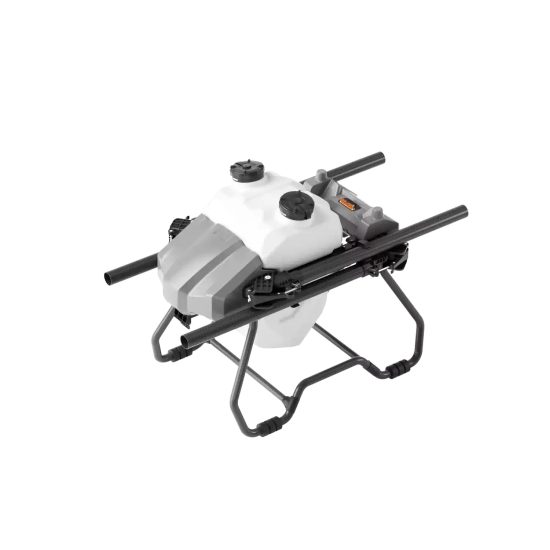



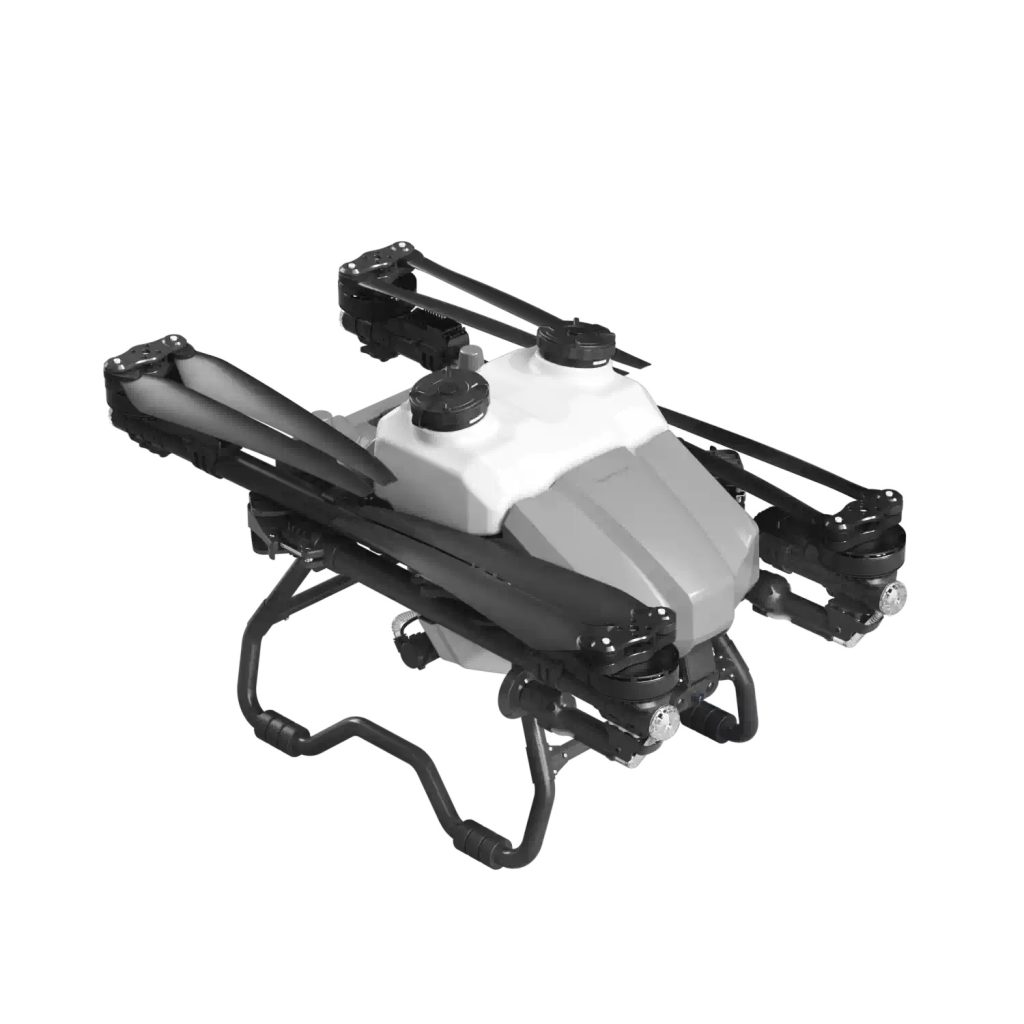
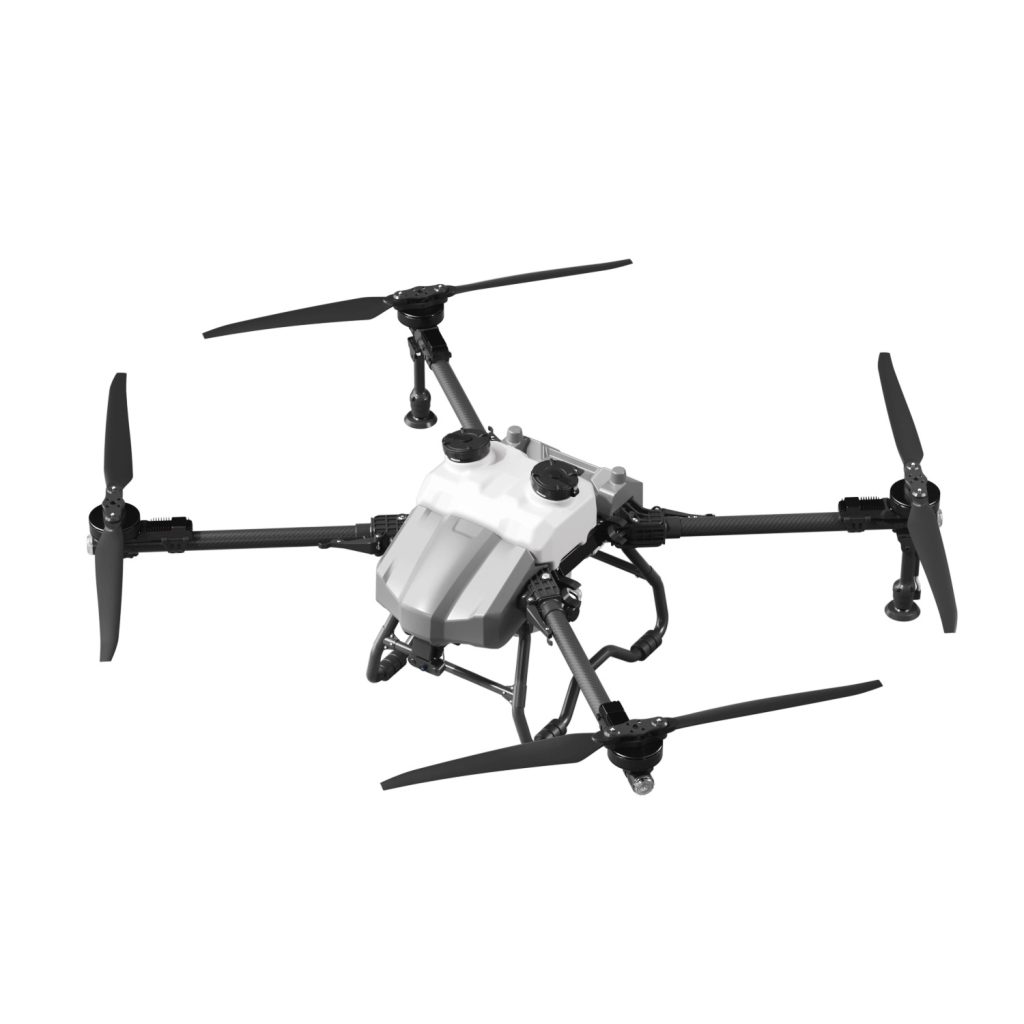
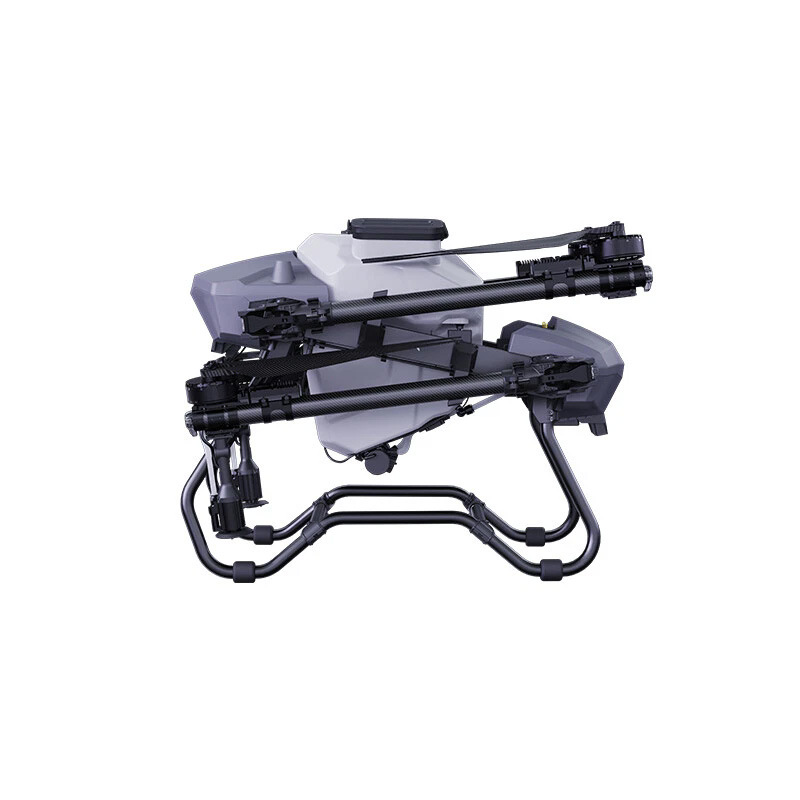
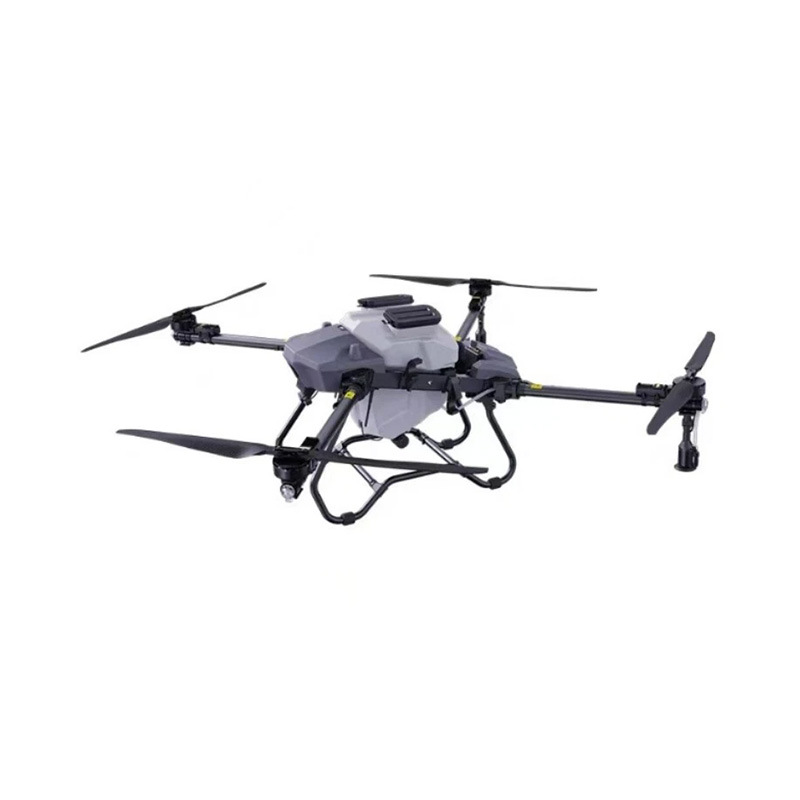
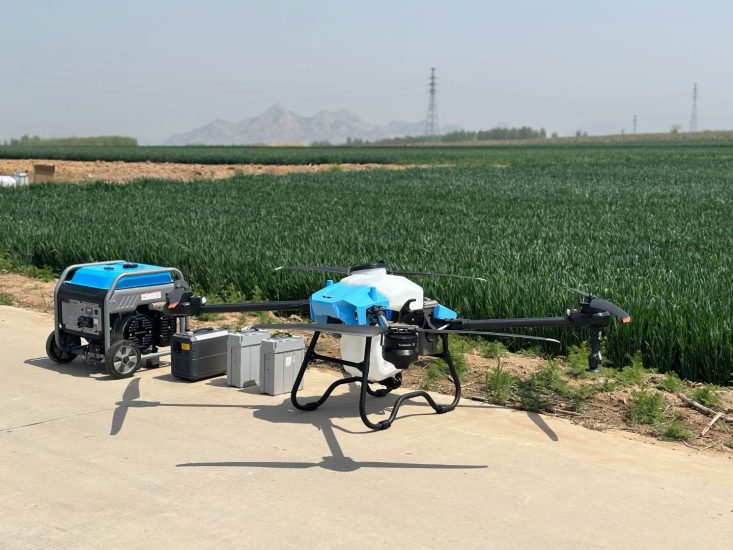
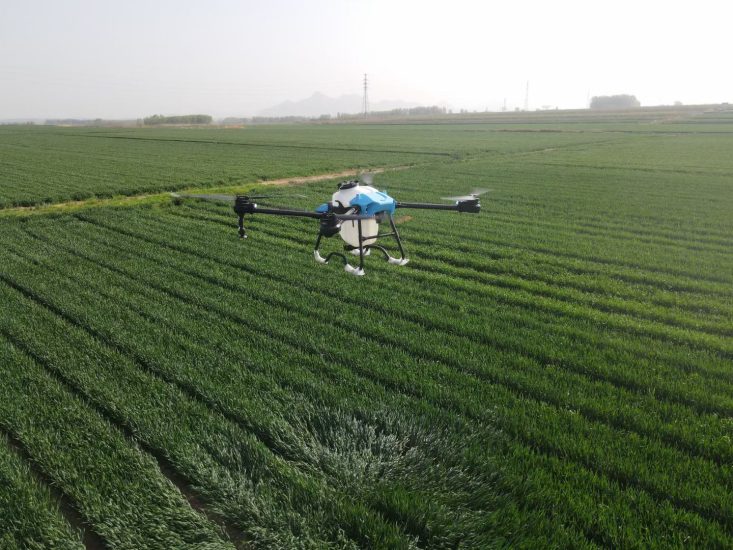
While much of the world is still debating the future of automation, China’s farmland is already living it. The skies above the country’s vast agricultural heartlands are increasingly filled with the steady hum of unmanned aerial vehicles (UAVs). But beyond the impressive videos of swarming drones, what is the actual impact of this technology on the ground? The story isn’t just about machines; it’s about solving three critical challenges facing modern agriculture.
1. Solving the “Who Will Farm?” Crisis
China faces a demographic shift. The average age of farmers is rising, and younger generations are moving to urban centers. The physical toll of carrying heavy spray equipment across hundreds of acres is no longer sustainable. Autonomous drones have stepped in as a necessary replacement for manual labor. They don’t tire, they don’t suffer from heatstroke, and they don’t require days off. This shift is keeping farms operational despite the shrinking rural workforce.
2. The Science of the Droplet
Traditional spraying methods often result in “drift”—chemicals blowing away from the target or evaporating before hitting the leaves. Advanced agricultural drones utilize “downwash” aerodynamics. The powerful airflow generated by the rotors forces droplets downward, ensuring deep penetration into the crop canopy. This means better pest control with less chemical waste. For crops like cotton and corn, where height and density are issues, this aerodynamic advantage is revolutionary.
3. Night Operations and Weather Windows
Pesticides are often most effective when applied in cool, windless conditions—typically at night or early morning. Unlike human laborers who need rest, drones operate 24/7. This allows farmers to take advantage of critical weather windows. If a storm is coming, a fleet of drones can spray an entire farm in hours, protecting the crop just in time. This agility is something ground-based machinery simply cannot match.
The Road Ahead: Integration, Not Isolation
The next phase of development isn’t just about bigger tanks or longer flight times. The real progress lies in integration. We are seeing drones that sync directly with satellite data and ground sensors. A farmer can now walk a field, identify a problem area using a smartphone, and dispatch a drone to treat that specific spot automatically. This move towards hyper-targeted, data-driven application marks the true maturity of the industry.
Conclusion
The proliferation of agricultural spraying drones in China is not a temporary trend; it is the new standard. By addressing labor shortages, increasing application efficiency, and enabling round-the-clock operations, this technology is securing the future of food production. For any stakeholder in agriculture, understanding this shift is no longer optional—it is essential for survival.
THE END


No comments yet