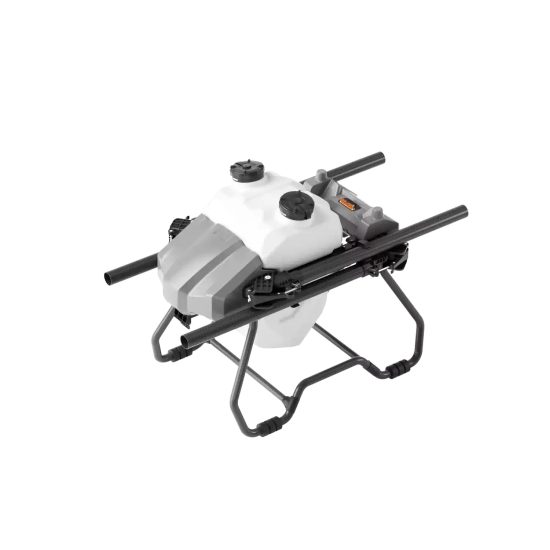



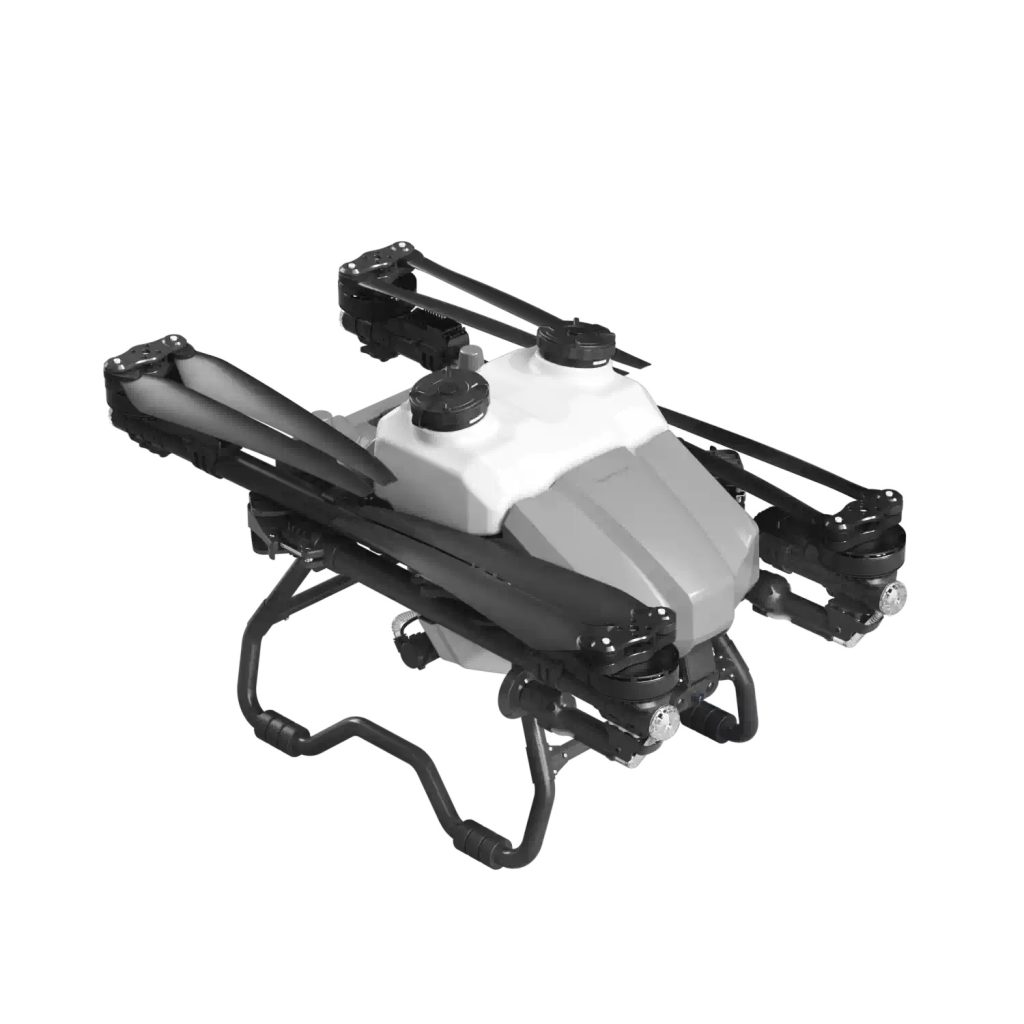
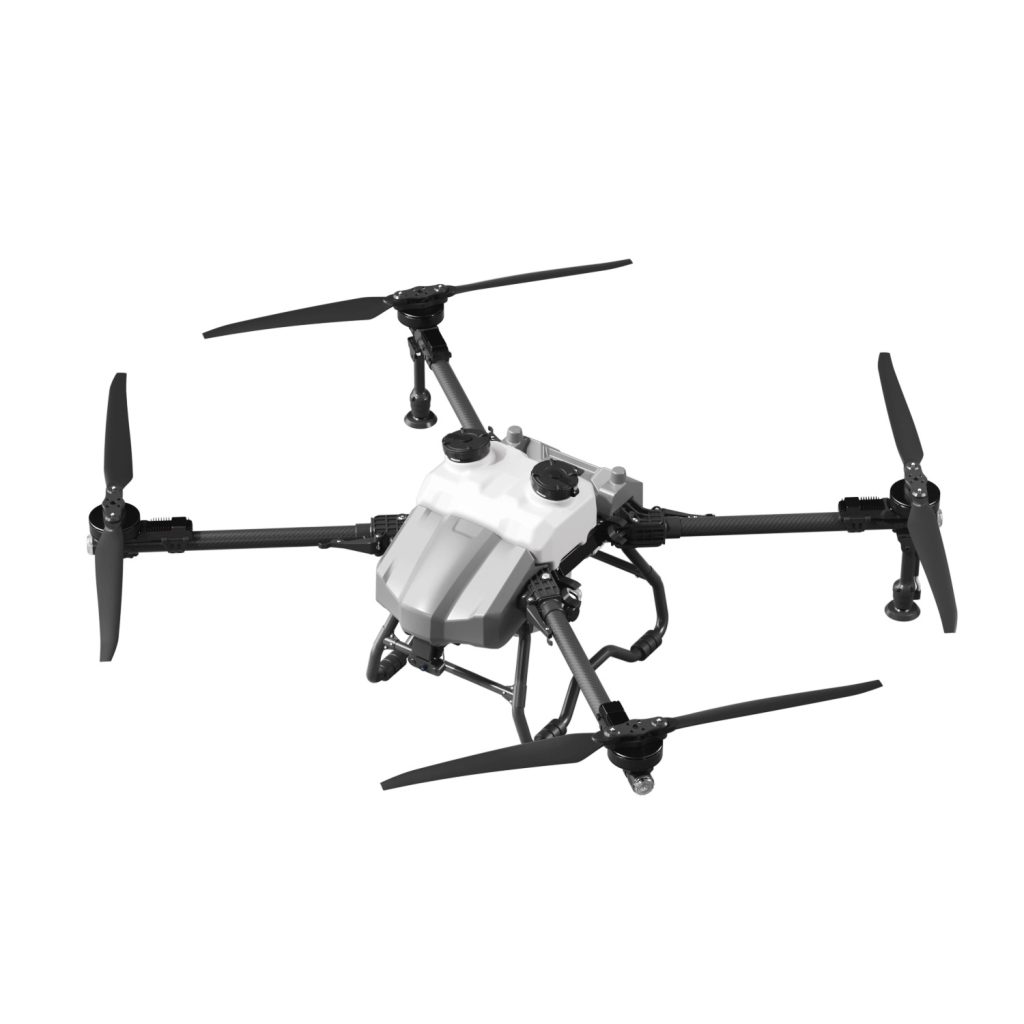
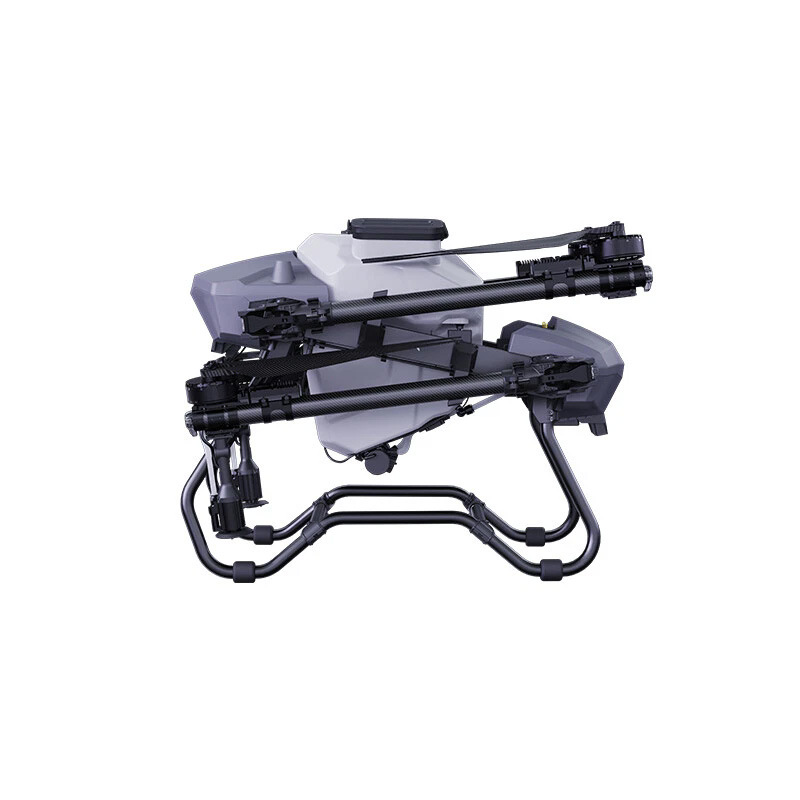
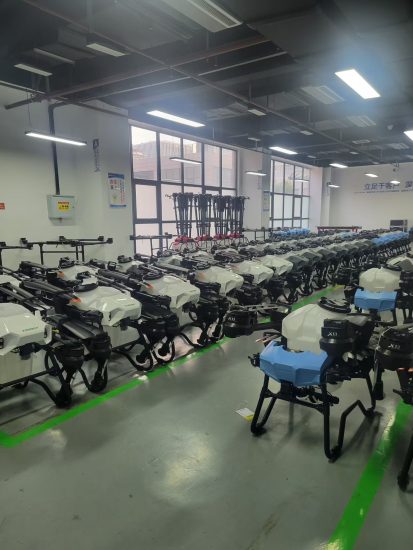
In the sprawling agricultural heartlands of China, a silent revolution is taking place. The image of a lone farmer manually spraying crops with a heavy knapsack has been largely replaced by the hum of electric motors and the sight of autonomous drones skimming above the fields. For international buyers and domestic agribusinesses looking to source spraying drones from China, the market presents a paradox: it is both incredibly mature and overwhelmingly crowded.
While many articles focus on specifications like payload capacity and battery life, few discuss the concept of Total Cost of Ownership (TCO). When evaluating a Chinese manufacturer, the sticker price is merely the tip of the iceberg. The true cost is hidden in maintenance, efficiency, and the value of the data collected. This article explores the deeper metrics that define a high-quality agricultural drone ecosystem, moving beyond marketing jargon to practical, long-term value.
1. The Physics of Efficiency: Aerodynamics vs. Brute Force
Many manufacturers attempt to increase spraying capacity by simply adding more rotors and larger batteries. However, elite engineering focuses on aerodynamic efficiency.
Downwash Management:
The primary goal of a spraying drone is to get chemicals onto the plant. The way a drone’s rotors push air downwards (downwash) determines coverage. A superior manufacturer designs the propeller geometry and motor configuration to create a focused, high-velocity vortex. This ensures that the spray penetrates the canopy of dense crops like soybeans or corn, reaching the stems and undersides of leaves. Inferior drones create turbulent, unfocused airflow that merely wets the top of the plants, leaving pests and diseases unchecked below.
Energy Density and Frame Design:
Weight is the enemy of flight time. Top-tier manufacturers obsess over weight reduction through advanced materials like forged carbon fiber and magnesium alloys. More importantly, they optimize the power-to-weight ratio. A lighter drone requires smaller batteries, which further reduces weight, creating a virtuous cycle of efficiency. Buyers should look for manufacturers who publish realistic flight times under full load rather than theoretical maximums.
2. The Software Moat: From Automation to Autonomy
Hardware is a commodity; software is the differentiator. The sophistication of the Ground Control Station (GCS) software is a direct reflection of a manufacturer’s R&D depth.
Algorithmic Path Planning:
In fragmented Chinese farmlands, fields are often irregularly shaped. Basic drones require manual boundary mapping, which is time-consuming. Leading manufacturers offer AI-powered mapping that can identify field boundaries, obstacles, and even different crop types using satellite imagery. The software should automatically generate the most efficient flight path, minimizing empty travel time and maximizing spray coverage.
Variable Rate Application (VRA):
The future of agriculture is prescription spraying. Advanced drones can integrate with multispectral sensors to identify areas of a field suffering from pest infestations or nutrient deficiencies. The drone then autonomously adjusts the spray volume and concentration in real-time. A manufacturer capable of delivering this level of precision is not just selling a tool; they are selling a data-driven farming solution.
3. The Durability Quotient: Corrosion Resistance and MTBF
Agricultural chemicals are highly corrosive. Over time, they degrade plastics, metals, and seals. Mean Time Between Failures (MTBF) is a critical metric often ignored by budget manufacturers.
Material Science in Nozzle and Pump Design:
The spraying system is the most abused part of the drone. High-quality manufacturers use ceramic nozzles instead of brass or plastic, as ceramics resist abrasion from chemical granules and hard water. Similarly, the internal tubing and pump diaphragms must be made of chemically inert materials like Viton or Teflon to prevent degradation that could lead to leaks or burst lines mid-flight.
Sealing and Ingress Protection:
Dust and moisture are the enemies of electronics. A drone operating in a rice paddy is constantly exposed to high humidity. Reputable manufacturers subject their components to rigorous IP (Ingress Protection) testing. Seals around the battery compartment, ESCs, and flight controller should be robust enough to handle sudden rain showers or washdowns at the end of the day.
4. The Logistics of Service: The “Right to Repair”
A drone is a consumable asset. Crashes happen. Wear and tear are inevitable. The true measure of a manufacturer is how they handle failure.
Modular Architecture:
Complex repairs should not require a PhD in engineering. The best drones feature a modular design where components—such as the spray tank, pump assembly, or GPS module—can be unplugged and replaced in minutes. This minimizes downtime during the critical spraying season.
Spare Parts Supply Chain:
For a large farming cooperative, a grounded drone is a financial liability. Elite manufacturers maintain regional warehouses with a 24-hour shipping guarantee for critical parts. They also provide detailed digital repair manuals and diagnostic software, empowering users to perform their own maintenance rather than waiting for a technician.
5. Regulatory Navigation and Insurance
The regulatory landscape for drones in China is tightening. A responsible manufacturer acts as a compliance partner.
Remote ID and Airspace Management:
New regulations require drones to broadcast their identity and location. Manufacturers must provide hardware that meets these standards and assist users in registering their fleet with civil aviation authorities. They should also offer geo-fencing data to prevent accidental flights into restricted zones like airports or military bases.
Liability and Crop Insurance:
What happens if a drone malfunctions and sprays the wrong field? Or worse, crashes into a neighboring property? Top-tier manufacturers often partner with insurance companies to offer comprehensive liability coverage for their operators. This de-risks the investment significantly.
Conclusion: The Shift from Product to Platform
Choosing a spraying drone manufacturer in China is no longer about finding the cheapest hardware. It is about selecting a technology partner that understands the nuances of modern agriculture.
When evaluating potential partners, ask these questions:
-
Does their software integrate with my existing farm management systems?
-
What is the MTBF of their motors and ESCs?
-
How quickly can I get a replacement part during the peak season?
-
Does their spraying technology actually improve my crop yield, or just automate a manual task?
By shifting focus from the product to the platform, buyers can identify manufacturers that offer sustainable value. In the competitive world of Chinese agritech, the winners are those who build ecosystems that make farmers more profitable, safer, and smarter. The right choice today will define the productivity of your fields for years to come.
THE END


No comments yet