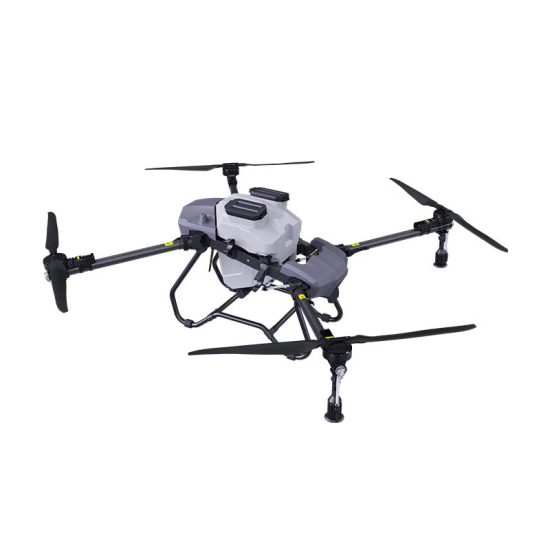


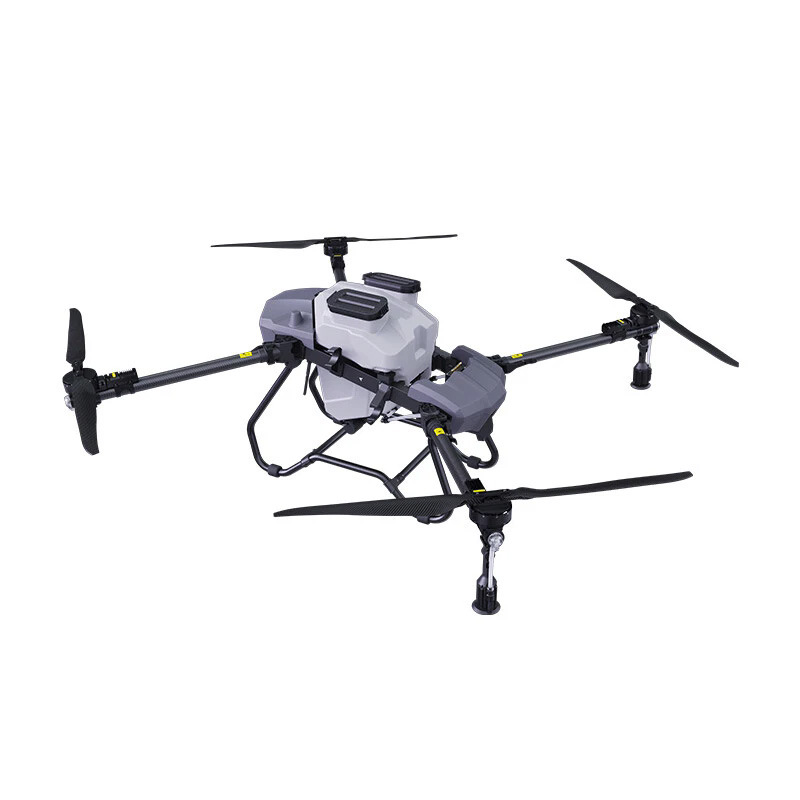
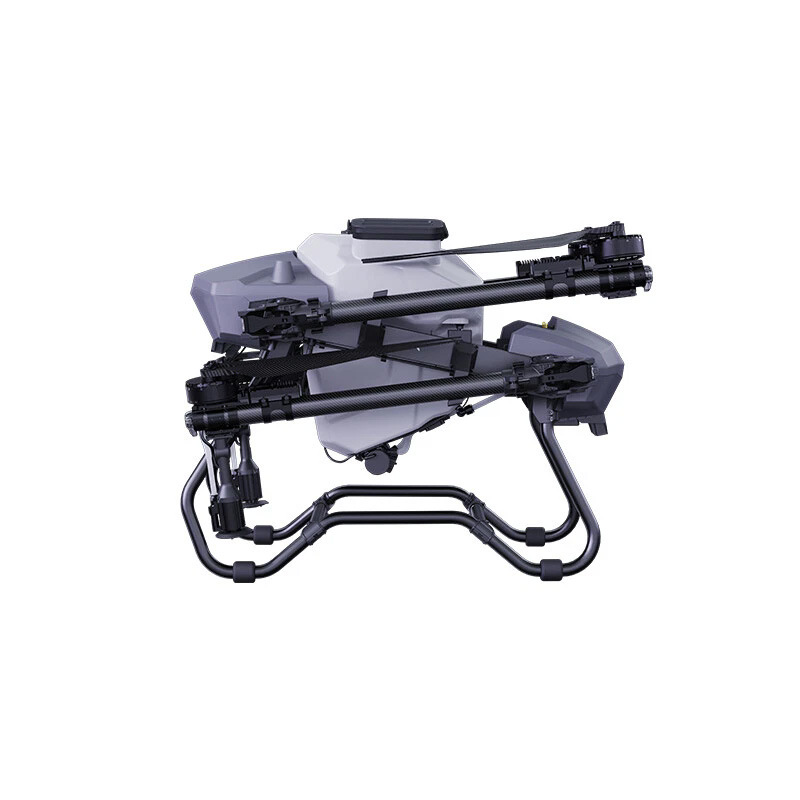

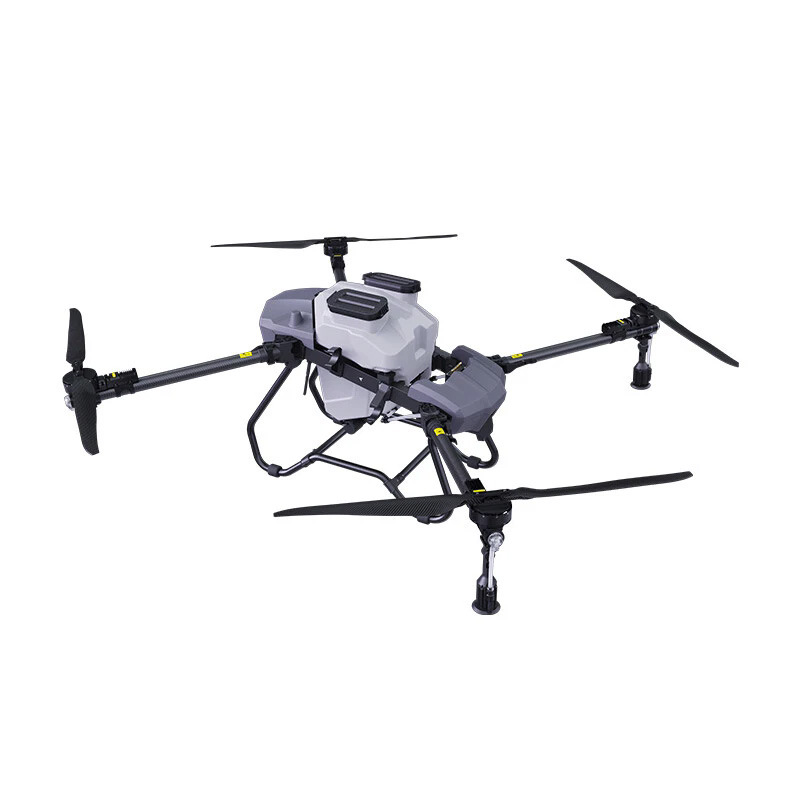

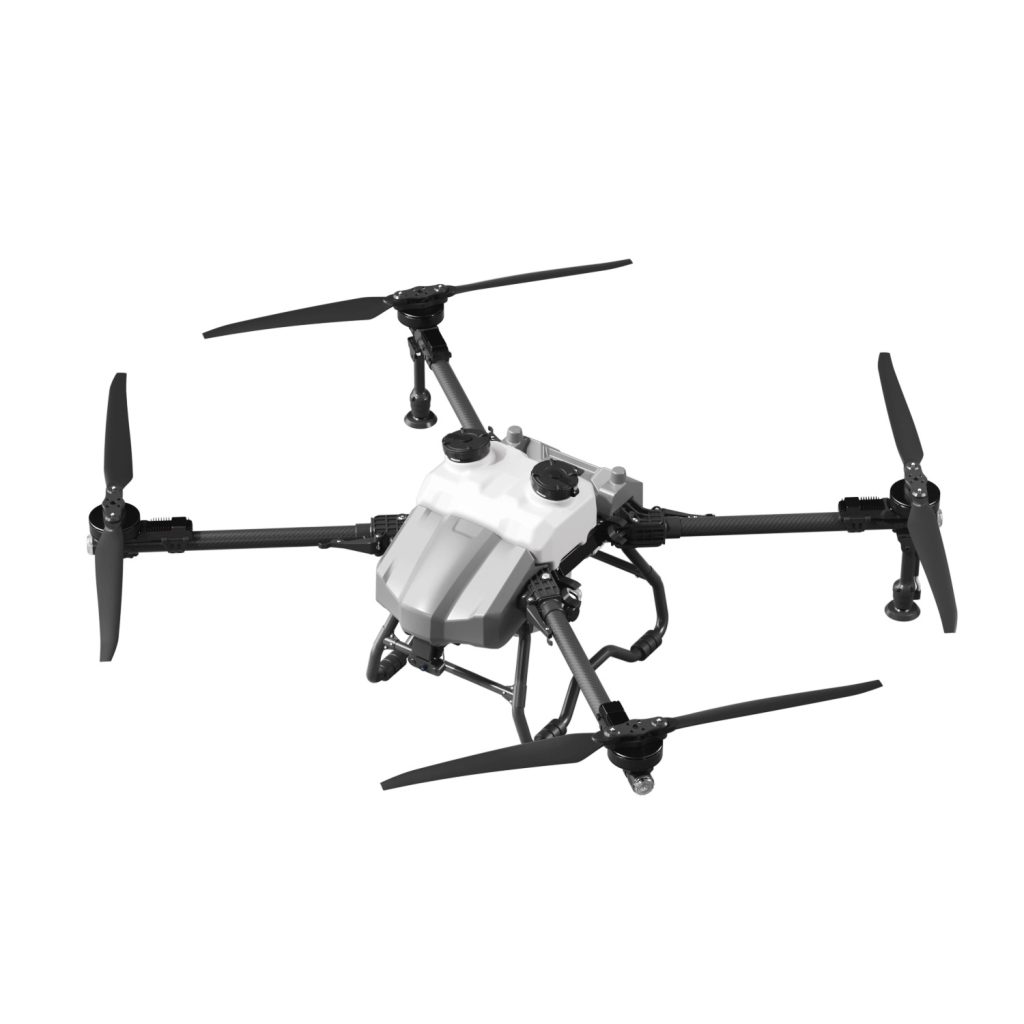
Let’s talk about the biggest lie in agricultural drone marketing: “This drone pays for itself in one season.”
For most orchardists, that’s nonsense. If you only use your drone for spraying, the math usually looks like this: a $15,000 drone spraying 2,000 acres a year at $12/acre gives you $24,000 in revenue. Minus labor, chemicals, and maintenance, you’re lucky to net $8,000. At that rate, it takes nearly two full seasons to break even.
But a new operational model is changing the game. By combining heavy-lift cargo transport with precision granular spreading, top operators are cutting that ROI cycle from 24 months to just 10-12 months.
How? By monetizing the “dead time” in your agricultural calendar.
1. The Problem: The 8-Month Idle Trap
Traditional orchard management has long gaps where spraying isn’t needed.
-
Spring: Spraying (Busy).
-
Summer: Growth (Idle).
-
Fall: Harvest (Idle).
-
Winter: Pruning (Idle).
If your $15,000 asset sits in a shed for 8 months, you’re bleeding money. The “Dual-Mode” strategy attacks this by turning the drone into a general-purpose utility vehicle for the sky.
2. Mode 1: The Heavy-Lift “Sky Crane” (Solving the Labor Crisis)
In steep orchards (apples, citrus, nuts), the biggest bottleneck isn’t spraying; it’s moving stuff.
-
The Old Way: Workers carry 50lb sacks of fertilizer or harvest bins up a 40° slope. It takes 4 hours to move supplies for 10 acres. Workers get tired. Accidents happen.
-
The Drone Way: Using a heavy-lift drone with a sling hook, you can move 50-70 lbs per trip.
-
The Math: Moving 2,000 lbs of fertilizer to a remote part of the orchard manually costs $400 in labor. A drone does it in 30 minutes for $20 in electricity.
New Revenue Stream: Charge neighboring farms $150/hour for “orchard logistics.” Many farmers will gladly pay to avoid back injuries and broken equipment.
3. Mode 2: The Granular Spreader (The Dry Season Goldmine)
Most drones come with a liquid tank. Smart operators buy the granular spreader attachment.
-
Application: Spreading solid fertilizer, lime, cover crop seeds, or even rodent bait.
-
The Advantage: Unlike tractors, drones don’t compact the soil. Soil compaction in orchards reduces yields by up to 20%. Using a drone for spreading eliminates this.
-
The Math: You can spread 300 acres of solid fertilizer in a day. At $8/acre, that’s $2,400/day in revenue during months when you would normally be idle.
4. The ROI Breakdown: Halving the Payback Period
Let’s look at a real-world 12-month projection for a $15,000 drone investment in a walnut orchard:
Season |
Activity |
Revenue Generated |
Net Profit (Est.) |
|---|---|---|---|
Spring |
Liquid Spraying (Fungicide/Herbicide) |
$12/acre x 500 acres |
$3,000 |
Late Spring |
Granular Spreading (Fertilizer) |
$8/acre x 500 acres |
$2,000 |
Summer |
Cargo Transport (Harvest Support) |
$150/hr x 20 hours |
$2,500 |
Fall |
Cover Crop Seeding (Granular) |
$10/acre x 500 acres |
$3,000 |
Winter |
Equipment Transport / Neighbors |
$150/hr x 20 hours |
$2,500 |
Total Annual Profit |
$13,000 |
The Verdict: Instead of taking 2 years to recoup your investment, you are 90% of the way there in 12 months. By the second season, almost every dollar earned is pure profit.
5. Technical Requirements: What to Look For
To achieve this, you can’t use a toy. You need specific hardware:
-
Max Payload: Must be at least 40-50 lbs. Anything less isn’t worth the effort for cargo.
-
Quick-Release Systems: You must be able to swap the spray tank for the spreader in under 2 minutes. Downtime is the enemy.
-
RTK Positioning: For spreading seeds or lime, you need centimeter-level accuracy so you don’t double-spread or miss spots.
Conclusion: Stop Thinking Like a Pilot
Your drone is not a sprayer. It is a vertical takeoff utility platform.
By ignoring the “spray-only” mentality and embracing the dual-mode approach, you transform a seasonal expense into a year-round income generator. The drone stops being a cost center and becomes the hardest working employee on your farm.
THE END


No comments yet