



Introduction
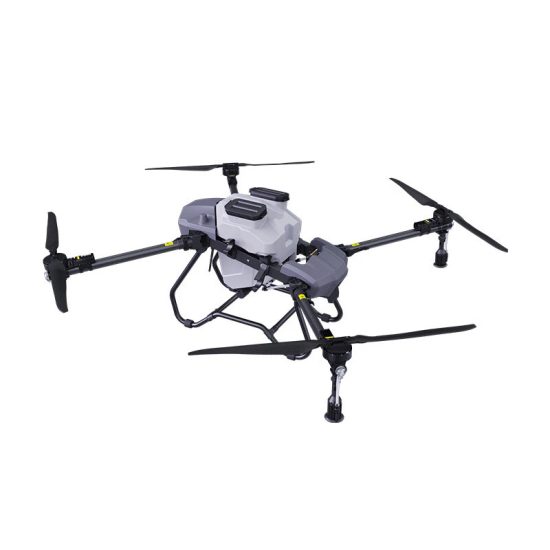
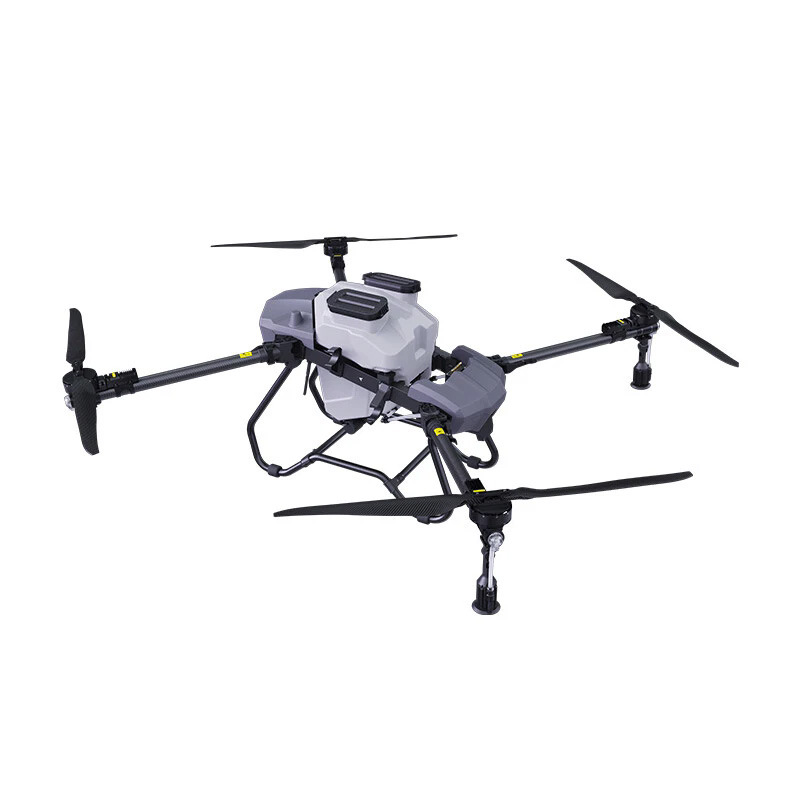
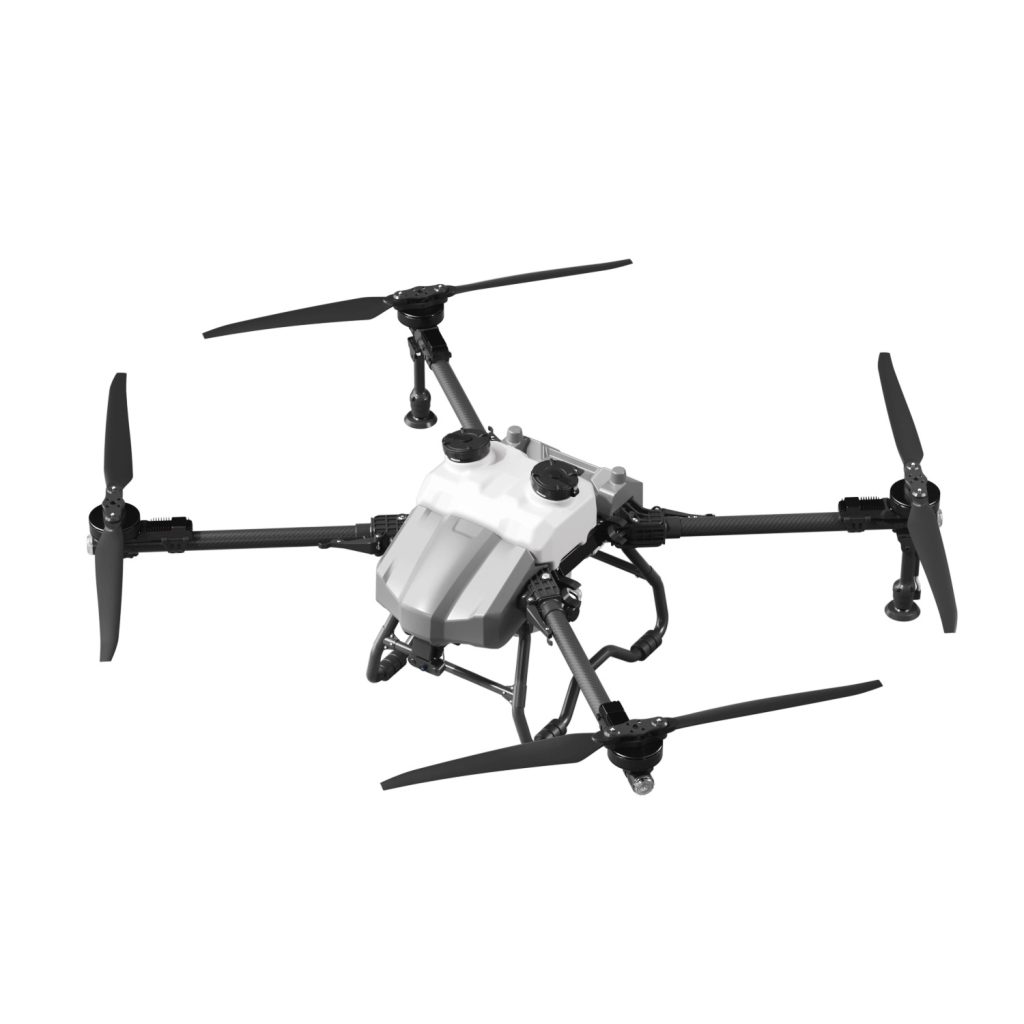
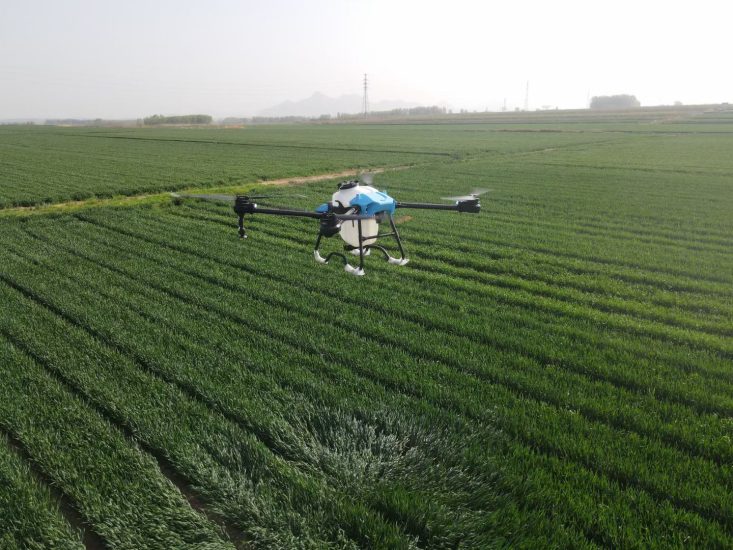
The agricultural industry is rapidly evolving, and smart farming technologies are becoming essential for improving productivity, reducing labor costs, and increasing crop yields. Among these innovations, plant protection drones—also known as agricultural spraying drones or crop protection UAVs—have become one of the most important tools for modern farming.
China is currently the global leader in the manufacturing and export of agricultural drones. With strong supply chain advantages, advanced drone technology, and competitive pricing, Chinese plant protection drone suppliers are serving farmers, distributors, and agricultural service companies worldwide.
But with so many suppliers in the market, a key question arises:
Which Chinese plant protection drone supplier is the best in 2026?
This article will help you understand how to evaluate suppliers, what to look for, and how to choose a reliable partner for your agricultural drone business or farming operation.
What Is a Plant Protection Drone?
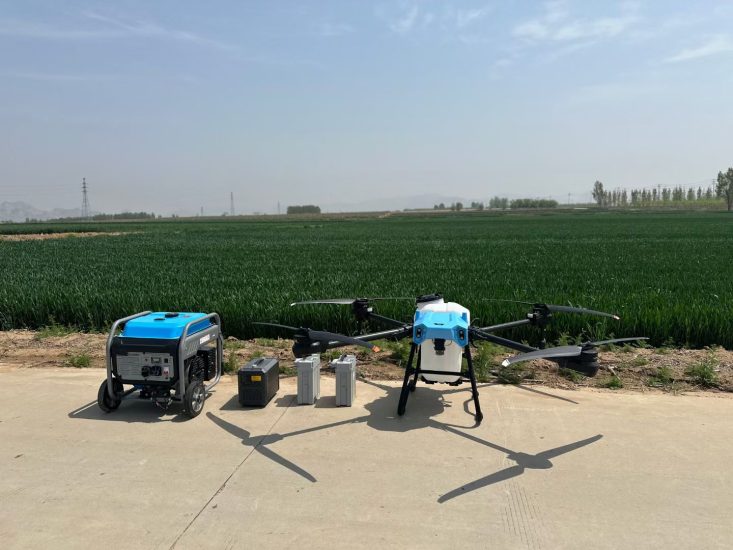
A plant protection drone is an unmanned aerial vehicle (UAV) designed for agricultural tasks such as:
- Crop spraying (pesticides, herbicides, fertilizers)
- Precision farming applications
- Field mapping and monitoring
- Pest and disease control
- Seed spreading in some models
These drones use GPS navigation, intelligent flight control systems, and automated spraying technology to improve efficiency and reduce chemical waste.
Compared to traditional manual spraying or tractor-based methods, agricultural drones can:
- Increase efficiency by 5–10 times
- Reduce pesticide usage by 20–30%
- Improve spraying accuracy
- Reduce labor costs significantly
- Work in difficult terrain and large farms
Why China Leads in Agricultural Drone Supply
China has become the global hub for plant protection drone manufacturing due to several advantages:
1. Advanced Drone Manufacturing Ecosystem
China has complete supply chains for:
- Flight controllers
- Lithium batteries
- Carbon fiber frames
- Spray systems
- AI navigation modules
This allows faster innovation and lower production costs.
2. Strong R&D Capabilities
Many Chinese drone suppliers invest heavily in:
- AI route planning systems
- Obstacle avoidance technology
- RTK high-precision positioning
- Smart spraying algorithms
3. Competitive Pricing
Compared with European or American suppliers, Chinese agricultural drones offer:
- Lower initial investment cost
- More flexible OEM/ODM customization
- Better cost-performance ratio
4. Global Export Experience
Chinese suppliers already export to:
- Southeast Asia
- Latin America
- Africa
- Middle East
- Europe
This makes them familiar with international certification and logistics requirements.
How to Choose the Best Plant Protection Drone Supplier in China
When selecting a supplier, it is important to evaluate more than just price. Here are the key factors:
1. Product Quality and Stability
A reliable drone should have:
- Stable flight performance
- Strong wind resistance
- High durability materials
- Waterproof and dustproof design
2. Payload Capacity
Common agricultural drone payloads include:
- 10L / 16L / 20L / 30L / 50L tanks
Larger farms usually require higher payload models for efficiency.
3. Spray System Accuracy
Look for:
- Adjustable droplet size control
- Even spray distribution
- Anti-clogging nozzles
- Efficient pump systems
4. Battery and Endurance
Battery performance is critical:
- Fast charging time
- Long cycle life
- Stable discharge performance
5. GPS and Intelligent Flight System
Modern drones should include:
- RTK positioning
- Autonomous route planning
- Obstacle avoidance sensors
- Return-to-home function
6. After-Sales Support
A good supplier should offer:
- Technical training
- Spare parts availability
- Remote support
- Software updates
7. OEM/ODM Customization
If you are a distributor or brand owner, check:
- Logo customization
- Packaging design
- Firmware customization
- Hardware modifications
Types of Plant Protection Drone Suppliers in China
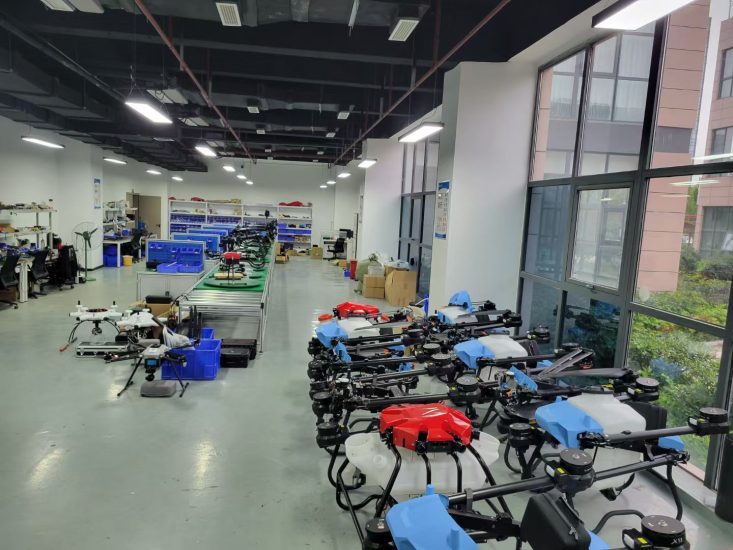
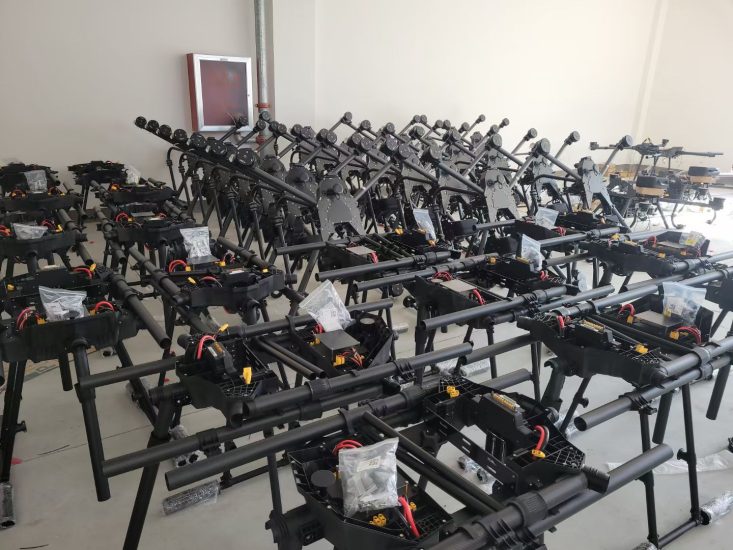
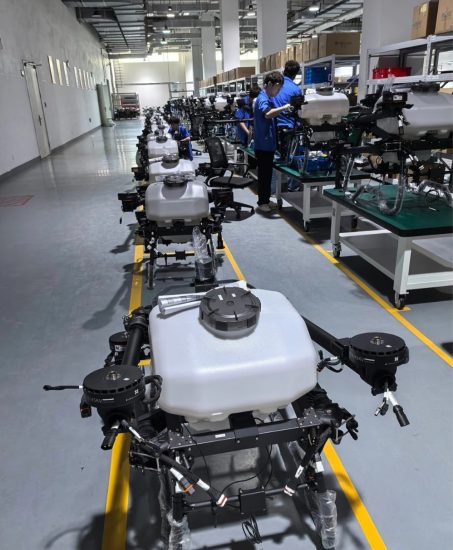
1. Factory Manufacturers
These are direct producers with full control over design and production.
Advantages:
- Lower prices
- Customization support
- Stable supply
Best for:
- Bulk buyers
- Distributors
- OEM brands
2. Trading Companies
They do not produce drones but source from multiple factories.
Advantages:
- Flexible product selection
- Lower minimum order requirements
Disadvantages:
- Higher price margin
- Less technical control
3. Integrated Technology Companies
These companies combine R&D, production, and global sales.
Advantages:
- Advanced technology
- Strong innovation capability
- Better long-term cooperation support
Key Features of High-Quality Agricultural Drones
To identify a good supplier, the drone itself should include the following features:
Intelligent Flight Control
Automated route planning allows drones to operate with minimal human input.
Precision Spraying System
Ensures chemicals are applied only where needed, reducing waste.
Terrain Following Technology
Allows drones to adapt to uneven farmland.
Modular Design
Easy to repair, upgrade, and maintain.
Multi-Scenario Usage
Suitable for:
- Rice fields
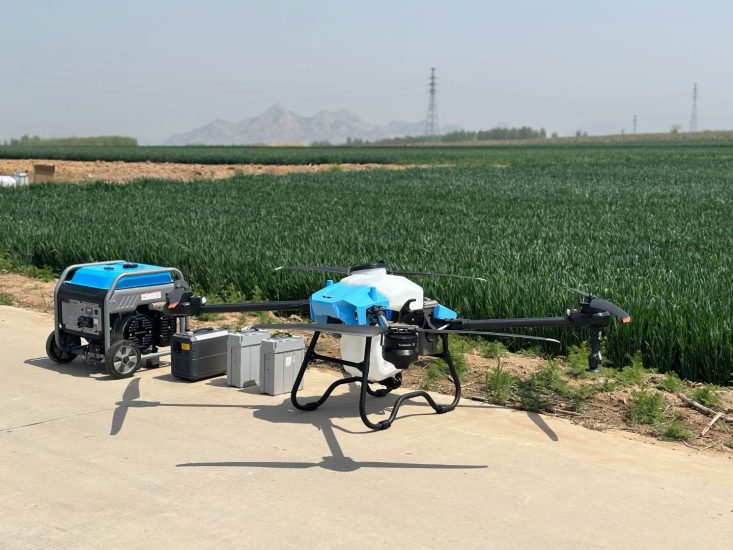
- Wheat farms
- Orchards
- Vegetable farms
Market Trends in 2026
The agricultural drone industry is expected to grow rapidly due to:
1. Labor Shortage in Agriculture
Many countries face aging rural populations, increasing demand for automation.
2. Precision Agriculture Demand
Farmers want higher yield with lower cost.
3. Government Support
Many governments provide subsidies for smart farming equipment.
4. AI Integration
Next-generation drones will include:
- Real-time crop health analysis
- Disease detection
- Automated decision-making systems
Advantages of Working with Chinese Suppliers
Partnering with Chinese plant protection drone suppliers offers:
- Cost-effective procurement
- Advanced technology access
- Fast production cycles
- Global shipping support
- Custom branding opportunities
For agricultural businesses, this creates a strong competitive advantage in local markets.
Common Mistakes When Choosing Suppliers
Avoid the following mistakes:
1. Choosing Only Based on Price
Cheap drones may lack stability and support.
2. Ignoring After-Sales Service
Without support, maintenance becomes difficult.
3. Not Testing Sample Units
Always request samples before bulk orders.
4. Overlooking Certification
Ensure drones meet local import regulations.
Suggested Cooperation Model
A good partnership model with Chinese suppliers usually includes:
- Sample testing phase
- Small batch trial order
- Market feedback collection
- Bulk order expansion
- Long-term OEM cooperation
This reduces risk and improves business success rate.
Frequently Asked Questions (FAQ)
1. Are Chinese plant protection drones reliable?
Yes. Many Chinese drones are widely used globally and meet international standards.
2. What is the price range of agricultural drones?
Depending on specifications, prices range from low-cost entry models to high-end professional systems.
3. Can I customize my own drone brand?
Yes, many suppliers offer full OEM/ODM services.
4. How long does training take to operate a drone?
Usually 1–3 days of basic training is enough for operation.
5. What crops can be sprayed using drones?
Rice, wheat, corn, fruits, vegetables, and plantation crops.
Conclusion
China has become the global leader in plant protection drone manufacturing due to its advanced technology, strong production capacity, and competitive pricing. In 2026, agricultural drones will continue to evolve with AI, automation, and precision farming technologies.
When choosing a supplier, focus on:
- Product stability
- Technical support
- Customization ability
- After-sales service
A reliable Chinese plant protection drone supplier can significantly improve your agricultural efficiency and business competitiveness in the global market.


No comments yet