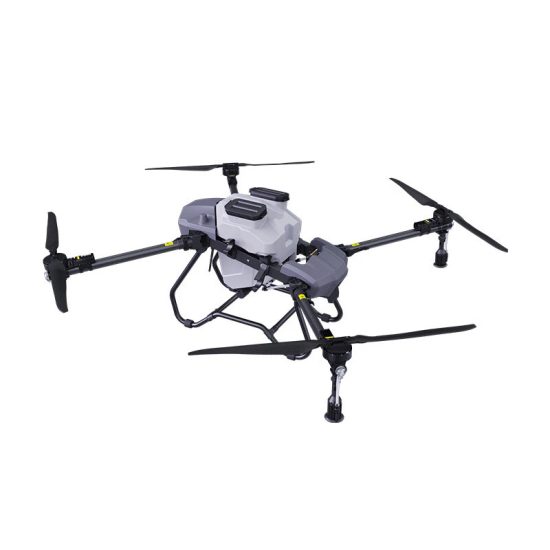


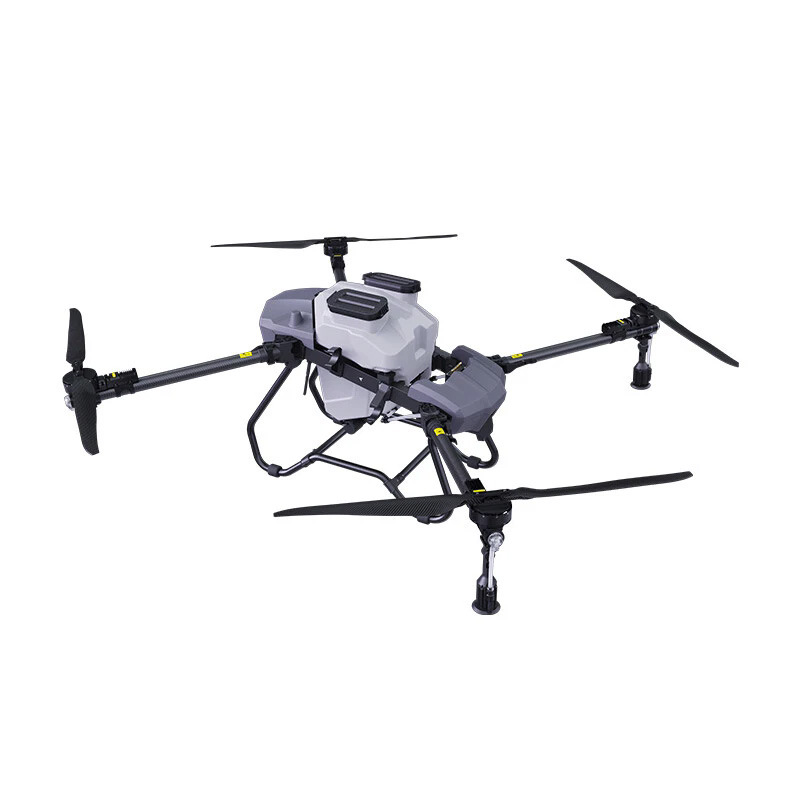
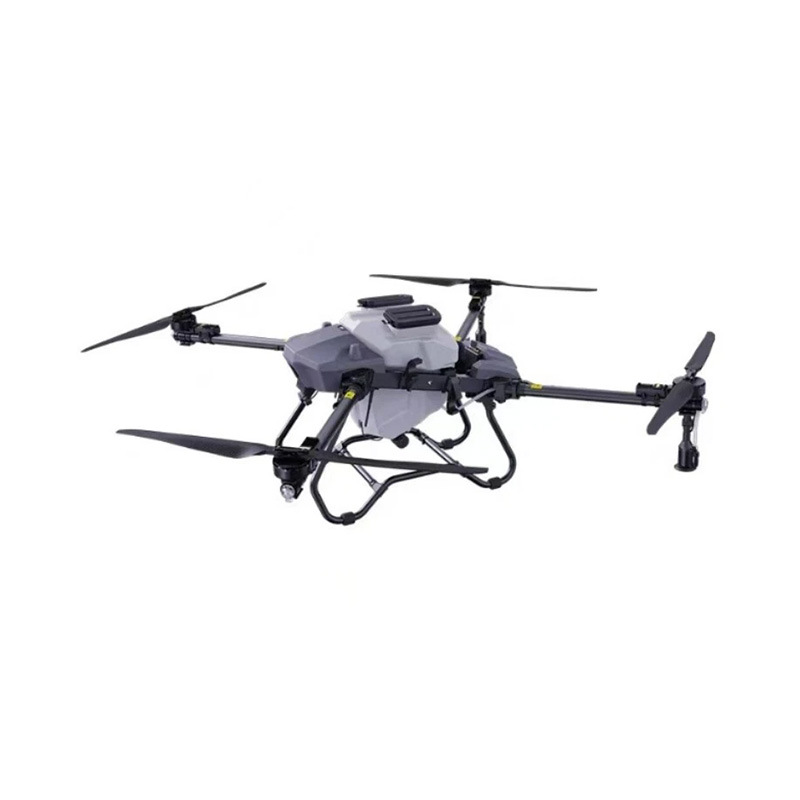
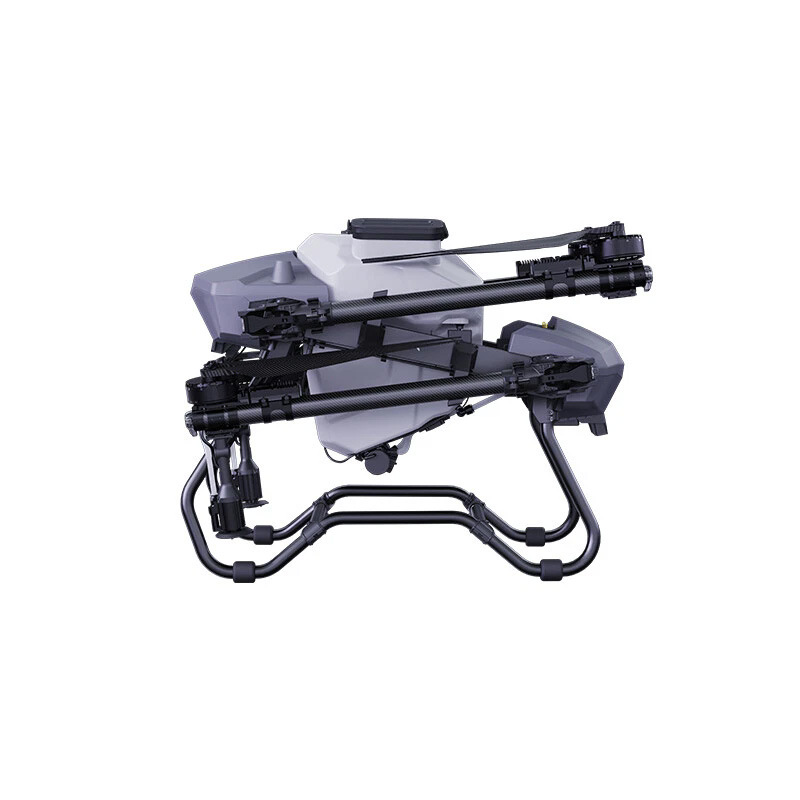
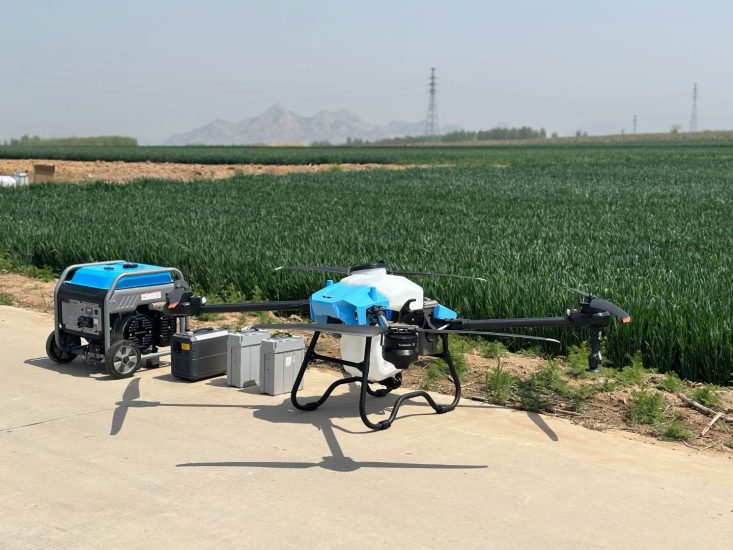
Rice, corn, and wheat are three of the most widely cultivated crops in the world. Managing these large-scale crops efficiently requires modern precision agriculture tools, and agricultural drones have become one of the most effective solutions.
In this guide, we will help you choose the best drone for rice, corn, and wheat farming, based on field conditions, crop requirements, and operational efficiency.
Why Use Drones for Rice, Corn, and Wheat Farming?
Traditional farming methods often struggle with large flat fields and labor-intensive spraying tasks. Agricultural drones solve these challenges by offering:
- Faster spraying speed
- Uniform chemical distribution
- Reduced labor costs
- Lower pesticide waste
- Improved crop health
They are especially effective for large-scale grain farming.
Best Drone Types for Rice Farming
Rice fields are usually wet, flat, and large in size. This requires drones with strong stability and high payload capacity.
Recommended features:
- 20L–30L or 30L–50L tank capacity
- Waterproof and corrosion-resistant design
- RTK precision navigation
- Strong wind resistance
Why it matters:
Rice farming requires frequent spraying for pest control and fertilization, so efficiency and durability are essential.
Best Drone Types for Corn Farming
Corn fields often have taller plants and require precise spraying to avoid damage.
Recommended features:
- Adjustable spray height system
- Obstacle avoidance sensors
- Medium-to-large payload (20L–40L)
- High-precision GPS navigation
Key advantage:
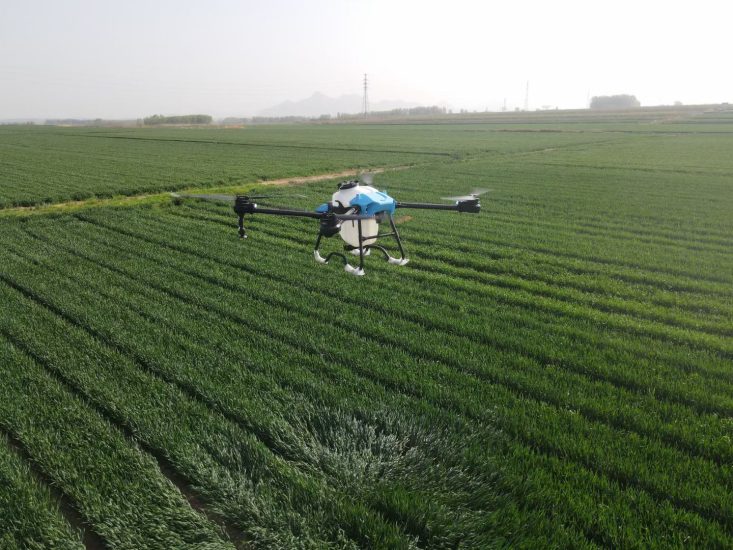
Drones can fly above corn fields and spray evenly without damaging crops.
Best Drone Types for Wheat Farming
Wheat fields are typically wide and flat, similar to rice fields, but require different spraying cycles.
Recommended features:
- Large coverage area per flight
- Efficient battery swapping system
- Stable flight control system
- Long operational time
Why drones are ideal:
They reduce the need for manual spraying across large wheat plantations.
Key Features to Look for in Agricultural Drones
When choosing a drone for rice, corn, or wheat farming, focus on the following:
1. Payload Capacity
- Small farms: 10–20L
- Medium farms: 20–30L
- Large farms: 30–50L+
2. Flight Stability
Stable flight is critical for even spraying and crop safety.
3. GPS Precision (RTK Recommended)
RTK systems provide centimeter-level accuracy for better coverage.
4. Battery Efficiency
Look for:
- Fast charging
- Multiple battery sets
- Long flight cycles
5. Spraying System Quality
A good system ensures:
- Even droplet distribution
- Adjustable flow rate
- Minimal chemical waste
Multi-Functional Drone vs Single-Use Drone
Multi-Functional Drones:
- Spraying
- Spreading fertilizer
- Mapping fields
Single-Use Drones:
- Lower cost
- Focused on spraying only
👉 For commercial farms, multi-functional drones are more cost-effective long term.
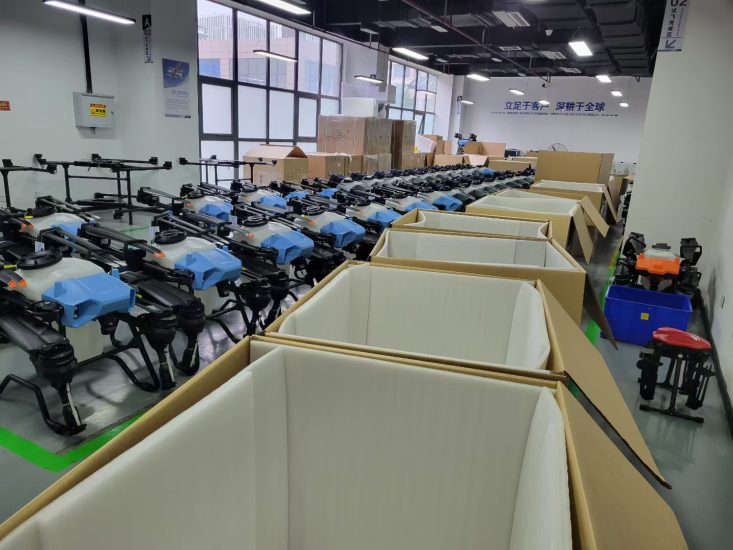
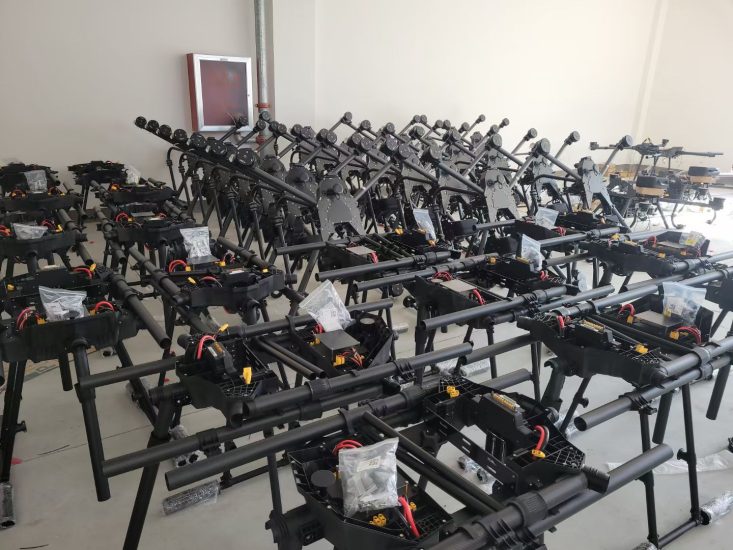
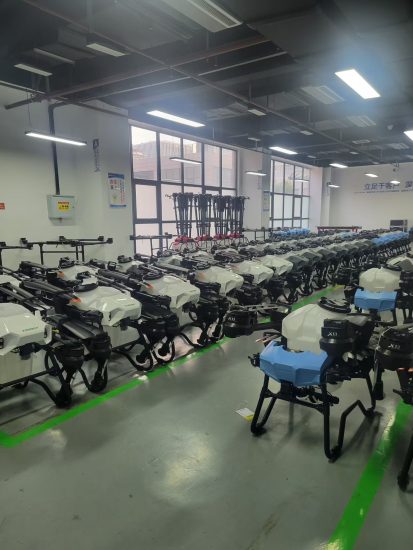
OEM Agricultural Drone Option for Farmers & Distributors
If you are a business owner or distributor, OEM/ODM drones allow you to:
- Build your own brand
- Customize drone specifications
- Expand into local agricultural markets
- Increase profit margins
China manufacturers provide flexible customization options for global buyers.
Common Mistakes When Choosing Farming Drones
- Buying low payload drones for large farms
- Ignoring battery performance
- Choosing non-waterproof models for rice fields
- Overlooking after-sales support
Avoiding these mistakes improves long-term efficiency.
FAQ (Frequently Asked Questions)
Q1: What is the best drone size for rice farming?
30L–50L drones are most efficient for large rice fields.
Q2: Can one drone be used for rice, corn, and wheat?
Yes. Multi-functional agricultural drones can handle all three crops.
Q3: Do corn fields require special drones?
Yes, drones with obstacle avoidance and height adjustment are recommended.
Q4: Are agricultural drones suitable for wheat farming?
Yes, they are highly effective for large-scale wheat spraying and monitoring.
Choosing the best drone for rice, corn, and wheat farming depends on crop type, field size, and operational needs. Large-capacity, GPS-precision agricultural drones offer the best performance for modern grain farming.
With the right drone system, farmers can significantly improve efficiency, reduce costs, and move toward smart agriculture.


No comments yet