




📌 Introduction: Precision Farming Meets Aerial Innovation
Modern agriculture is no longer defined solely by traditional methods. With increasing pressure to improve yields, reduce chemical usage, and optimize labor, farmers are turning to advanced technologies to stay competitive. Among these innovations, agricultural spray drones have emerged as one of the most powerful tools for precision farming.
China, as a global manufacturing powerhouse, has become the leading source of agricultural spray drones. These drones combine intelligent flight systems, efficient spraying mechanisms, and data-driven decision-making to revolutionize crop management.
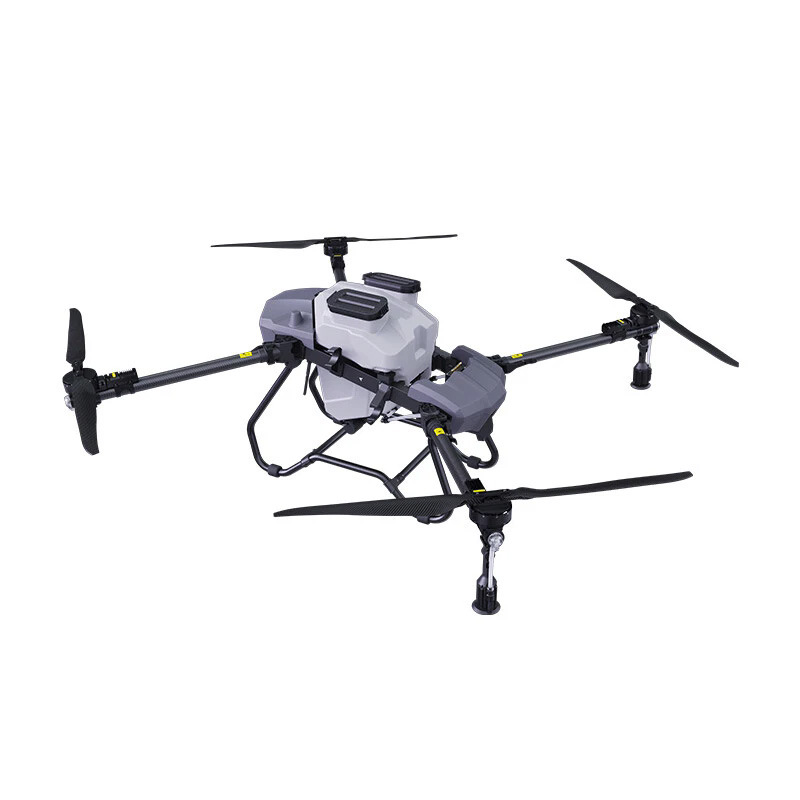
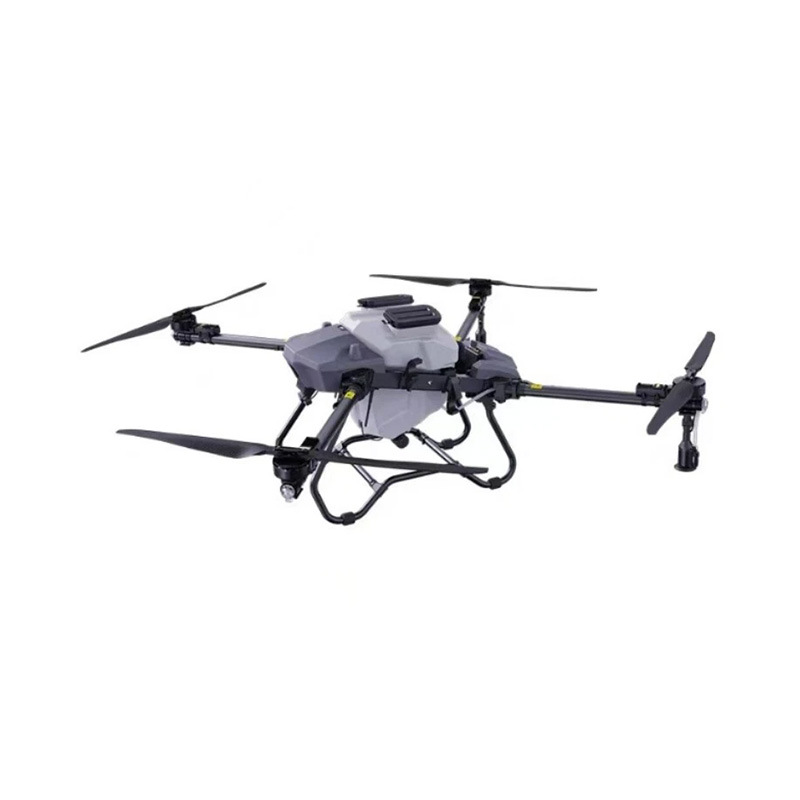
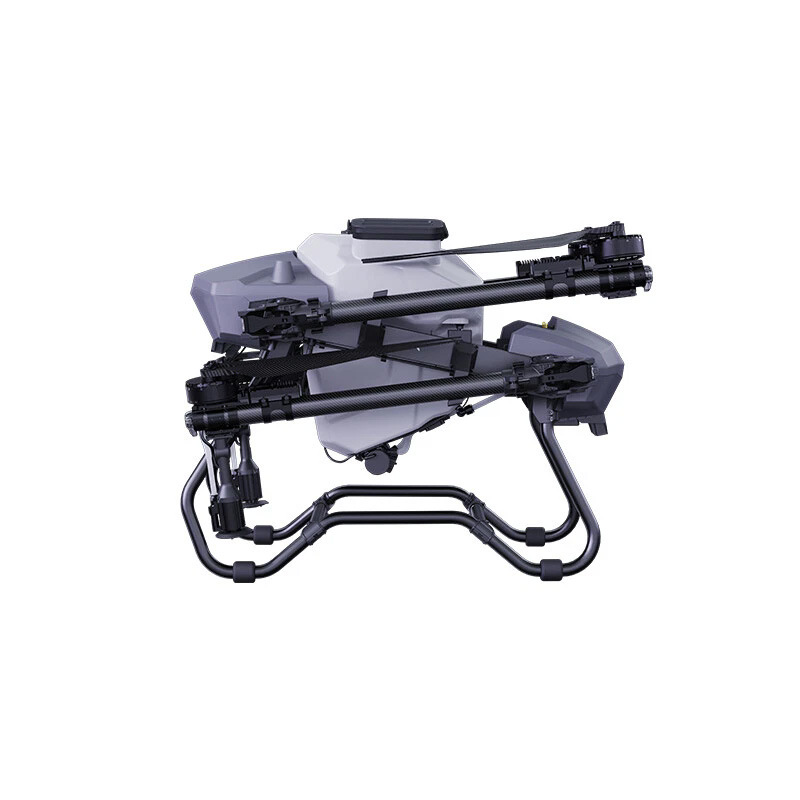
This comprehensive guide explores the best Chinese agricultural spray drones for precision farming, focusing on performance, features, applications, and how to select the right solution—without referencing specific company names.
🌾 What Is Precision Farming and Why It Matters
Precision farming is a data-driven approach to agriculture that focuses on applying the right amount of resources—such as water, fertilizer, and pesticides—at the right time and place.
🌱 Key Goals of Precision Farming:
- Maximize crop yield
- Reduce input costs
- Minimize environmental impact
- Improve operational efficiency
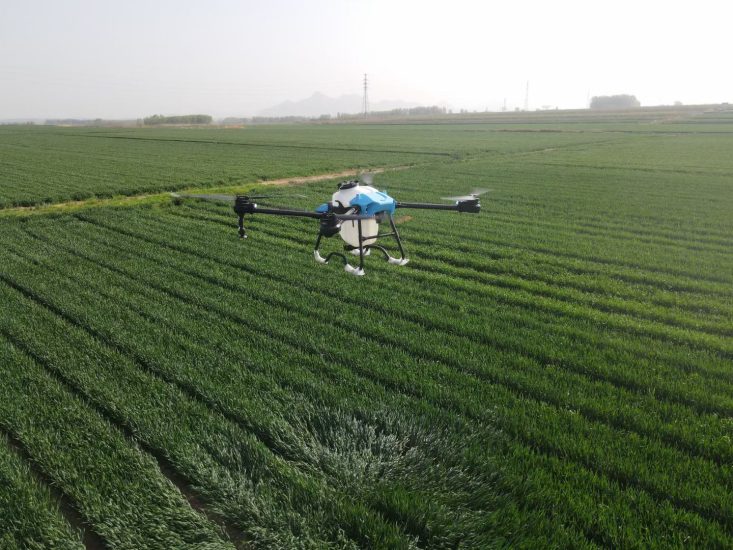
Agricultural spray drones play a critical role in achieving these goals by enabling targeted and efficient application of agricultural inputs.
🚁 Why Choose Chinese Agricultural Spray Drones
1. Cost-Performance Advantage
Chinese drones offer advanced features at competitive prices, making them accessible to both small and large farms.
2. Rapid Innovation
Continuous improvements in AI, automation, and sensor technology keep these drones at the forefront of precision agriculture.
3. Wide Product Range
From compact 10-liter drones to heavy-duty 70-liter systems, there are options for every farming scenario.
4. Customization Options
Many manufacturers provide flexible configurations and private-label solutions.
⚙️ Core Features of Precision Farming Spray Drones
✔ Intelligent Flight Control
Modern drones use GPS and RTK positioning for accurate navigation, ensuring precise spraying paths.
✔ Variable Rate Spraying
Drones adjust spray volume based on crop conditions, reducing waste and improving efficiency.
✔ Terrain Following Technology
Sensors allow drones to maintain a constant height above uneven ground, ensuring uniform coverage.
✔ Obstacle Avoidance
Advanced sensors detect trees, poles, and other obstacles to prevent collisions.
✔ Data Integration
Flight data can be analyzed to improve future farming decisions.
🌟 Types of Agricultural Spray Drones for Precision Farming
🌿 1. Small-Scale Precision Drones (10–20L)
Features:
- Lightweight and portable
- Easy to operate
- Suitable for small farms and greenhouses
Advantages:
- Lower cost
- Ideal for beginners
🌾 2. Medium-Scale Precision Drones (20–40L)
Features:
- Balanced performance and capacity
- Moderate flight time
- Suitable for medium-sized farms
Advantages:
- High efficiency
- Versatile applications
🌽 3. Large-Scale Precision Drones (40–70L+)
Features:
- High payload capacity
- Long operational range
- Advanced automation
Advantages:
- Maximum productivity
- Ideal for large agricultural operations
📊 Key Performance Metrics to Evaluate
✔ Spraying Efficiency
Measured in hectares per hour, this determines how quickly a drone can cover farmland.
✔ Droplet Size Control
Uniform droplet size ensures better absorption and reduces drift.
✔ Battery Performance
Fast charging and long life cycles improve operational efficiency.
✔ Flight Stability
Stable drones ensure consistent spraying even in windy conditions.
✔ Durability
Waterproof and corrosion-resistant materials extend lifespan.
🌍 Applications in Precision Farming
🌱 Crop Protection
Precise pesticide application reduces chemical usage and improves plant health.
🌾 Fertilizer Application
Uniform nutrient distribution enhances crop growth.
🌳 Orchard and Vineyard Management
Drones navigate complex layouts to deliver targeted spraying.
🌿 Weed Control
Selective spraying minimizes herbicide use.
🌲 Forestry and Plantation Care
Efficient pest control in large forest areas.
⚖️ Advantages Over Traditional Spraying Methods
🚜 Reduced Labor Dependency
Drones eliminate the need for manual spraying.
💧 Lower Chemical Waste
Precision application reduces overuse of pesticides.
⏱️ Time Efficiency
Large areas can be covered in a fraction of the time.
🌍 Environmental Protection
Minimized runoff and reduced soil contamination.
🧑🌾 Improved Safety
Operators avoid direct exposure to chemicals.
🔍 How to Choose the Best Drone for Precision Farming
✔ Match Drone Capacity to Farm Size
- Small farms: 10–20L
- Medium farms: 20–40L
- Large farms: 40L+
✔ Evaluate Terrain Conditions
Choose drones with terrain-following features for uneven landscapes.
✔ Consider Automation Level
Advanced automation reduces operator workload.
✔ Check Maintenance Requirements
Select drones with easy-to-replace parts and simple maintenance.
✔ Analyze Total Cost of Ownership
Include purchase price, maintenance, and operational costs.
⚠️ Common Challenges and Solutions
❗ Weather Sensitivity
Solution: Use drones with strong wind resistance and stable flight systems.
❗ Battery Limitations
Solution: Invest in multiple batteries or fast-charging systems.
❗ Learning Curve
Solution: Choose user-friendly interfaces and training support.
❗ Regulatory Restrictions
Solution: Follow local drone operation laws and guidelines.
🔮 Future Trends in Precision Farming Drones
🤖 AI-Driven Decision Making
Drones will analyze crop conditions and adjust spraying automatically.
🌐 IoT Integration
Real-time data sharing with farm management systems.
🚁 Swarm Technology
Multiple drones working together to cover large areas efficiently.
🌱 Sustainable Agriculture
Reduced chemical usage and eco-friendly solutions.
📡 Enhanced Connectivity
5G technology enabling real-time monitoring and control.
❓ FAQ: Precision Farming Spray Drones
Q1: Are agricultural spray drones suitable for all crops?
Yes, they can be used for a wide variety of crops, including rice, wheat, corn, and fruits.
Q2: How much area can a drone cover per day?
Depending on capacity, a drone can cover 20–200 hectares per day.
Q3: Do drones reduce pesticide usage?
Yes, precision spraying can reduce chemical use by up to 30%.
Q4: Are these drones difficult to operate?
Modern drones are designed with user-friendly controls and automation.
Q5: What is the lifespan of an agricultural drone?
With proper maintenance, drones can last 3–5 years or more.
📊 Conclusion: The Future of Precision Agriculture
Chinese agricultural spray drones have become essential tools for precision farming, offering unmatched efficiency, flexibility, and cost-effectiveness. By integrating advanced technologies such as GPS navigation, AI, and intelligent spraying systems, these drones enable farmers to optimize resources and improve crop yields.
The best drone for your needs depends on your farm size, terrain, and operational goals. By carefully evaluating performance metrics, features, and long-term value, you can select a solution that maximizes productivity and supports sustainable agriculture.
As precision farming continues to evolve, agricultural drones will play an even greater role in shaping the future of global food production.


No comments yet