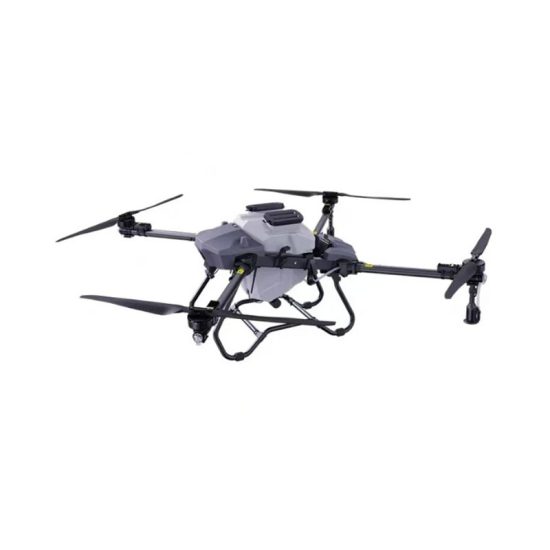


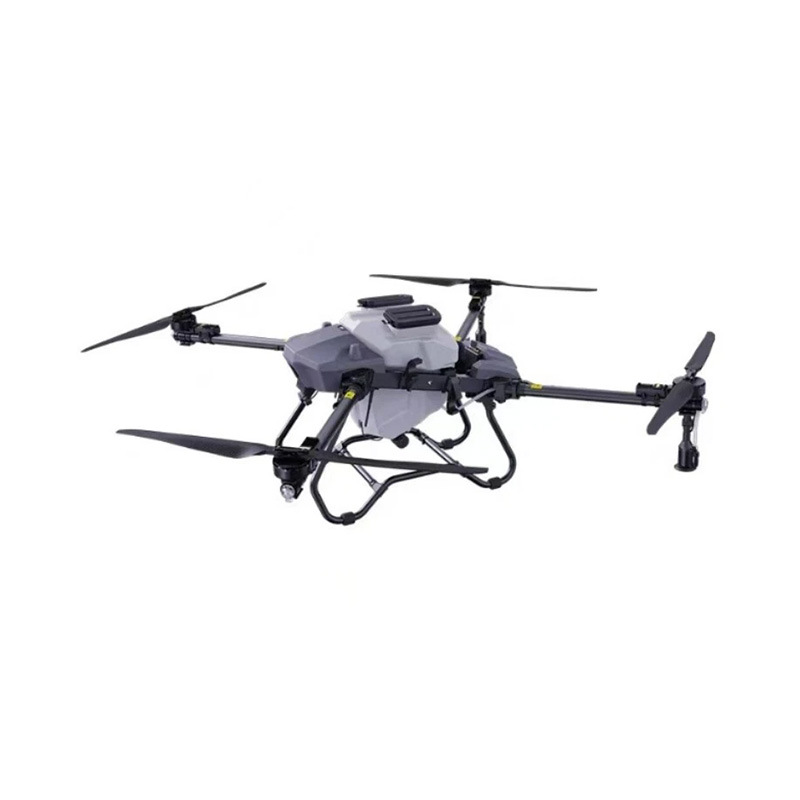
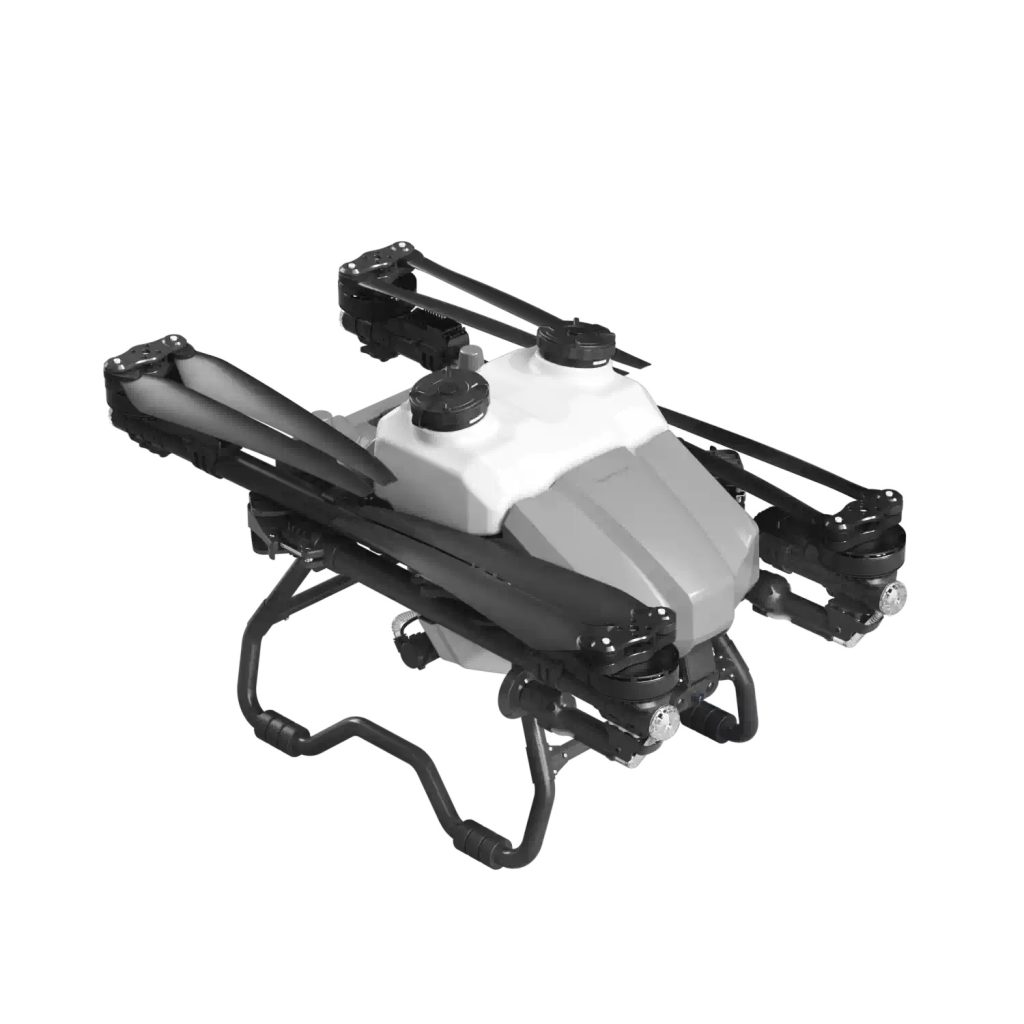
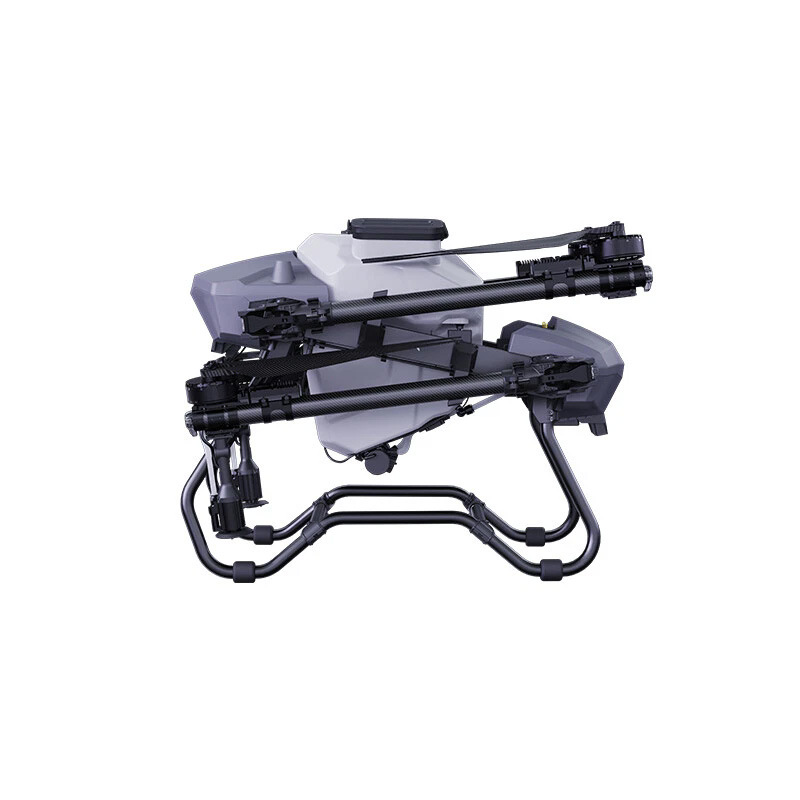
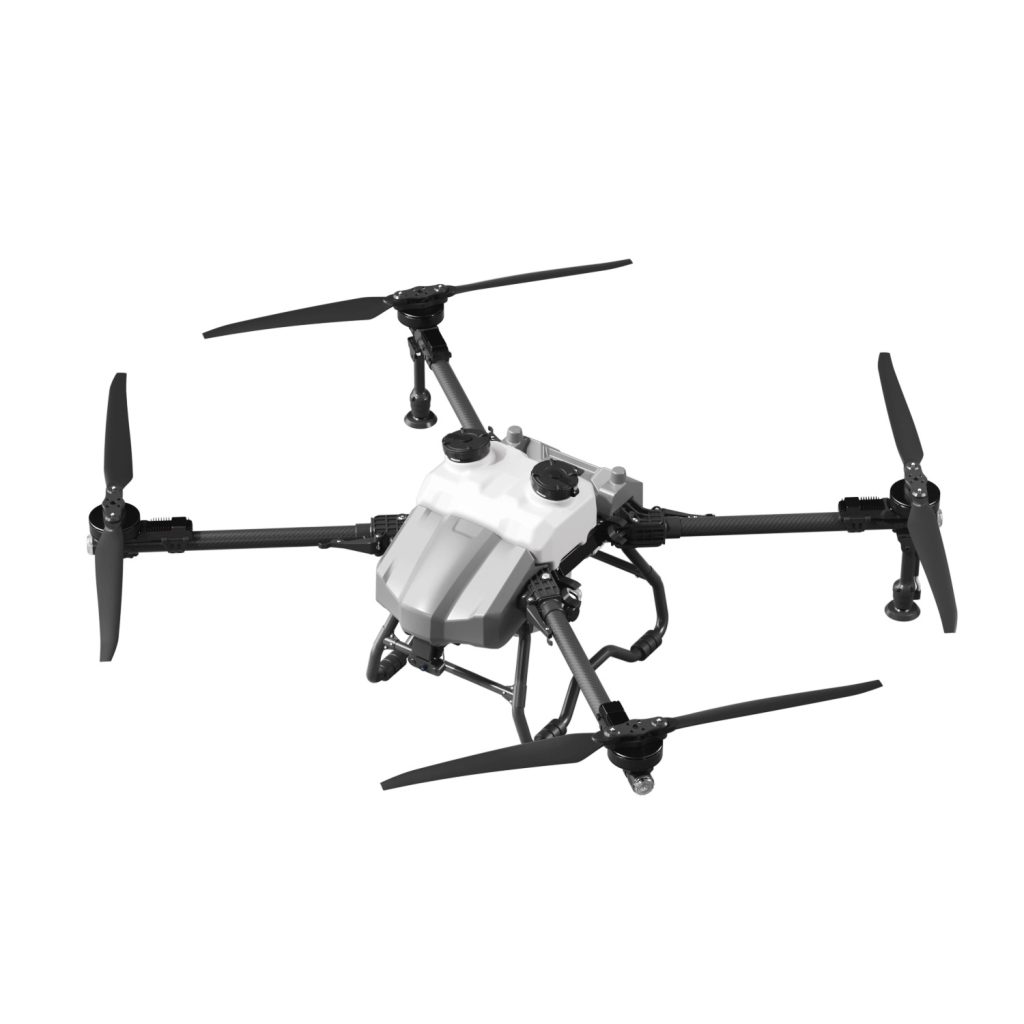
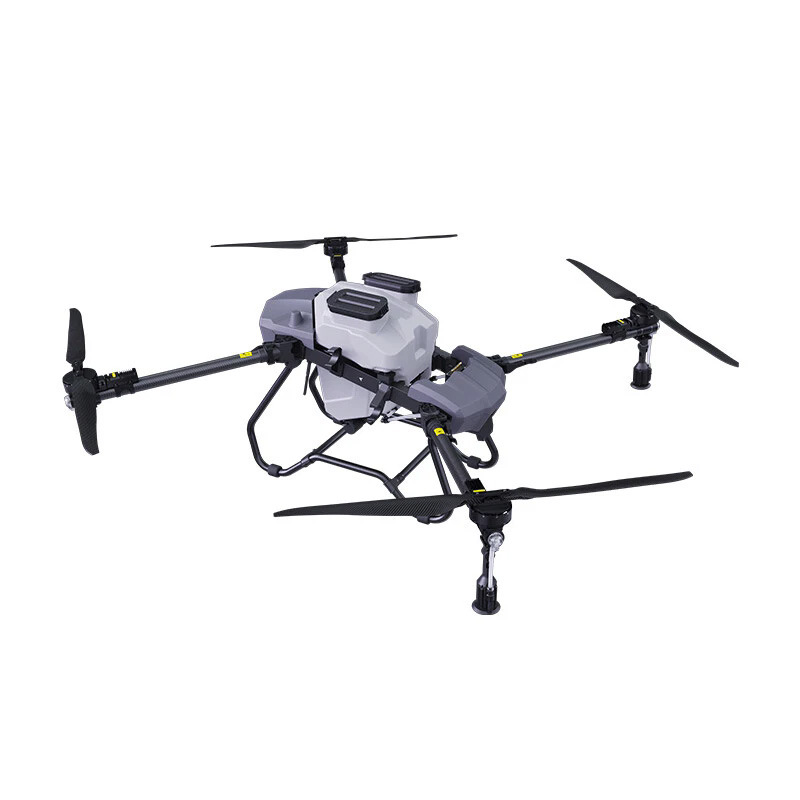

In 2026, agriculture is undergoing a rapid transformation driven by technology, and one of the most impactful innovations is the use of agricultural spraying drones. These advanced unmanned aerial vehicles (UAVs) are helping farmers increase efficiency, reduce labor costs, and improve crop yields. As precision agriculture becomes the standard, choosing the best agricultural spraying drone is critical for modern farming success.
What Are Agricultural Spraying Drones?
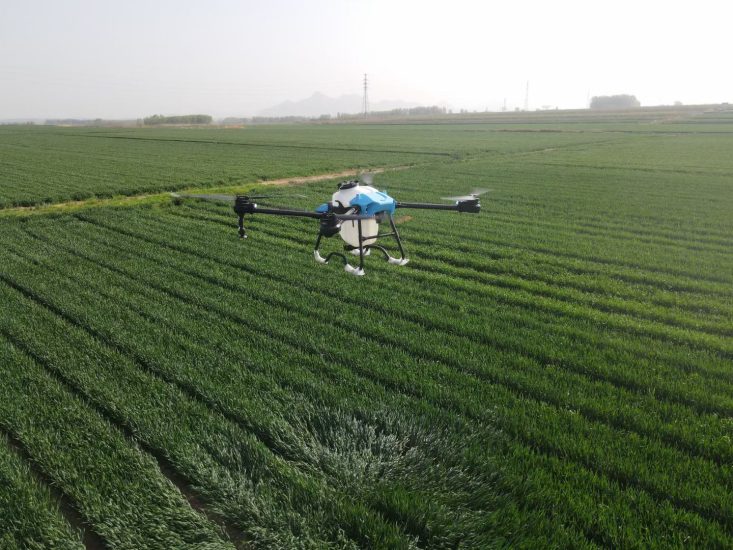
Agricultural spraying drones are specially designed UAVs equipped with tanks, nozzles, and intelligent flight systems that allow them to spray pesticides, herbicides, fertilizers, and other crop protection products. Unlike traditional methods such as manual spraying or tractor-based systems, drones provide precise, automated, and efficient coverage.
These drones use GPS positioning, terrain mapping, and AI-powered route planning to ensure accurate spraying, minimizing waste and environmental impact.
Why Farmers Are Switching to Spraying Drones
Modern farmers are increasingly adopting spraying drones for several key reasons:
1. Increased Efficiency
Drones can cover large areas in a short time. A high-capacity agricultural drone can spray several hectares per hour, significantly reducing the time required compared to manual labor.
2. Labor Cost Reduction
With labor shortages becoming a global issue, drones reduce the need for large spraying teams. One operator can manage multiple drones, cutting operational costs.
3. Precision Agriculture
Drones enable targeted spraying, ensuring chemicals are applied only where needed. This reduces chemical usage and improves crop health.
4. Safer Operations
Traditional spraying exposes workers to harmful chemicals. Drones eliminate direct contact, making farming safer.
5. Terrain Flexibility
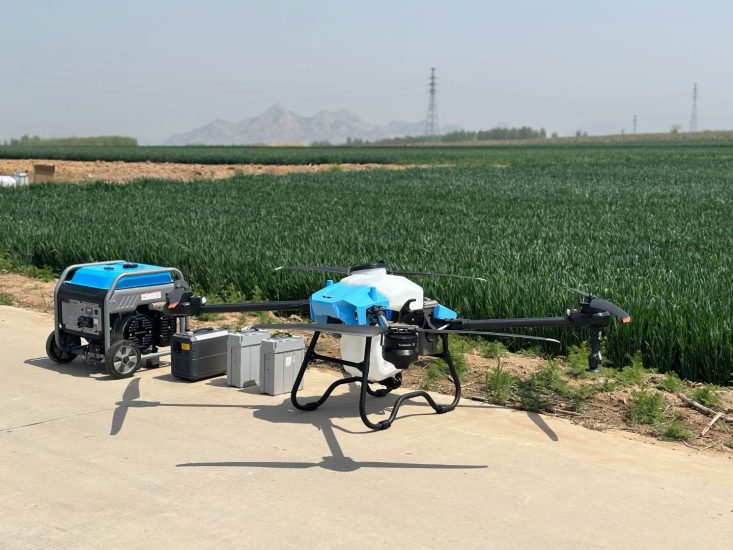
Drones can operate in difficult terrains such as mountains, rice fields, and uneven land where tractors cannot reach.
Key Features of the Best Agricultural Spraying Drones in 2026
When selecting a spraying drone, farmers should consider the following features:
1. High Payload Capacity
Modern drones offer payload capacities ranging from 10L to 50L or more. Larger payloads mean fewer refills and higher efficiency.
2. Intelligent Flight Control
Advanced flight systems include obstacle avoidance, automatic route planning, and real-time monitoring.
3. Efficient Spraying System
High-performance pumps and atomized nozzles ensure uniform spraying and optimal droplet size.
4. Long Battery Life
Battery efficiency is critical. Fast-charging or swappable battery systems help maintain continuous operation.
5. Durable Design
Agricultural environments are harsh. The best drones are water-resistant, dustproof, and corrosion-resistant.
Applications of Agricultural Spraying Drones
Agricultural drones are versatile and can be used for:
- Pesticide spraying
- Fertilizer application
- Herbicide spraying
- Seed spreading
- Crop monitoring and mapping
They are widely used in crops such as rice, wheat, corn, orchards, and vineyards.
Cost of Agricultural Spraying Drones
The cost of agricultural spraying drones varies depending on capacity and features. Entry-level models may start around $3,000–$5,000, while high-end professional drones can cost $10,000–$30,000 or more.
Although the initial investment may seem high, the long-term savings in labor, chemicals, and increased yields make drones a cost-effective solution.
Future Trends in Agricultural Drone Technology
In 2026 and beyond, agricultural drones are expected to become even more advanced:
- AI-driven crop analysis
- Fully autonomous swarm operations
- Integration with IoT farming systems
- Real-time data analytics and cloud management
These innovations will further enhance efficiency and decision-making in agriculture.
Conclusion
Agricultural spraying drones are no longer a luxury—they are a necessity for modern farming. With benefits such as increased efficiency, reduced costs, and improved precision, these drones are transforming how farmers manage their crops.
Investing in the best agricultural spraying drone in 2026 means staying ahead in the competitive agricultural industry and achieving sustainable farming success.
SEO Tags:
agricultural spraying drone, crop spraying drone, farm drone, UAV agriculture, precision farming drone, pesticide spraying drone, smart farming technology, agriculture UAV, drone for farming, fertilizer drone


No comments yet