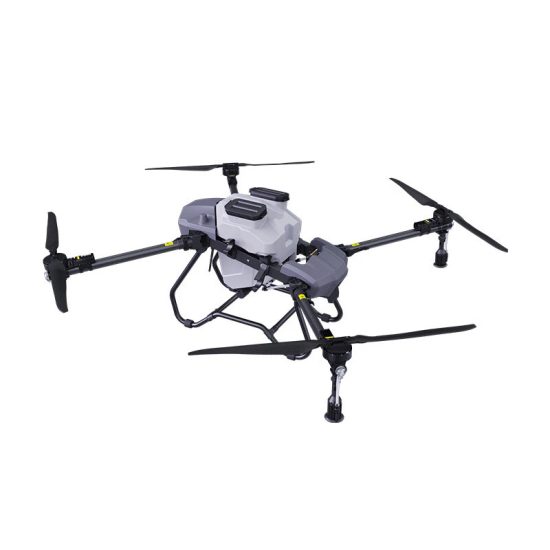


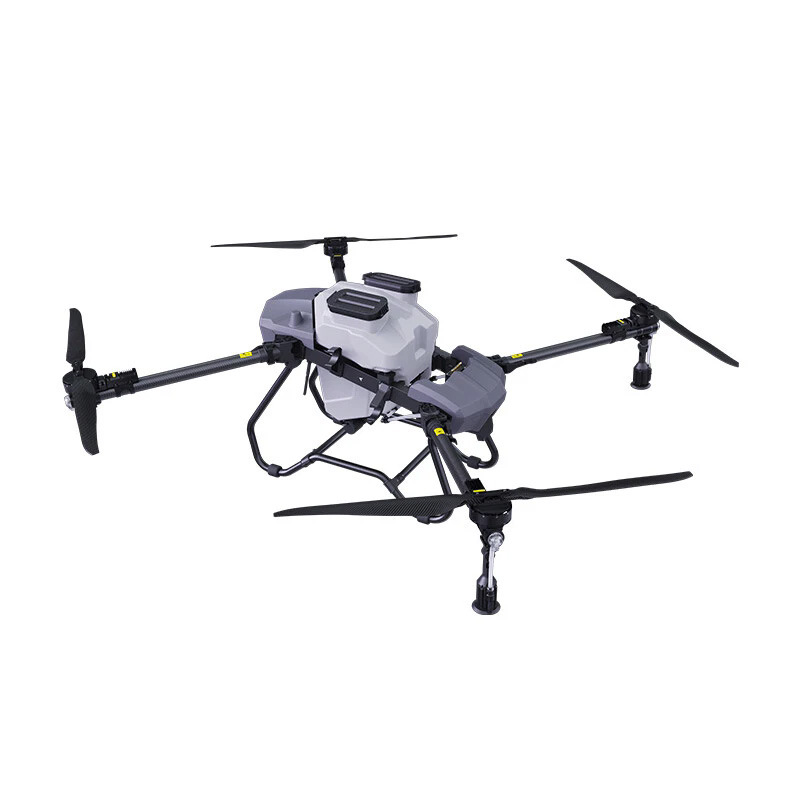
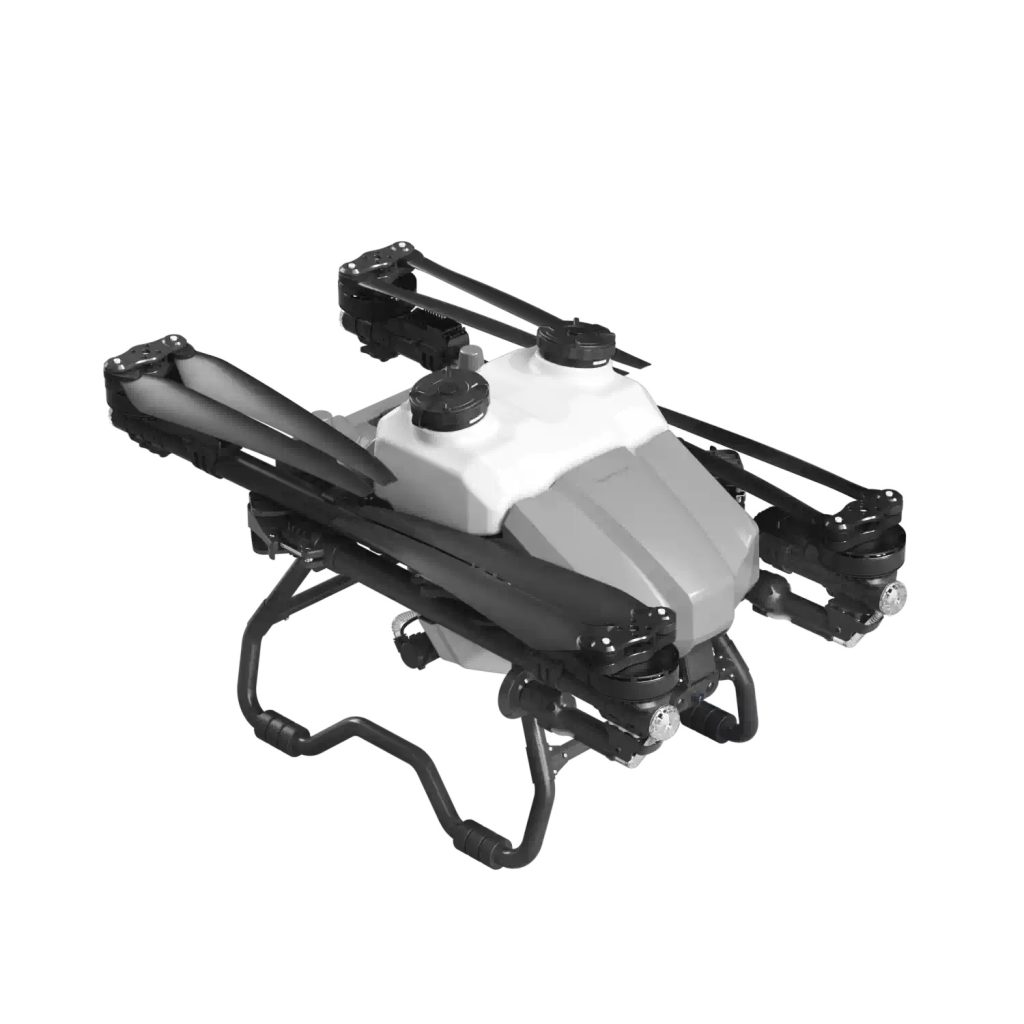
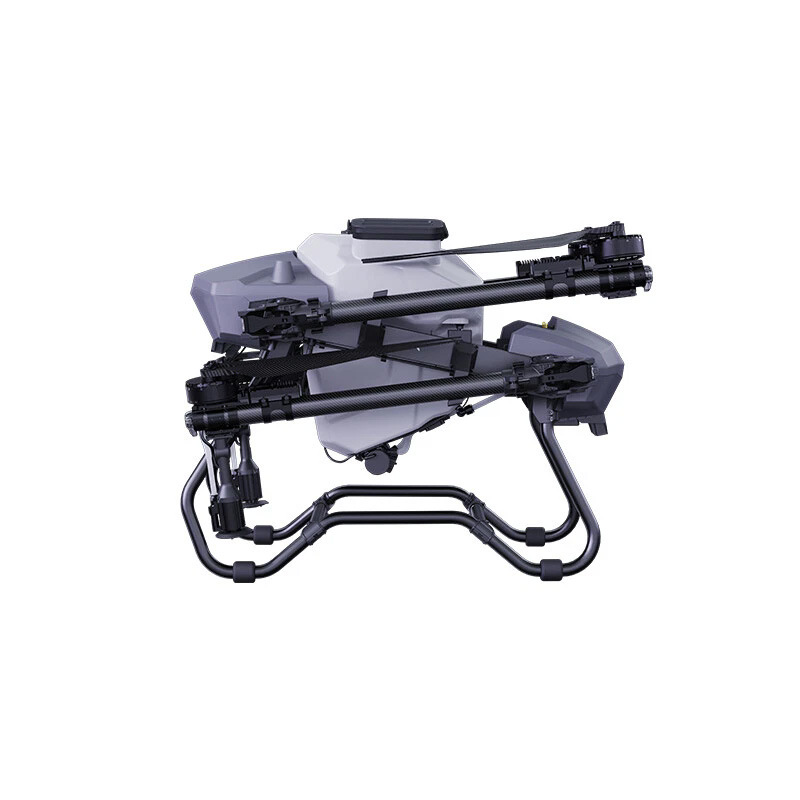
Best Agricultural Drone for Orchard Spraying and Fruit Farm Management
Orchard farming requires precise spraying methods because fruit trees often have uneven heights, dense branches, and narrow operating spaces. Traditional ground spraying equipment may struggle to reach certain areas, especially on hillsides or in high-density orchards.
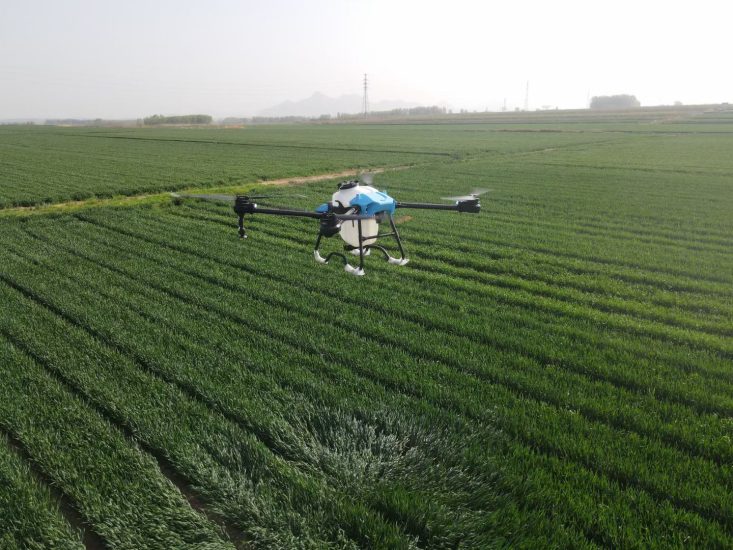
Because of this, more fruit farms are now using agricultural drones for orchard spraying operations. Modern spraying drones help improve coverage efficiency while reducing labor intensity during busy farming seasons.
Agricultural drones are now widely used in:
- citrus orchards
- apple farms
- mango plantations
- avocado farms
- grape vineyards
- durian plantations
Why Orchard Farms Use Agricultural Drones
Compared with open farmland, orchard spraying is more complicated because trees create obstacles and uneven spraying conditions.
Agricultural drones help solve several common orchard problems:
- difficult terrain access
- uneven pesticide coverage
- high labor costs
- worker safety concerns
- limited spraying speed
In mountainous orchard areas, drones can often work more efficiently than traditional machinery because they are not limited by ground conditions.
Important Features for Orchard Spraying Drones
Orchard environments require stable flight performance and accurate spraying control.
Professional orchard spraying drones usually include:
- terrain following radar
- obstacle avoidance system
- intelligent route planning
- adjustable spray nozzles
- RTK positioning
- stable hovering control
Obstacle detection is especially important when flying near dense tree branches and uneven landscapes.
Suitable Drone Sizes for Fruit Farms
Different orchard sizes require different drone capacities.
Common agricultural drone sizes include:
- 16L spraying drone
- 30L orchard drone
- 50L agricultural drone
Medium-size orchards often prefer 30L drones because they provide a balance between maneuverability and spraying efficiency.
Large plantations may use 50L drones for longer operation times and fewer refill interruptions.
Real Spraying Conditions in Orchards
Orchard spraying conditions are affected by:
- tree spacing
- branch density
- wind conditions
- spray droplet size
- flight altitude
Operators often adjust nozzle settings depending on the crop type and pesticide requirements.
During strong winds, spray drift may reduce spraying accuracy, so many farms avoid operation during unstable weather conditions.
Labor Reduction and Safety Benefits
Manual orchard spraying can be physically demanding because workers may carry heavy spraying equipment for long periods.
Agricultural drones help reduce:
- direct pesticide exposure
- physical labor intensity
- spraying time
- fuel consumption for ground machinery
This is especially useful during peak disease control periods when farms must complete spraying tasks quickly.
Common Crops Using Orchard Drones
Agricultural drones are now widely used for:
- citrus disease control
- grape fungicide spraying
- mango plantation management
- durian tree spraying
- olive orchard protection
- tea plantation spraying
In tropical regions, drones are particularly useful after rainfall because muddy conditions can make ground equipment difficult to operate.
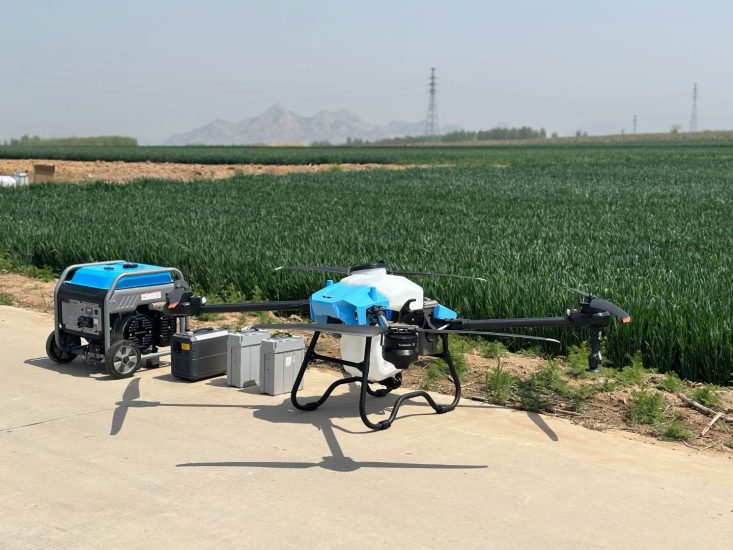
Battery and Daily Workflow
Battery management is important for orchard spraying operations.
Many farms prepare:
- multiple batteries
- rapid charging systems
- portable generators
Battery replacement usually takes only a few minutes, helping operators continue spraying during busy farm schedules.
Experienced operators also plan flight routes before operation to improve daily efficiency.
OEM Agricultural Drone for Local Markets
Many agricultural distributors are now searching for OEM orchard spraying drones for local sales.
OEM support may include:
- logo customization
- private label packaging
- local language manuals
- software customization
- spare parts support
For distributors, long-term technical support and stable spare parts supply are important for maintaining customer satisfaction.
Future of Orchard Drone Spraying
Precision agriculture continues to grow worldwide. Orchard drones are becoming an important tool for:
- precision spraying
- smart farm management
- reduced chemical waste
- improved crop protection
As drone systems become more stable and intelligent, more fruit farms are expected to adopt agricultural drone technology for daily operations.
FAQ
Are agricultural drones suitable for orchards?
Yes. Agricultural drones are widely used in orchards because they can spray uneven terrain and dense tree areas more efficiently than traditional methods.
Which drone size is best for fruit farms?
30L agricultural drones are commonly used for medium orchards, while larger plantations may choose 50L models for higher efficiency.
Can drones spray tall trees?
Yes. Modern agricultural drones support adjustable flight height and intelligent terrain following systems.
What crops commonly use orchard spraying drones?
Citrus, apples, grapes, mangoes, avocados, olives, and durian plantations commonly use agricultural drones.
OEM & Distribution Cooperation
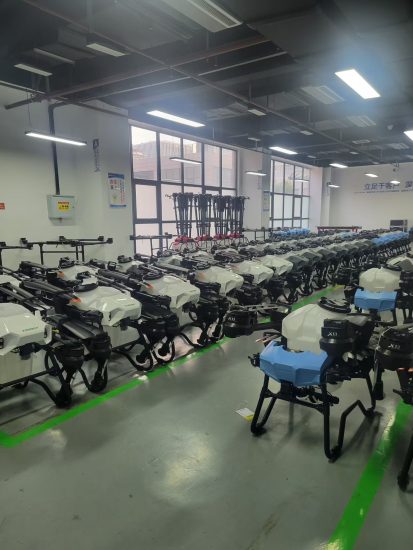
MSOEN supports agricultural drone OEM and ODM cooperation for distributors, farm projects, and agricultural equipment companies worldwide.
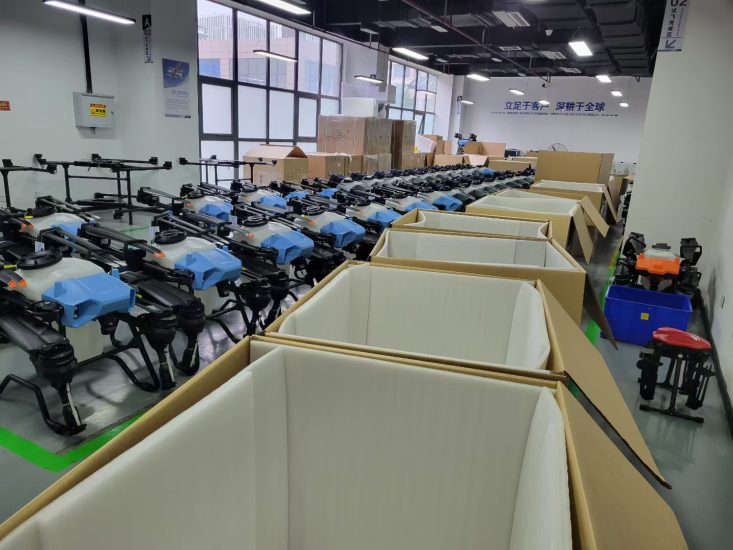
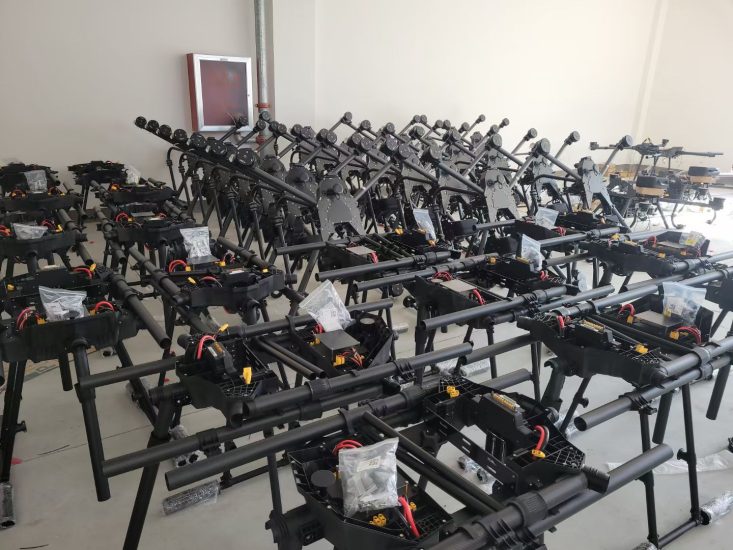
Factory testing, export packaging, technical support, and spare parts services are available for global partners.


No comments yet