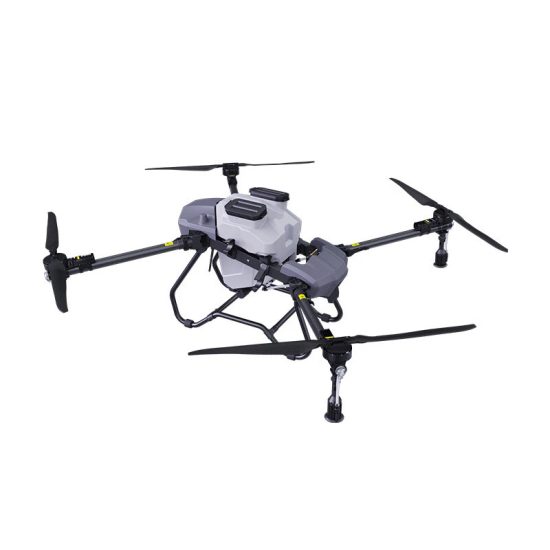


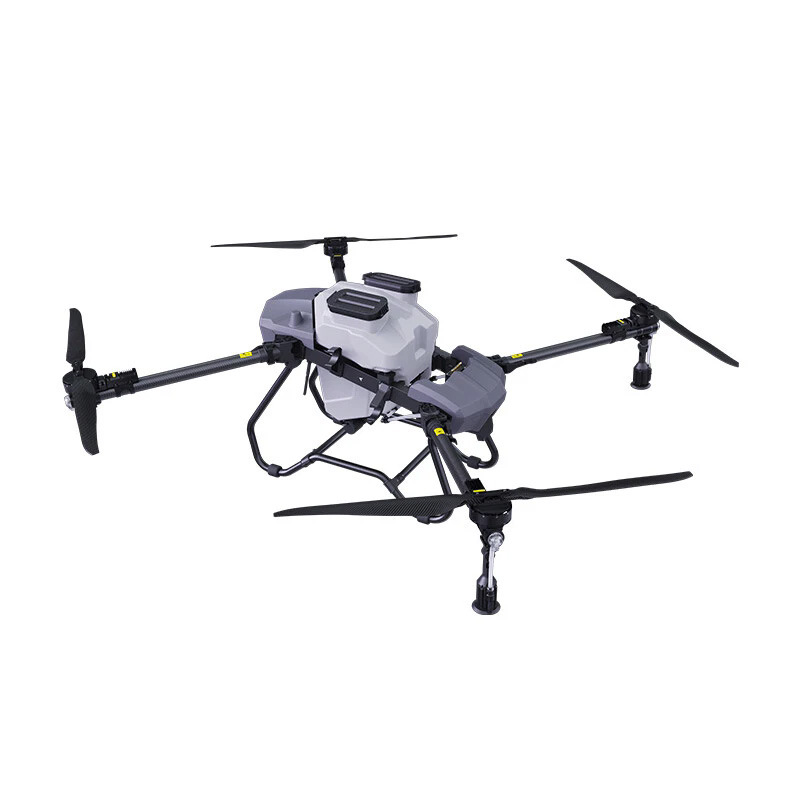

Modern rice farming is changing rapidly across Southeast Asia. In countries such as Thailand, Vietnam, Indonesia, and the Philippines, many farms are facing rising labor costs and shorter spraying windows during the rainy season. Because of this, more agricultural cooperatives and farm owners are turning to 30L agricultural drones for daily spraying operations.
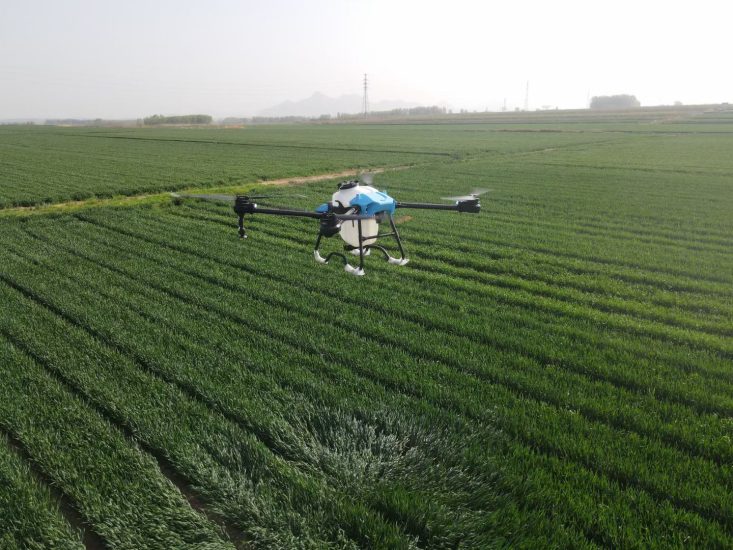
A 30L crop spraying drone is suitable for medium and large rice fields because it offers a balance between payload capacity, spraying efficiency, and operating cost. Compared with smaller 10L or 16L drones, the 30L model can cover more land in less time while reducing battery replacement frequency during operation.
Why 30L Agricultural Drones Are Popular
Many farms in Southeast Asia prefer 30L drones because rice fields are often large, wet, and difficult for traditional machinery to enter. Manual spraying also becomes difficult during hot weather and peak farming seasons.
A 30L agricultural drone can help improve spraying efficiency while reducing manual labor requirements.
Typical advantages include:
- Faster spraying speed
- Reduced pesticide exposure for workers
- Better coverage in muddy rice fields
- Lower labor costs
- Easier operation in remote farmland
In practical farm work, one operator can complete spraying tasks much faster than traditional backpack sprayers, especially during peak pest control seasons.
Suitable Crops for 30L Spraying Drones
30L agricultural drones are commonly used for:
- Rice fields
- Wheat farms
- Corn plantations
- Sugarcane farms
- Palm plantations
- Vegetable farms
In Indonesia and Malaysia, many palm plantations also use spraying drones for fertilizer spreading and pesticide spraying because drones can access difficult terrain more easily than ground vehicles.
Typical Technical Features
Most modern 30L crop spraying drones include features such as:
- 30-liter chemical tank
- 8–12 meter spray width
- RTK positioning system
- Terrain following radar
- Obstacle avoidance system
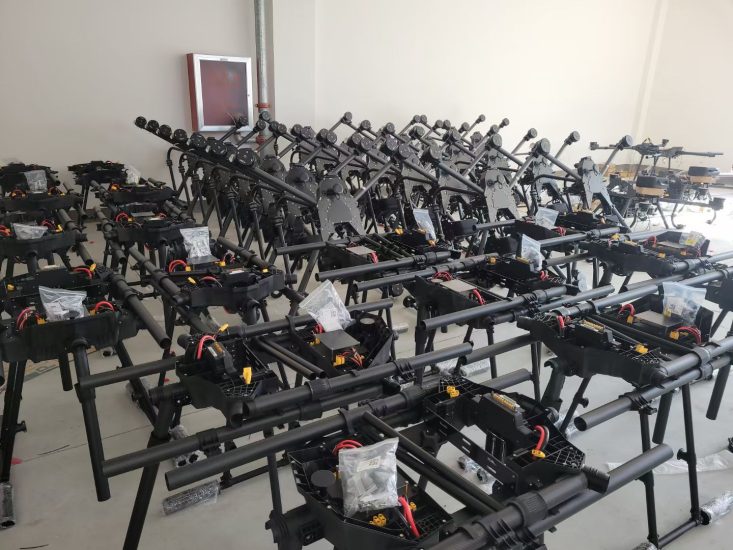
- Foldable frame design
- Dual battery support
- Quick-release nozzles
The spraying efficiency can reach several hectares per hour depending on crop density, flying speed, and weather conditions.
Wind speed and droplet size can affect spraying performance, so operators usually avoid flying during strong wind conditions.
Battery and Daily Operation
Battery management is very important for agricultural drone work.
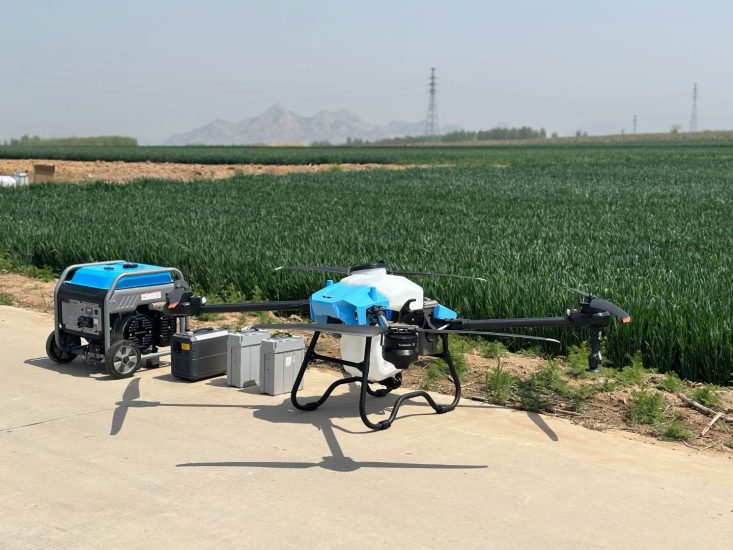
Many farms prepare:
- 2 to 4 batteries
- 1 fast charger
- portable generator support
This setup helps maintain continuous operation during busy spraying periods.
During rice field operations, battery replacement normally takes only a few minutes. Experienced operators can complete large spraying areas within a single working day.
Why Southeast Asian Farms Are Using Agricultural Drones
Agricultural labor shortages are becoming more common in many countries. Younger workers are less interested in traditional farm spraying work, especially under high temperatures.
Drones help solve several problems:
- labor shortage
- uneven spraying
- worker safety
- difficult terrain access
Rice field drones are especially useful after heavy rain because traditional tractors may not enter muddy fields safely.
OEM Agricultural Drone Manufacturing
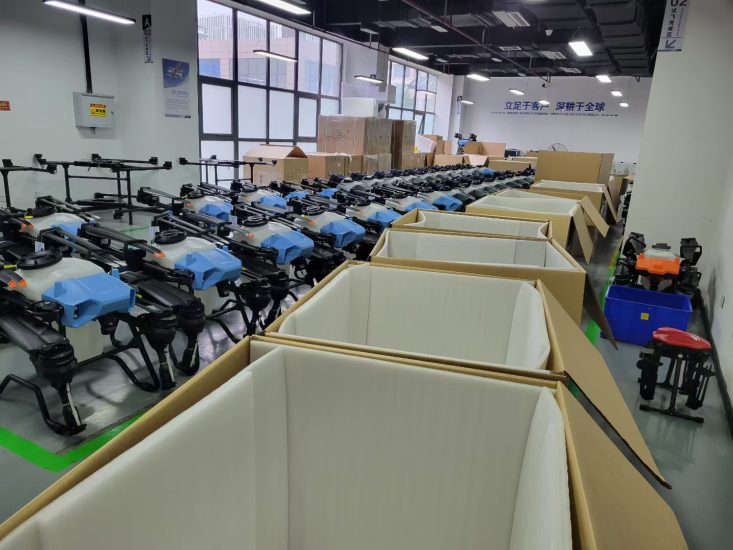
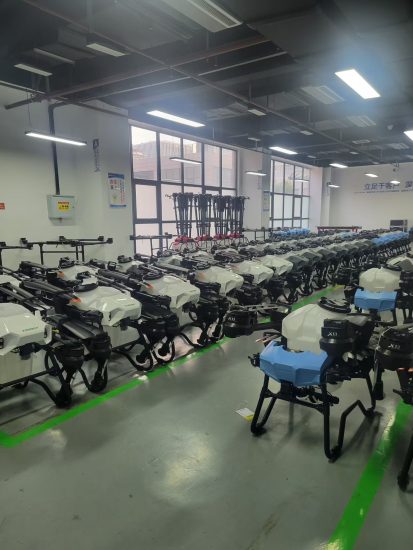
Many distributors now look for OEM agricultural drone manufacturers in China to build local brands for their own markets.
OEM services usually include:
- custom logo
- customized colors
- private label packaging
- local language manuals
- spare parts support
- distributor cooperation
For overseas distributors, stable spare parts supply and after-sales support are often more important than low pricing alone.
Important Factors Before Buying
Before purchasing a 30L agricultural drone, buyers usually check:
- spare parts availability
- battery life
- waterproof level
- local technical support
- training service
- spraying efficiency
- maintenance cost
It is also important to test the drone in actual farm conditions because different crops require different spraying settings.
Future of Smart Farming
Agricultural drones are becoming part of modern smart farming systems. Many farms now combine:
- drone spraying
- farm mapping
- GPS route planning
- precision agriculture management
As technology improves, 30L agricultural drones are becoming more reliable for daily farm operations across Southeast Asia.
FAQ
How much land can a 30L agricultural drone spray in one day?
Actual spraying capacity depends on crop type, battery quantity, weather conditions, and operator experience. Large rice farms can usually complete significant daily spraying tasks using multiple batteries and continuous operation.
Is a 30L drone suitable for rice fields?
Yes. A 30L agricultural drone is widely used for rice field spraying because it can operate above muddy farmland without damaging crops.
Can agricultural drones spread fertilizer?
Many modern agricultural drones support both liquid spraying and granular spreading systems.
What countries commonly use spraying drones?
Agricultural drones are widely used in Thailand, Indonesia, Vietnam, Brazil, India, and other large farming regions.
Contact for OEM & Distribution Cooperation
MSOEN supports agricultural drone OEM/ODM cooperation for distributors, farm projects, and agricultural equipment companies worldwide.
Factory testing, spare parts support, and export packaging services are available for international customers.


No comments yet