



Let’s be honest. If you are still relying on a crew of workers with backpack sprayers to cover your wheat fields, you are not just behind the times—you are actively losing money.
I decided to settle the debate once and for all. We went to a 100-acre winter wheat farm in the Midwest. The goal was simple: compare a standard 4-person manual crew against a single agricultural drone. We timed everything: mixing, refilling, walking, and spraying. The results weren’t just different; they were absurd.
The Setup: The Contenders
-
Team Manual: Four experienced laborers. Two 15-gallon backpack sprayers. A pickup truck for water refills.
-
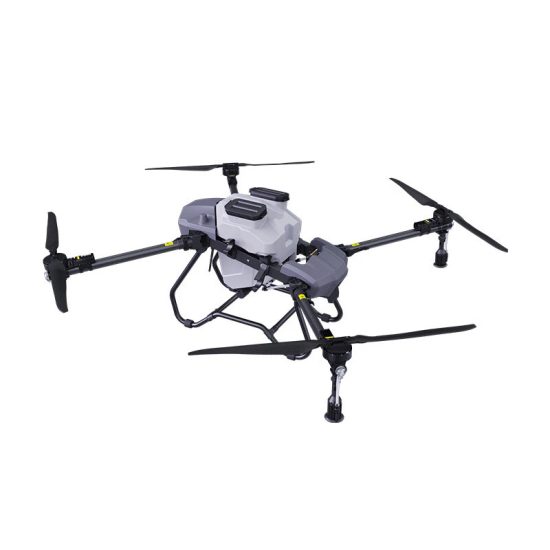
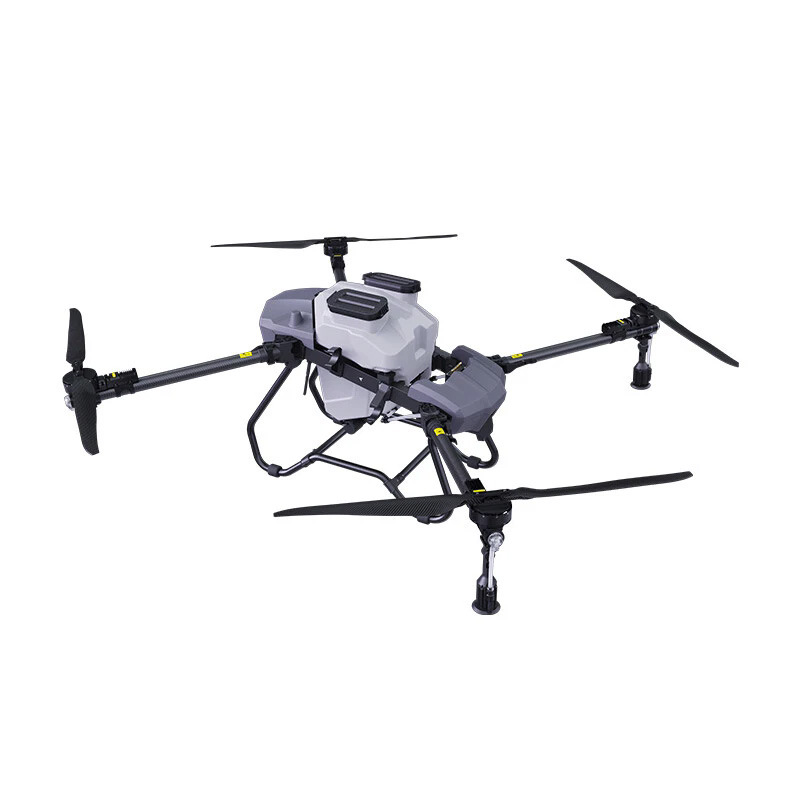
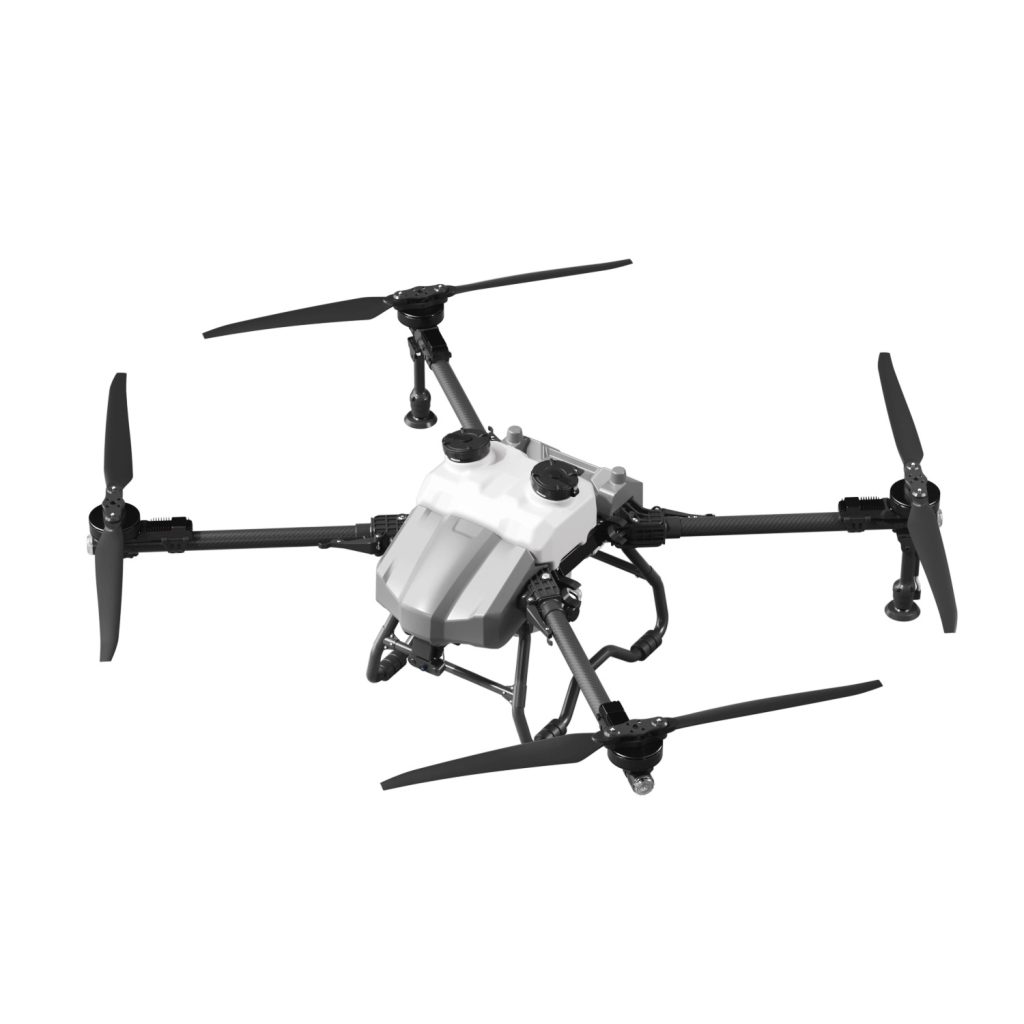
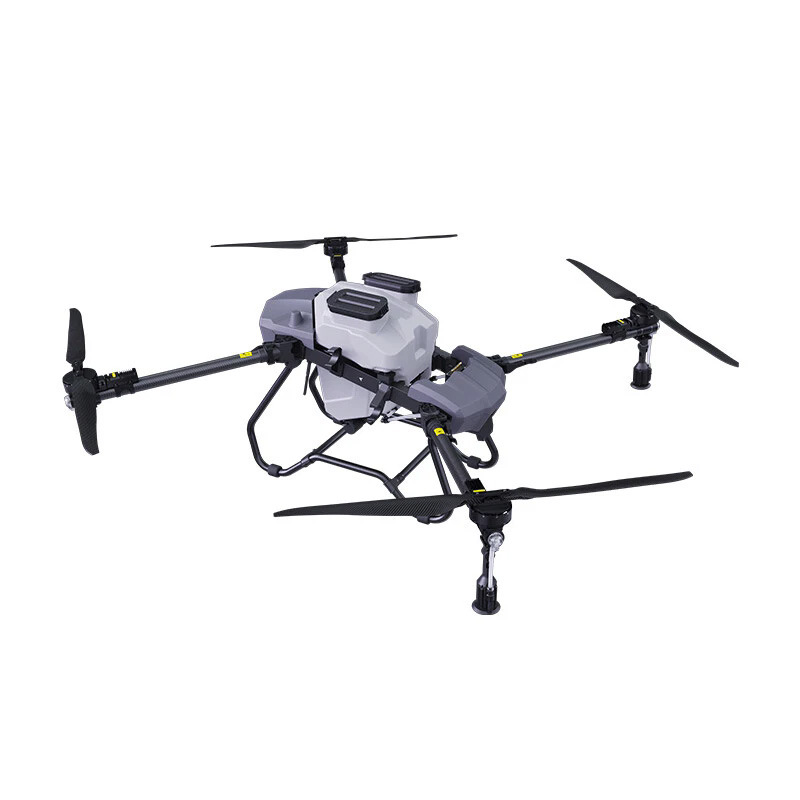
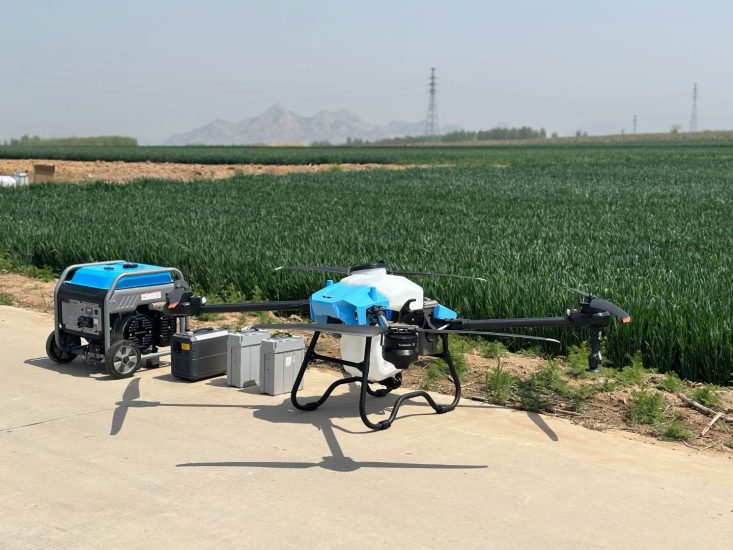
Team Drone: One pilot. One helper. One heavy-lift agricultural drone (40L capacity).
Round 1: The Race Against Time
Time is the enemy in farming. Fungicide windows are tight, and weather waits for no one.
-
Manual Crew: It took the four men 11.5 hours to finish the 100 acres. That includes the time spent walking back to the truck for refills, resting tired shoulders, and dealing with clogged nozzles. They finished after dark.
-
Drone Crew: The drone team finished the entire 100 acres in 2 hours and 15 minutes. They took two 10-minute breaks to swap batteries and mix chemicals. They were done before lunch.
The Gap: The drone was 5.1 times faster. While the manual crew was still struggling on acre 50, the drone was already packing up.
Round 2: The Economics (The Real Shocker)
This is where the illusion of “cheap labor” gets destroyed.
| Cost Factor | Manual Backpack Crew | Agricultural Drone | Winner |
|---|---|---|---|
| Labor Cost | $15/hr x 4 people = $60/hr | $25/hr x 2 people = $50/hr | Drone (-$10/hr) |
| Total Labor Hours | 46 hours (11.5 hrs x 4) | 4.5 hours (2.25 hrs x 2) | Drone (-41.5 hrs) |
| Water Usage | 300 gallons/acre (Heavy) | 1.5 gallons/acre (Ultra-low) | Drone (Save 98.5%) |
| Chemical Waste | High (Over-spray/Leaks) | Near Zero (Precision) | Drone |
| Daily Total Cost | $690 | $112.50 | Drone (-$577.50) |
Most farmers think drones are expensive because of the upfront machine cost. But look at the daily operational cost. The manual crew cost 6 times more per day than the drone crew.
Round 3: Coverage Quality & Crop Damage
This is the part people forget.
-
The Manual Problem: By the end of the day, the workers were exhausted. Their walking pace increased, and their trigger fingers got lazy. The last 20 acres were sprayed poorly. Worse, trampling damage was visible. In a dense wheat field, four grown men walking single-file crush approximately 3-5% of the crop yield along their paths.
-
The Drone Advantage: Every pass was identical. The drone doesn’t get tired. It maintains a consistent 8 mph speed and a consistent droplet size. Plus, zero crop damage. There are no feet, no tires, and no crushed stalks.
Round 4: Logistics & Refills
Refilling a backpack sprayer is a nightmare. The manual crew had to stop every 45 minutes to walk back to the truck. This created “spray gaps” in the field, leading to uneven application.
The drone operator simply landed the drone next to a water tank, dumped in the pre-mixed chemicals, swapped a battery, and was back in the air in 90 seconds.
The Verdict: It’s Not Even Close
If you have 100 acres of wheat, the choice is simple:
-
Hire 4 men, pay them $690, ruin some of your crop, and finish at midnight.
-
Hire 1 pilot, pay him $112, protect every stalk, and finish before your morning coffee wears off.
The era of the backpack sprayer is officially over. It is no longer a tool; it is a liability. The drone isn’t just a toy for tech enthusiasts; it is the most brutally efficient financial decision you can make for your farm.
THE END


No comments yet