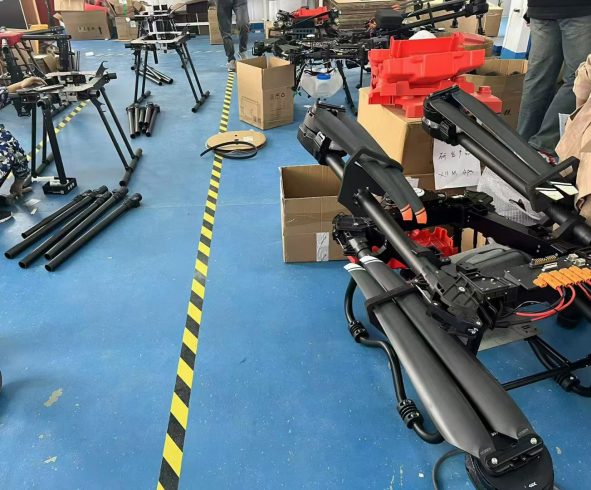


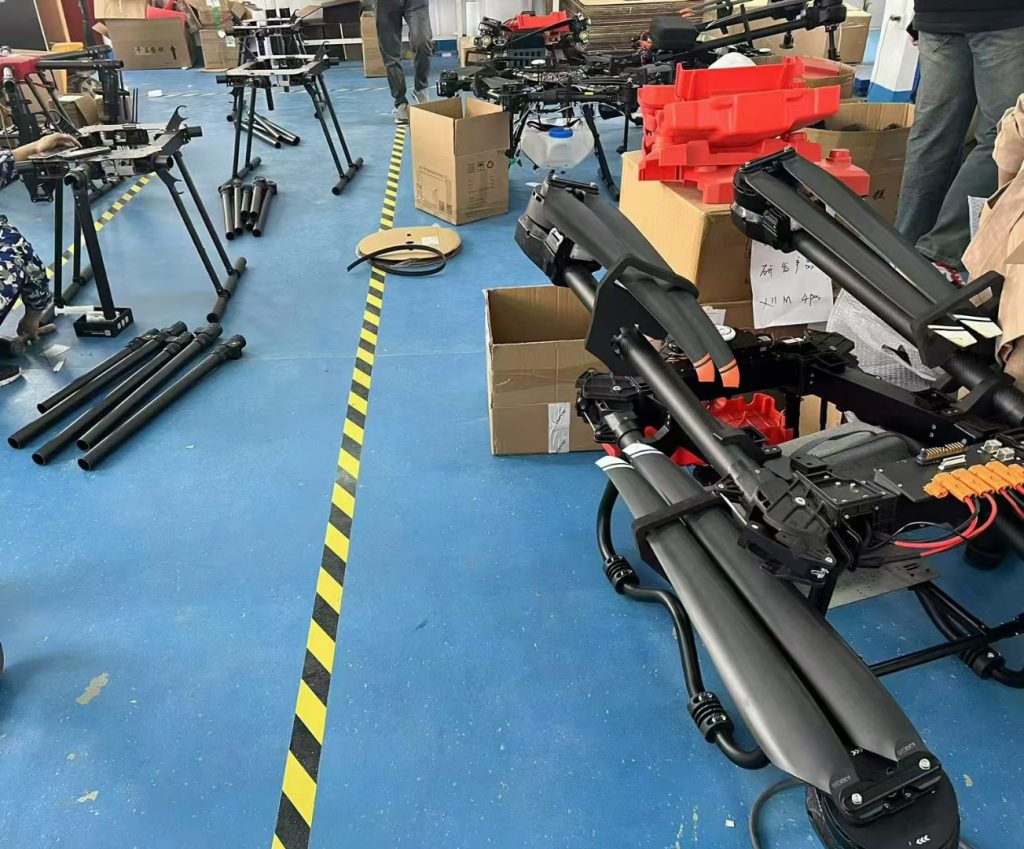
In the annals of aviation, the dream of flight has always been tied to human control—pilots gripping yokes, adjusting throttles, and navigating skies with skill and intuition. Today, that paradigm is shifting. Autonomous flight—the ability of aircraft to operate without continuous human intervention—has emerged as a transformative force, redefining how we explore, protect, and connect with the world from above. From buzzing delivery drones in urban skies to silent reconnaissance planes patrolling remote frontiers, autonomous flight merges cutting-edge technology with bold imagination, promising a future where the sky is not just a domain for humans, but a canvas for intelligent machines.
The Science of Self-Navigation: How Autonomous Flight Works
At its core, autonomous flight relies on a symphony of technologies that mimic—and often surpass—human piloting abilities. Three key components enable this self-sufficiency:
1. Sensing the World
Autonomous aircraft are equipped with an array of sensors to “see” their environment. LiDAR (light detection and ranging) creates 3D maps of terrain, while radar detects obstacles in low visibility. Cameras and infrared sensors identify landmarks, other aircraft, or even wildlife. For example, a delivery drone might use visual odometry (tracking ground features) to maintain position when GPS signals weaken in urban canyons.
2. Decision-Making Brains
Onboard computers process sensor data using artificial intelligence (AI) and machine learning algorithms. These systems learn from past flights, adapt to changing conditions (e.g., sudden wind gusts), and execute pre-programmed or dynamic flight plans. Path-planning algorithms calculate the safest, most efficient route, avoiding no-fly zones, weather hazards, or crowded airspace.
3. Redundant Safety Nets
To ensure reliability, autonomous systems incorporate fail-safes: backup sensors, redundant flight controllers, and protocols to return to base or land safely if communication is lost. For instance, if a drone’s primary GPS fails, it can switch to inertial navigation (using gyroscopes and accelerometers) to stay on course until signals are restored.
Transforming Industries: Real-World Applications
Autonomous flight is no longer a lab curiosity—it is reshaping sectors from agriculture to emergency response.
1. Precision Agriculture
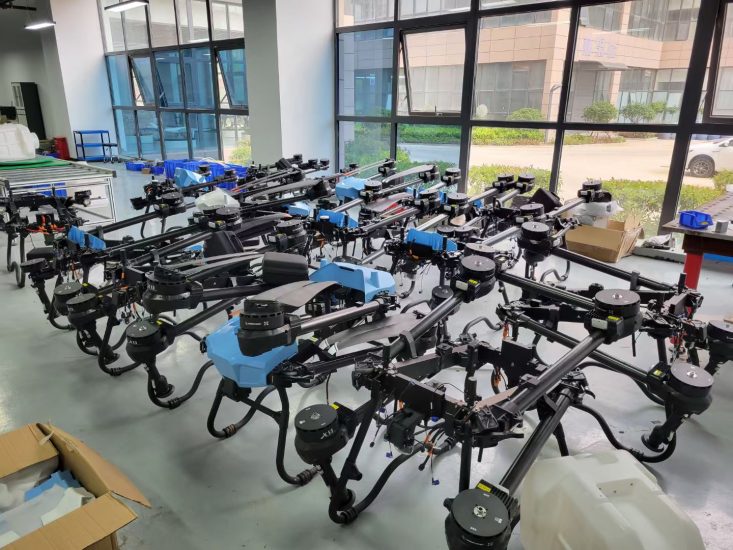
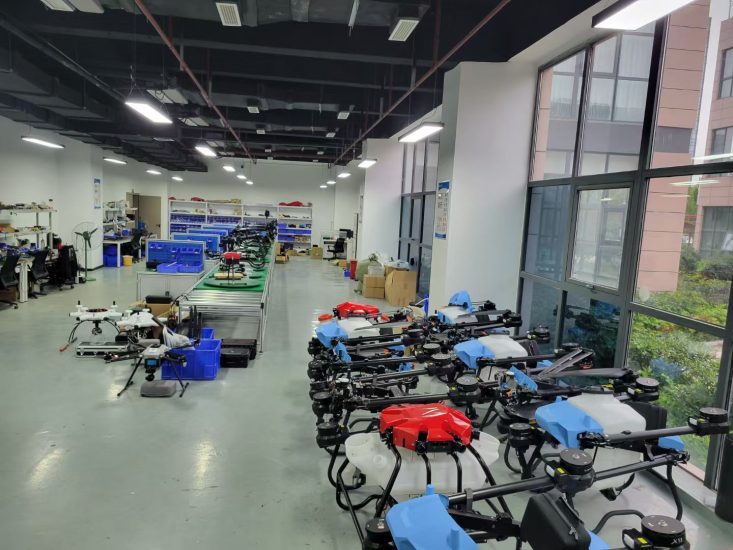
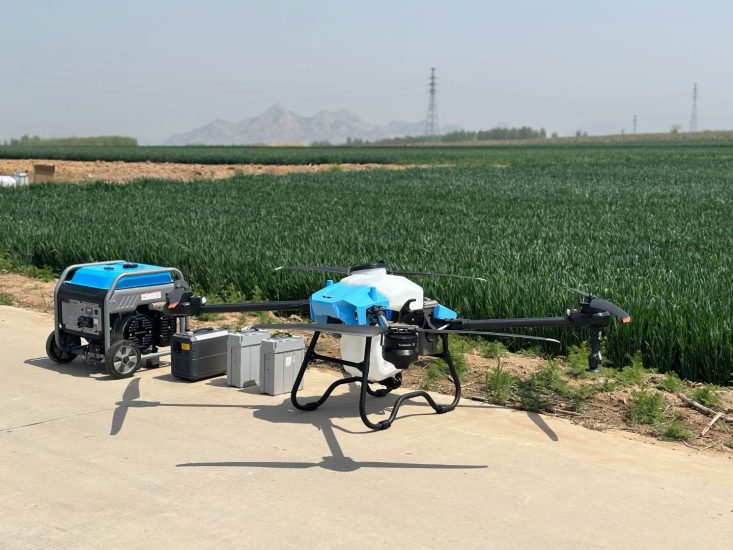
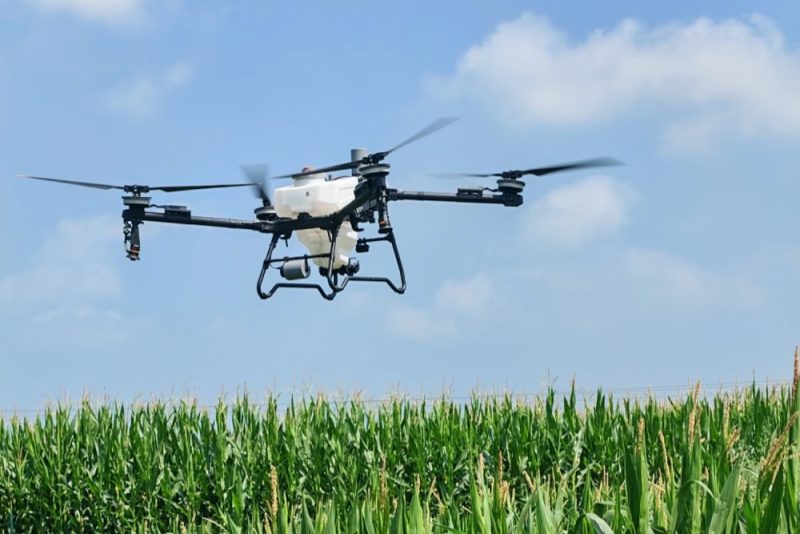
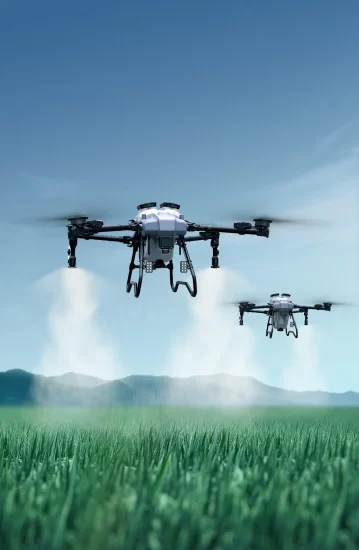
Farmers now deploy autonomous drones to monitor crops, spray pesticides, and plant seeds. These drones fly pre-programmed grids, adjusting altitude and speed based on field topography. In Brazil, autonomous crop-spraying drones have reduced chemical use by 40% by targeting only pest-infested areas, while in Japan, small autonomous planes plant rice seedlings in terraced fields too steep for tractors.
2. Last-Mile Logistics
E-commerce giants and startups alike are testing autonomous delivery drones to bypass traffic and reach remote areas. These aircraft follow optimized routes, dropping packages at designated “skyports” or even landing in backyards. In Rwanda, autonomous drones have delivered medical supplies to hospitals in mountainous regions, cutting delivery times from hours to 30 minutes.
3. Disaster Response and Rescue
After earthquakes, floods, or wildfires, autonomous aircraft provide critical situational awareness. They fly into unstable zones to map debris, locate survivors via thermal imaging, or assess damage to infrastructure—tasks too dangerous for human pilots. During the 2023 Maui wildfires, autonomous drones surveyed burned areas, helping firefighters prioritize containment efforts.
4. Environmental Monitoring
Autonomous planes and balloons are tracking climate change impacts: measuring glacier melt, monitoring deforestation, or studying ocean currents. Solar-powered autonomous gliders, for example, can stay aloft for months, collecting data on atmospheric conditions to improve weather forecasting.
The Edge Over Human-Piloted Flight
Why choose autonomous flight? The advantages are compelling:
-
Endurance: Unmanned aircraft can fly longer than humans (some solar-powered models stay airborne for weeks), ideal for tasks like border patrol or ocean surveillance.
-
Precision: Autonomous systems eliminate human error, executing maneuvers with millimeter accuracy—critical for crop spraying or infrastructure inspection.
-
Safety: Removing pilots from hazardous environments (e.g., nuclear disaster zones, war zones) reduces risk to human life.
-
Cost-Efficiency: Lower operating costs (no salaries, training, or life support) make autonomous flight viable for repetitive or low-margin tasks.
Challenges: Navigating the Hurdles
Despite its promise, autonomous flight faces significant barriers. Regulatory frameworks lag behind technology—governments are still drafting rules for urban drone traffic, collision avoidance, and liability in case of accidents. Technical challenges include limited battery life (most drones fly <1 hour), vulnerability to cyberattacks, and difficulty adapting to unstructured environments (e.g., dense forests or chaotic city streets). Public acceptance is another hurdle: concerns about privacy (drones capturing images of homes) and noise pollution persist.
The Future: Skies Filled with Silent Partners
The next decade will see autonomous flight evolve from niche applications to mainstream utility. Advances in AI will enable “swarm intelligence,” where fleets of drones collaborate to map large areas or deliver goods collectively. Hybrid systems—combining autonomous drones with manned aircraft—could handle complex missions, like cargo transport with human oversight for critical decisions.
Regulators are beginning to adapt: the FAA’s “UAS Integration Pilot Program” tests urban drone traffic management, while the EU’s “U-Space” initiative aims to create a unified framework for autonomous aviation. As battery technology improves (solid-state batteries promise longer life) and 5G enables real-time data sharing, autonomous flight will become safer, smarter, and more integrated into daily life.
Conclusion
Autonomous flight is more than a technological feat—it is a redefinition of humanity’s relationship with the sky. By entrusting machines with the act of flying, we unlock new possibilities: feeding more people, responding faster to crises, and understanding our planet like never before. The journey is not without challenges, but the destination is clear: a future where the sky is a shared space, navigated by both human ingenuity and machine intelligence. In this new era, the question is not whether autonomous flight will reshape our world—but how quickly we can embrace its boundless potential.
Article Link:
Autonomous Flight: The Sky Unbound by Human Hands
THE END


No comments yet