

In an era defined by climate volatility, population growth, and finite natural resources, agricultural technology (AgTech) has emerged as the linchpin of global food security. It is not merely a set of tools but a paradigm shift—merging biology, data science, and engineering to transform how we grow, protect, and distribute food. From AI-powered pest prediction to gene-edited drought-resistant crops, AgTech is rewriting the rules of farming, promising to feed a projected 10 billion people by 2050 while healing the planet.
The Imperative for Innovation: Why Agriculture Needs Tech
Traditional agriculture, while foundational to human civilization, faces existential threats. Extreme weather events (droughts, floods, heatwaves) now occur 5x more frequently than in the 1970s, decimating yields. Pests and diseases, emboldened by warmer temperatures, cause annual losses of $220 billion globally. Meanwhile, arable land shrinks by 10 million hectares yearly due to urbanization and soil degradation. To bridge this gap, agriculture must evolve from a tradition-bound practice to a tech-driven science—and AgTech is leading the charge.
Core Innovations Shaping Modern Farming
AgTech’s impact stems from its diversity: a mosaic of technologies working in tandem to solve distinct challenges.
1. AI and Big Data: The Brain of Smart Farms
Artificial intelligence (AI) acts as a virtual agronomist, analyzing vast datasets—weather patterns, soil samples, crop images—to generate actionable insights. For example, machine learning models can predict pest outbreaks 2–3 weeks in advance by identifying subtle changes in leaf color or temperature, allowing farmers to intervene before infestations spread. In India, AI startup CropIn uses satellite imagery and weather data to advise 7 million farmers on optimal planting times, boosting yields by 15–20%.
2. IoT and Sensor Networks: The Senses of the Field
The Internet of Things (IoT) equips farms with “digital nervous systems.” Soil sensors measure moisture, pH, and nutrient levels in real time, triggering automated irrigation or fertilization. Weather stations track microclimates, helping farmers adjust practices for frost or heat stress. In Kenya, solar-powered IoT devices monitor livestock health (via body temperature and movement sensors), reducing mortality rates by 30% in pastoral communities.
3. Gene Editing and Biotechnology: Tailoring Crops to Climate
CRISPR and other gene-editing tools are creating crops resilient to climate shocks. Scientists have developed drought-tolerant maize that maintains yields with 30% less water, and rice varieties resistant to saltwater intrusion—critical for deltas threatened by rising seas. Biofortified crops, like vitamin A-enriched “Golden Rice,” address hidden hunger, while microbial inoculants (beneficial bacteria added to soil) enhance nutrient uptake, cutting fertilizer use by 25%.
4. Vertical Farming and Controlled Environment Agriculture (CEA)
In urban areas, vertical farms stack crops in climate-controlled towers, using LED lights and hydroponics to grow food year-round. These systems use 95% less water than traditional farming and eliminate pesticides. Singapore’s Sky Greens, for instance, produces leafy greens in skyscrapers, supplying 5% of the city-state’s vegetables and reducing reliance on imports.
5. Automation and Robotics: Relieving Labor Pressures
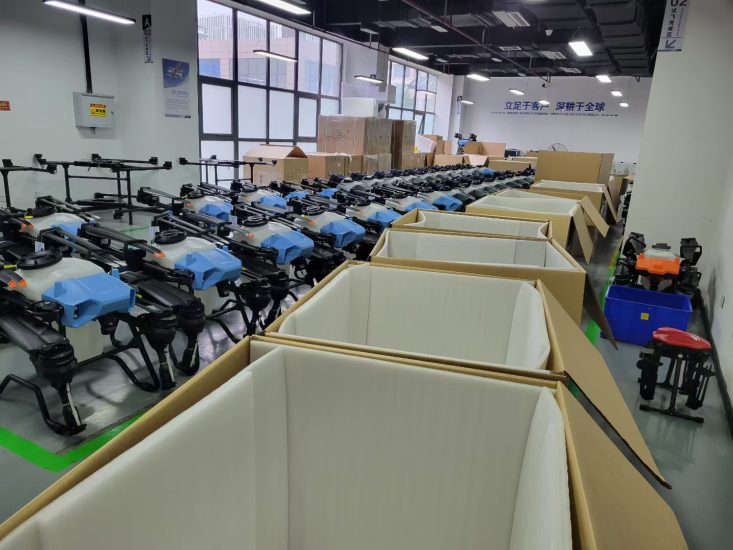
With 70% of farmers globally citing labor shortages as a top concern, robots are taking over repetitive tasks. Weeding robots use computer vision to distinguish crops from weeds, zapping invaders with targeted lasers. Harvesting bots, like those used for strawberries, gently pluck ripe fruit without bruising. In Japan, autonomous tractors guided by GPS plant seeds with centimeter-level precision, freeing farmers to focus on strategic planning.
The Ripple Effects: Efficiency, Sustainability, and Equity
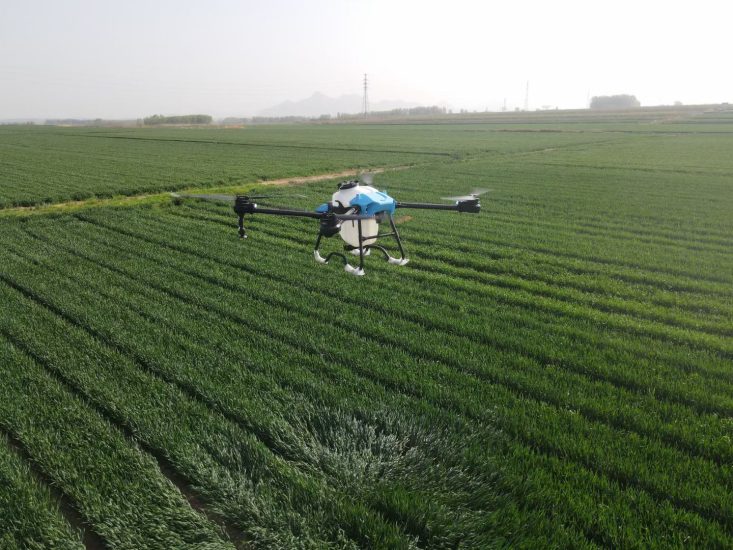
AgTech’s benefits extend far beyond higher yields. By optimizing resource use, it drives sustainability: smart irrigation cuts water waste, precision spraying reduces chemical runoff, and vertical farms lower carbon footprints by shortening supply chains. Economically, it boosts profits—farmers using AgTech report 20–50% increases in margins due to reduced input costs and higher output quality.
Crucially, AgTech can narrow the gap between large-scale and smallholder farmers. Low-cost mobile apps (e.g., Plantix, which diagnoses crop diseases via photos) put expert advice in the hands of farmers in remote areas. In Nigeria, the “Hello Tractor” platform connects smallholders with affordable tractor rentals via Uber-like booking, increasing access to mechanization.
Challenges: Bridging the Tech Divide
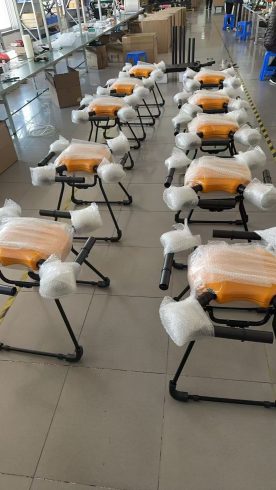
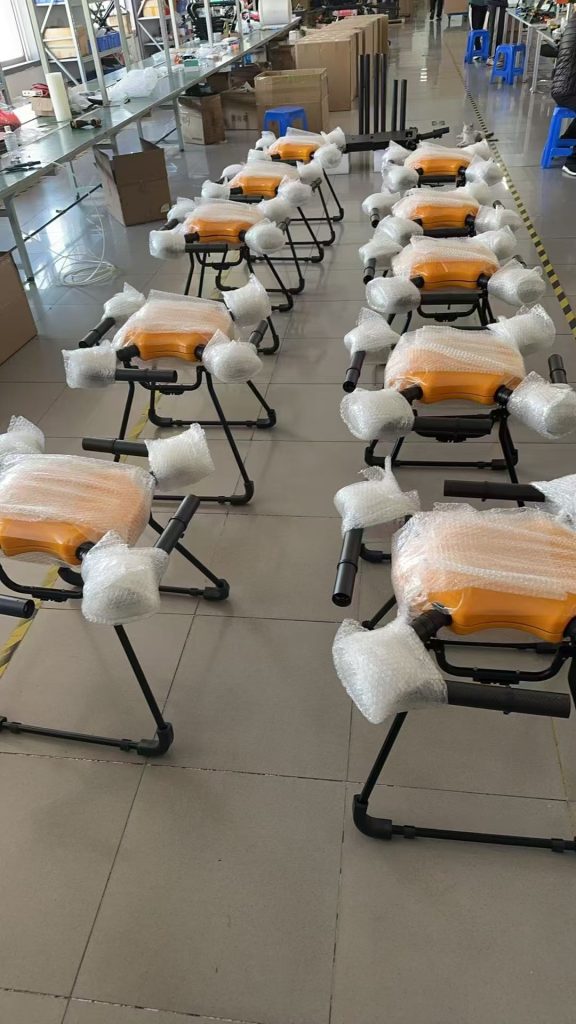
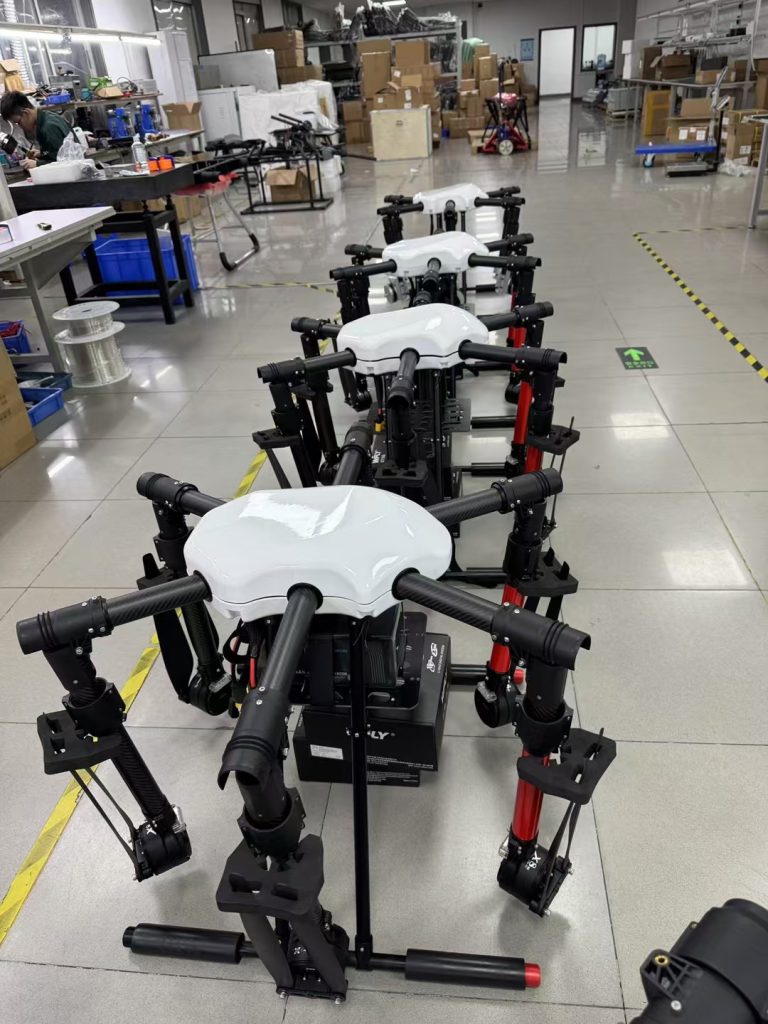
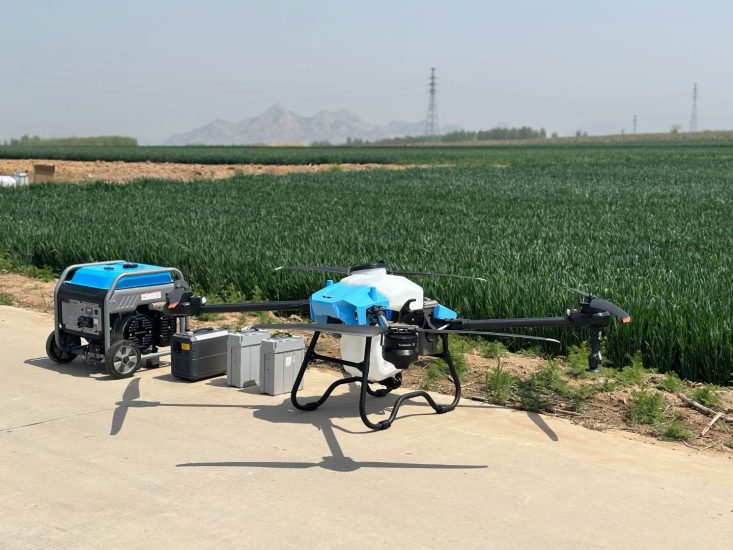
Despite its promise, AgTech faces barriers. High upfront costs exclude many smallholders—a drone or IoT system can cost 5,000–20,000, prohibitive for farmers earning $2/day. Digital literacy gaps mean some struggle to use apps or interpret data. Infrastructure deficits (unreliable internet, electricity) limit adoption in rural regions, particularly in sub-Saharan Africa.
Regulatory hurdles also slow progress. Gene-edited crops face uncertain approval processes in Europe, while data privacy laws vary globally, complicating cross-border AgTech services. Additionally, over-reliance on tech risks displacing traditional knowledge, underscoring the need for hybrid approaches that blend innovation with indigenous farming wisdom.
The Future: A Symbiotic Ecosystem
The next wave of AgTech will focus on integration and inclusivity. Imagine farms where drones, sensors, and robots communicate seamlessly via 5G, sharing data to optimize every stage of production. Blockchain could track crops from seed to shelf, ensuring transparency and fair prices for farmers. Open-source platforms, like the FAO’s “Digital Agriculture Toolkit,” will democratize access to AgTech, letting communities adapt tools to local needs.
Sustainability will remain central. Researchers are developing biodegradable sensors, solar-powered robots, and AI models that prioritize ecosystem health (e.g., preserving pollinators while controlling pests). AgTech will also play a key role in carbon sequestration—soil carbon sensors help farmers adopt practices like cover cropping to lock away CO₂.
Conclusion
Agricultural technology is not a silver bullet, but a catalyst for transformation. It empowers farmers to work with nature, not against it—producing more food with less waste, adapting to climate change, and building equitable food systems. As the world grapples with the twin crises of hunger and ecological collapse, AgTech offers a path forward: one where innovation, tradition, and sustainability converge. The future of farming is not just about growing crops—it’s about growing smarter, together.
Article Link:
Agricultural Technology: Cultivating a Resilient Future
THE END


No comments yet