



As agriculture continues to modernize, farmers are faced with an important question: should they stick with traditional spraying methods or switch to agricultural spraying drones? Both approaches have their advantages, but with the rise of precision farming, drones are rapidly becoming the preferred choice for many growers worldwide.
In this article, we compare agricultural spraying drones and traditional methods to help you determine which solution is better for your farming needs.
What Are Traditional Spraying Methods?
Traditional crop spraying typically involves:
- Manual backpack sprayers
- Tractor-mounted boom sprayers
- Manned aircraft (in large-scale farming)
These methods have been used for decades and are still common in many regions.
What Are Agricultural Spraying Drones?
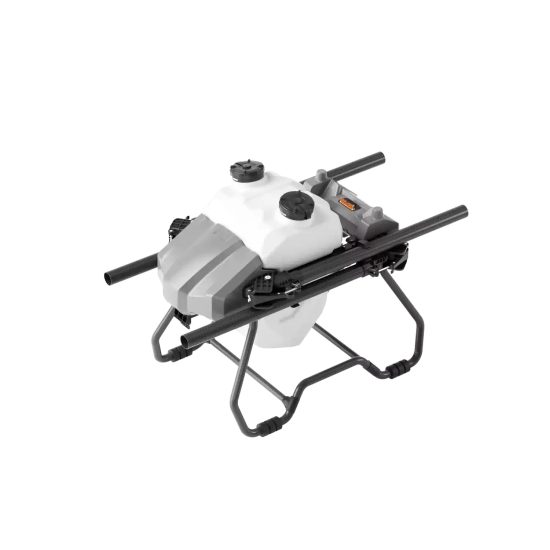
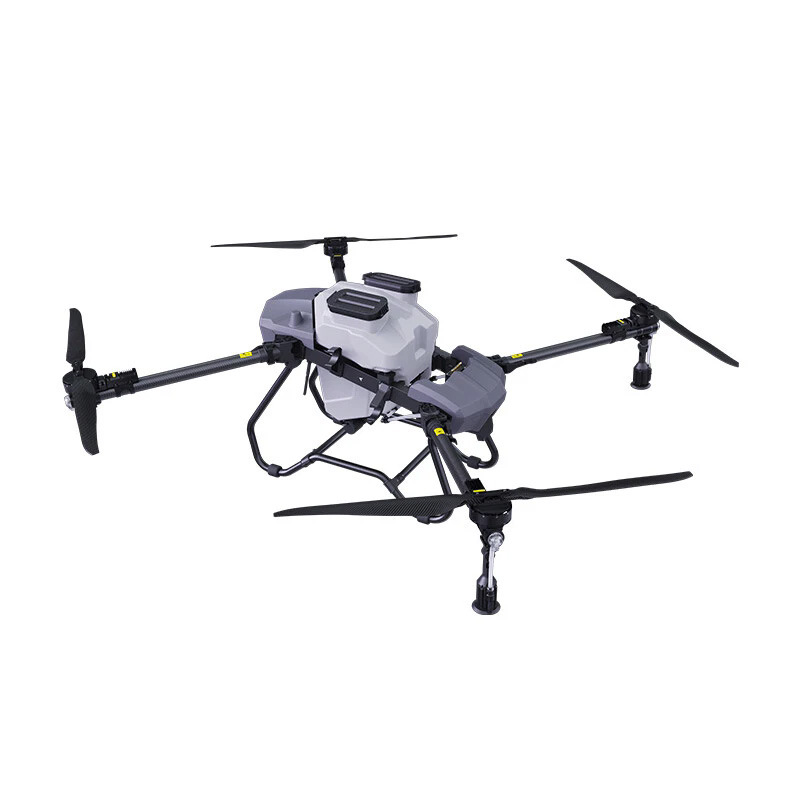
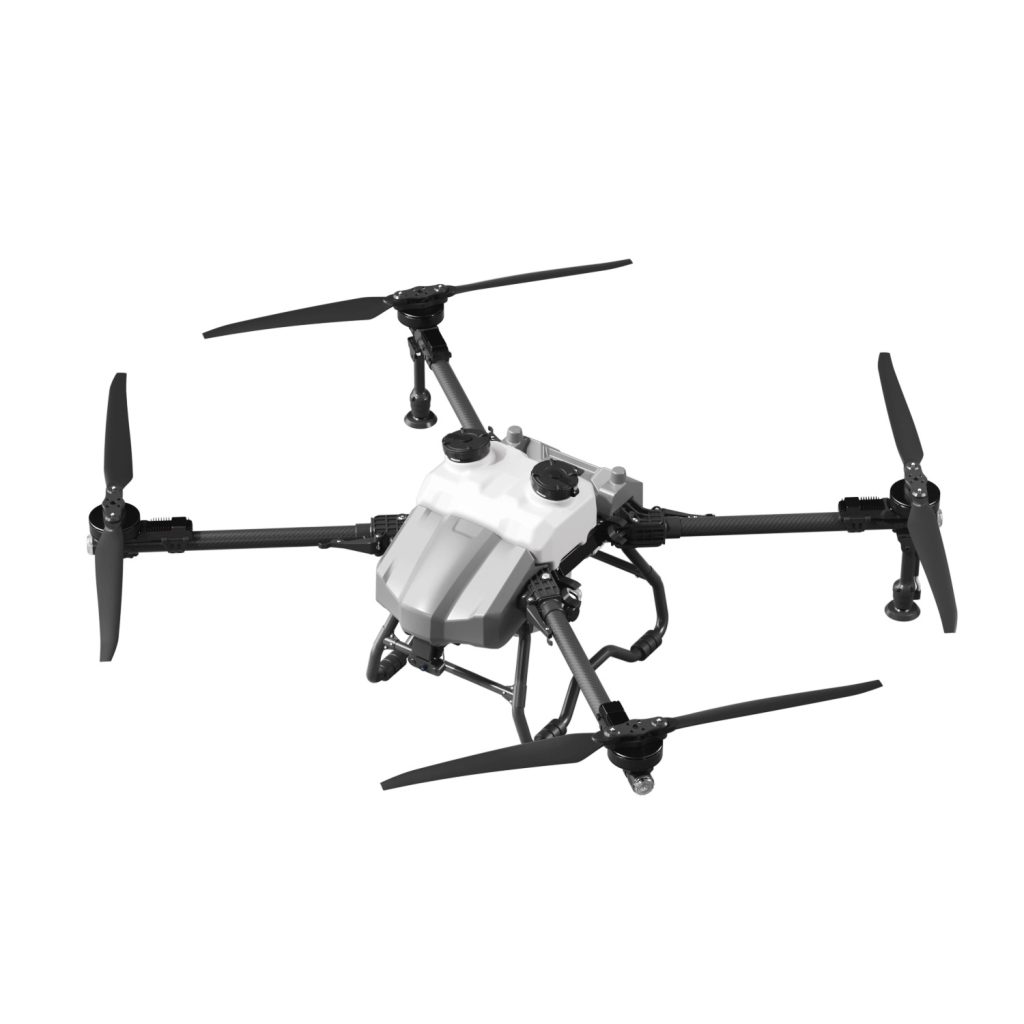
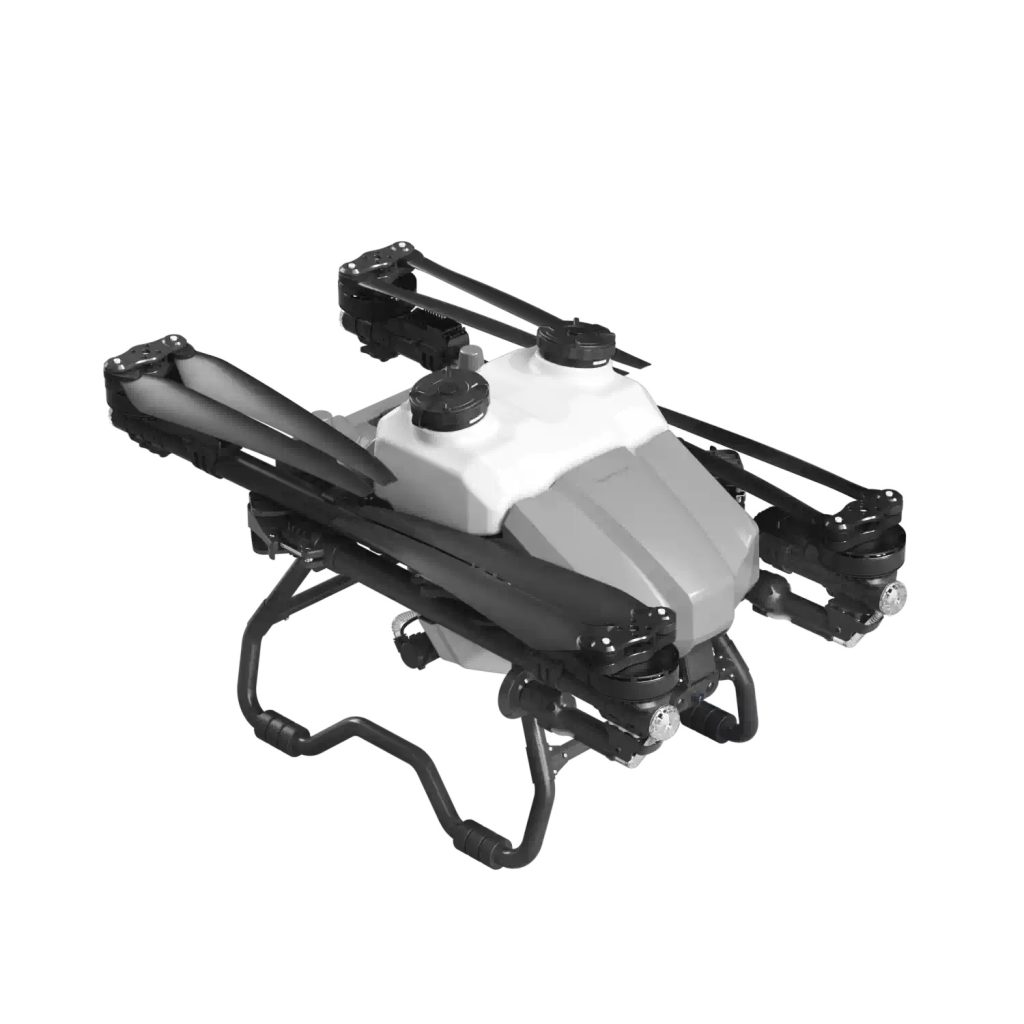
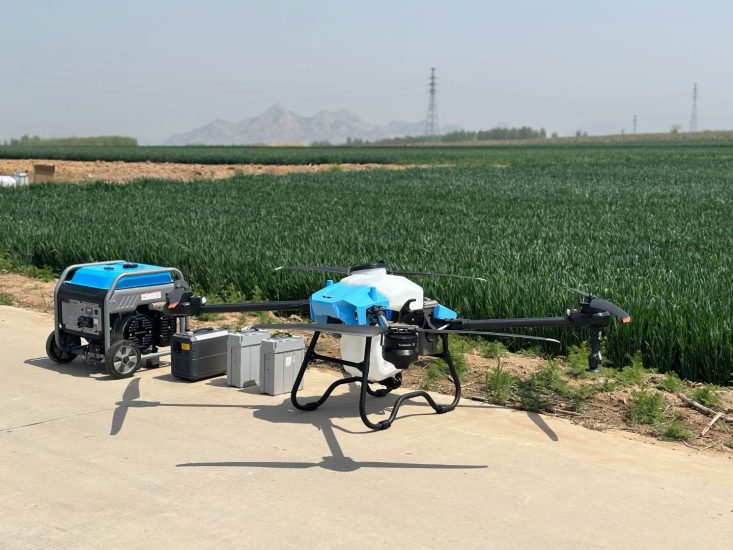
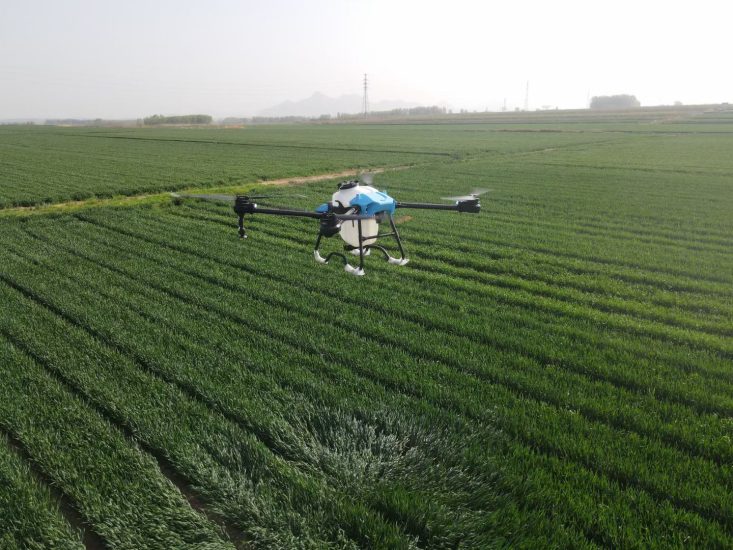
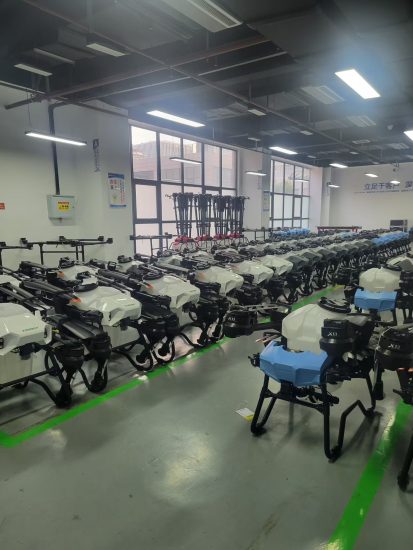
Agricultural spraying drones are unmanned aerial vehicles (UAVs) equipped with tanks, pumps, and intelligent flight systems. They are designed to spray pesticides, fertilizers, and herbicides with high precision and minimal human effort.
Key Comparison: Drones vs Traditional Methods
1. Efficiency and Speed
Traditional Methods:
- Manual spraying is slow and labor-intensive
- Tractor spraying depends on terrain and field conditions
- Large equipment may struggle in small or irregular fields
Drones:
- Fast and automated operations
- Can cover large areas in a short time
- Ideal for both small and large farms
👉 Winner: Drones
2. Precision and Accuracy
Traditional Methods:
- Often results in over-spraying or under-spraying
- Limited control over application accuracy
Drones:
- GPS-guided flight paths
- Targeted spraying for specific areas
- Consistent and uniform coverage
👉 Winner: Drones
3. Labor Requirements
Traditional Methods:
- Requires multiple workers
- High labor costs over time
Drones:
- One operator can manage operations
- Reduces dependency on labor
👉 Winner: Drones
4. Cost Consideration
Traditional Methods:
- Lower initial investment
- Higher long-term labor and chemical costs
Drones:
- Higher upfront cost
- Lower operational costs over time
👉 Winner: Depends on long-term vs short-term perspective
5. Terrain Adaptability
Traditional Methods:
- Limited in uneven, muddy, or mountainous terrain
- Heavy machinery can damage crops and soil
Drones:
- Can operate in complex terrains
- No soil compaction or crop damage
👉 Winner: Drones
6. Safety
Traditional Methods:
- Workers exposed to harmful chemicals
- Higher risk of accidents
Drones:
- Remote operation keeps workers safe
- Minimal exposure to chemicals
👉 Winner: Drones
7. Environmental Impact
Traditional Methods:
- Higher chemical waste
- Soil compaction and fuel consumption
Drones:
- Reduced chemical usage
- Lower carbon footprint
- More environmentally friendly
👉 Winner: Drones
When Traditional Methods Still Make Sense
Despite the advantages of drones, traditional methods may still be suitable in certain situations:
- Very small farms with limited budget
- Regions with strict drone regulations
- Farmers unfamiliar with technology
However, even in these cases, the trend is shifting toward adopting drone solutions.
Real-World Example
A mid-sized farm using traditional spraying may require several workers and multiple days to complete spraying tasks. By switching to drones, the same farm can complete the job in a fraction of the time with fewer resources and better results.
Future Outlook
The agricultural industry is clearly moving toward automation and smart farming. As drone technology becomes more affordable and accessible, more farmers are expected to replace traditional spraying methods with drone-based solutions.
Conclusion
When comparing agricultural spraying drones vs traditional methods, drones clearly offer superior efficiency, precision, safety, and long-term cost benefits. While traditional methods may still be used in certain situations, they are gradually being replaced by smarter, more advanced technologies.
For farmers looking to increase productivity and stay competitive, agricultural spraying drones are the better choice for the future.
agricultural spraying drones vs traditional methods, farm drone comparison, crop spraying drone benefits, UAV agriculture vs manual spraying, precision farming vs traditional farming, pesticide spraying methods, smart farming drone, agriculture efficiency tools, drone vs tractor spraying, modern agriculture technology


No comments yet