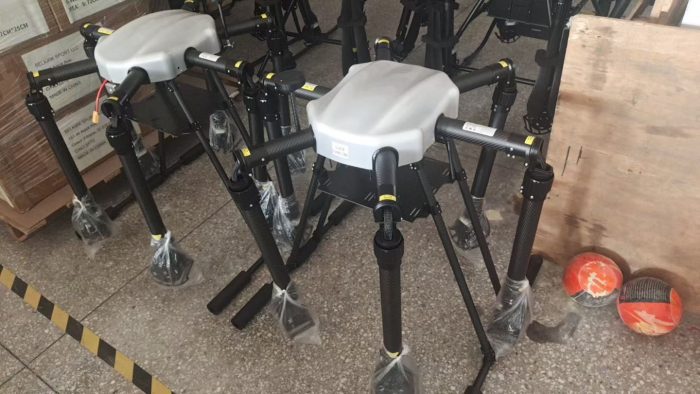


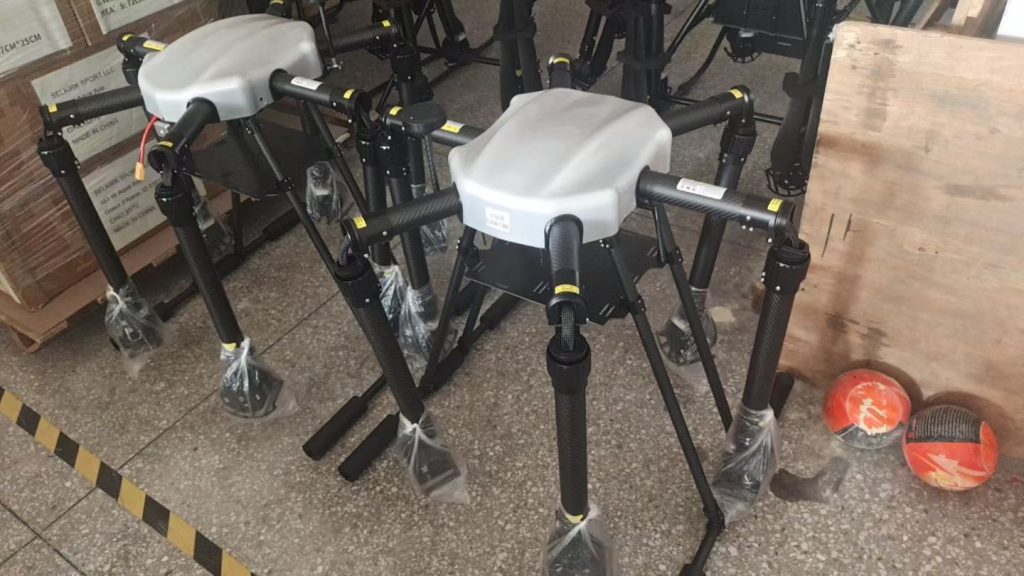
In an era where global food demand is surging and agricultural labor shortages persist, innovative technologies are reshaping the farming landscape. Among these game – changers, agricultural spraying drones have emerged as a powerful tool to address inefficiencies in crop protection and resource management. These unmanned aerial vehicles (UAVs) are not just a technological novelty; they represent a fundamental shift toward precision agriculture, sustainability, and scalability in food production.
Tackling Traditional Farming Pain Points
Conventional crop spraying relies heavily on manual labor or large – scale machinery, both of which come with limitations. Manual spraying is time – consuming, inconsistent in coverage, and exposes workers to harmful pesticides. Meanwhile, traditional tractors or sprayers often waste resources — over – applying chemicals in some areas while missing spots in others, leading to environmental contamination and increased costs. Agricultural spraying drones directly target these issues by combining automation, data – driven precision, and adaptability to diverse farmland conditions.
Core Technologies Driving Efficiency
At the heart of agricultural spraying drones lies a suite of advanced technologies. First, their precision spraying systems use sensors and AI – powered algorithms to detect crop health, soil conditions, and pest/disease hotspots. This allows drones to release chemicals or fertilizers only where needed, minimizing waste — some models claim up to 30% reduction in pesticide usage compared to traditional methods.
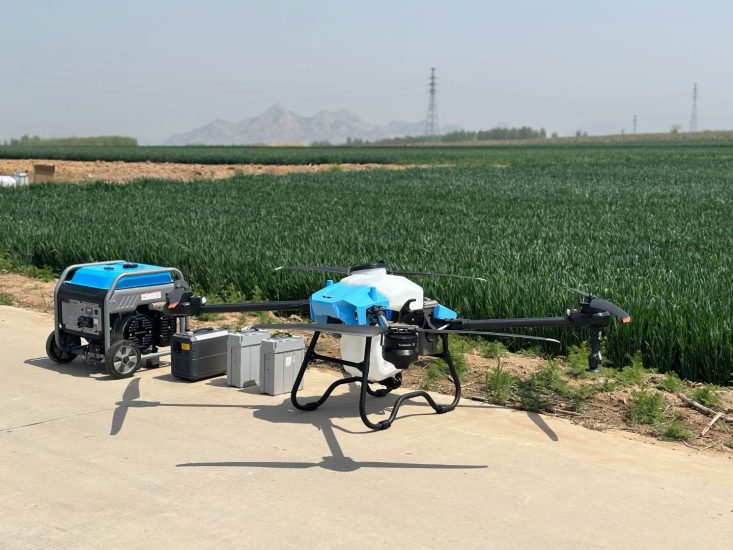
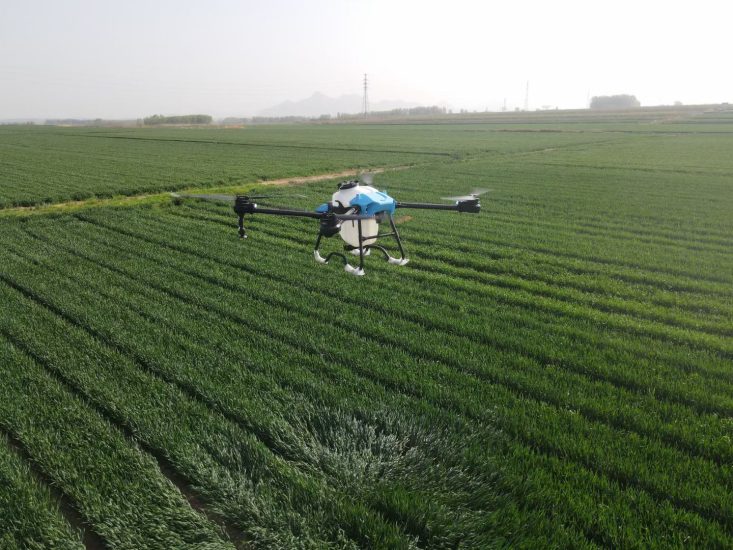
Second, autonomous flight capabilities enable drones to follow pre – programmed routes or adapt to real – time field changes. GPS guidance and obstacle – avoidance systems ensure safe, consistent coverage even in irregularly shaped fields or areas with obstacles like trees or irrigation equipment. For farmers managing large acreages, this automation translates to massive time savings: a single drone can cover dozens of acres per hour, a task that might take days with manual labor.
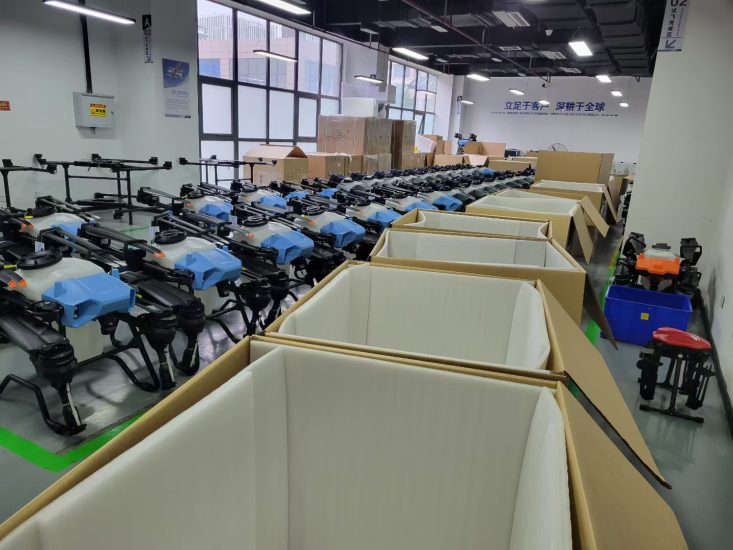
Third, modular design and payload adaptability make these drones versatile. Depending on the model, they can carry varying volumes of liquids (from a few liters for small – scale farms to over 20 liters for industrial operations) and switch between spraying, seeding, or fertilizing functions. This flexibility means one device can serve multiple roles across a farm’s growing cycle.
Sustainability and Economic Benefits
Beyond efficiency, agricultural spraying drones contribute to sustainable farming practices. By reducing chemical overuse, they limit runoff into waterways and lower the environmental impact of agriculture. For smallholder farmers, who often struggle with access to labor and capital – intensive machinery, drones offer an affordable alternative. They require less upfront investment than large tractors and can be operated with minimal training, democratizing access to high – tech farming tools.
Economically, drones also cut long – term costs. Less chemical waste means lower input expenses, while faster application cycles reduce labor budgets. In regions prone to labor shortages — such as parts of Asia and Africa — drones ensure timely crop protection, preventing yield losses that could devastate small – scale operations.
The Road Ahead
As technology evolves, agricultural spraying drones are poised to integrate further with other smart farming systems. Imagine drones synced with IoT – enabled soil sensors, drones that use computer vision to identify individual plant health, or swarms of drones collaborating to cover vast areas in record time. Research into longer – lasting batteries, lighter yet durable materials, and AI – enhanced decision – making will continue to push the boundaries of what these devices can achieve.
In conclusion, agricultural spraying drones are more than just a trend — they are a cornerstone of the modern agricultural revolution. By bridging the gap between traditional farming knowledge and cutting – edge technology, they empower farmers to produce more with less, protect natural resources, and meet the demands of a growing global population. As adoption spreads across the globe, their role in building a resilient, efficient, and sustainable food system will only grow stronger.
THE END


No comments yet