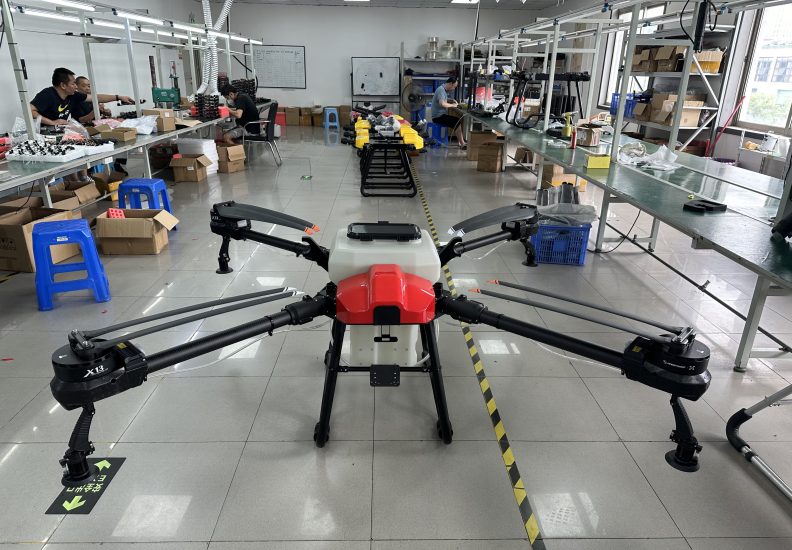


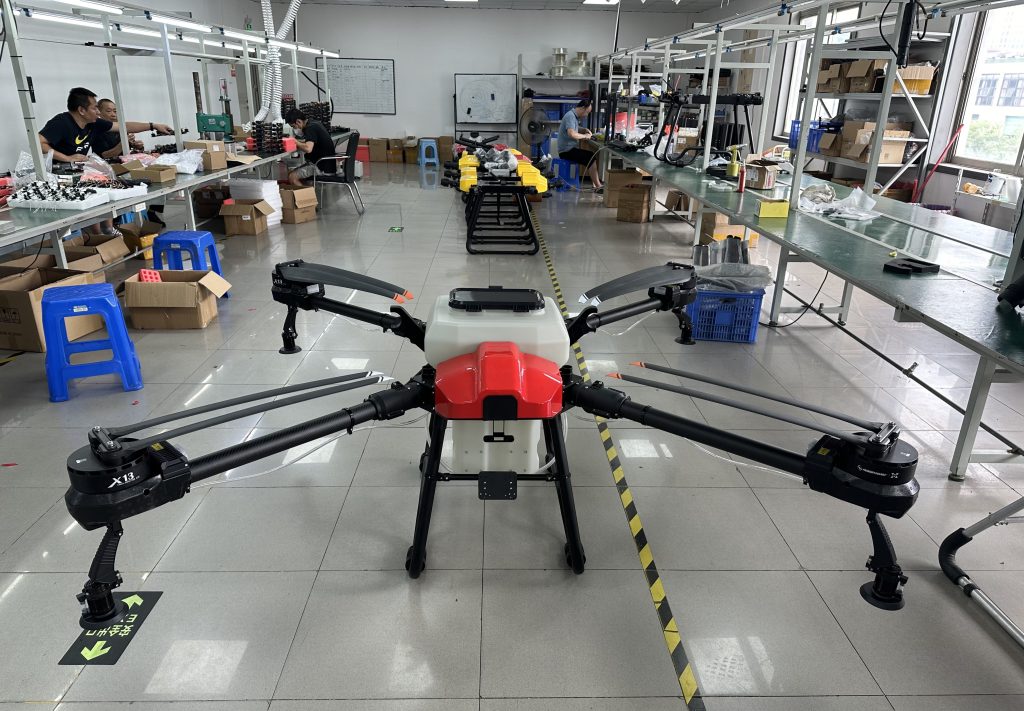
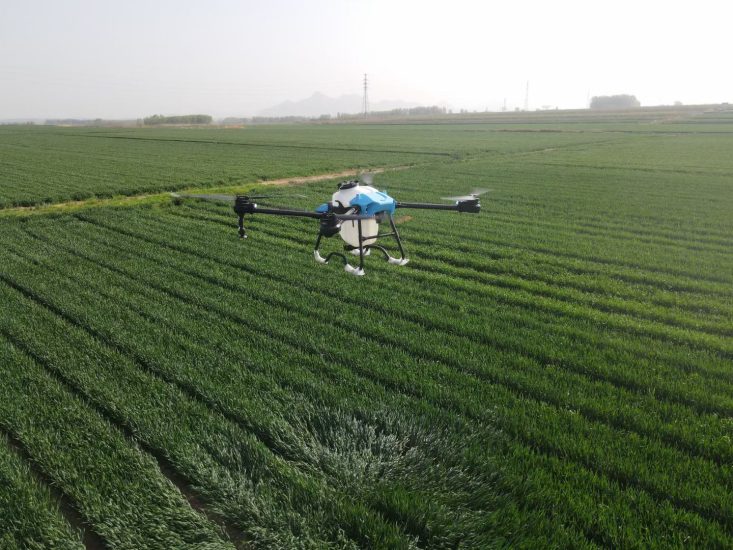
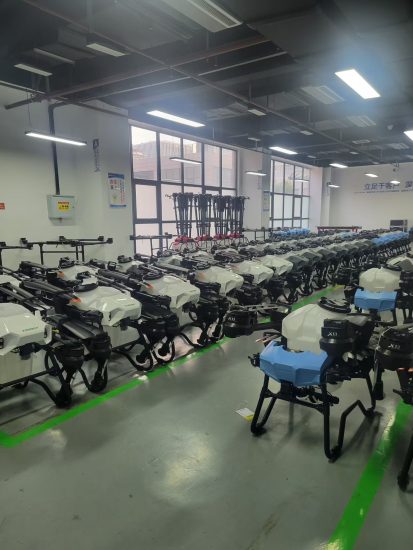
The global agricultural drone market is expanding at an unprecedented rate, yet not all manufacturers are created equal. For buyers who prioritize precision, regulatory compliance, and long-term reliability, Switzerland has emerged as a premier sourcing destination. An agricultural spray drone manufacturer in Switzerland does not simply assemble components; it engineers integrated crop-spraying UAV systems designed to perform in the world’s most challenging environments. When this Swiss engineering is combined with RTK (Real-Time Kinematic) positioning, the result is a crop-spraying UAV with RTK capability that redefines what is possible in precision agriculture.
This article explores the technical, regulatory, and commercial advantages of sourcing crop-spraying UAVs from Swiss manufacturers, with a specific focus on the transformative role of RTK technology.
The Swiss Standard: Engineering Integrity in Every Frame
Switzerland is globally recognized for its precision manufacturing heritage. In the context of agricultural UAVs, this heritage translates into a set of non-negotiable design principles:
-
Material Excellence: Swiss crop-spraying drones typically utilize aerospace-grade carbon fiber and anodized aluminum alloys. These materials provide the optimal strength-to-weight ratio required for high-altitude and high-wind operations, while resisting the corrosive effects of agricultural chemicals.
-
Clean Electric Propulsion: Unlike manufacturers that rely on gasoline generators, Swiss producers favor high-capacity lithium battery systems. This ensures zero direct emissions at the point of application and significantly reduces mechanical complexity, noise, and maintenance requirements.
-
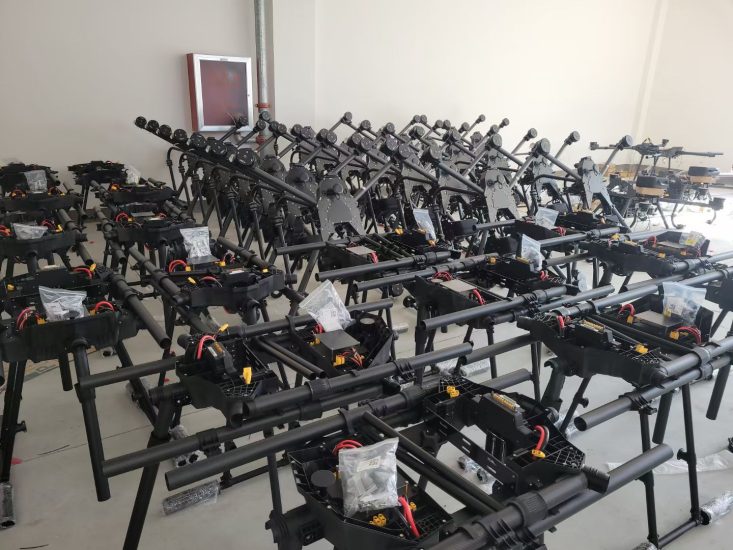
Modular Architecture: A hallmark of Swiss design is serviceability. Modular arms, quick-release battery packs, and standardized connectors allow field repairs to be completed in minutes—minimizing downtime during narrow spraying windows when weather and crop stage are critical.
-
The “Swiss Made” Guarantee: The “Swiss made” designation is a legally protected label requiring that a substantial portion of production costs originate in Switzerland and that the final manufacturing stage occurs on Swiss soil. For distributors, this serves as an auditable mark of quality that resonates with buyers in regulated markets.
RTK Technology: The Backbone of Precision Spraying
RTK (Real-Time Kinematic) is not merely an optional add-on; it is the foundational technology that enables true precision in crop protection. A crop-spraying UAV with RTK uses a network of global navigation satellites and a ground-based reference station to correct positional errors in real time. The result is centimeter-level accuracy—typically 1 to 3 cm—compared to the 1 to 5 meter margin of error common with uncorrected GPS.
Why RTK Is Critical for Agricultural Spraying
Challenge Without RTK |
RTK Solution |
|---|---|
Signal drift causes overlapping passes |
Perfectly parallel flight lines, zero overlap |
Missed strips leave pests untreated |
Continuous, gap-free coverage |
Uneven altitude on slopes |
Terrain-following flight at consistent crop height |
Manual piloting required for complex fields |
Fully autonomous missions with centimeter-accurate waypoints |
Inaccurate landing risks equipment damage |
Pinpoint return-to-home and automated landing |
1. Elimination of Chemical Waste: RTK prevents double-spraying the same area, directly reducing chemical consumption and cost per hectare.
2. Terrain Adaptation: In vineyards or hilly terrain, maintaining a consistent altitude above the crop canopy is essential for uniform deposition. RTK enables the UAV to follow ground contours with extreme precision, regardless of slope angle.
3. Automated Workflows: Operators can program complex flight plans without physical ground markers. The drone navigates autonomously, sprays systematically, and returns to its exact takeoff point.
4. Drift Reduction: Precise positioning allows for lower flight altitudes and tighter nozzle control, which minimizes off-target spray movement—a decisive factor in meeting environmental buffer zone requirements.
Technical Deep Dive: A Swiss Crop-Spraying UAV with RTK
When evaluating a Swiss-manufactured system, professional buyers should look for the following integrated technical capabilities:
Dual-Band RTK Modules
A professional-grade Swiss UAV supports multiple satellite constellations (GPS, GLONASS, Galileo, BeiDou) simultaneously. Dual-band receivers filter out ionospheric interference, ensuring faster signal lock and stable positioning even in poor weather or areas with signal reflection (such as near metal farm buildings or rocky outcrops).
Flow-Control Integration
The RTK positioning data should communicate directly with the spray controller. As the drone’s ground speed changes—for example, when climbing a steep incline—the flow rate adjusts automatically to maintain a constant application rate measured in liters per hectare. This ensures uniform coverage regardless of terrain or wind conditions.
Centrifugal Atomization Systems
High-speed rotating nozzles generate uniformly sized droplets, with droplet diameter adjustable in real time based on flight speed, wind conditions, and crop canopy density. When paired with RTK navigation, the system can optimize droplet size for maximum canopy penetration without increasing drift risk.
Intelligent Battery Management
Swiss UAVs typically feature smart battery systems that monitor individual cell health, internal temperature, and charge cycle count. Operators receive precise remaining flight time estimates, eliminating the guesswork that leads to forced landings mid-mission.
Safety and Redundancy
-
Geofencing: Define no-fly zones around sensitive areas such as water sources or residential buildings.
-
Fail-Safe Protocols: In the event of signal loss, the UAV automatically returns to its RTK-verified home point.
-
Obstacle Sensing: Downward and forward-facing sensors complement RTK data for safe low-altitude operation.
Ideal Applications for Swiss RTK Spray Drones
The combination of Swiss engineering and RTK precision makes these UAVs ideally suited for:
-
Viticulture: Navigating narrow vineyard rows on slopes exceeding 20 degrees, where tractors cannot operate safely. Adjustable spray boom geometry targets vertically growing crops with minimal waste.
-
Orchards and Groves: Delivering targeted sprays to tree canopies with terrain-following altitude control and sideward nozzle configurations.
-
High-Value Specialty Crops: Herbs, hops, tea, coffee, and medicinal plants where chemical application must be exact to avoid crop damage and maximize yield quality.
-
Environmentally Sensitive Zones: Operating near watercourses or residential areas where strict buffer regulations demand minimal drift and precise application boundaries.
Regulatory Compliance: The Swiss Advantage
Switzerland enforces some of the world’s most rigorous agricultural and aviation regulations. A Swiss agricultural spray drone manufacturer designs its platforms to comply with:
-
CE Directives: Electromagnetic Compatibility (EMC) and Radio Equipment Directive (RED) certification for European market access.
-
Drift Reduction Standards: Engineering aligned with ISO 22866 protocols for field measurement of spray drift, including deposit uniformity and off-target movement assessments.
-
Battery Transport Compliance: Full UN38.3 testing and MSDS documentation for safe international shipping of lithium battery systems.
-
Environmental Impact Documentation: Comprehensive agronomic reports covering noise levels, application rate accuracy, and ecological risk assessments.
For international buyers, this means a Swiss-made crop-spraying UAV arrives with a turnkey compliance package. In markets where agricultural drone regulations are still being defined, this documentation can reduce local approval timelines from months to weeks.
Procurement Guide for Global Distributors
When sourcing from an agricultural spray drone manufacturer in Switzerland, distributors and large-scale growers should conduct due diligence across the following areas:
1. Verify RTK Infrastructure
Does the manufacturer provide a dedicated RTK base station, or does the system rely solely on NTRIP (network RTK) correction services? A private base station offers greater reliability in remote agricultural areas where cellular data coverage may be inconsistent.
2. Assess Software Ecosystem
The ground control station software should be intuitive, support multi-language operation, and allow for easy export of flight logs and application records. These records are increasingly required for regulatory reporting and subsidy applications in developed markets.
3. Evaluate Training and Support
A reputable Swiss manufacturer will offer comprehensive training programs covering:
-
Flight operations and mission planning
-
Chemical handling and nozzle calibration
-
Preventative maintenance and diagnostics
-
Regulatory compliance in the buyer’s home market
4. Confirm Spare Parts and Service Network
Ensure that critical components—propellers, pumps, nozzles, batteries, and flight controllers—are stocked and can be shipped globally within 48 to 72 hours. Ask about regional service center partnerships to minimize downtime during peak seasons.
5. Request Certification Documentation
Before placing a bulk order, request copies of:
-
Type certification or equivalent airworthiness documentation
-
CE marking declarations
-
Drift measurement and deposit uniformity reports
-
Battery transport certifications (UN38.3, MSDS)
The Global Trajectory
Several converging trends are driving demand for Swiss-manufactured crop-spraying UAVs with RTK:
-
Labor Shortages: Across Europe, North America, and developed agricultural markets, the availability of skilled farm labor is declining. Autonomous RTK-guided spraying addresses this gap directly.
-
Chemical Regulation: Stricter limits on pesticide use and drift are pushing growers toward precision application technologies that can prove exact application rates and boundaries.
-
Sustainability Mandates: Carbon-neutral farming initiatives and ESG reporting requirements favor electric, low-emission application methods with documented environmental benefits.
-
High-Value Crop Expansion: As global agriculture shifts toward higher-margin specialty crops, the economics of precision spraying become increasingly favorable.
Conclusion
Choosing an agricultural spray drone manufacturer in Switzerland means investing in a crop-spraying UAV with RTK that is engineered for precision, built for compliance, and designed for longevity. In a market where many products are treated as disposable, Swiss-made UAVs represent a long-term strategic asset for professional agricultural operations.
The integration of RTK technology ensures that every liter of spray is applied exactly where it is needed, protecting crop health while minimizing environmental impact. For distributors seeking to offer a premium, differentiated product—and for growers who refuse to compromise on quality—the Swiss advantage is not merely a preference. It is the benchmark.
About Swiss Crop-Spraying UAVs with RTK: This article is written for global agricultural distributors, procurement professionals, and high-value crop operators evaluating Swiss-manufactured precision spraying platforms. All technical references reflect industry-standard UAV engineering practices and certification frameworks applicable to Swiss agricultural drone manufacturers. For detailed technical specifications, certification documentation, or distribution partnerships, contact a verified Swiss agricultural spray drone manufacturer directly.
THE END


No comments yet