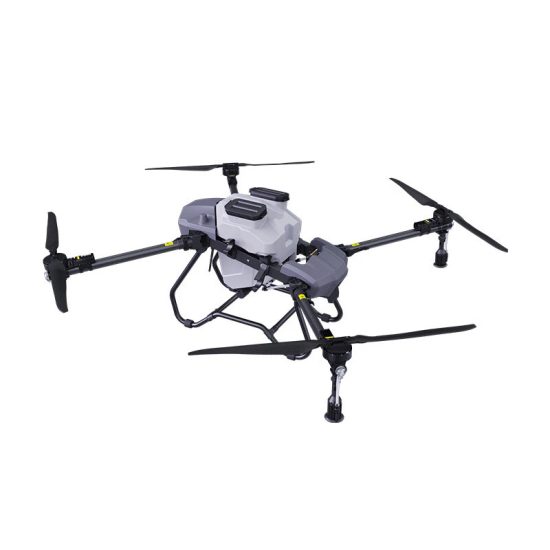


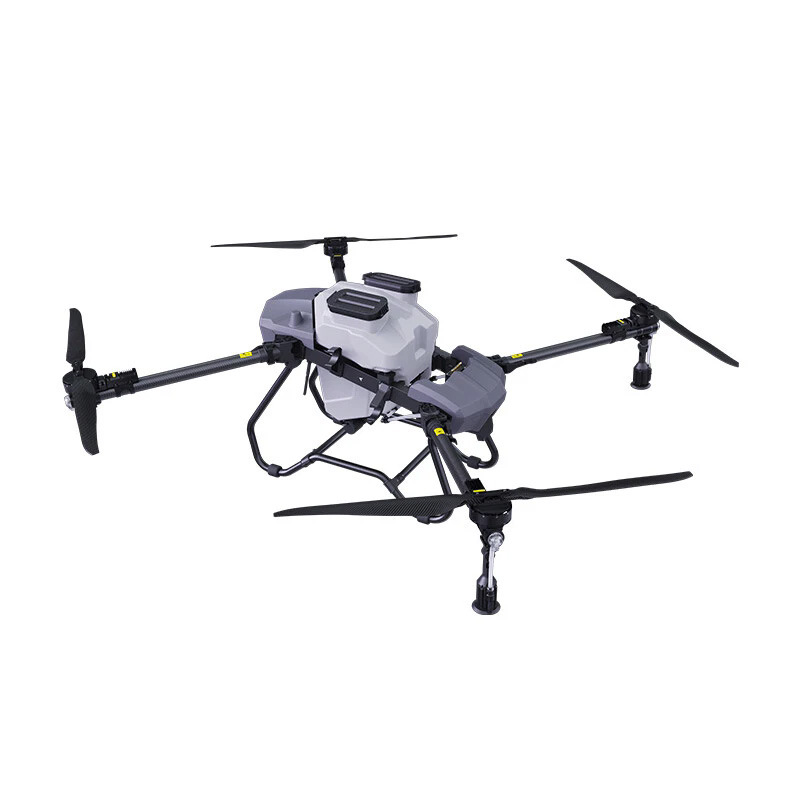

Modern farming is rapidly evolving, and one of the biggest changes in recent years is the shift from traditional spraying methods to agricultural drones. Many farmers and agricultural businesses are now asking a key question: Which is better—agricultural drones or traditional spraying methods?
In this article, we will compare both approaches in terms of cost, efficiency, safety, and long-term benefits to help you make the right decision.
What Are Traditional Spraying Methods?
Traditional spraying methods usually include:
- Manual backpack sprayers
- Tractor-mounted sprayers
- Hand-operated pumps
- Large ground spraying machines
These methods have been used for decades in agriculture and still exist in many regions today.
What Are Agricultural Drones?
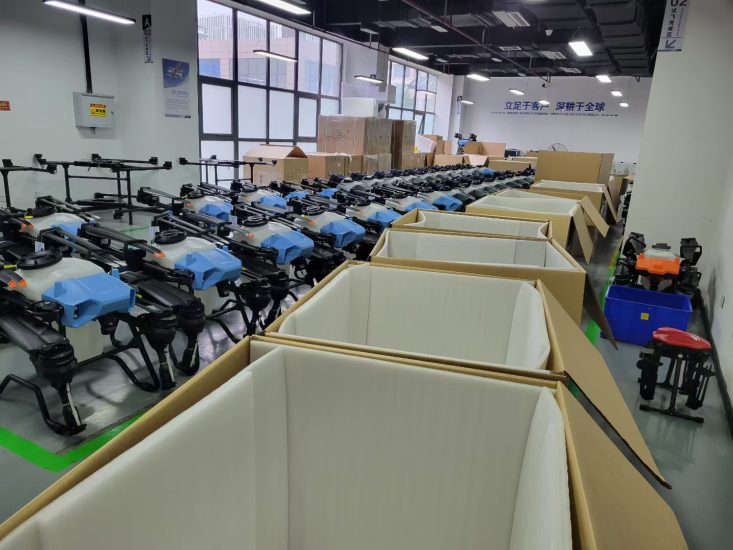
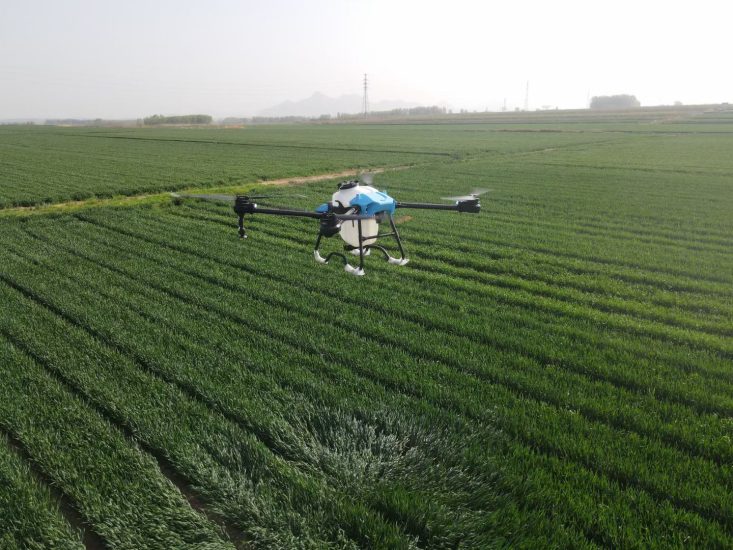
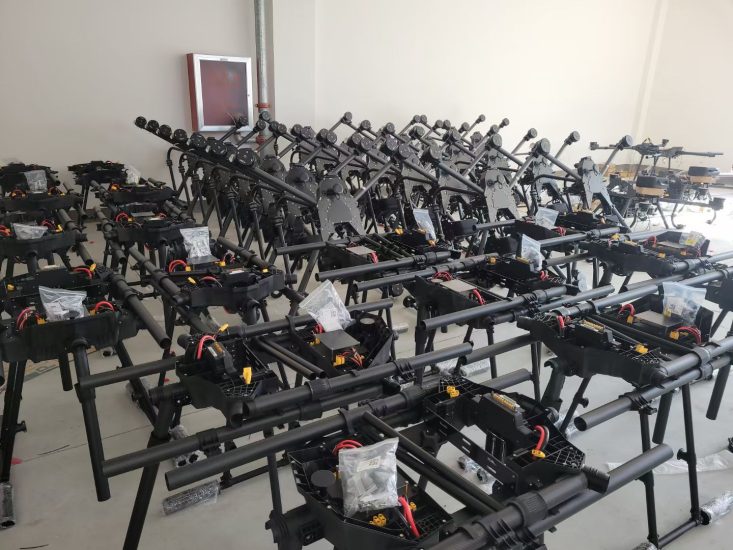
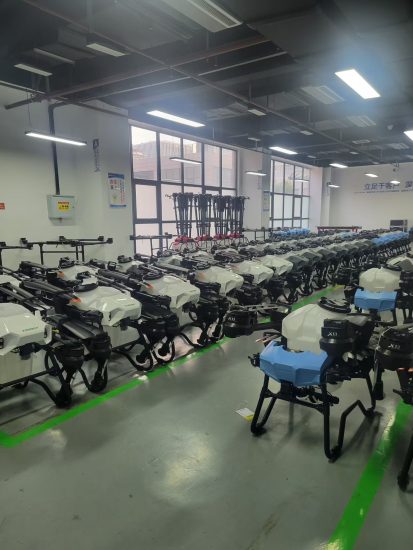
Agricultural drones are unmanned aerial vehicles designed for farming tasks such as:
- Pesticide spraying
- Fertilizer application
- Crop monitoring
- Field mapping
They use GPS navigation and smart spraying systems to cover farmland efficiently from the air.
Efficiency Comparison
Traditional Spraying:
- Slow operation speed
- Requires large workforce
- Difficult in large or uneven fields
Agricultural Drones:
- Fast coverage of large areas
- Automated flight paths
- Minimal human labor required
👉 Drones are significantly more efficient for large-scale agriculture.
Cost Comparison
Traditional Methods:
- Lower initial equipment cost
- Higher long-term labor cost
- Higher chemical waste over time
Agricultural Drones:
- Higher initial investment
- Lower operational and labor costs
- Reduced chemical usage
👉 Drones often provide better long-term ROI.
Precision and Accuracy
Traditional Spraying:
- Uneven chemical distribution
- Human error is common
- Overuse of pesticides in some areas
Agricultural Drones:
- GPS-guided precision spraying
- Uniform coverage
- Reduced chemical waste
👉 Drones are more precise and environmentally friendly.
Safety Comparison
Traditional Methods:
- Workers exposed to chemicals
- Physical strain and fatigue
- Risk of accidents with machinery
Agricultural Drones:
- Remote operation reduces exposure
- Less physical labor required
- Safer working conditions
👉 Drones greatly improve farm worker safety.
Time Efficiency
Traditional Spraying:
- Slow for large farms
- Requires multiple workers and passes
Agricultural Drones:
- Rapid field coverage
- Can operate multiple flights per day
- Ideal for time-sensitive spraying
👉 Drones save significant time during farming cycles.
Suitability for Different Farm Sizes
Small Farms:
- Traditional methods may still be cost-effective
- Small drones can also be useful
Large-Scale Farms:
- Drones are far more efficient
- Better scalability and automation
Environmental Impact
Traditional Methods:
- Higher chemical waste
- Soil and water contamination risk
Agricultural Drones:
- Targeted spraying reduces waste
- More eco-friendly agriculture
Maintenance and Operation
Traditional Equipment:
- Mechanical repairs required
- Simple operation but physically demanding
Agricultural Drones:
- Requires technical knowledge
- Battery and system maintenance needed
- Software updates and calibration
Overall Comparison Summary
| Factor | Traditional Spraying | Agricultural Drones |
|---|---|---|
| Speed | Low | High |
| Cost Efficiency | Medium | High (long-term) |
| Precision | Low | High |
| Labor Requirement | High | Low |
| Safety | Lower | Higher |
| Environmental Impact | Higher pollution | Eco-friendly |
FAQ (Frequently Asked Questions)
Q1: Are agricultural drones better than traditional spraying?
Yes, especially for large-scale farms where efficiency and precision are important.
Q2: Why are drones more expensive initially?
Because they use advanced technology such as GPS, sensors, and automated flight systems.
Q3: Can drones fully replace traditional spraying?
Not completely, but they can significantly reduce the need for manual spraying.
Q4: Which method is more profitable long term?
Agricultural drones are generally more cost-effective over time due to reduced labor and chemical usage.
Agricultural drones clearly outperform traditional spraying methods in terms of efficiency, precision, safety, and long-term cost savings. While traditional methods still have a place in small-scale farming, drones are becoming the future of modern agriculture.
For farmers and agricultural businesses aiming to increase productivity and reduce operational costs, investing in drone technology is a smart long-term decision.


No comments yet