

📦 Quick Insight for Farmers and Agricultural Buyers
Choosing between agricultural drone spraying and traditional crop spraying methods is a major decision for modern farms. While tractor sprayers and manual backpack sprayers have been used for decades, agricultural drones are rapidly transforming how pesticides, fertilizers, and crop nutrients are applied. In this expert guide, we compare drone spraying and traditional spraying in terms of efficiency, cost, precision, safety, and long-term farm productivity. This article helps farm owners, agricultural cooperatives, and agribusiness buyers determine which crop protection solution delivers the best results.
🚜 The Evolution of Crop Spraying Technology
Crop spraying has always been essential in agriculture for controlling pests, diseases, and weeds.
Traditionally, farmers used:
- Manual backpack sprayers
- Tractor-mounted boom sprayers
- Aerial crop dusting aircraft
However, these methods often involve:
❌ High labor requirements
❌ Uneven chemical distribution
❌ Crop damage from machinery
❌ High fuel consumption
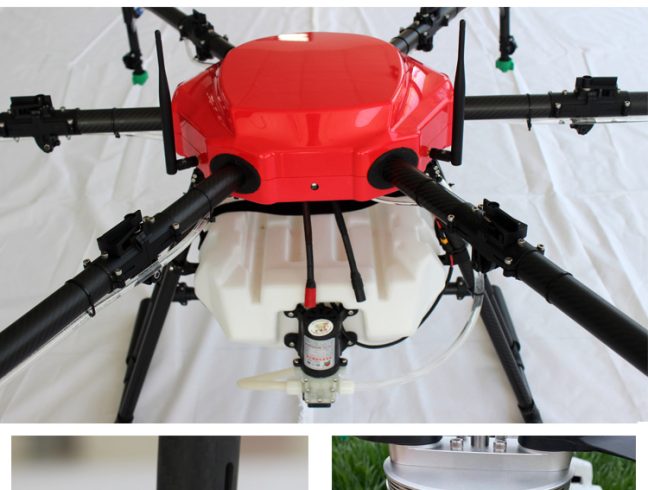
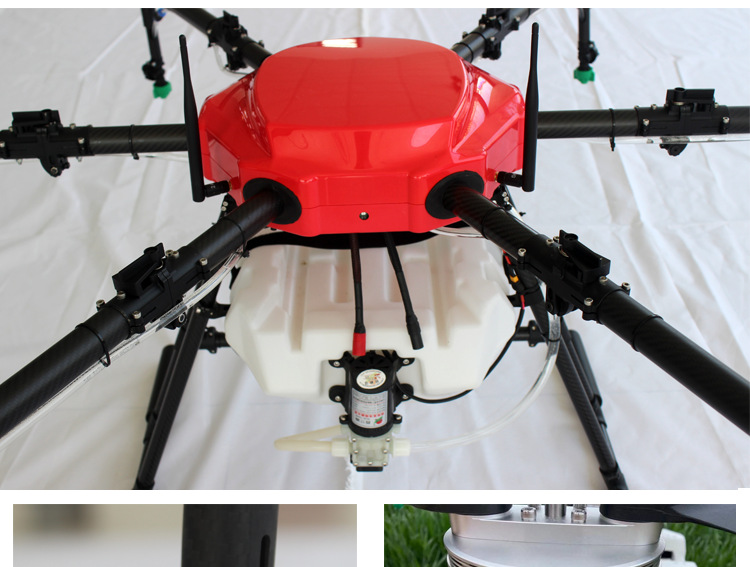
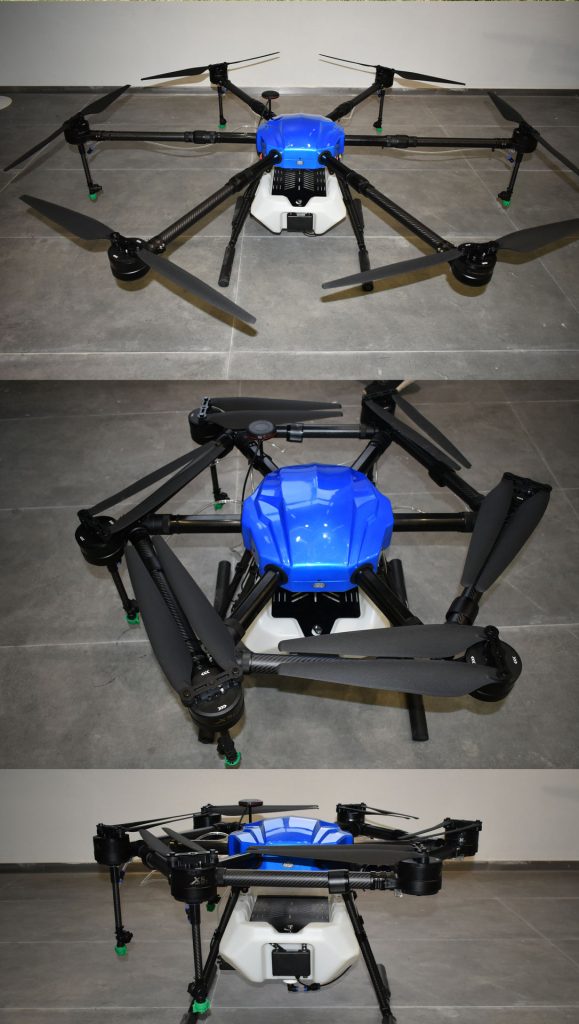
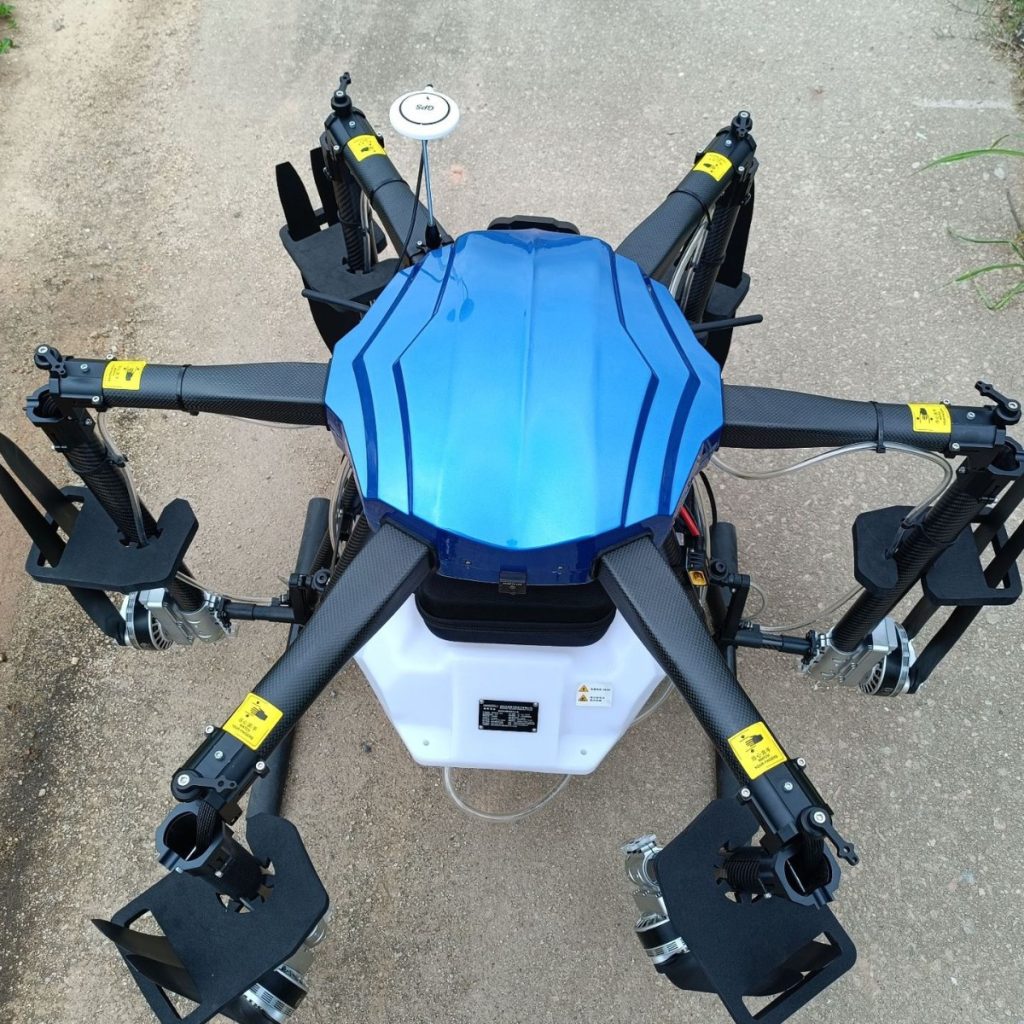
In recent years, agricultural spraying drones have emerged as a powerful alternative, combining precision agriculture with automation and GPS technology.
Farmers today are asking an important question:
Is drone spraying better than traditional crop spraying?
To answer that question, we need to examine several key factors.
⚙️ 1. Spraying Efficiency and Field Coverage
🚁 Agricultural Drone Spraying Efficiency
Modern crop spraying drones are designed for high productivity.
Typical capabilities include:
- 10–25 hectares per hour coverage
- Automated flight routes
- Continuous operation with battery swapping
Advantages include:
✔ Faster coverage for medium and large farms
✔ Ability to spray uneven terrain
✔ Minimal setup time
A drone can complete spraying operations quickly, especially when multiple batteries and tanks are used.
🚜 Traditional Spraying Efficiency
Traditional spraying depends heavily on farm equipment and labor.
Common equipment includes:
- Tractor boom sprayers
- Manual backpack sprayers
- Irrigation sprayers
However, these methods have limitations:
❌ Slower coverage for large farms
❌ Difficulty accessing wet or muddy fields
❌ Higher labor requirements
In many cases, traditional methods take significantly longer to cover the same farmland.
🌱 2. Precision and Chemical Usage
🎯 Precision of Agricultural Drone Spraying
Agricultural drones use advanced technologies such as:
📡 GPS positioning
📡 RTK navigation
📡 terrain-following radar
📡 adjustable spray systems
These features allow drones to:
- Maintain consistent spray height
- Apply chemicals evenly
- Avoid overspraying
Benefits include:
✔ Reduced pesticide waste
✔ Lower chemical costs
✔ Better crop protection
Precision spraying is one of the biggest advantages of drone technology.
💧 Chemical Efficiency in Traditional Spraying
Traditional sprayers often distribute chemicals unevenly.
Problems include:
❌ Spray drift from wind
❌ Excess chemical application
❌ Uneven crop coverage
Over time, this can increase costs and environmental impact.
Farmers using traditional sprayers may use 20–30% more chemicals compared to precision drone spraying.
💰 3. Operating Cost Comparison
💡 Cost of Agricultural Drone Spraying
Initial investment for agricultural drones can include:
- Drone equipment
- Batteries
- Charging systems
- Operator training
However, operational costs are relatively low.
Advantages include:
✔ Lower labor expenses
✔ Reduced fuel consumption
✔ Lower chemical usage
Many farms recover the investment within 1–2 farming seasons.
Drone service providers can also generate income by offering spraying services to neighboring farms.
🚜 Cost of Traditional Spraying
Traditional spraying requires ongoing expenses such as:
- Fuel for tractors
- Machinery maintenance
- Labor wages
- Chemical overuse
Over time, these operational costs can become significant, especially for large farms.
In regions with labor shortages, traditional spraying can also become difficult to manage.
👨🌾 4. Labor Requirements
🤖 Agricultural Drone Labor Efficiency
A single agricultural drone operator can manage:
- Autonomous flight planning
- Automated spraying routes
- Real-time monitoring
Many operations require only one or two workers.
This is extremely valuable in regions where agricultural labor is limited.
👷 Labor Needs for Traditional Spraying
Traditional spraying requires multiple workers:
- Tractor drivers
- Manual sprayer operators
- Field workers
This increases labor costs and operational complexity.
In addition, manual spraying exposes workers directly to agricultural chemicals.
🛡️ 5. Worker Safety and Health Protection
🚁 Drone Spraying Safety
Agricultural drones significantly improve worker safety.
Operators can control drones remotely without entering chemical spray zones.
Advantages include:
✔ Reduced pesticide exposure
✔ Lower risk of chemical inhalation
✔ Safer working conditions
This is particularly important when spraying strong pesticides or herbicides.
⚠️ Risks in Traditional Spraying
Manual spraying exposes workers to chemicals through:
- Skin contact
- Inhalation
- Direct spray exposure
Long-term exposure may cause health issues.
Safety regulations in many countries are also becoming stricter regarding pesticide handling.
🌍 6. Environmental Impact
🌱 Environmental Benefits of Drone Spraying
Drone technology supports sustainable agriculture by:
✔ Reducing chemical overuse
✔ Minimizing spray drift
✔ Protecting surrounding ecosystems
Precision spraying helps ensure chemicals are applied only where needed.
This reduces pollution in nearby soil and water systems.
🌾 Environmental Concerns with Traditional Spraying
Traditional spraying often results in:
❌ Chemical runoff
❌ Excess pesticide use
❌ Environmental contamination
Poor spraying techniques can affect nearby crops, rivers, and wildlife.
As environmental regulations become stricter, farmers are seeking cleaner technologies.
🏔️ 7. Terrain Accessibility
🚁 Drone Spraying in Difficult Terrain
Agricultural drones perform exceptionally well in:
- Mountain farms
- Rice paddies
- Wet fields
- Terraced farmland
- Orchards
Drones can easily reach areas where tractors cannot operate.
This is particularly valuable in many Asian and South American agricultural regions.
🚜 Limitations of Traditional Spraying Equipment
Traditional spraying equipment struggles in:
- muddy fields
- steep terrain
- narrow farm roads
Large tractors can also damage crops during field movement.
This leads to yield loss in some farming operations.
📊 Real Productivity Comparison
| Feature | Agricultural Drone | Traditional Sprayer |
|---|---|---|
| Precision | Very High | Medium |
| Labor requirement | Low | High |
| Chemical usage | Lower | Higher |
| Terrain access | Excellent | Limited |
| Worker safety | High | Lower |
| Environmental impact | Lower | Higher |
Overall, drone spraying offers clear advantages for many modern farming operations.
🌾 When Traditional Spraying May Still Be Useful
Despite the advantages of drones, traditional spraying may still be practical for:
- Very small farms
- Large flat fields with existing tractor systems
- Farms with limited technology access
However, even in these cases, many farmers are beginning to integrate drone technology alongside traditional equipment.
🚀 The Future of Precision Crop Spraying
Agricultural drones are becoming a central part of smart farming systems.
New technologies include:
🌐 AI crop analysis
🌐 automated spraying algorithms
🌐 multispectral crop monitoring
🌐 variable-rate spraying
These innovations allow farmers to apply chemicals based on real-time crop conditions.
This approach improves productivity while protecting the environment.
🏭 Choosing the Right Agricultural Drone Supplier
For farms considering drone adoption, selecting a reliable manufacturer is essential.
A professional drone supplier should offer:
✔ High-capacity agricultural drones
✔ Precision spray technology
✔ operator training programs
✔ global technical support
✔ OEM / ODM customization
Working directly with an experienced drone manufacturer ensures long-term reliability and better farm performance.
📩 Looking for Professional Agricultural Spraying Drones?
If you are:
- A large farm owner
- Agricultural cooperative
- Drone spraying service provider
- Agricultural equipment distributor
Modern crop spraying drones can significantly improve farm productivity and reduce operating costs.
Professional agricultural drone manufacturers provide:
✔ high-efficiency spraying drones
✔ intelligent flight systems
✔ customization options
✔ global export services
Contact our team to learn more about advanced agricultural drone spraying solutions for modern farming.
Frequently Asked Questions (FAQ)
Are agricultural drones more efficient than traditional sprayers?
Yes. In many farming operations, agricultural drones can spray crops faster and more precisely than traditional equipment while using less pesticide.
How much land can a spraying drone cover per day?
Depending on drone size and battery availability, a professional agricultural spraying drone can cover 80 to 200 hectares per day.
Are agricultural spraying drones expensive?
While the initial investment may be higher than manual sprayers, drones often reduce labor, fuel, and chemical costs, allowing farms to recover the investment within a few seasons.
Can drones replace tractor sprayers completely?
In some farms they can, especially in difficult terrain or high-value crops. In large flat farms, drones are often used together with traditional sprayers for maximum efficiency.
What crops can agricultural drones spray?
Crop spraying drones are widely used for:
- rice
- wheat
- corn
- cotton
- tea plantations
- fruit orchards
- vineyards
- vegetable farms
They are suitable for most modern agricultural crops.







No comments yet