



Introduction
India is one of the largest agricultural economies in the world, with millions of small and medium-sized farms. As the demand for higher productivity and modern farming solutions increases, agricultural spray drones are becoming more popular across the country.
However, for many Indian farmers, affordability is a key concern. This has created a strong demand for cost-effective agricultural spraying drones that deliver high performance without a high price tag.
Challenges Faced by Small Farms in India
1. Limited Budget
Most small farmers cannot afford expensive agricultural machinery, making affordability a top priority.
2. Labor Shortage and Rising Costs
Rural labor is becoming less available, and wages are increasing.
3. Inefficient Manual Spraying
Traditional spraying methods are slow, inconsistent, and labor-intensive.
4. Health Risks
Farmers are often exposed to pesticides during manual spraying.
Why Affordable Spraying Drones Are in High Demand
1. Lower Initial Investment
Entry-level agricultural drones make advanced technology accessible to small farmers.
2. Faster Spraying Efficiency
Even affordable drones can significantly improve spraying speed compared to manual work.
3. Reduced Chemical Waste
Precision spraying helps save on pesticide costs.
4. Easy to Operate
Modern drones are designed with simple controls, making them suitable for beginners.
Key Features of Affordable Agricultural Drones
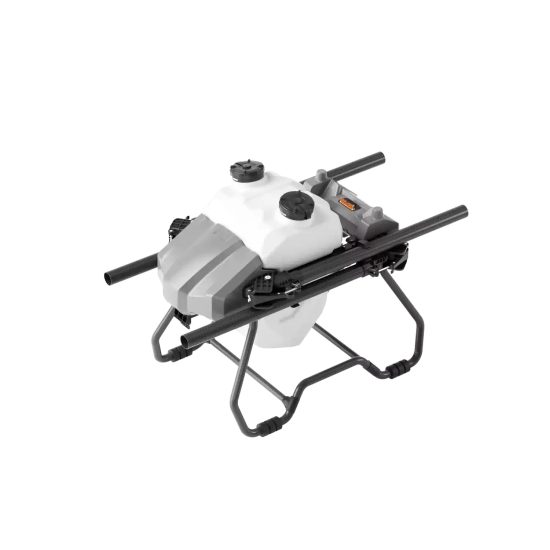
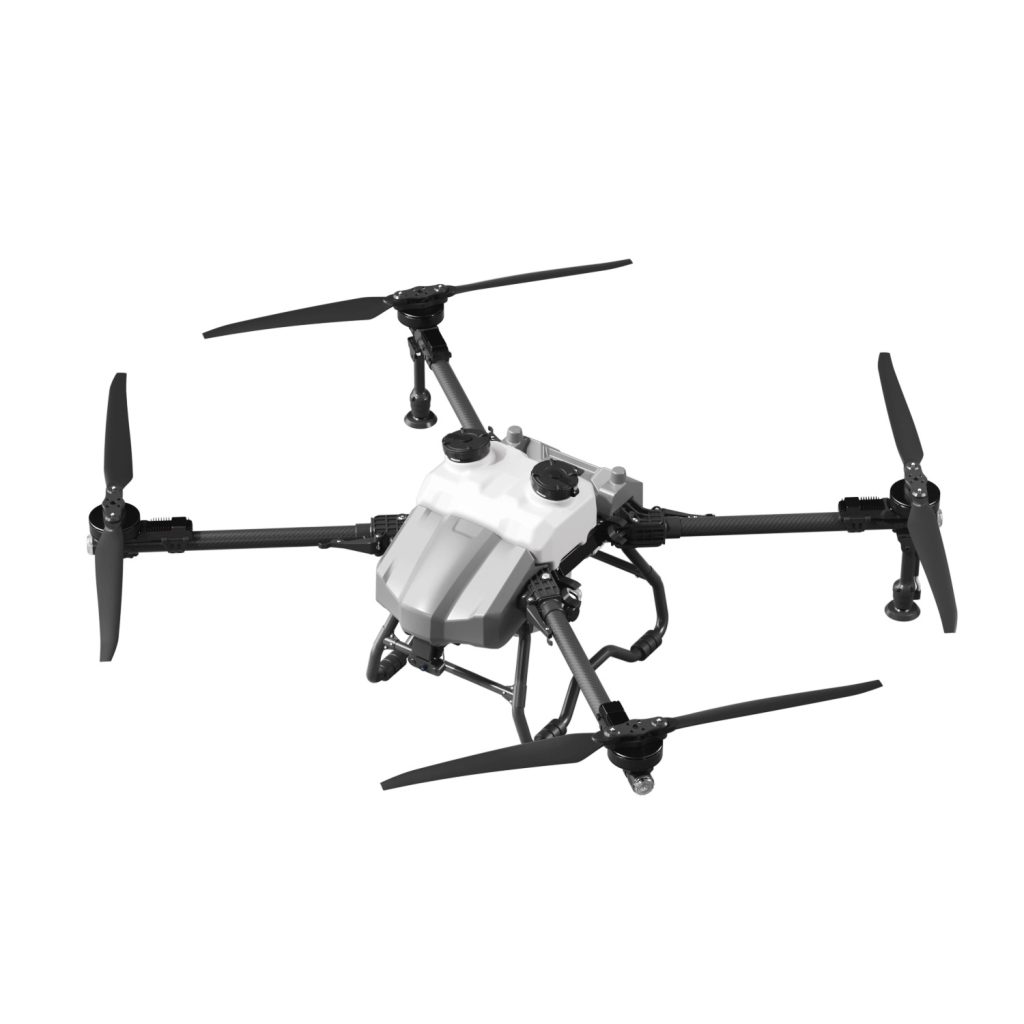
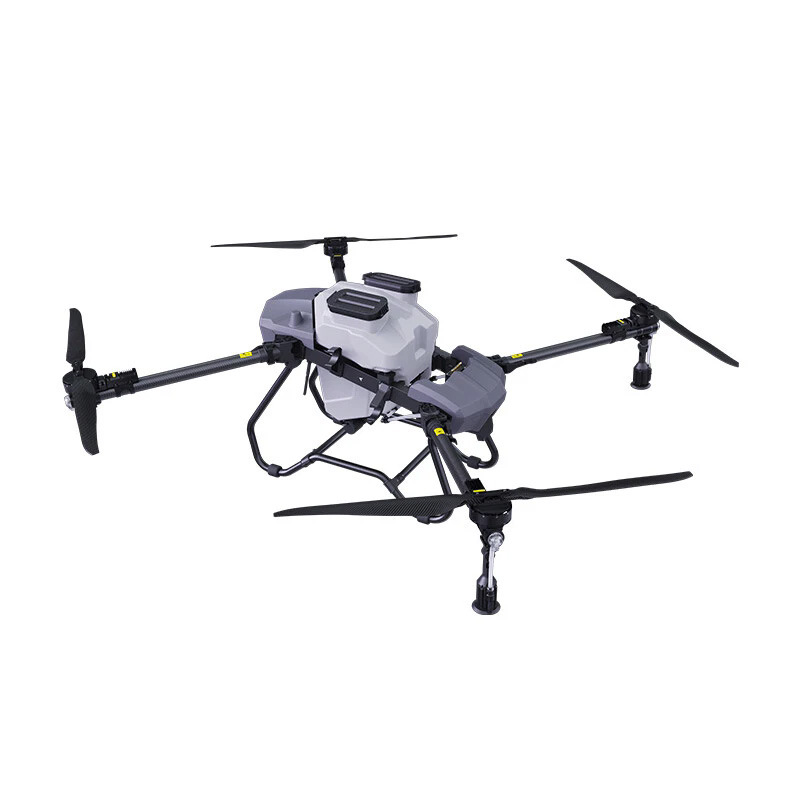
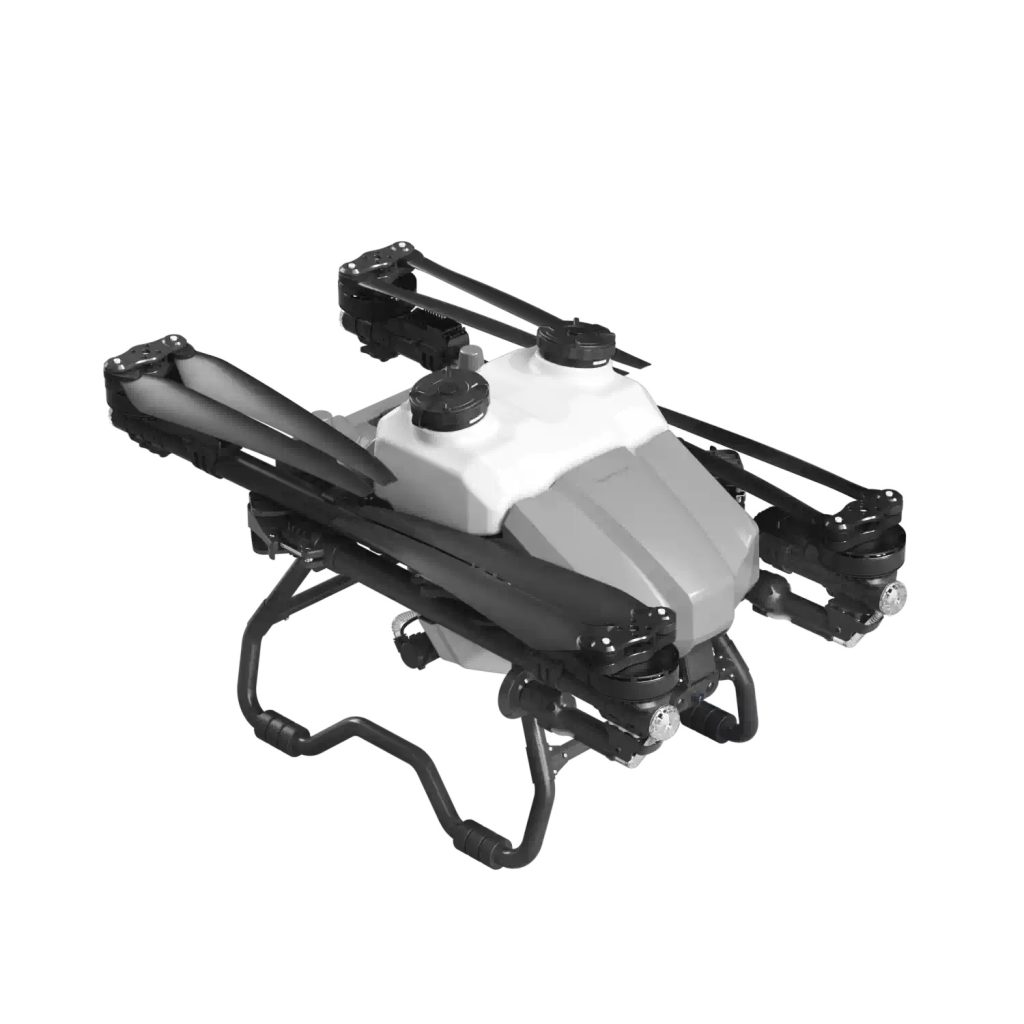
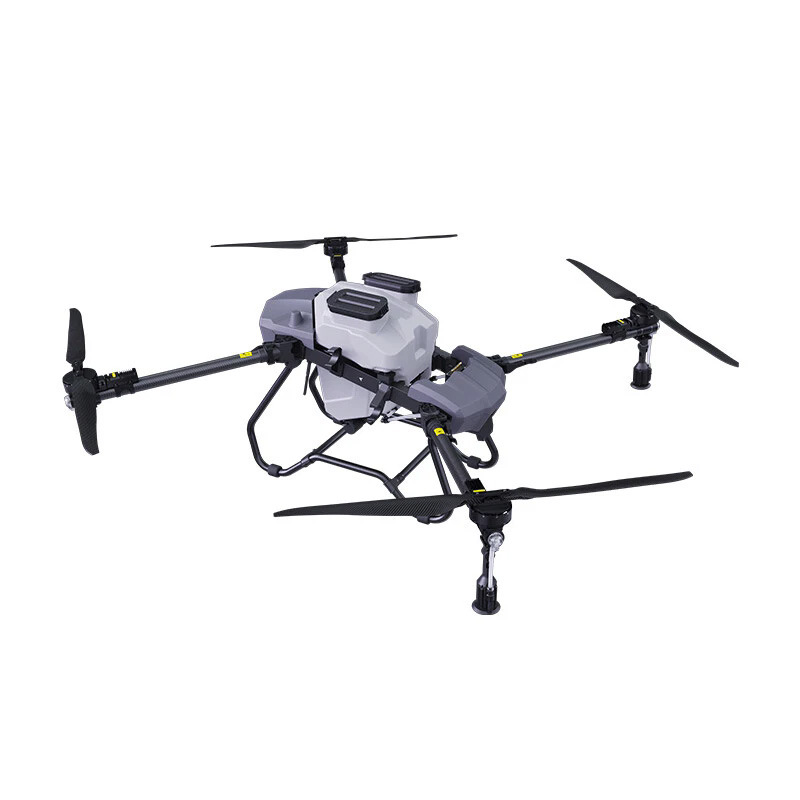
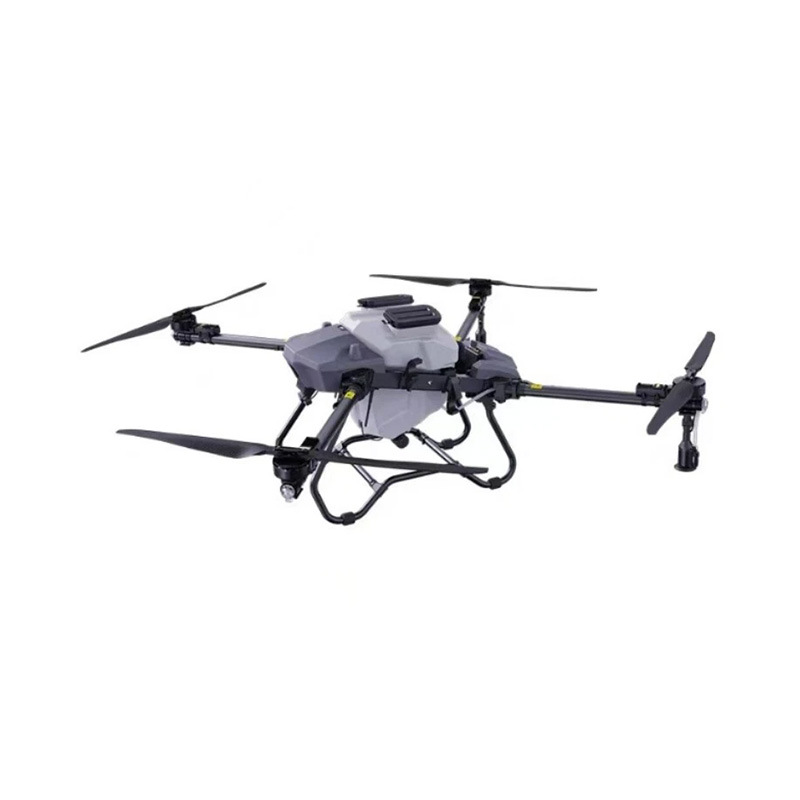
1. Compact Tank Capacity (10L–20L)
Ideal for small and medium-sized farms.
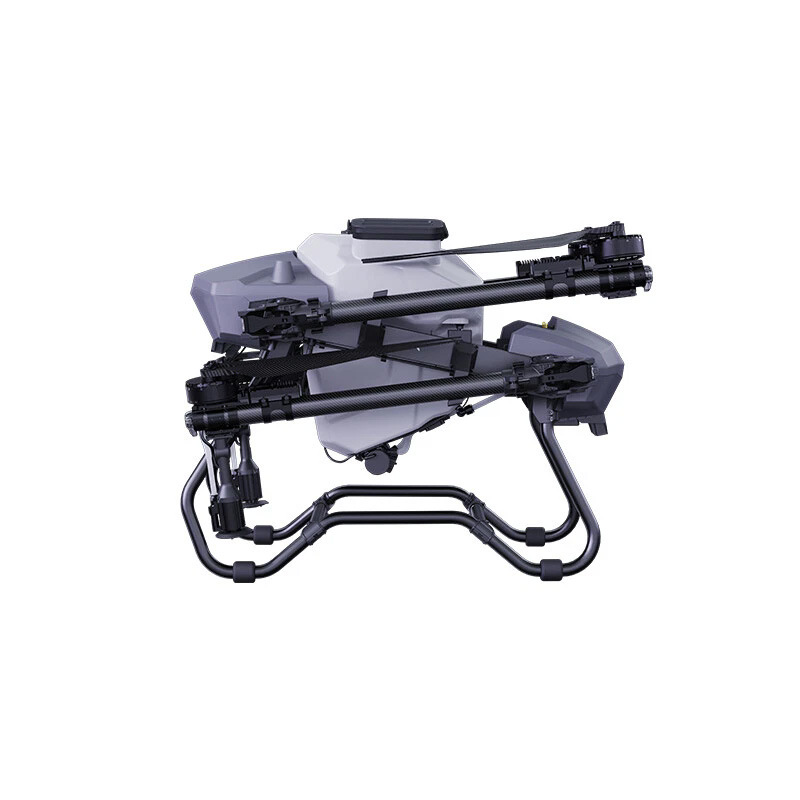
2. Lightweight and Portable Design
Easy to transport between fields.
3. Basic GPS-Assisted Flight
Helps maintain stable and accurate spraying.
4. Cost-Effective Battery System
Provides reliable performance without high replacement costs.
5. Simple Maintenance
Affordable spare parts and easy repairs are crucial for rural users.
Applications Across India
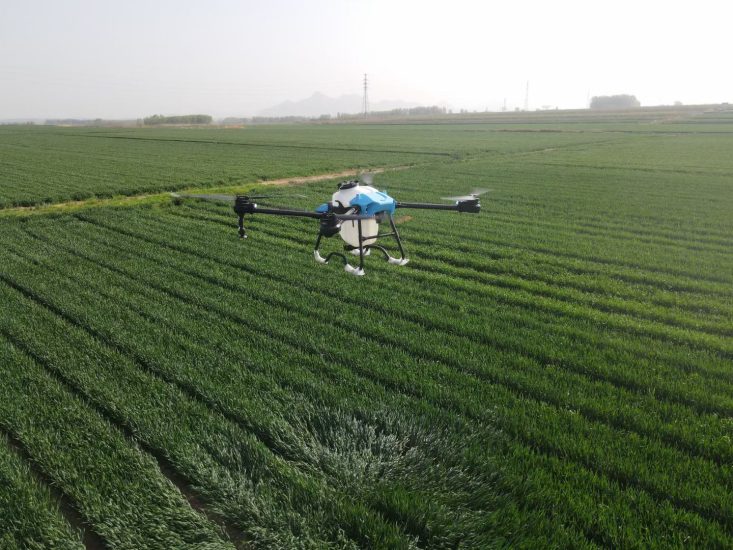
Rice and Wheat Farms
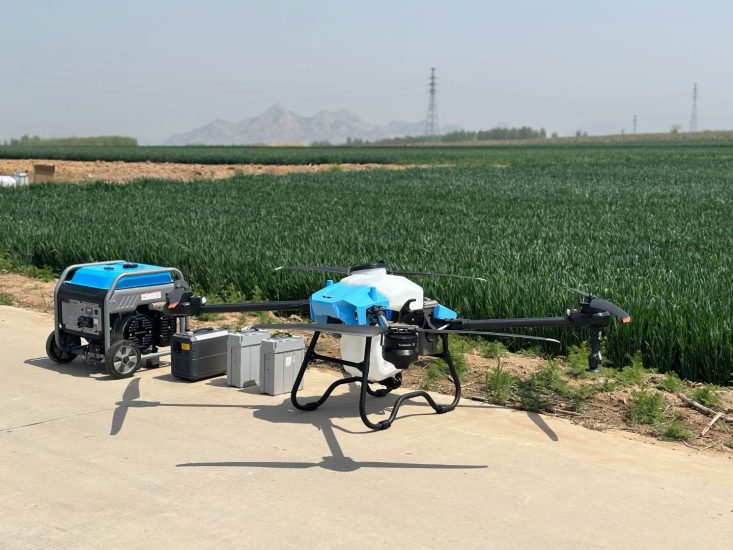
Drones are used for pesticide spraying during key growth stages.
Cotton Farms
Effective for pest control in large but fragmented farm areas.
Vegetable Farms
Helps improve spraying efficiency and crop quality.
Sugarcane Fields
Reduces labor requirements and speeds up operations.
Benefits for Small Farmers
- Save time and labor costs
- Improve spraying consistency
- Reduce pesticide exposure
- Increase crop yield and quality
- Achieve better return on investment
Why MSOEN Drones Are Suitable for the Indian Market
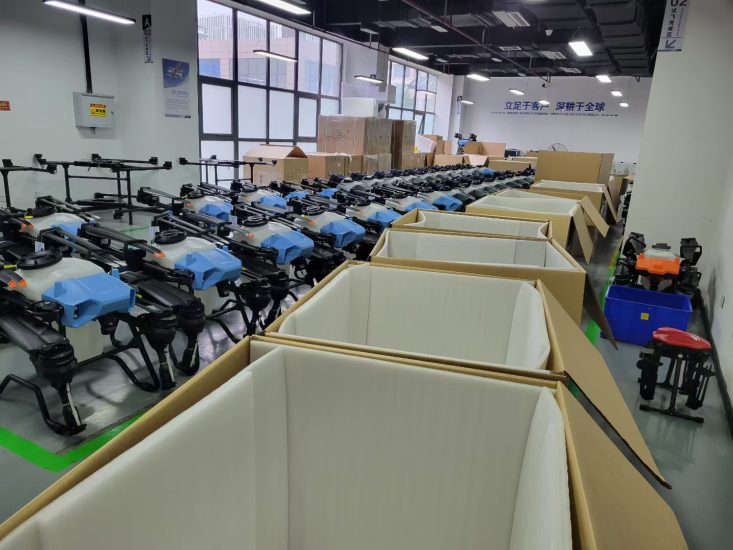
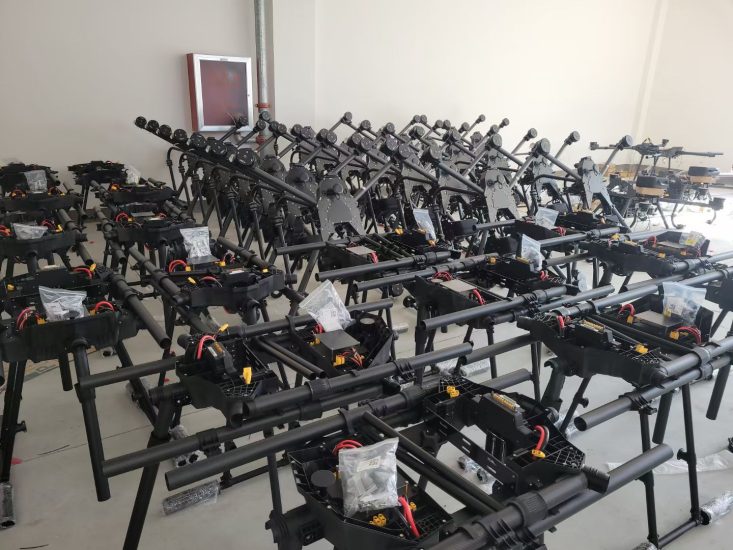
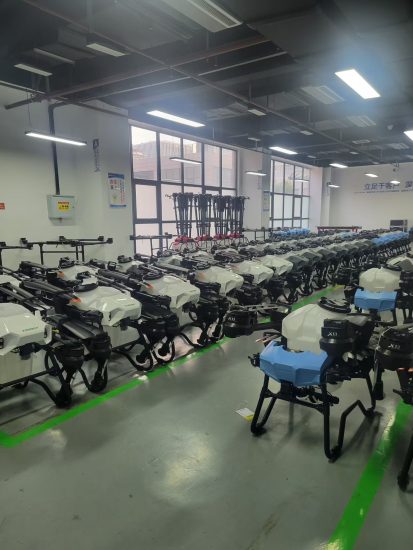
MSOEN offers affordable agricultural spraying drones designed for small and medium farms.
Key Advantages:
- Cost-effective 10L–20L models
- Reliable spraying performance
- User-friendly operation system
- Durable design for daily use
- Easy maintenance and spare parts support
- OEM/ODM services for Indian distributors
For dealers, importers, and agricultural service providers in India, MSOEN provides practical and scalable drone solutions.
Government Support and Market Growth
The Indian government is actively promoting drone usage in agriculture through subsidies and training programs. This creates a strong opportunity for drone suppliers and distributors.
How to Choose the Right Affordable Drone
Before purchasing, consider:
- Farm size and crop type
- Budget and financing options
- Ease of operation
- Availability of local service support
- Battery performance and lifespan
Choosing the right drone ensures maximum value for money.
Future of Drone Farming in India
With increasing government support and awareness, agricultural drones are expected to become widely used across India, especially among small farmers and agricultural service providers.
Conclusion
Affordable agricultural spray drones are transforming small-scale farming in India. They provide an ideal balance between cost and performance, helping farmers improve productivity while reducing expenses.
If you are looking to enter the Indian market, MSOEN offers cost-effective and reliable agricultural drone solutions tailored for small farms.
FAQ (SEO优化)
Q1: Are agricultural drones affordable in India?
Yes, many entry-level models are designed specifically for small farmers.
Q2: Do Indian farmers use spraying drones?
Yes, adoption is increasing rapidly, especially with government support.
Q3: How much land can a small drone cover?
Typically 10–50 hectares per day depending on the model.
Q4: Are subsidies available for drones in India?
Yes, the government provides subsidies and training programs in some regions.


No comments yet