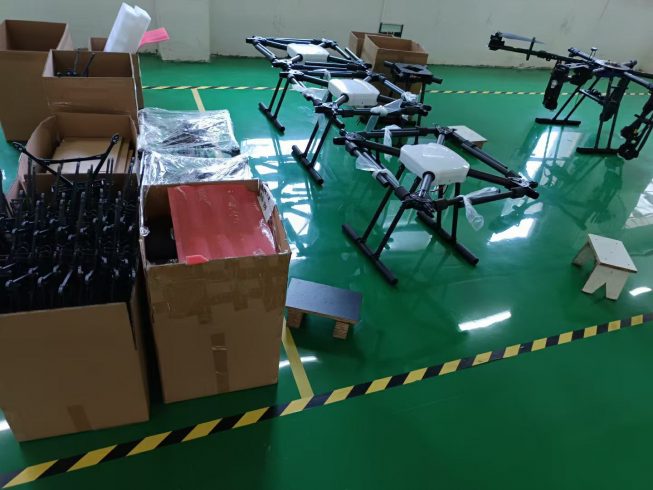


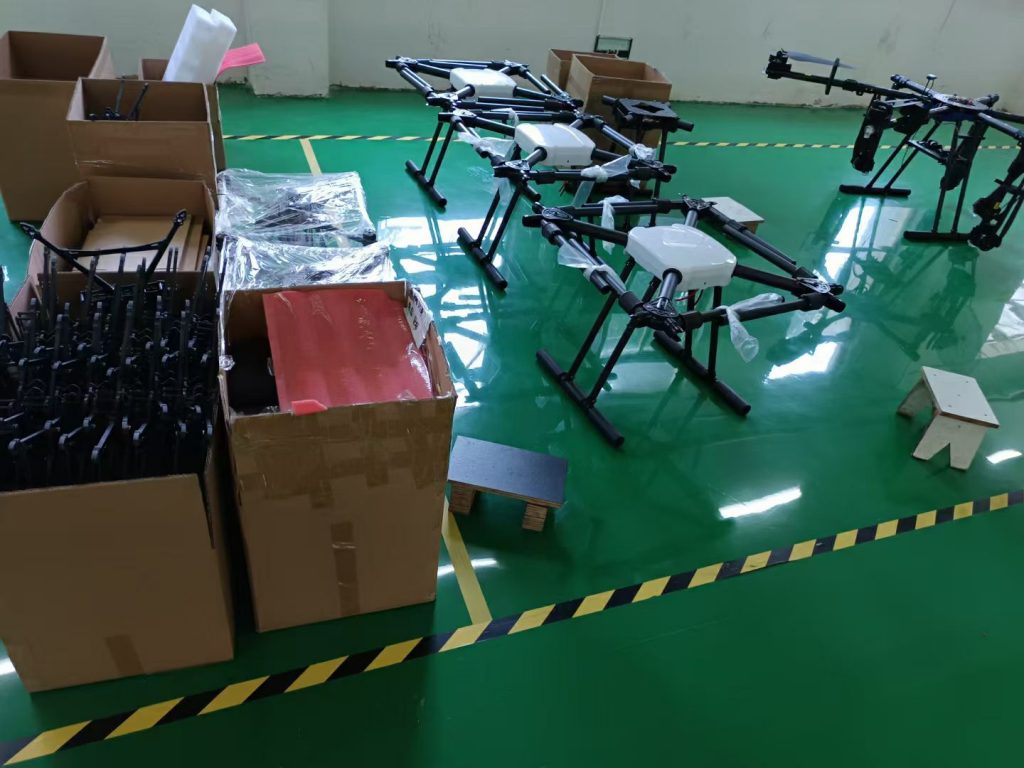
The agricultural sector is experiencing a profound transformation, driven by technological advancements that enable farmers to increase productivity, reduce costs, and adopt more sustainable practices. Among these innovations, spraying drones—sophisticated unmanned aerial vehicles designed for precise crop treatment—have emerged as a game-changer. Our factory, specializing in the production of high-quality spraying drones, provides farmers and agricultural enterprises with cutting-edge solutions tailored to modern farming needs.
The Role of Spraying Drones in Modern Agriculture
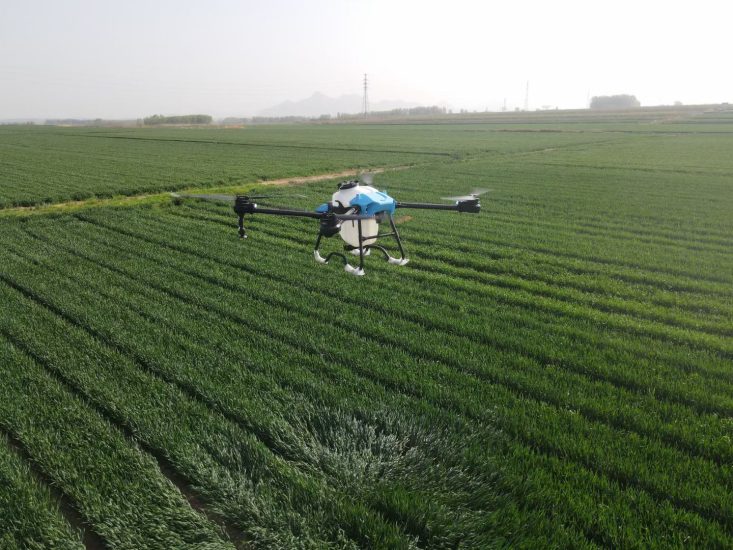
Spraying drones are designed to carry out agricultural applications such as spraying fertilizers, pesticides, herbicides, and even water over crops. Unlike traditional manual spraying or heavy machinery, drones offer unparalleled precision, efficiency, and flexibility. They are capable of accessing difficult terrains, including steep slopes, flooded fields, and dense plantations, ensuring that every section of the farm receives appropriate treatment.
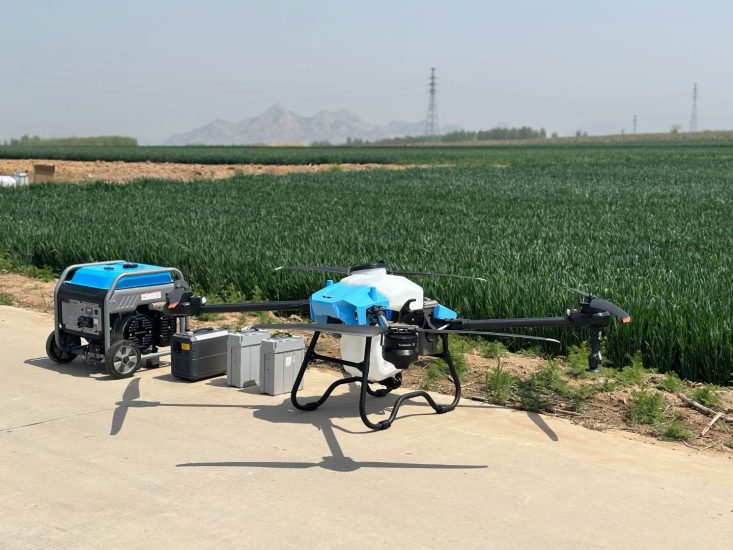
Our drones range from small, lightweight models ideal for compact fields and greenhouses, to large, industrial-grade units capable of covering hundreds of acres in a single flight. Each model emphasizes reliability, ease of operation, and efficiency, allowing farmers to adopt drone technology without steep learning curves or complicated setup processes.
Key Technologies in Spraying Drone Manufacturing
Producing high-performance spraying drones requires the integration of multiple advanced technologies. Our manufacturing process emphasizes aerodynamics, precision spraying systems, navigation intelligence, and safety mechanisms.
1. Aerodynamic Engineering
The airframe design is crucial for flight stability and efficiency. Our drones utilize high-strength, lightweight materials, including carbon fiber and reinforced composites, to achieve optimal weight-to-strength ratios. Computational fluid dynamics (CFD) simulations are used to refine rotor positions, body shape, and airflow patterns. These measures reduce drag, increase flight stability, and allow drones to maintain steady flight even in challenging weather conditions, ensuring uniform chemical application.
2. Precision Spraying Mechanisms
A drone’s core function is its ability to spray crops accurately. Our drones feature advanced pumps, adjustable nozzles, and automated flow control systems that regulate the amount and pressure of liquid applied. Using GPS-assisted mapping and automated flight routes, drones can spray crops row by row with exceptional accuracy. This precision minimizes chemical waste, reduces costs, and mitigates environmental impact by preventing over-application.
3. Intelligent Navigation Systems
Modern spraying drones are equipped with intelligent navigation technologies. Multi-satellite GPS modules, obstacle sensors, and autonomous flight planning software enable drones to operate safely and efficiently. Farmers can upload field maps and define spraying areas; the drone calculates optimal flight paths, taking into account terrain, crop density, and potential obstacles. Real-time telemetry allows operators to monitor progress, adjust spray parameters, and ensure consistent coverage.
4. Energy and Power Management
Efficient power systems are essential for extended field operations. Our drones use high-capacity lithium-polymer batteries with intelligent energy distribution and monitoring. Many models support swappable battery packs, enabling continuous work without downtime. Battery systems undergo rigorous testing for safety, longevity, and consistent output to ensure reliable operation during heavy spraying sessions.
5. Durability and Safety Features
Operating drones in agricultural fields requires robust safety protocols. All drones undergo vibration testing, waterproofing, and corrosion resistance evaluations to withstand chemical exposure and varying weather conditions. Redundant systems, such as dual GPS modules, backup power circuits, and automatic return-to-home functions, provide safety and reliability, minimizing risks for both operators and crops.
Applications and Benefits of Spraying Drones
Spraying drones offer a wide range of applications across different farming practices:
- Targeted Pesticide and Herbicide Application: Drones deliver precise doses to affected areas, reducing chemical waste and exposure risks.
- Fertilizer Distribution: Accurate nutrient delivery ensures optimal plant growth and minimizes environmental runoff.
- Irrigation Assistance: Drones can supplement irrigation in unevenly watered fields, especially in regions with water scarcity.
- Pest and Disease Management: Rapid deployment allows immediate response to infestations, preventing extensive crop damage.
The adoption of spraying drones is particularly advantageous in large-scale farms, irregular terrains, or areas facing labor shortages. Automated spraying significantly reduces manual labor, improves operational efficiency, and enhances crop health.
Customization and Manufacturing Flexibility
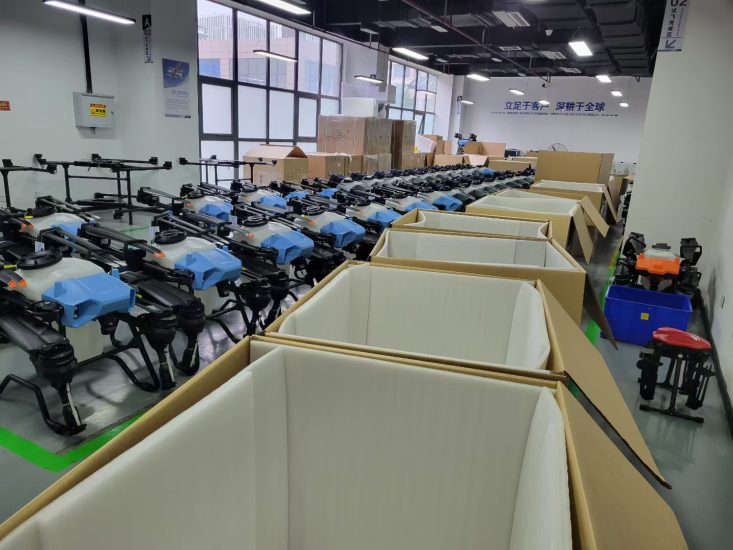
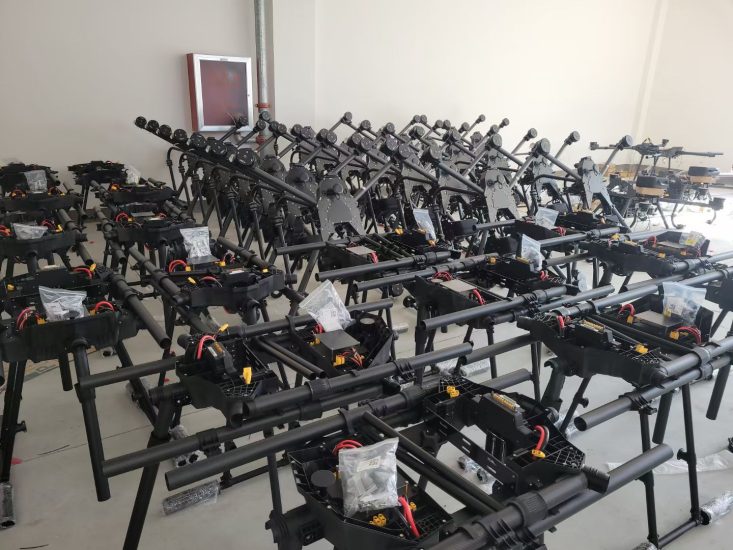
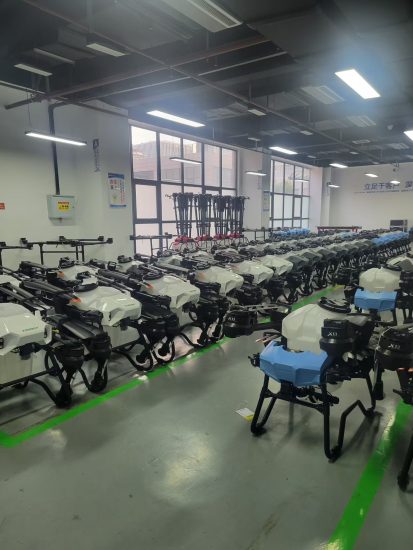
Recognizing that farms have diverse needs, our factory provides customizable drone solutions. Clients can select tank capacity, spray width, flight time, control interfaces, and software features. Our OEM services allow agricultural equipment distributors to integrate drones into their product lines with branding and software tailored to their customer base. This flexibility ensures that every drone matches the operational requirements of its users.
Environmental and Economic Advantages
Spraying drones contribute to both sustainable agriculture and economic efficiency. Precise chemical application reduces environmental pollution, protecting soil and water ecosystems. Labor costs decrease as manual spraying is replaced with automated solutions. Productivity increases due to faster coverage and more uniform crop treatment. Farms using drones typically achieve higher yields with lower input costs, demonstrating a clear return on investment.
Industry Trends and Future Prospects
The agricultural drone industry is advancing rapidly. Key trends include:
- Artificial Intelligence Integration: AI-powered drones can analyze crop conditions in real time, identifying nutrient deficiencies, pest infestations, and disease outbreaks for targeted treatment.
- Drone Swarm Technology: Coordinated drone fleets allow large areas to be sprayed simultaneously, increasing efficiency for industrial-scale farms.
- Hybrid Energy Solutions: Combining solar panels with battery systems extends flight duration and reduces downtime.
- Data-Driven Agriculture: Drones equipped with sensors collect detailed information about soil health, crop growth, and environmental conditions, supporting informed farm management decisions.
Our factory invests heavily in research and development to integrate these innovations, ensuring our drones remain at the forefront of agricultural technology and continue to deliver high value to farmers worldwide.
Conclusion
Spraying drones represent a significant advancement in agriculture, combining precision, efficiency, and sustainability. As a dedicated manufacturing factory, we are committed to producing reliable, high-performance drones that meet the diverse needs of modern farmers. Through innovative design, intelligent automation, and a focus on environmental responsibility, our drones empower farmers to maximize yield, reduce costs, and embrace sustainable agricultural practices. By choosing our drones, agricultural enterprises gain a powerful tool that transforms how crops are cultivated and cared for, ensuring a more productive and sustainable future for global agriculture.


No comments yet