


Introduction
Japan is known for its advanced agricultural technology and high standards in food production. With an aging farming population and limited arable land, Japanese agriculture is rapidly shifting toward smart farming solutions.
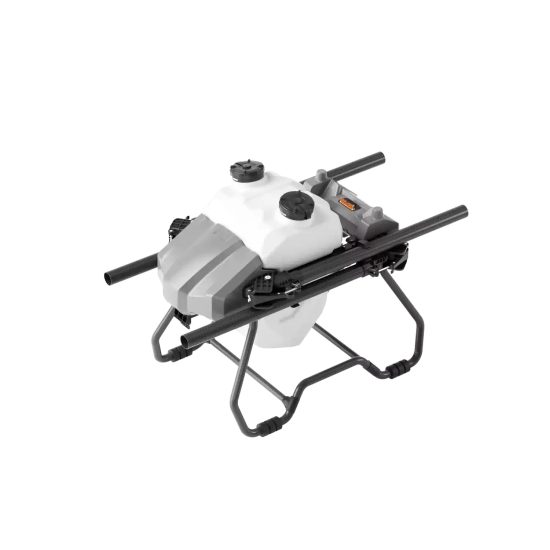
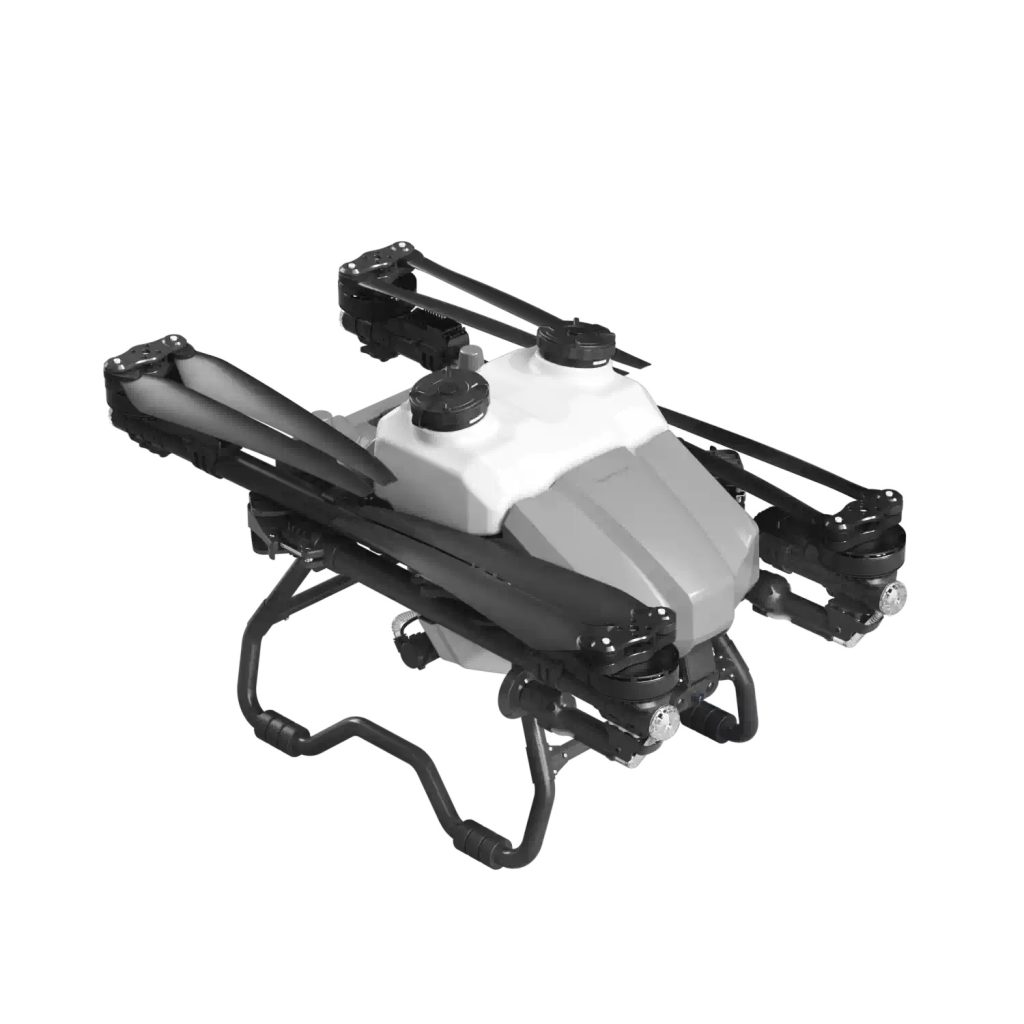
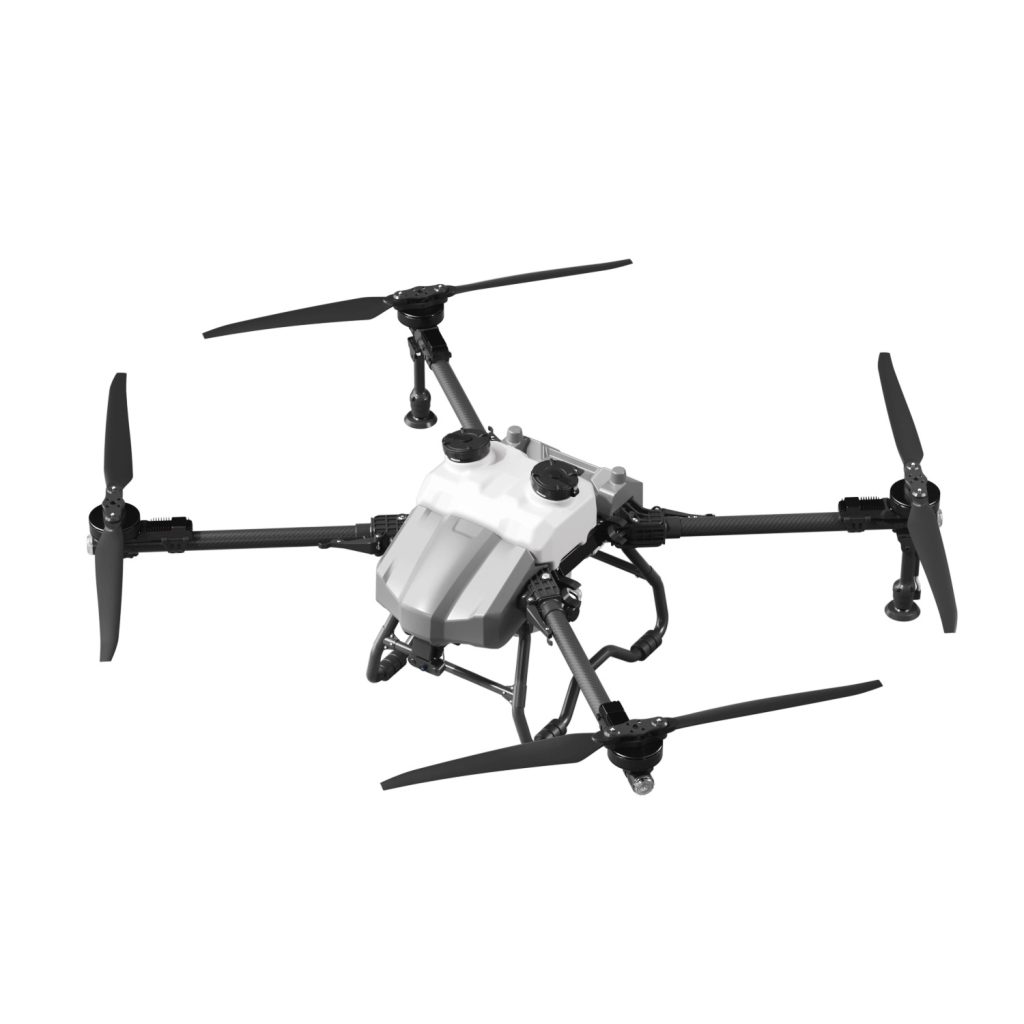
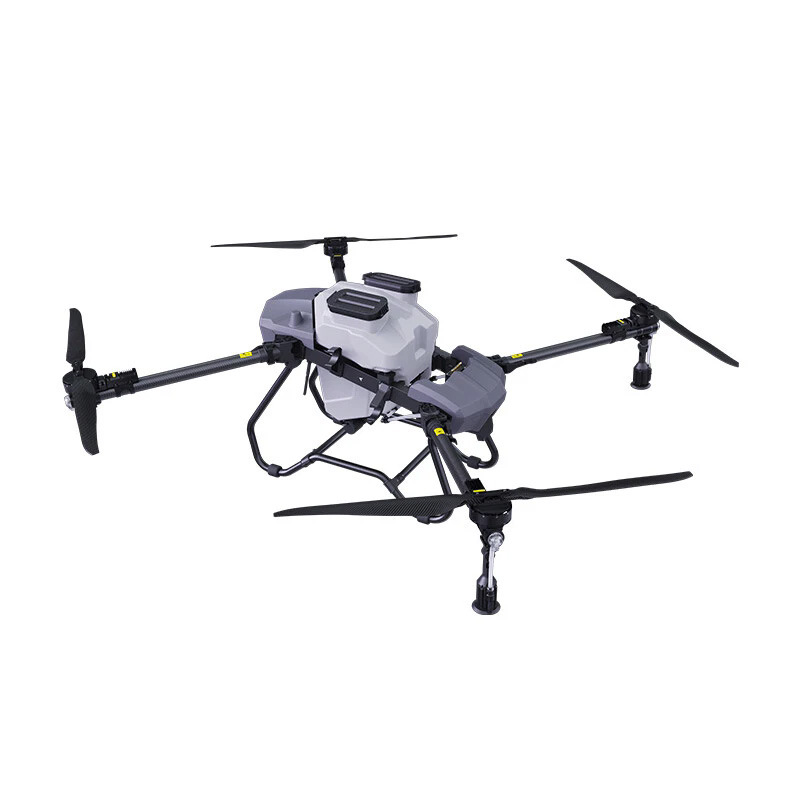
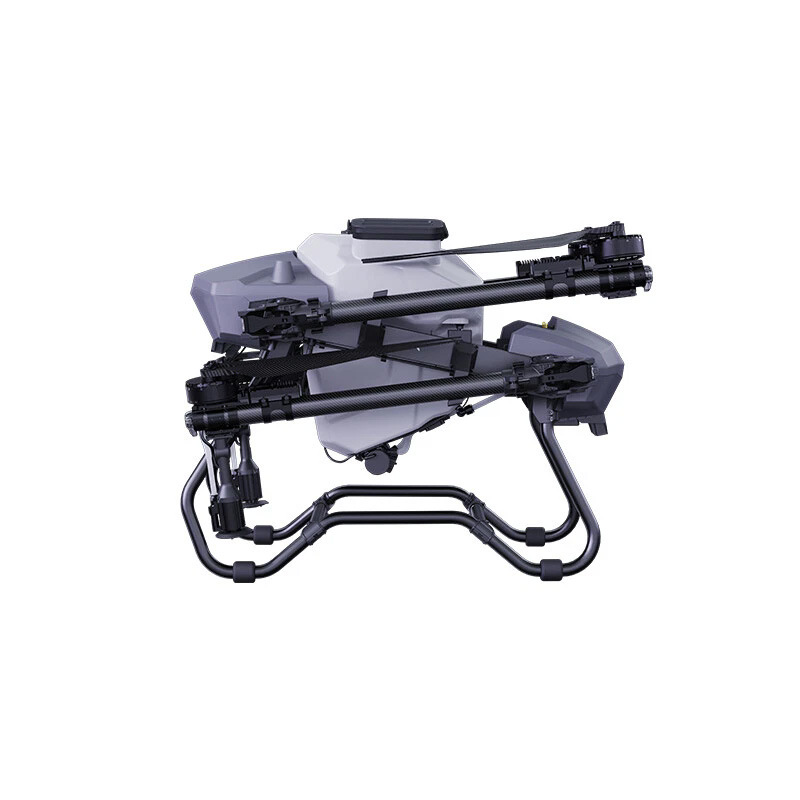
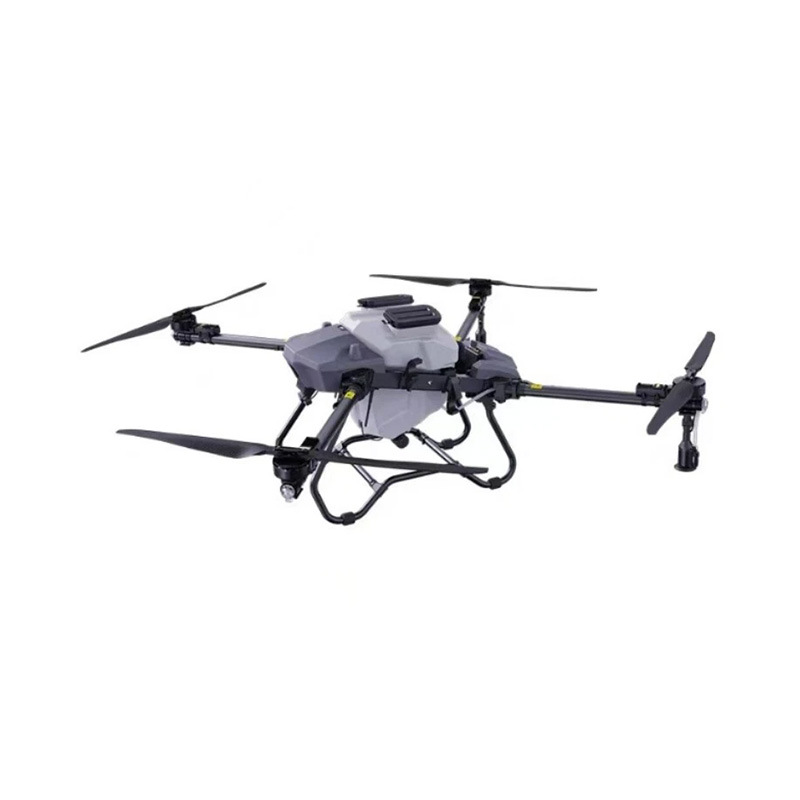
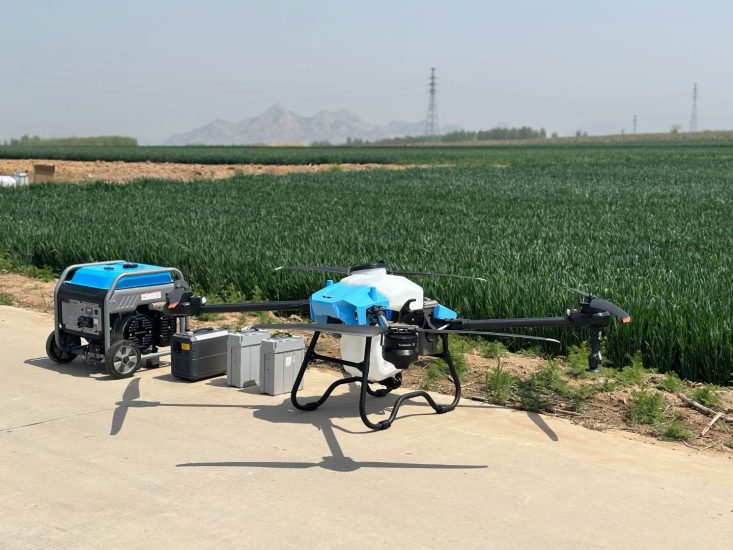
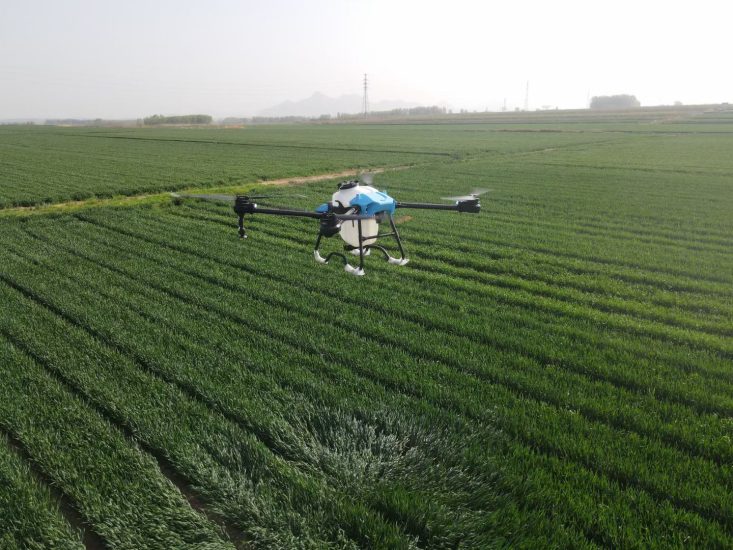
Among these technologies, advanced fertilizer spraying drones are playing a critical role in improving efficiency, precision, and sustainability. These drones are designed to meet Japan’s demand for high-quality crop production and environmentally friendly farming practices.
Challenges in Japanese Agriculture
1. Aging Farming Population
Many farmers in Japan are elderly, making manual labor increasingly difficult.
2. Small and Fragmented Farmland
Unlike large farms in other countries, Japanese farms are often smaller and scattered.
3. High Standards for Crop Quality
Japanese agriculture emphasizes precision and consistency.
4. Labor Shortages
Fewer young people are entering the agricultural sector.
Why Fertilizer Spraying Drones Are Ideal for Japan
1. Precision Fertilizer Application
Drones enable accurate nutrient distribution, improving crop health and yield.
2. Reduced Physical Labor
Automated spraying reduces the need for manual work.
3. Efficient Use of Limited Land
Drones can operate effectively in small and irregular fields.
4. Environmentally Friendly Farming
Controlled spraying reduces fertilizer waste and environmental impact.
Key Features of Advanced Fertilizer Drones
1. High-Precision GPS (RTK)
Ensures accurate navigation and consistent application.
2. Adjustable Spreading System
Allows precise control of fertilizer distribution rates.
3. Compact and Flexible Design
Suitable for small and fragmented farmland.
4. Intelligent Flight Planning
Supports automated routes and efficient coverage.
5. Low Noise Operation
Important for farms located near residential areas.
Applications in Japan
Rice Farming
Precision fertilizer application improves yield and grain quality.
Vegetable Farms
Ensures consistent nutrient supply for high-value crops.
Tea Plantations
Drones help maintain quality standards in tea production.
Orchard Management
Used for both fertilizer application and crop protection.
Benefits of Using Fertilizer Spraying Drones
- Improve fertilizer efficiency and reduce waste
- Enhance crop quality and consistency
- Reduce labor requirements
- Support sustainable farming practices
- Increase overall farm productivity
Why MSOEN Drones Are Suitable for the Japanese Market
MSOEN offers advanced agricultural drones designed for precision farming environments like Japan.
Key Advantages:
- High-precision RTK navigation system
- Adjustable fertilizer spreading technology
- Compact and flexible design
- Stable and low-noise operation
- Easy-to-use control system
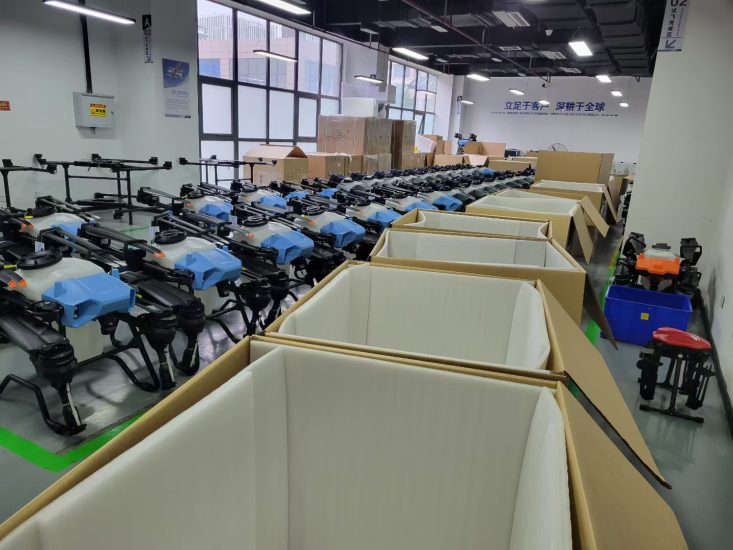
- OEM/ODM customization for Japanese partners
For distributors, agricultural cooperatives, and smart farming projects in Japan, MSOEN provides reliable and high-performance drone solutions.
How to Choose the Right Fertilizer Drone
When selecting a drone for Japan, consider:
- Field size and layout
- Type of crops
- Required precision level
- Compliance with local regulations
- After-sales support and training
Choosing the right drone ensures optimal performance and long-term value.
Future of Smart Farming in Japan
Japan is a global leader in smart agriculture. With continuous innovation in AI, robotics, and automation, fertilizer spraying drones will become an essential part of the agricultural ecosystem.
Conclusion
Advanced fertilizer spraying drones are transforming agriculture in Japan by delivering precision, efficiency, and sustainability. They are ideal for modern farmers who aim to improve productivity while maintaining high-quality standards.
If you are looking to enter the Japanese agricultural market, MSOEN offers advanced drone solutions tailored for smart farming applications.
FAQ
Q1: Are agricultural drones widely used in Japan?
Yes, Japan is one of the pioneers in agricultural drone adoption.
Q2: Can drones handle small farmland areas?
Yes, they are ideal for small and fragmented fields.
Q3: Do fertilizer drones improve crop quality?
Yes, precise nutrient application enhances crop consistency and yield.
Q4: Are drones environmentally friendly?
Yes, they reduce fertilizer waste and environmental impact.


No comments yet