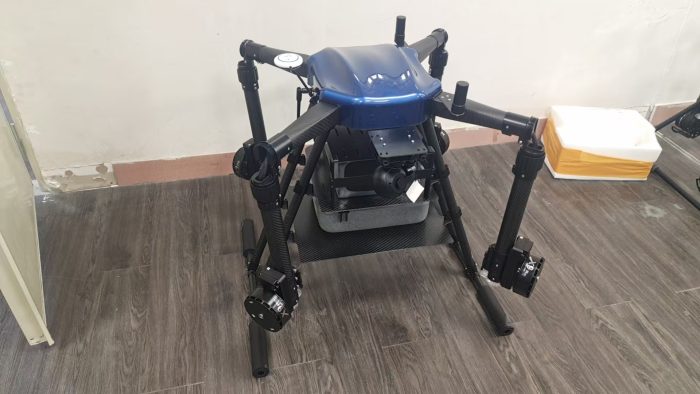


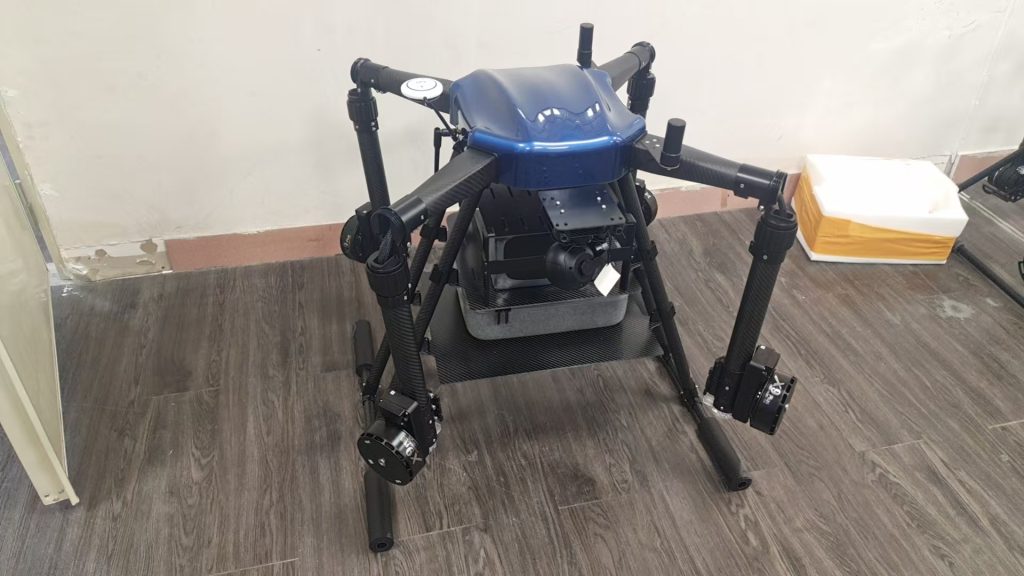
In recent years, the agricultural sector has witnessed a revolutionary shift with the integration of drone technology. As a leading manufacturer of agricultural drones, our mission is to provide farmers with innovative, efficient, and cost-effective solutions that optimize productivity, enhance crop management, and promote sustainable agriculture. This article delves deep into the technological, operational, and commercial aspects of agricultural drones, highlighting their transformative impact on modern farming.
1. The Rise of Agricultural Drones
Agriculture has always been at the forefront of technological innovation, from mechanized plowing to satellite-guided irrigation systems. The introduction of drones into farming marks a significant leap forward. These unmanned aerial vehicles (UAVs) are equipped with advanced sensors, cameras, and spraying systems that allow farmers to monitor, analyze, and manage crops with unprecedented accuracy.
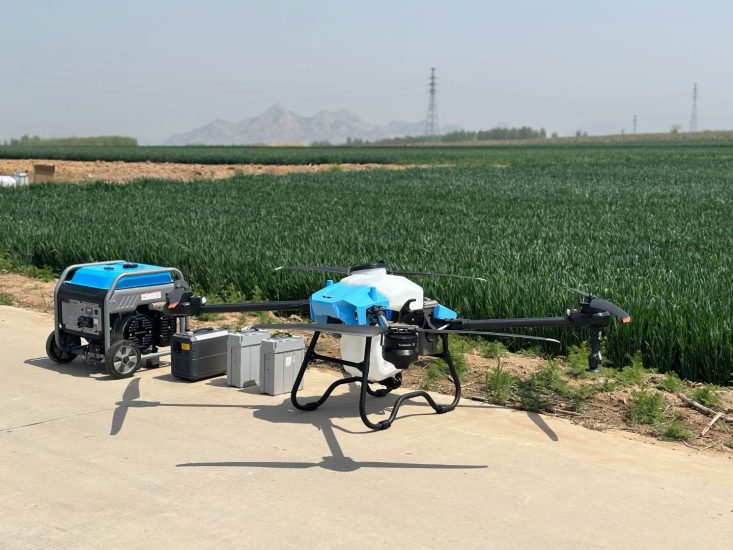
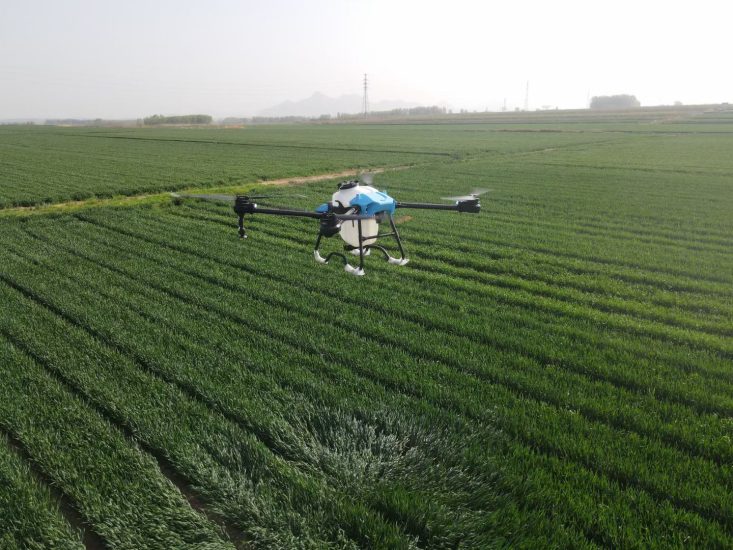
Modern agricultural drones can perform a wide range of tasks, including pesticide spraying, fertilizer distribution, seed sowing, crop health monitoring, and field mapping. Their adoption is driven by the growing need to enhance efficiency, reduce labor costs, and address challenges posed by climate change and resource scarcity.
2. Key Technologies Behind Agricultural Drones
Our drones integrate multiple cutting-edge technologies designed to meet the complex demands of contemporary farming:
a. Precision Spraying Systems
Equipped with high-efficiency nozzles and GPS-guided flight control, drones can distribute pesticides, herbicides, and fertilizers precisely where needed. This minimizes chemical waste, reduces environmental impact, and ensures even coverage across crops.
b. Multispectral and Hyperspectral Imaging
Advanced imaging sensors capture data beyond the visible spectrum, enabling farmers to detect crop stress, nutrient deficiencies, pest infestations, and irrigation issues at an early stage. This allows for targeted interventions that optimize yield and crop quality.
c. Autonomous Flight and AI Integration
Artificial intelligence algorithms enable drones to autonomously navigate complex field terrains, adjust flight paths in real-time, and respond to environmental conditions. This reduces human error, saves time, and ensures consistent application of agricultural inputs.
d. Real-time Data Analytics
Our drones collect vast amounts of data, which is processed through cloud-based platforms and AI tools to generate actionable insights. Farmers can monitor crop growth, soil health, and irrigation needs remotely, facilitating data-driven decision-making.
3. Advantages of Using Agricultural Drones
Adopting drone technology offers numerous benefits:
- Increased Efficiency: Drones can cover large areas quickly, significantly reducing the time required for crop management compared to manual labor.
- Cost Reduction: Reduced reliance on manual spraying and monitoring lowers labor costs and optimizes input usage.
- Improved Crop Health: Early detection of diseases and nutrient deficiencies ensures timely interventions, improving overall yield.
- Sustainable Farming: Precision application minimizes chemical runoff and environmental damage, supporting sustainable agricultural practices.
- Enhanced Safety: Drones reduce the need for farmers to handle potentially hazardous chemicals directly, promoting workplace safety.
4. Applications Across Various Crops
Agricultural drones are versatile and can be used for a wide range of crops:
| Crop Type | Drone Application | Benefits |
|---|---|---|
| Rice | Pesticide spraying, field mapping | Uniform coverage, reduced labor |
| Corn | Fertilizer distribution, growth monitoring | Optimized nutrient management |
| Fruits & Vegetables | Disease detection, precision spraying | Higher yield and quality |
| Wheat | Seeding, irrigation monitoring | Time-saving, precise water management |
| Cotton | Pest monitoring, herbicide application | Reduced chemical use, better crop health |
The adaptability of drones makes them suitable for both large-scale commercial farms and smaller, specialized agricultural operations.
5. Challenges and Solutions in Agricultural Drone Implementation
While the benefits are substantial, implementing drone technology in agriculture comes with challenges:
- Regulatory Compliance: UAV operation is subject to aviation regulations. Our team ensures that all drones meet international safety and regulatory standards.
- Initial Investment Costs: High-quality drones represent a significant upfront cost. However, the return on investment is realized through reduced labor, improved yields, and optimized resource usage.
- Technical Training: Farmers may require training to operate drones effectively. We provide comprehensive technical support, training programs, and user-friendly interfaces to simplify drone operations.
- Environmental Factors: Weather conditions like strong winds or heavy rain can affect drone performance. Our drones are designed with robust materials, weather-resistant features, and autonomous adjustments to operate reliably in diverse conditions.
6. The Future of Agricultural Drones
The future of agriculture is inseparable from technological innovation. Agricultural drones will continue to evolve with advancements in AI, machine learning, IoT integration, and autonomous systems. Future models are expected to:
- Perform multi-functional tasks, including soil analysis and automated harvesting.
- Integrate with smart farm management systems for end-to-end farm automation.
- Offer greater flight endurance and payload capacity for large-scale operations.
- Utilize advanced predictive analytics to forecast yields, detect pests, and optimize irrigation schedules.
Our commitment as a leading manufacturer is to continuously innovate, ensuring our drones meet the dynamic needs of modern farmers while promoting sustainable and profitable agriculture.
7. Conclusion
Agricultural drones are no longer a futuristic concept—they are a practical, transformative tool that empowers farmers with precision, efficiency, and actionable insights. By adopting drone technology, farms of all sizes can enhance productivity, reduce environmental impact, and embrace a smarter, data-driven approach to agriculture.
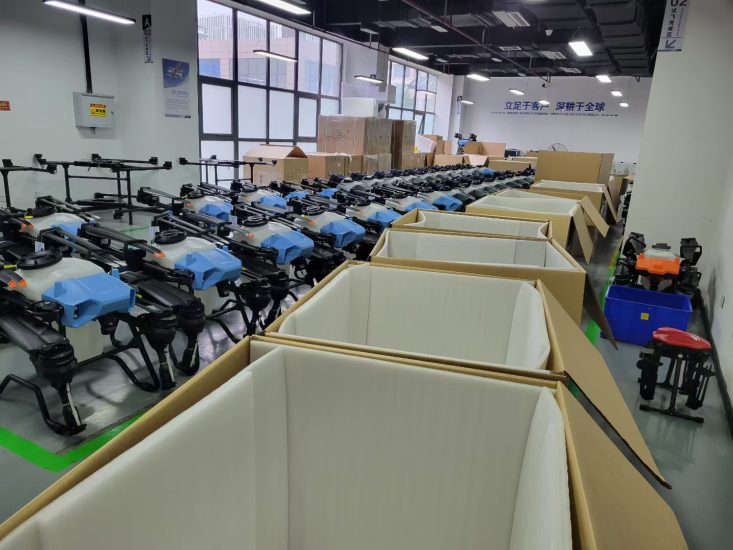
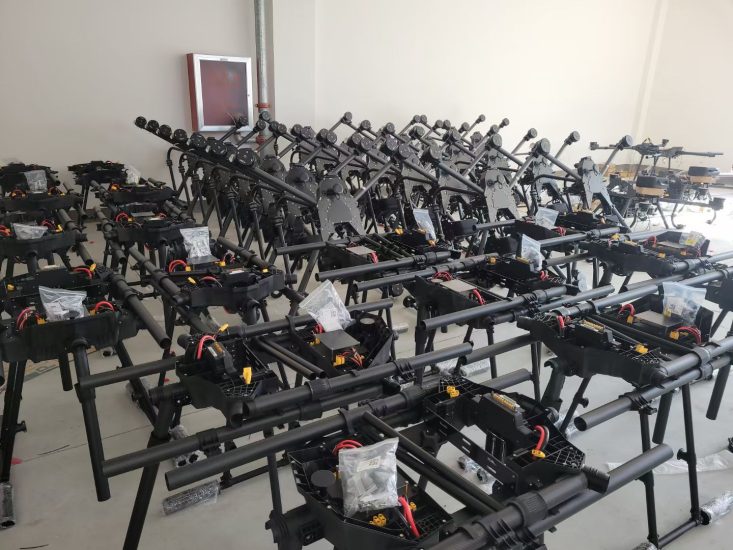
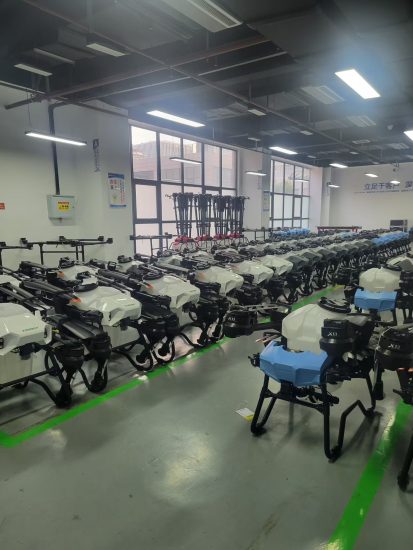
As a manufacturer specializing in cutting-edge agricultural drones, we strive to deliver high-performance, reliable, and easy-to-use UAV solutions. Our products are designed to meet the challenges of modern farming while paving the way for a sustainable and technologically advanced agricultural industry.


No comments yet