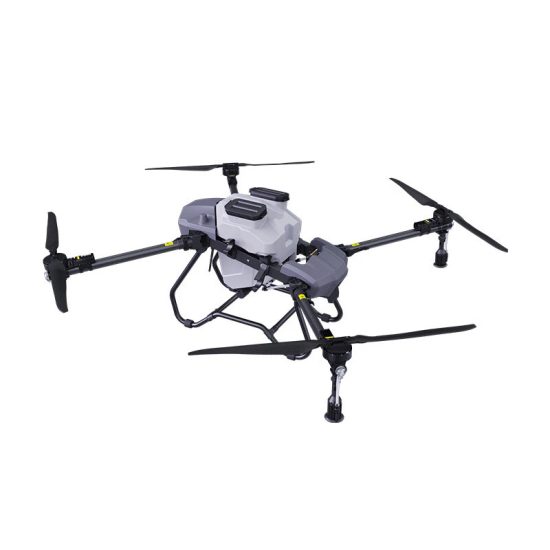


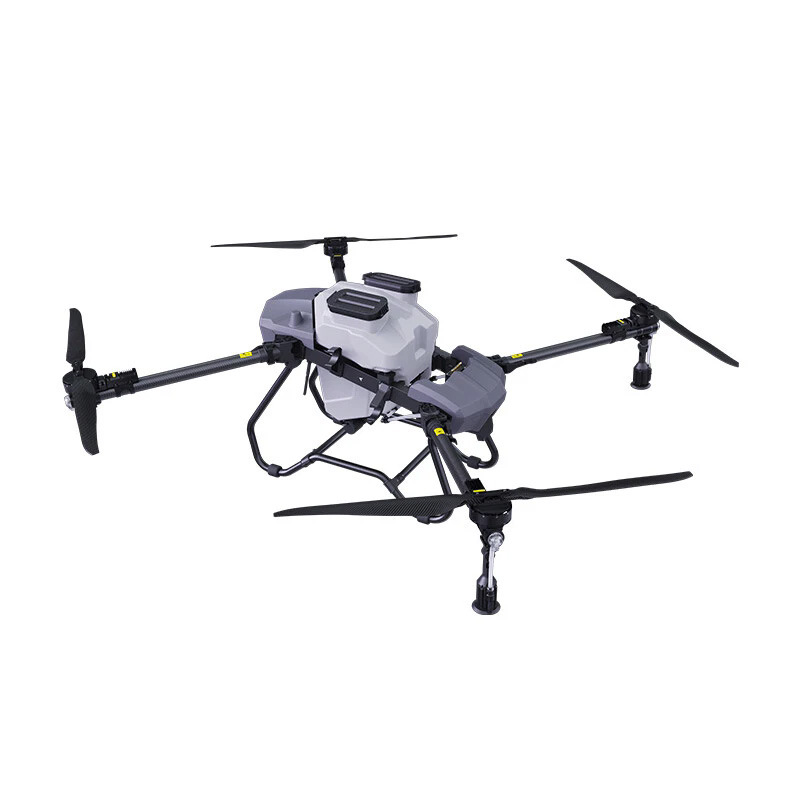
As modern farming continues to expand, many large farms are searching for more efficient ways to complete daily spraying work. A 50L agricultural drone has become one of the preferred solutions for commercial farms because it can cover large areas quickly while reducing labor pressure during peak farming seasons.
Compared with smaller spraying drones, a 50L crop spraying drone offers higher payload capacity, fewer refill interruptions, and improved working efficiency for large-scale agricultural operations.
Why Large Farms Choose 50L Agricultural Drones
Large farms often face several operational challenges:
- limited labor availability
- short spraying windows
- high fuel costs
- uneven manual spraying
- difficult terrain access
A 50L agricultural drone helps improve efficiency while reducing the physical workload for farm workers.
For large rice fields, corn farms, and wheat plantations, higher payload capacity means fewer chemical refills and more continuous spraying time.
Suitable Applications for 50L Spraying Drones
50L agricultural drones are commonly used for:
- Rice field spraying
- Corn disease control
- Wheat pesticide spraying
- Cotton farming
- Sugarcane plantations
- Palm plantations
- Fertilizer spreading
In some regions, large farms also use drones for emergency pest control during disease outbreaks because drones can respond quickly across wide farmland areas.
Main Features of a 50L Agricultural Drone
Modern 50L agricultural drones usually include:
- 50-liter spray tank
- high-flow spraying system
- terrain following radar
- obstacle avoidance system
- GPS and RTK positioning
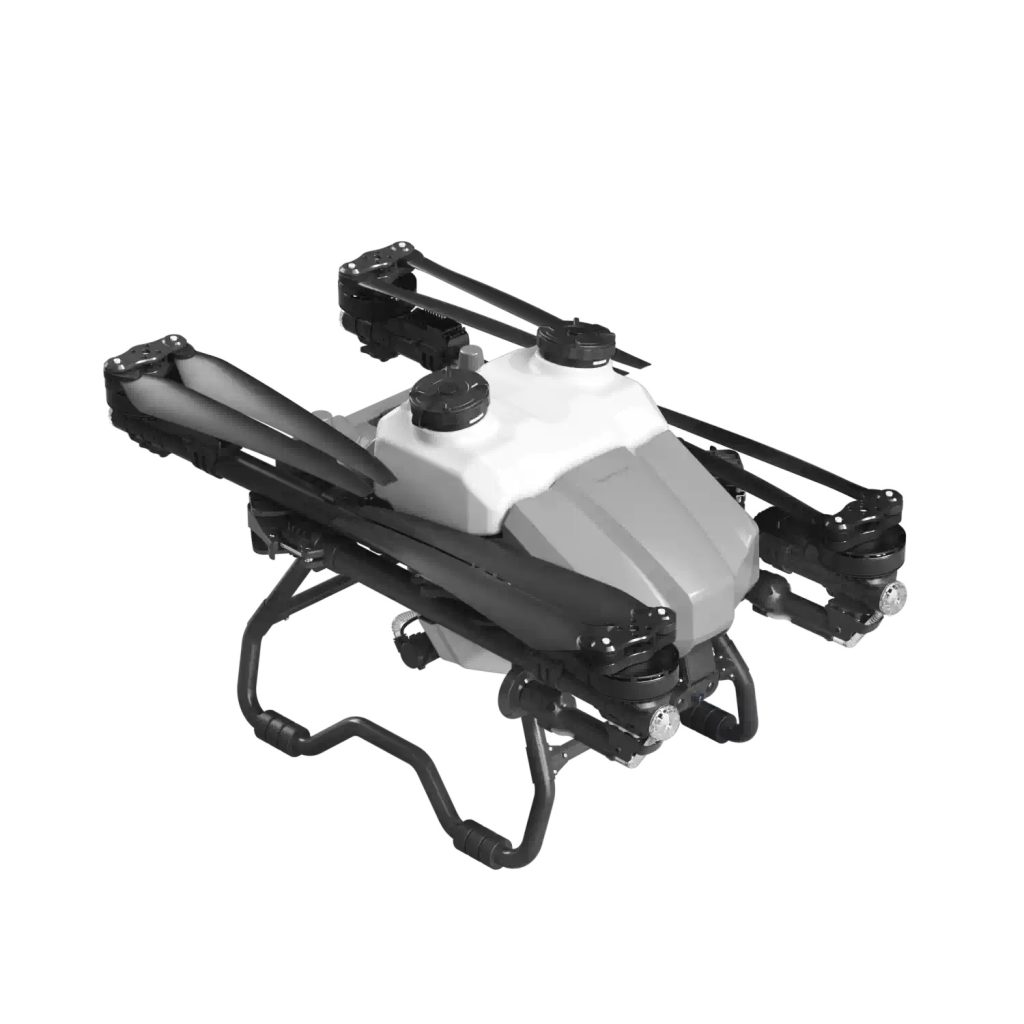
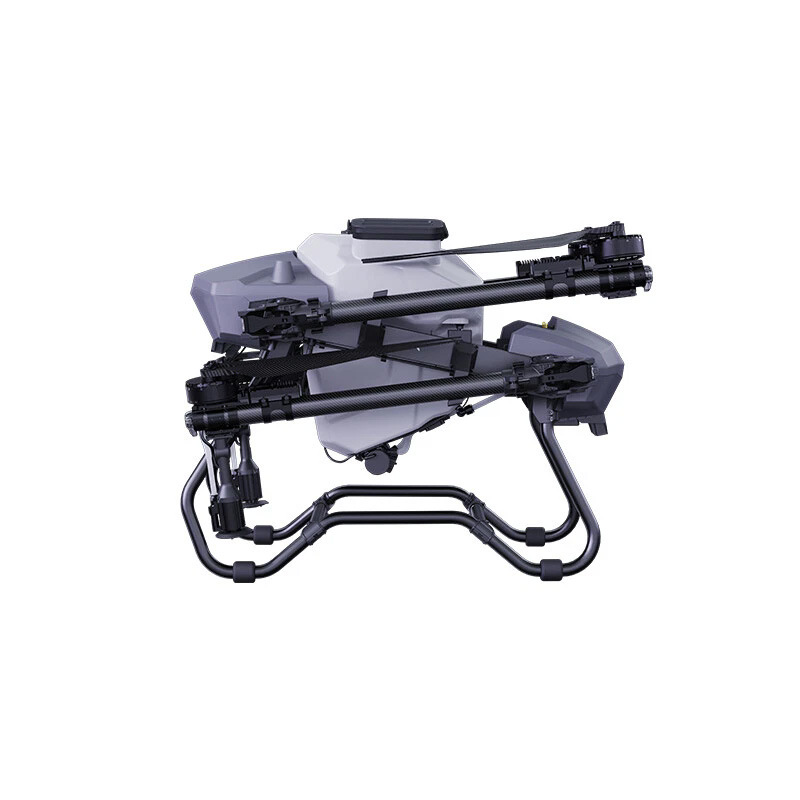
- foldable frame structure
- intelligent flight routes
- quick battery replacement
Many models are designed for heavy daily use during busy agricultural seasons.
Real Farm Efficiency
Spraying efficiency depends on:
- crop density
- flight speed
- weather conditions
- nozzle settings
- operator experience
In open farmland conditions, 50L drones can cover large areas much faster than traditional backpack sprayers.
Many commercial farms prepare multiple battery sets to support continuous operation throughout the day.
Why Rice Farms Use Large Agricultural Drones
Rice farms are one of the biggest users of agricultural drones in Asia.
Traditional machinery often struggles in wet rice fields because muddy terrain can damage crops and slow operations.
Agricultural drones can fly directly above crops without touching the field surface. This helps reduce crop damage and improves spraying flexibility after rainfall.
In countries such as Thailand, Vietnam, and Indonesia, drone spraying has become increasingly common during peak rice farming seasons.
Battery and Charging Considerations
Large agricultural drones require stable battery management systems.
Typical farm setups include:
- several intelligent batteries
- fast chargers
- portable power generators
Battery replacement is usually simple, allowing operators to continue spraying with minimal downtime.
Many farms also rotate batteries during operation to improve daily working efficiency.
Important Factors Before Purchasing
Professional buyers often focus on long-term reliability instead of only price.
Important considerations include:
- spare parts supply
- waterproof protection
- maintenance requirements
- technical support
- local training
- spraying accuracy
- after-sales service
Field testing is also important because crop conditions vary between countries and farming environments.
OEM Agricultural Drone Opportunities
Many agricultural equipment distributors are now interested in OEM agricultural drones for local market sales.
OEM cooperation may include:
- custom logos
- private label packaging
- color customization
- local language software
- spare parts support
- distributor programs
For distributors, stable factory cooperation is important for long-term market development.
Smart Farming and Drone Technology
Modern agriculture is moving toward:
- automated spraying
- precision farming
- intelligent route planning
- reduced chemical waste
Agricultural drones are becoming a practical tool for improving farm management efficiency while lowering operational costs.
As drone technology continues improving, large-capacity agricultural drones are expected to become more common in commercial farming operations worldwide.
FAQ
What is a 50L agricultural drone used for?
A 50L agricultural drone is mainly used for large-scale pesticide spraying and fertilizer spreading on commercial farms.
Is a 50L drone suitable for rice fields?
Yes. Large agricultural drones are widely used in rice fields because they can operate above muddy farmland without damaging crops.
How many batteries are needed for farm operation?
Many farms prepare multiple batteries and charging systems to support continuous spraying during daily operations.
Can OEM branding be supported?
Yes. Many agricultural drone manufacturers provide OEM and ODM services for distributors and agricultural equipment companies.
Contact for OEM & Wholesale Cooperation
MSOEN supports global agricultural drone distributors, farm projects, and OEM partners with spraying drone solutions for modern farming operations.
Factory testing, export support, spare parts supply, and technical assistance are available for international customers.







No comments yet