

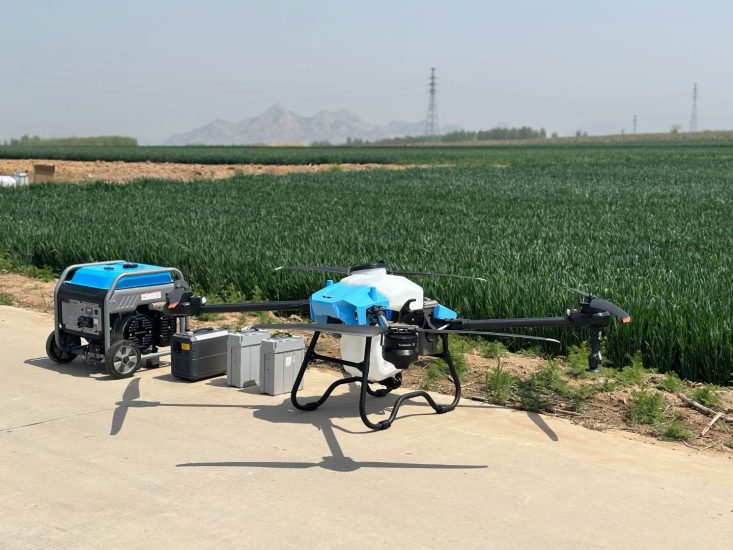
Selecting the right crop spraying drone is one of the most important decisions for farmers, agricultural contractors, and equipment distributors. While many buyers focus on price alone, the most critical factor is choosing a drone with the right tank capacity for your farm size, crop type, and daily workload.
Among the most popular models on the market, 20L, 30L, and 50L crop spraying drones are widely used for commercial agriculture. Each offers unique advantages in terms of efficiency, payload, operating cost, and productivity.
This guide provides a detailed comparison to help you determine which agricultural spraying drone best suits your needs.
Why Tank Capacity Matters
The tank capacity determines how much liquid pesticide, herbicide, fungicide, or fertilizer a drone can carry in a single flight.
A larger tank means:
-
Fewer refills
-
Higher daily productivity
-
Lower labor costs
-
More efficient large-scale operations
However, larger drones also require more powerful motors, bigger batteries, and higher initial investment.
Choosing the correct size improves both operational efficiency and return on investment.
20L Crop Spraying Drone
A 20L agricultural drone is an excellent choice for small and medium-sized farms.
Advantages
-
Lightweight and easy to transport
-
Lower purchase cost
-
Lower battery consumption
-
Easier to operate for beginners
-
Suitable for narrow fields and orchards
-
Lower maintenance costs
Recommended Applications
-
Rice fields
-
Vegetable farms
-
Tea plantations
-
Fruit orchards
-
Vineyards
-
Small family farms
Typical Performance
-
Tank Capacity: 20 Liters
-
Flight Time: 15–20 minutes
-
Daily Coverage: 80–150 hectares
-
Operator Requirement: One person
30L Crop Spraying Drone
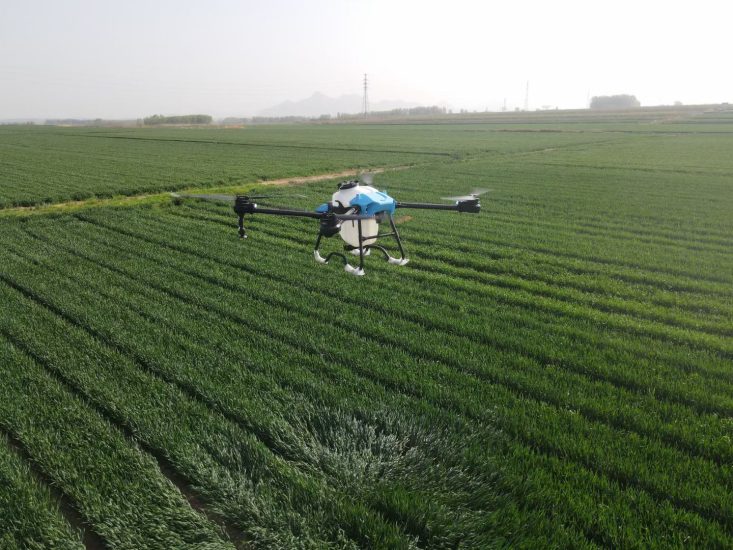
The 30L model is considered the most versatile option for commercial farming.
It offers an excellent balance between payload, efficiency, and operating cost.
Advantages
-
Higher spraying efficiency
-
Fewer refill stops
-
Suitable for medium and large farms
-
Excellent productivity
-
Stable flight performance
-
Better return on investment
Recommended Applications
-
Wheat
-
Corn
-
Soybeans
-
Cotton
-
Sugarcane
-
Commercial farms
Typical Performance
-
Tank Capacity: 30 Liters
-
Flight Time: 15–25 minutes
-
Daily Coverage: 120–200 hectares
-
Excellent balance between weight and efficiency
50L Crop Spraying Drone
A 50L agricultural spraying drone is designed for large-scale farming operations and professional spraying service providers.
Advantages
-
Maximum payload
-
Highest daily productivity
-
Reduced refill frequency
-
Ideal for commercial operations
-
Lower labor cost per hectare
-
Excellent efficiency for large farms
Recommended Applications
-
Large grain farms
-
Government agricultural projects
-
Agricultural service companies
-
Plantation agriculture
-
Large commercial farms
Typical Performance
-
Tank Capacity: 50 Liters
-
Flight Time: 15–30 minutes
-
Daily Coverage: 180–300 hectares
-
Suitable for continuous professional operation
Comparison Table
Feature |
20L Drone |
30L Drone |
50L Drone |
|---|---|---|---|
Tank Capacity |
20 Liters |
30 Liters |
50 Liters |
Recommended Farm Size |
Small |
Medium |
Large |
Daily Coverage |
80–150 ha |
120–200 ha |
180–300 ha |
Refill Frequency |
High |
Medium |
Low |
Purchase Cost |
Lower |
Medium |
Higher |
Productivity |
Good |
Excellent |
Outstanding |
Ease of Transport |
Excellent |
Good |
Moderate |
Best For |
Family Farms |
Commercial Farms |
Large Enterprises |
Which Drone Should You Choose?
Choose a 20L Drone If You:
-
Own a small or medium-sized farm
-
Operate in orchards or greenhouses
-
Need a cost-effective solution
-
Are purchasing your first agricultural drone
-
Want lower maintenance expenses
Choose a 30L Drone If You:
-
Manage a commercial farming business
-
Need higher productivity
-
Want the best balance between cost and efficiency
-
Spray multiple crop types
-
Expect frequent daily operation
For many buyers, the 30L model offers the best overall value.
Choose a 50L Drone If You:
-
Operate large-scale farms
-
Provide agricultural spraying services
-
Need maximum daily coverage
-
Want to reduce refill frequency
-
Require professional-grade performance
The higher initial investment is often justified by greater efficiency and lower operating costs per hectare.
Other Factors to Consider
Tank capacity is important, but it should not be your only consideration.
Before purchasing, also evaluate:
-
Battery capacity
-
Fast charging system
-
RTK positioning
-
Obstacle avoidance radar
-
Intelligent flight planning
-
Spray nozzle quality
-
Spare parts availability
-
Software updates
-
Warranty support
-
Manufacturer experience
A well-designed drone combines high performance with long-term reliability.
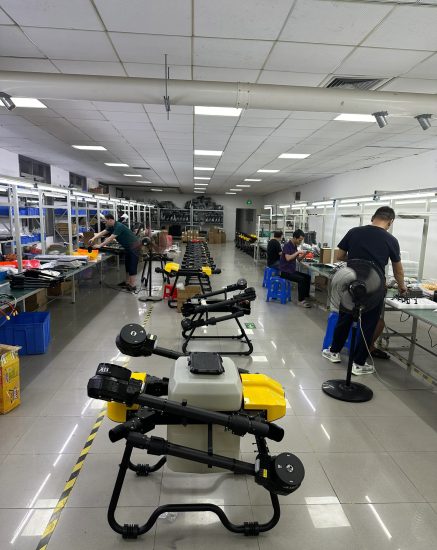
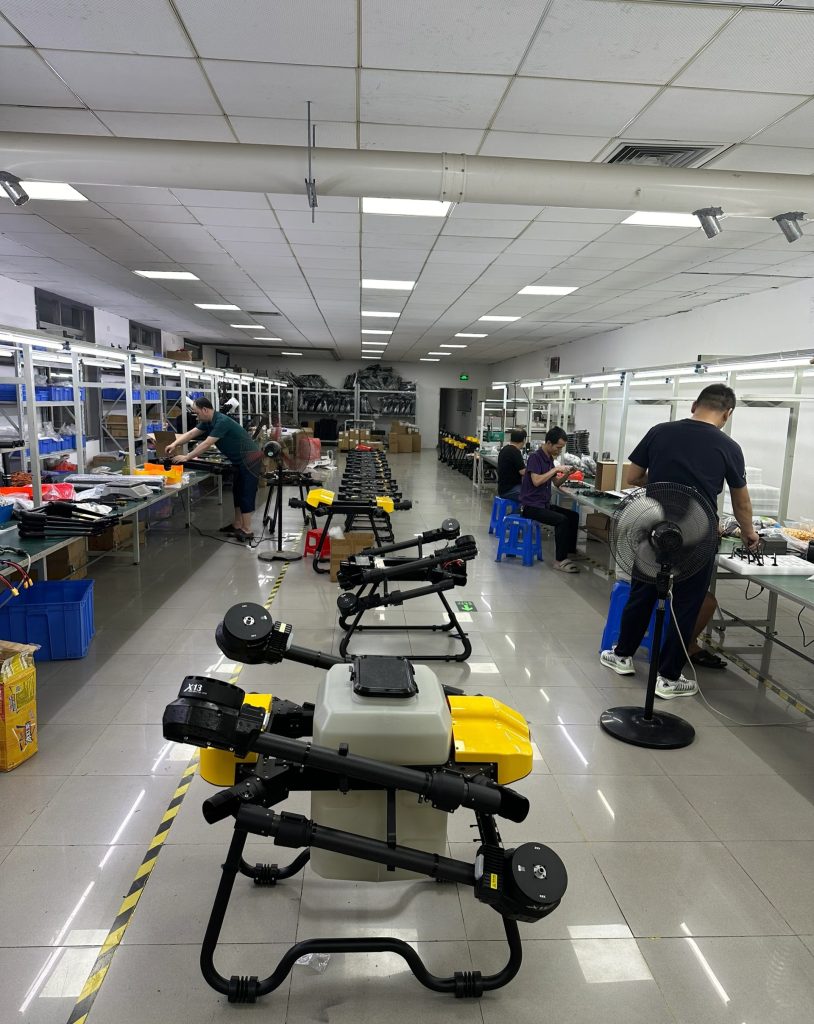
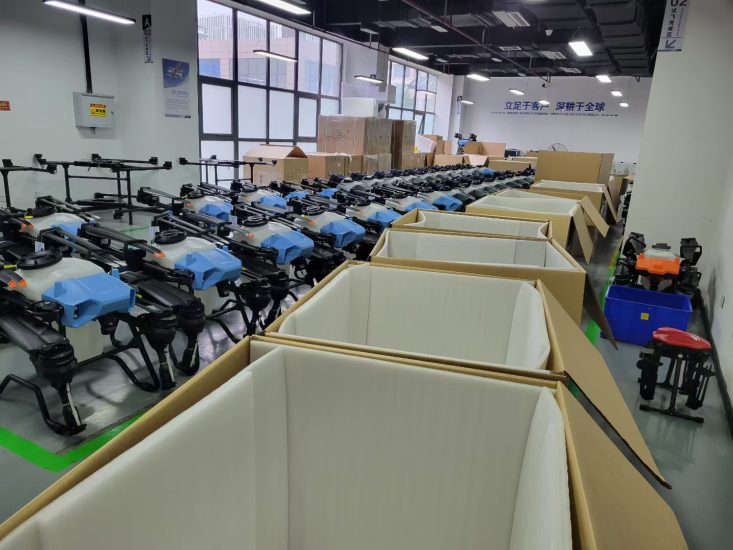
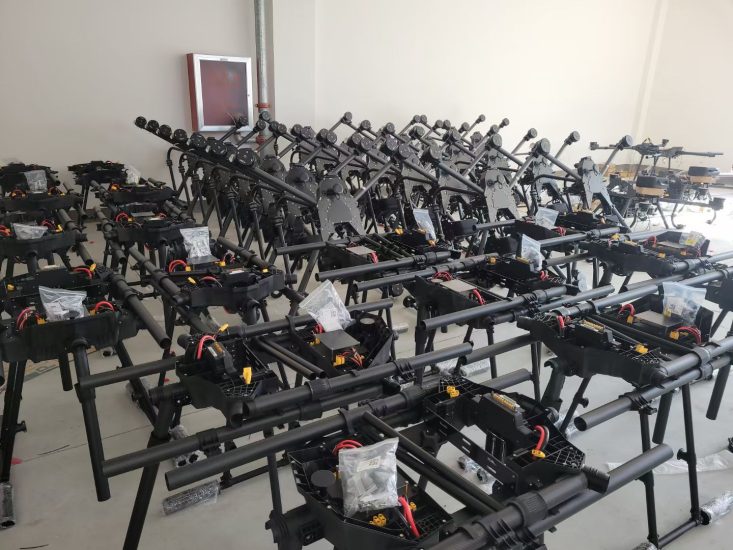
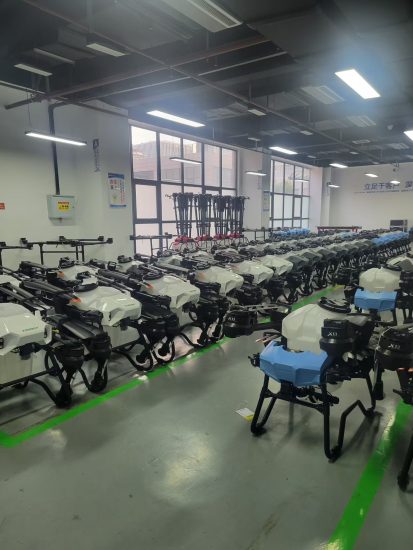
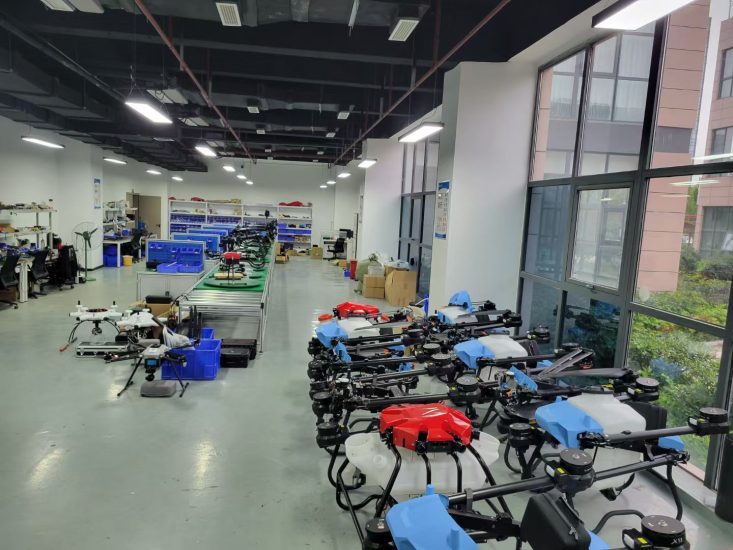
Buying Directly from a Manufacturer
Purchasing directly from an experienced OEM manufacturer offers several advantages:
-
Factory-direct pricing
-
OEM & ODM customization
-
Custom branding and packaging
-
Technical support
-
Stable spare parts supply
-
Quality control
-
Faster production
-
International export experience
Working with a trusted manufacturer helps ensure product quality and long-term service.
Frequently Asked Questions (FAQ)
1. Which crop spraying drone is best for beginners?
A 20L model is usually the best choice for beginners because it is easier to transport, operate, and maintain.
2. Is a 30L drone suitable for commercial farming?
Yes. A 30L agricultural spraying drone is one of the most popular choices for commercial farms because it balances productivity, operating cost, and versatility.
3. When should I choose a 50L drone?
A 50L model is recommended for large-scale farms, agricultural contractors, and businesses that provide spraying services over extensive areas.
4. Can all three models spray fertilizers and pesticides?
Yes. Professional crop spraying drones can apply pesticides, herbicides, fungicides, foliar fertilizers, and other liquid agricultural products.
5. Can manufacturers customize agricultural spraying drones?
Yes. Many OEM manufacturers provide custom logos, colors, software, packaging, and private-label solutions for distributors and wholesalers.
Choosing between a 20L, 30L, and 50L crop spraying drone depends on your farm size, crop type, operational requirements, and budget. A 20L drone is ideal for smaller farms and new users, a 30L drone provides the best balance of performance and cost for most commercial operations, while a 50L drone delivers maximum efficiency for large-scale farming and professional spraying services. By evaluating your long-term needs instead of focusing solely on price, you can select a drone that improves productivity, reduces costs, and supports sustainable agricultural growth.
THE END


No comments yet