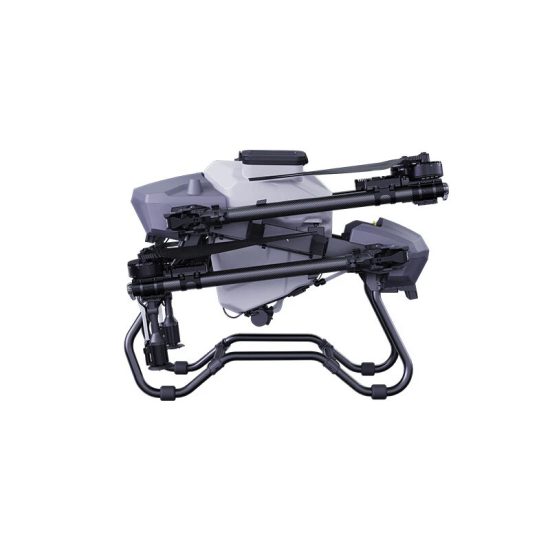


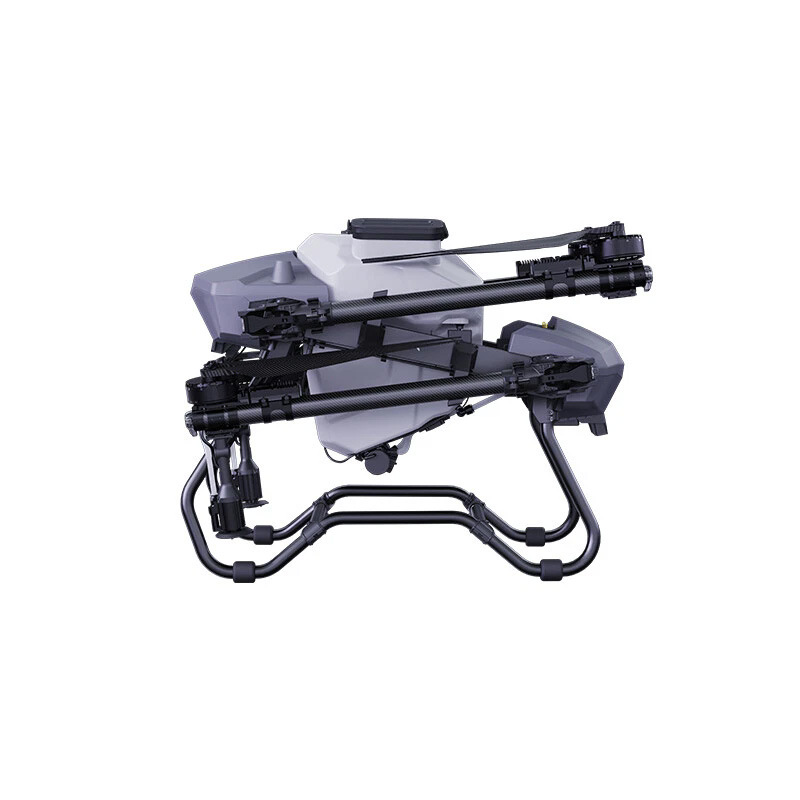
Choosing the right agricultural drone capacity is an important decision for farmers, agricultural service providers, and distributors. Among the most common options, 20L and 30L agricultural spraying drones are both suitable for professional crop protection operations.
However, they are designed for different working requirements.
A 20L agricultural drone may offer a balance between flexibility and efficiency, while a 30L agricultural drone may be more suitable for larger farms and intensive commercial spraying operations.
This guide compares 20L and 30L agricultural drones to help buyers choose the right configuration.
1. What Does 20L or 30L Mean?
The number refers to the approximate liquid tank capacity of the agricultural drone.
A 20L drone can carry approximately 20 liters of spraying liquid under suitable operating conditions, while a 30L drone can carry approximately 30 liters.
The larger tank capacity can reduce the number of refilling operations. However, it may also require a larger and more powerful drone system.
The best choice depends on your actual agricultural application.
2. 20L Agricultural Drone: Main Advantages
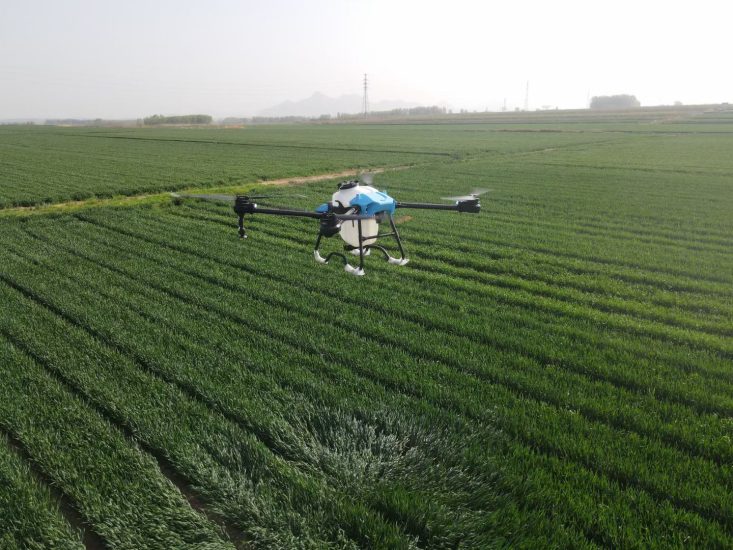
A 20L agricultural drone can be a practical choice for many farms and agricultural service providers.
Easier Transportation
A medium-capacity drone may be easier to transport between different fields.
This can be useful for operators who frequently move between farms or work in areas with limited road access.
Good Balance Between Capacity and Flexibility
A 20L drone can provide a balance between payload capacity and maneuverability.
It may be suitable for:
- Medium-sized farms
- Rice fields
- Wheat fields
- Vegetable farms
- Fruit orchards
- Agricultural service operations
Lower Initial Investment
Compared with a larger-capacity system, a 20L configuration may require a lower initial investment.
This can make it suitable for:
- New agricultural service businesses
- Small and medium-sized farms
- Distributors testing a new product
- Buyers starting with a smaller fleet
3. 30L Agricultural Drone: Main Advantages
A 30L agricultural drone is generally designed for higher-volume agricultural operations.
Fewer Refilling Stops
The larger tank can help reduce the frequency of refilling during spraying operations.
This may improve productivity when working across large areas.
Suitable for Large-Scale Operations
A 30L agricultural drone may be suitable for:
- Large farms
- Commercial agricultural service providers
- Large-scale crop protection projects
- Professional spraying contractors
For users who need to cover large areas every day, reducing downtime can be an important advantage.
Higher Working Efficiency
A larger payload can help operators spend more time spraying and less time returning to refill.
However, actual efficiency depends on many factors, including:
- Flight speed
- Spray width
- Crop type
- Field layout
- Battery capacity
- Operator experience
Therefore, tank capacity alone should not be used to estimate total productivity.
4. 20L vs 30L: Capacity Comparison
| Feature | 20L Agricultural Drone | 30L Agricultural Drone |
|---|---|---|
| Tank Capacity | Medium | Large |
| Flexibility | High | Medium |
| Transportation | Easier | Requires more planning |
| Refilling Frequency | More frequent | Less frequent |
| Large Farm Efficiency | Good | Higher potential |
| Initial Investment | Generally lower | Generally higher |
| Suitable Users | Small and medium operations | Large farms and professional services |
The correct option depends on your specific operating conditions.
5. Which Drone Is Better for Small Farms?
For small farms, a 20L agricultural drone may be more practical.
A smaller operation may not need the additional capacity of a 30L model.
The 20L option can provide:
- Flexible operation
- Easier transportation
- Lower initial investment
- Suitable spraying capacity
If the farm area is limited, a larger tank may not provide enough additional value to justify the higher investment.
6. Which Drone Is Better for Large Farms?
For large farms, a 30L agricultural drone may offer advantages.
The larger capacity can help reduce the number of refilling operations during long working days.
This may be particularly useful when:
- The farm area is large
- Water refill locations are far away
- Daily spraying volume is high
- Professional services are provided to multiple farms
A 30L model may help improve overall workflow efficiency.
7. Consider Battery Requirements
A larger payload generally requires a suitable power system.
When comparing a 20L and 30L agricultural drone, buyers should evaluate:
- Battery capacity
- Flight time under load
- Charging speed
- Number of batteries
- Battery replacement time
A 30L drone may require more energy to operate with a full load.
Therefore, the battery system should be evaluated together with the tank capacity.
A larger drone with insufficient battery support may not provide the expected productivity.
8. Consider Transportation and Field Conditions
The size and weight of the drone can affect transportation.
A 20L drone may be easier to transport using smaller vehicles.
A 30L drone may require more space and better transportation planning.
Buyers should consider:
- Distance between fields
- Road conditions
- Vehicle capacity
- Storage space
- Number of operators
For farms located in mountainous or difficult terrain, transportation flexibility can be especially important.
9. Consider the Type of Crops
Different crops may require different drone configurations.
A 20L drone may be suitable for:
- Small fields
- Orchards
- Narrow agricultural areas
- Complex terrain
A 30L drone may be suitable for:
- Large open fields
- Commercial farms
- High-volume spraying operations
However, the best choice also depends on spraying volume and operating methods.
10. Which Option Is Better for Agricultural Service Providers?
Agricultural service providers should consider their daily workload.
If the business provides spraying services to multiple farms every day, a 30L drone may help reduce refilling downtime.
If the service provider frequently works in different locations and difficult terrain, a 20L drone may provide greater flexibility.
Some professional businesses may choose to operate both configurations.
This allows them to select the appropriate drone for different customer requirements.
11. Which Option Is Better for Distributors?
Distributors should evaluate their target market.
A 20L agricultural drone may be suitable for customers who want:
- A moderate investment
- Flexible transportation
- Medium-scale spraying
A 30L agricultural drone may attract customers who prioritize:
- Higher productivity
- Large-area spraying
- Commercial agricultural services
Understanding local customer needs can help distributors choose the right product configuration.
12. Compare the Total Cost, Not Just the Purchase Price
The purchase price is important, but buyers should also evaluate operating costs.
Consider:
- Drone price
- Battery cost
- Charger cost
- Spare parts
- Transportation
- Maintenance
- Replacement components
A 30L drone may have a higher initial price but potentially reduce refilling time during large-scale operations.
A 20L drone may have a lower initial investment and be more cost-effective for smaller farms.
The right choice depends on your expected workload and long-term operating costs.
13. Questions to Ask Before Choosing
Before selecting a 20L or 30L agricultural drone, answer these questions:
- How large is the farm area?
- How many hectares need to be sprayed each day?
- How far is the water refill location?
- What type of crops are being treated?
- How often does the drone need to be transported?
- How many operators are available?
- What is the available budget?
- How many drones are required?
- Is OEM customization needed?
- Are spare batteries required?
These answers can help determine which capacity is more suitable.
14. 20L or 30L: Which One Should You Choose?
Choose a 20L agricultural drone if you prioritize:
- Flexible operation
- Easier transportation
- Medium-sized agricultural work
- Lower initial investment
- Operation in complex fields
Choose a 30L agricultural drone if you prioritize:
- Large-area spraying
- Higher daily workload
- Fewer refilling stops
- Commercial agricultural services
- Higher operating efficiency
Neither option is universally better.
The best agricultural drone is the one that matches your farm size, operating environment, crop type, budget, and long-term business goals.
Request a Suitable Agricultural Drone Recommendation
Choosing between a 20L and 30L agricultural drone depends on more than tank capacity.
A suitable recommendation should consider your farm area, crop type, spraying requirements, transportation conditions, battery system, and expected daily workload.
If you are unsure which capacity is right for your operation, provide your basic requirements, including:
- Crop type
- Farm size
- Daily spraying area
- Destination country
- Estimated quantity
- OEM requirements
A suitable configuration can then be recommended based on your actual needs.
Request a 20L or 30L agricultural drone recommendation and quotation for your application.


No comments yet