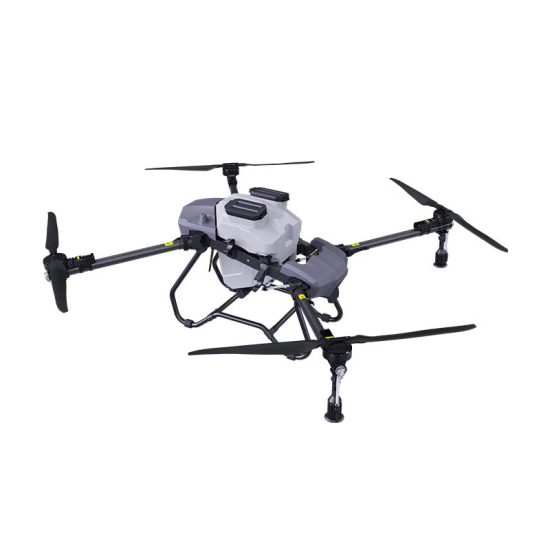


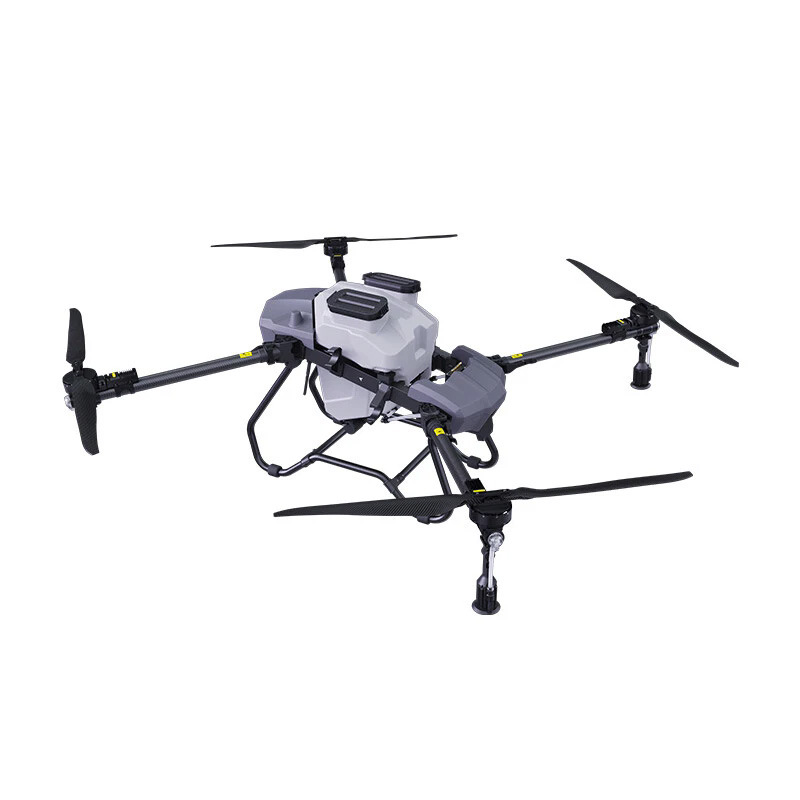
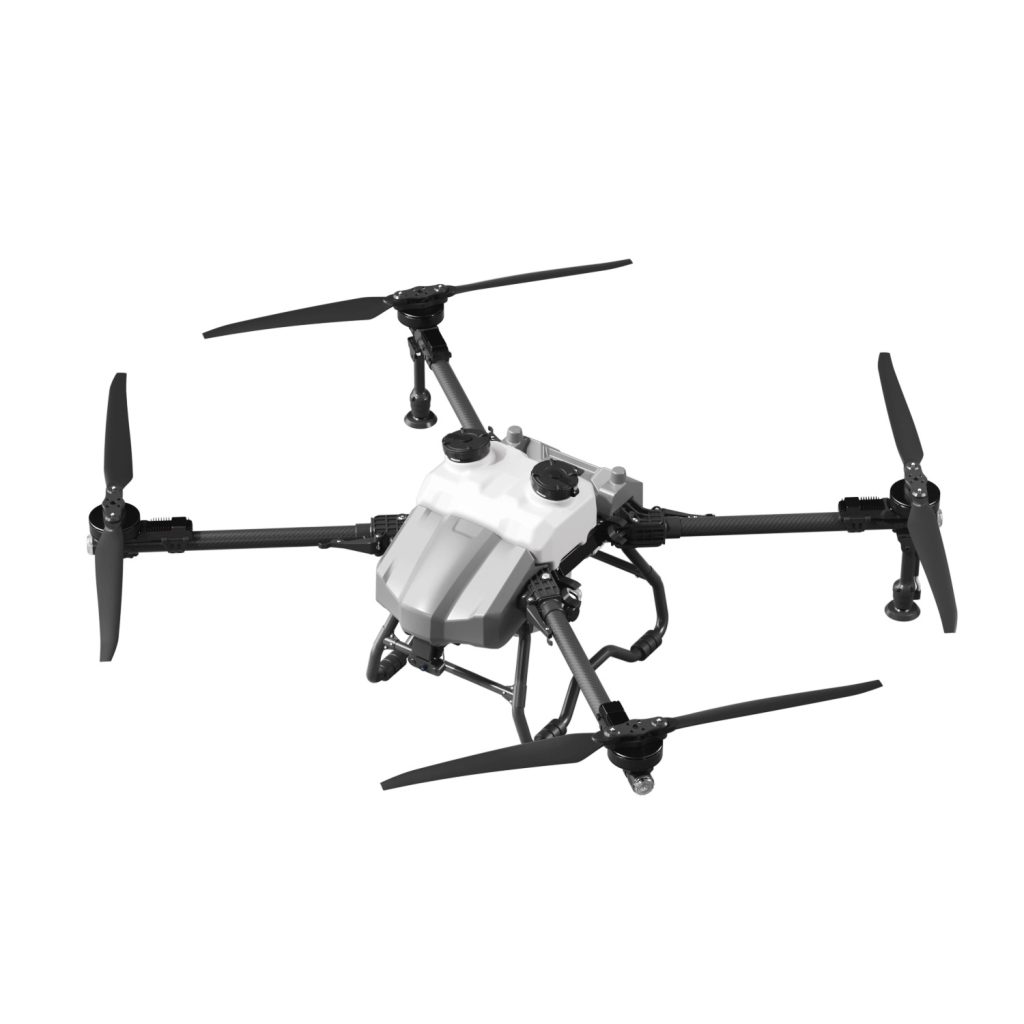
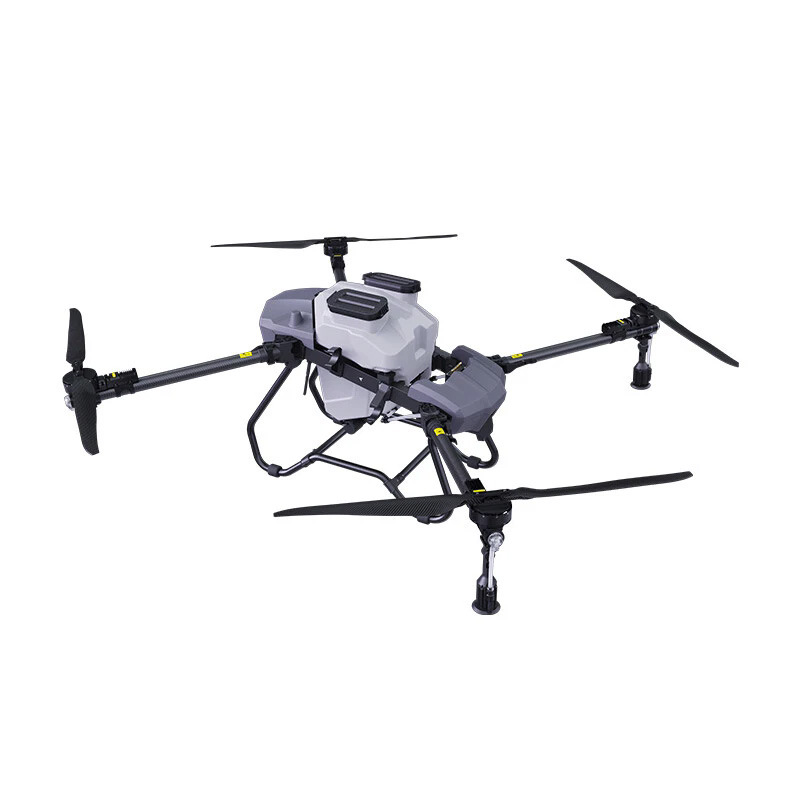

The agricultural drone industry has matured significantly by 2026. What was once a novel gadget for tech-savvy farmers has become a core piece of infrastructure for modern agriculture. However, as the market has grown, so has the noise. For every reputable manufacturer offering reliable, high-performance spraying drones, there are countless “ghost factories” and trading companies offering prices that seem too good to be true.
If you are a farm owner, a cooperative manager, or an agribusiness entrepreneur looking to invest in drone technology in 2026, this guide is for you. We will cut through the marketing fluff and provide a framework for evaluating suppliers based on engineering, support, and long-term business viability.
1. The True Cost of “Cheap”: Understanding the 2026 Market
In 2026, the global supply chain for components like brushless motors, lithium polymer batteries, and millimeter-wave radar has stabilized. This means that the cost of manufacturing a professional-grade agricultural drone has a hard floor. If a supplier quotes you a price that is 30-40% lower than the industry average, they are not giving you a discount; they are cutting corners.
The Anatomy of a Cheap Trap:
-
Refurbished Batteries: The battery is the most expensive consumable. Unscrupulous suppliers often package refurbished or low-grade cells into new-looking shells. These batteries fail after 50 cycles instead of 500.
-
Plastic Gears in Motors: High-stress components, particularly in the propeller drive system, require metal alloys. Cheap drones use hardened plastic that shatters upon hitting a tree branch or during a hard landing.
-
Fake Specifications: A supplier might claim a 30kg payload capacity, but in real-world conditions with wind resistance, the drone struggles to lift 20kg. This leads to longer flight times and higher labor costs for you.
2. Engineering Deep Dive: Beyond the Marketing Brochure
When talking to a potential supplier, do not just look at the photos. You need to ask technical questions that only a factory with R&D capabilities can answer.
A. The Frame and Material Science
Ask about the material composition of the drone’s arms and body. In 2026, carbon fiber is standard for high-end models, but not all carbon fiber is equal. Ask about the weave density and epoxy resin quality. A good frame should withstand thousands of “hard landings” common in rough terrain. Also, inquire about the foldability mechanism. Are the locking pins made of aviation-grade aluminum or brittle zinc alloy?
B. The Propulsion System
The motors and Electronic Speed Controllers (ESCs) are the heart of the drone. Ask the supplier about the KV rating of the motors relative to your typical load. A mismatch between motor KV and propeller pitch will cause motors to overheat, leading to mid-air failures. Ensure the ESCs have sinusoidal drive technology rather than trapezoidal; this provides smoother torque and reduces wear on the bearings.
C. Spraying System Precision
The difference between a cheap sprayer and a professional one lies in the atomization. Ask about the nozzle type (centrifugal vs. pressure). Centrifugal nozzles are preferred in 2026 for their ability to adjust droplet size dynamically. Ask: “What is the droplet size range?” and “How does the system prevent clogging?” If the supplier cannot explain their anti-clogging filter design, walk away.
3. Intelligence and Software: The Brain Matters More Than the Body
A drone is only as good as its flight controller and software ecosystem. By 2026, basic GPS is obsolete. You should be looking for RTK (Real-Time Kinematic) as a standard feature.
-
Terrain Following: Does the drone use LiDAR or a high-precision radar for terrain following? In hilly orchards, a drone without a fast-reacting terrain sensor will crash into slopes.
-
Swarm Technology: Can one operator control multiple drones simultaneously via a central command software? For large-scale farms, swarm capability is the key to operational efficiency.
-
Data Ownership: Ask who owns the data collected by the drone (crop health maps, NDVI data). Some suppliers lock this data behind a subscription paywall. Ensure the software license is perpetual and the data is yours.
4. The Battery Ecosystem: The Lifeline of Your Operation
Never buy a drone without scrutinizing the battery system. In 2026, smart battery management systems (BMS) are critical.
-
Cycle Life: Ask for the guaranteed cycle life. A professional battery should retain 80% capacity after 300 full charge cycles.
-
Charging Infrastructure: Does the supplier offer multi-channel parallel chargers? Waiting 90 minutes to charge one battery while your team sits idle is a massive hidden cost. Look for systems that can charge 4-6 batteries simultaneously from a generator.
-
Cold Weather Performance: If you operate in regions with cold seasons, ask about low-temperature discharge performance. Cheap batteries lose voltage rapidly in cold weather, causing the drone to fall from the sky.
5. After-Sales Support: The “Hidden” Deciding Factor
This is where most buyers get trapped. A supplier might offer a great price, but if they disappear after the sale, your investment turns into e-waste.
-
Local Warehousing: Does the supplier have spare parts warehouses in your region or continent? Waiting two weeks for a $5 gear to arrive from overseas is unacceptable during the peak spraying season.
-
Training Programs: A good supplier provides more than a PDF manual. They offer online simulation training and, if possible, on-site setup assistance. Ask if they provide a “Train the Trainer” program.
-
Repair Turnaround Time: Ask specifically: “What is your guaranteed repair turnaround time?” Reputable suppliers in 2026 offer “Advanced Replacement” services where they send you a replacement part before you return the broken one.
6. Red Flags: Warning Signs of a Ghost Supplier
During your vetting process, watch out for these specific red flags:
-
No Live Demo: If a supplier refuses to conduct a live video call to show the drone flying with a full payload, they are hiding something.
-
Generic Photos: Reverse image search their product photos. If the pictures appear on Alibaba from 10 different companies, they are likely a trading company reselling generic junk.
-
Vague Warranty Terms: Phrases like “we guarantee good quality” mean nothing. Look for specific terms: “1-year warranty on frame, 6 months on motors, 3 months on ESC.”
-
Pressure Tactics: Suppliers who pressure you to pay immediately with “today only” discounts are usually trying to close the deal before you find a better option.
7. The Evaluation Checklist for 2026
Before signing any contract, use this checklist to grade your potential supplier:
| Criteria | Questions to Ask | Why It Matters |
|---|---|---|
| Build Quality | What is the material of the arm joints? | Determines durability during transport and crashes. |
| Software | Is RTK included or an extra cost? | RTK is essential for centimeter-level accuracy. |
| Spraying | What is the flow rate range (L/min)? | Determines if it can handle both fine mist and heavy liquid fertilizer. |
| Battery | Do you offer battery leasing programs? | Reduces upfront capital expenditure. |
| Support | Who do I call at 2 AM during harvest season? | Ensures you have a human contact for emergencies. |
| Compliance | Do you have local certifications (FCC, CE, etc.)? | Required for legal operation and insurance. |
8. Conclusion: Think Like an Operator, Not a Shopper
Choosing a spraying drone supplier in 2026 is not about finding the lowest price; it is about finding a partner who ensures your operation never stops. The right supplier acts as an extension of your business, providing the tools, intelligence, and support to maximize your yield per acre.
Do not be swayed by flashy lights or cheap plastic. Focus on the Total Cost of Ownership (TCO). A slightly more expensive drone from a supplier with robust support and proven engineering will generate a positive ROI within a single season. A cheap drone will cost you double in downtime, repairs, and lost crops.
Invest wisely. Fly safe. Harvest abundantly.
THE END


No comments yet