



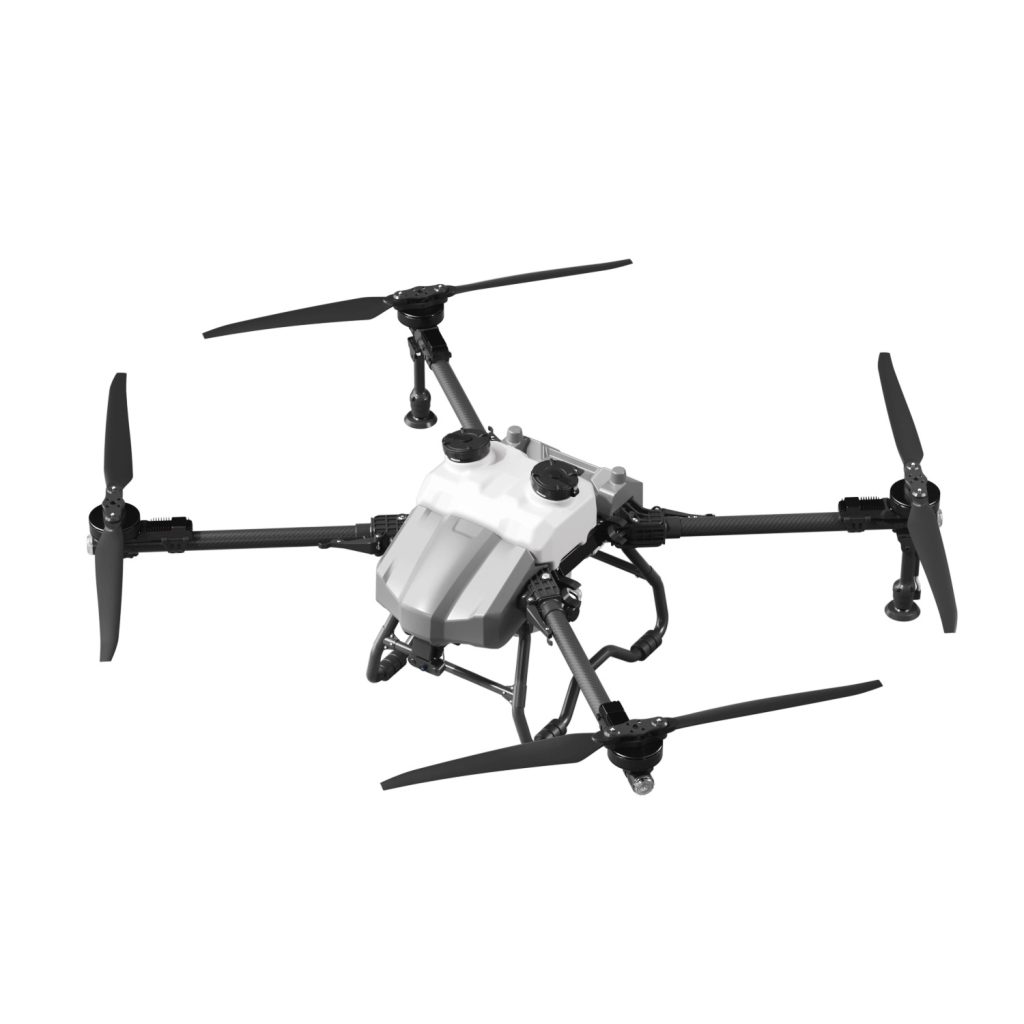
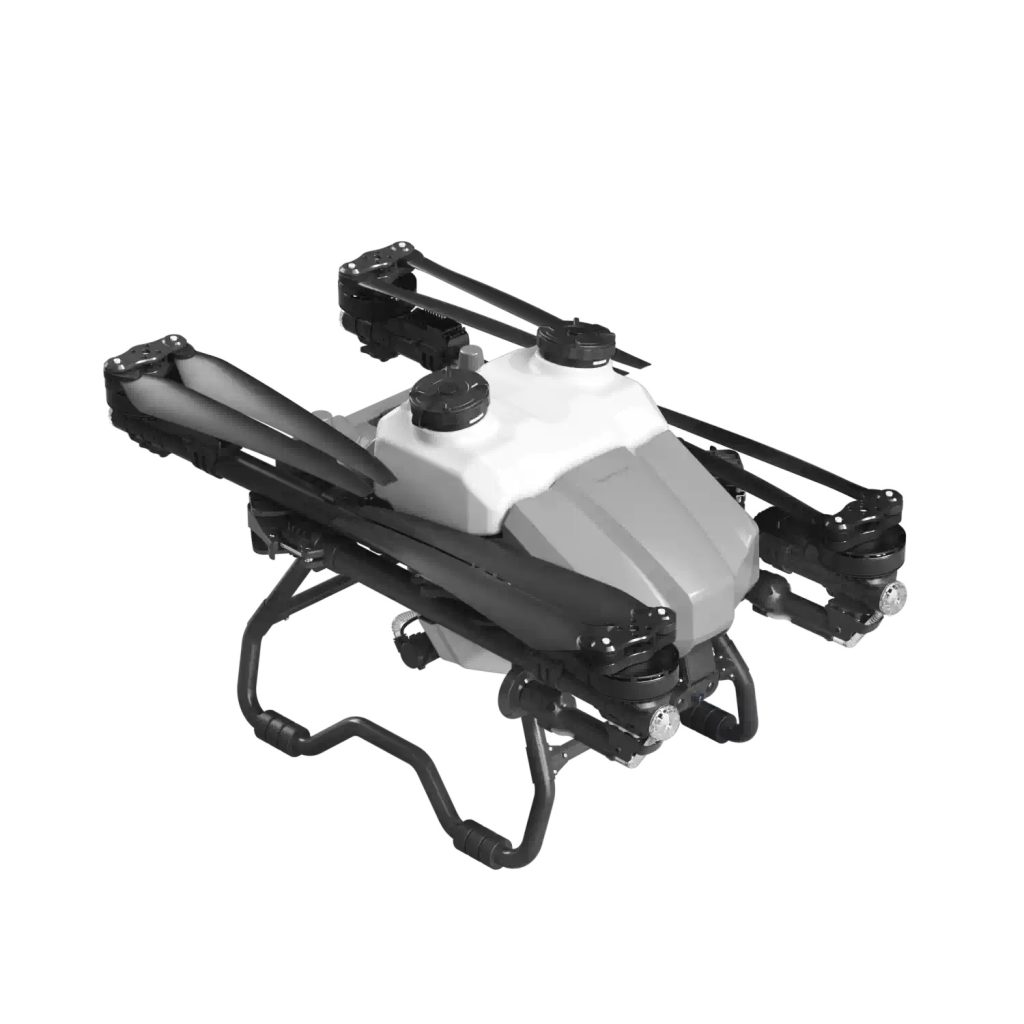
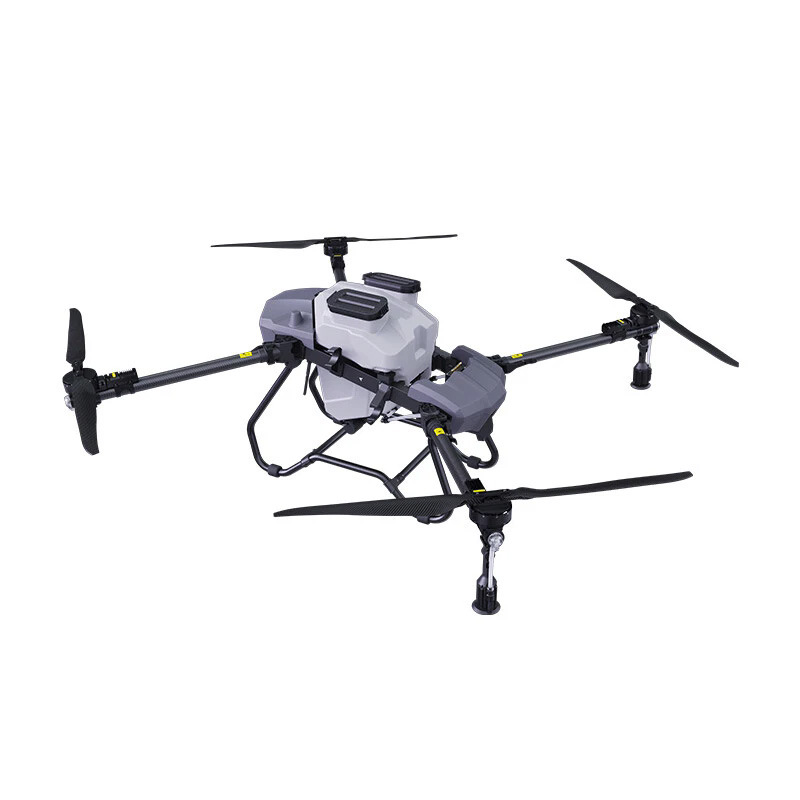
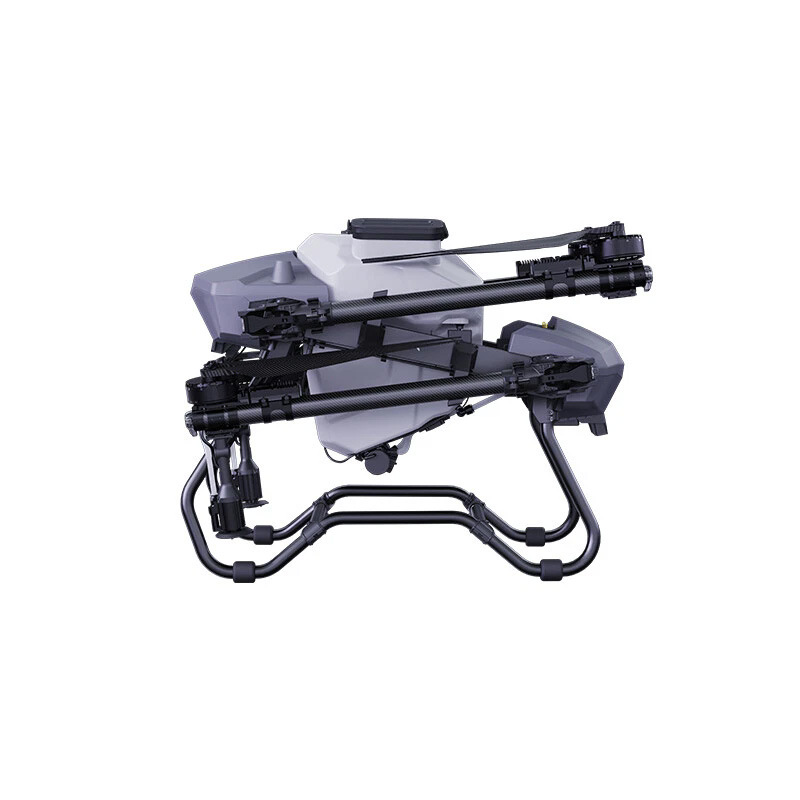
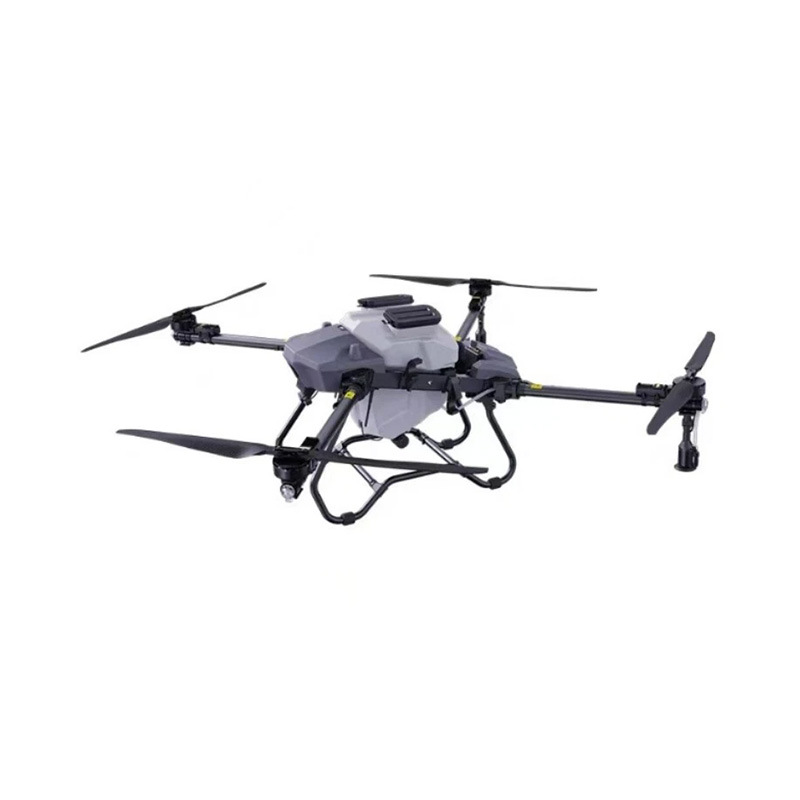
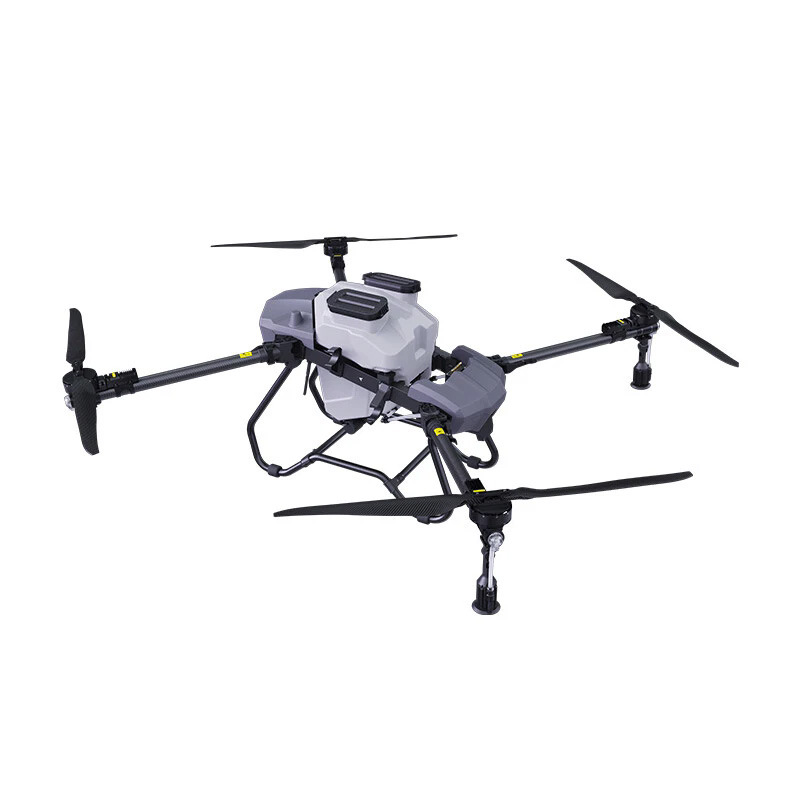

Let’s cut through the marketing noise. If you are entering the agricultural drone industry in 2024, you are facing a classic engineering trade-off: Power vs. Efficiency. Manufacturers will try to sell you on both, but physics doesn’t care about marketing. Every gram of battery dedicated to “long endurance” is a gram stolen from “heavy payload.”
As a new operator, choosing wrong means you’ll either be grounded by battery swaps or uncompetitive because you can’t carry enough chemicals. Here is the definitive guide to making the right choice.
1. The Physics: Why You Can’t Have Both
A drone is a simple equation: Energy = Weight × Distance.
-
Heavy Payload (40L-50L): Requires massive motors and large propellers. These draw immense current. To lift 50kg (drone + liquid), the battery drains fast. Expect 8-12 minutes of flight time.
-
Long Endurance (Smaller Payload): Uses smaller motors and lighter frames. They sip energy. You might get 20-25 minutes of flight, but you’ll only be carrying 10L-16L of liquid.
The Rule of Thumb: If you maximize payload, you minimize flight time. If you maximize flight time, you minimize payload. You must choose your battlefield.
2. The Decision Matrix: Which One Are You?
Don’t choose based on what looks cool. Choose based on what you will actually be spraying.
| If your main business is… | Choose | Reason |
|---|---|---|
| Large Farmland (Corn, Soybeans, Wheat) | Long Endurance (Light Payload) | You need to cover distance, not carry weight. Fewer battery swaps mean more acres per hour. |
| Orchards & Vineyards (Citrus, Apples, Grapes) | Heavy Payload | You need to carry heavy concentrations of chemicals and fly slow. Endurance is less important than stability and power. |
| Fertilizer Spreading (Granular) | Heavy Payload | Granular fertilizer is heavy. A 10L hopper is useless; you need 40L+ capacity. |
| Hilly or Mountainous Terrain | Heavy Payload | You need extra power to fight gravity and wind on slopes. Underpowered drones will struggle to climb. |
3. The Hidden Cost: Battery Swaps
New pilots obsess over flight time. Experienced pilots obsess over downtime.
-
Scenario A (Heavy Payload): You land every 8 minutes. You swap a battery and refill the tank. Total downtime: 3 minutes.
-
Scenario B (Long Endurance): You land every 20 minutes. You swap a battery and refill the tank. Total downtime: 3 minutes.
The Reality: Both scenarios require the same amount of work on the ground. The heavy payload drone makes more trips, but it delivers more product per trip. In most cases, a heavy payload drone is more efficient because it spends less time traveling to and from the refueling point and more time spraying.
4. 2024 Recommendations for Newbies
Option 1: The “All-Rounder” Strategy (Recommended)
Buy a 40L-50L Heavy Payload drone. Why? Because you can always fly a heavy drone with a light load (just don’t fill the tank), but you can never fly a light drone with a heavy load. Starting heavy gives you the flexibility to take any job, including the highly profitable “spreading” contracts in the off-season.
Option 2: The “Specialist” Strategy
Buy a Long Endurance drone only if you have a signed contract for thousands of acres of flat, open farmland. This is a volume game. You are betting on high-speed, low-margin work.
5. The “Starter Kit” Checklist
Regardless of your choice, ensure the drone has these three non-negotiable features in 2024:
-
RTK (Real-Time Kinematic): Without RTK, you will have overlapping lines and missed spots. It is no longer optional.
-
Terrain Following: Essential for safety. The drone must adjust its height automatically when flying over ditches or bumps.
-
Dual Battery System: Avoid drones with a single battery. If one battery fails, you crash. Dual redundancy is a safety net.
Final Verdict
For a new pilot in 2026, buy the heaviest payload you can afford. The market is shifting toward multi-functional drones (spraying + spreading + transport). A heavy-lift platform allows you to diversify your income streams. A long-endurance, light-payload drone will box you into a corner where you can only compete on price, and that is a race to the bottom.
THE END


No comments yet