

The global agricultural industry is rapidly adopting precision farming technologies, and crop spraying drones have become one of the most valuable tools for improving productivity while reducing operating costs. Whether you are a farmer, agricultural contractor, distributor, or importer, purchasing the right crop spraying drone requires more than simply comparing prices. Flight performance, spraying accuracy, battery efficiency, software, certifications, and after-sales service all play a critical role in determining long-term value.
This comprehensive guide outlines the ten most important factors every buyer should evaluate before investing in an agricultural spraying drone.
Why More Farmers Are Choosing Crop Spraying Drones
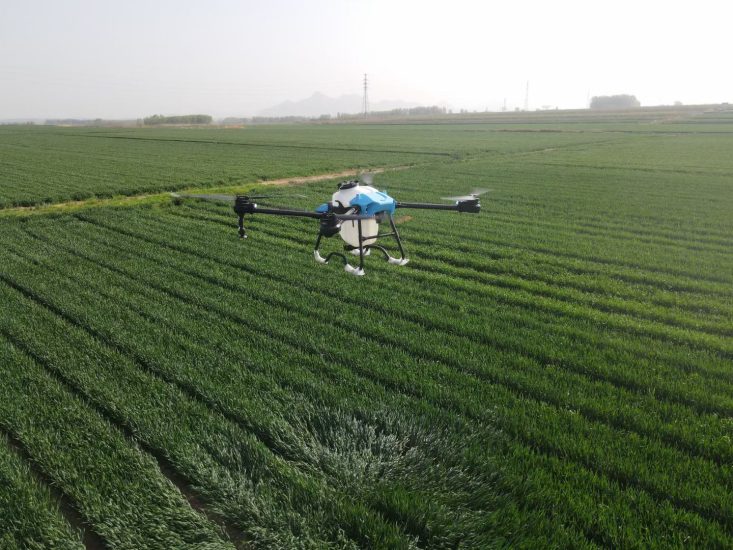
Crop spraying drones offer significant advantages over manual spraying and conventional ground equipment. They enable faster application, greater precision, and reduced labor requirements while minimizing chemical waste and environmental impact.
Major benefits include:
- Higher spraying efficiency
- Lower labor costs
- Reduced pesticide consumption
- Uniform spray coverage
- Improved operator safety
- Access to difficult terrain
- Better crop health through precision application
- Lower overall operating costs
As labor shortages continue to affect agriculture worldwide, drones have become an essential investment for modern farming.
1. Choose the Right Payload Capacity
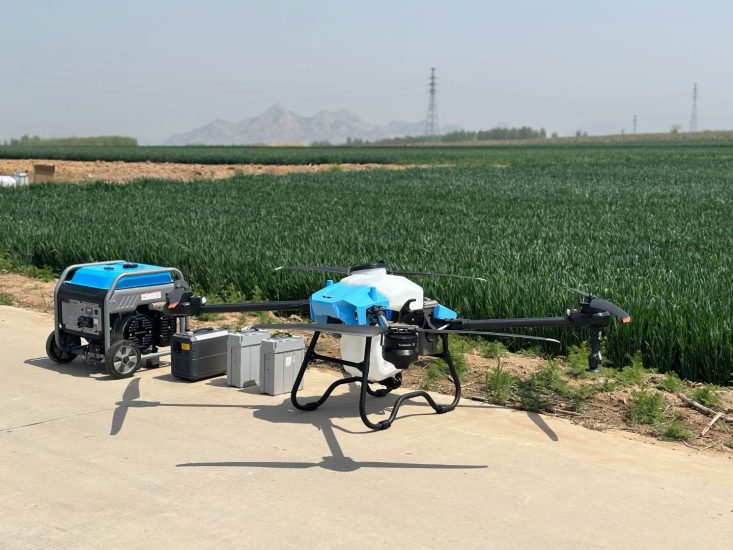
The spray tank capacity determines how much liquid the drone can carry per flight.
Typical options include:
- 10L–20L: Small farms and orchards
- 20L–30L: Medium-sized commercial farms
- 40L–50L: Large-scale agricultural operations
Larger tanks improve productivity by reducing refill frequency, but they also require higher battery power and stronger airframes.
2. Evaluate Spraying Performance
A drone’s spraying system directly affects crop protection results.
Important features include:
- High-flow pumps
- Multiple spray nozzles
- Adjustable spray width
- Variable droplet size
- Automatic flow control
- Uniform atomization
- Anti-drip technology
A quality spraying system reduces chemical waste while ensuring consistent crop coverage.
3. Check Flight Stability
Stable flight is essential for accurate spraying.
Look for drones equipped with:
- Advanced flight controllers
- GPS and RTK positioning
- Automatic altitude control
- Wind resistance
- Stable hovering
- Automatic route planning
Reliable flight performance helps maintain even spray patterns across the entire field.
4. Battery System and Charging Efficiency
Battery technology greatly influences productivity.
Choose drones with:
- Intelligent lithium batteries
- Fast charging capability
- Battery health monitoring
- Waterproof battery housing
- Long charging cycle life
- Quick battery replacement
For continuous field operations, multiple batteries and dual-channel chargers are recommended.
5. Intelligent Obstacle Avoidance
Modern farms contain trees, utility poles, irrigation equipment, and uneven terrain.
Advanced agricultural drones should include:
- Front and rear radar
- Terrain-following radar
- Obstacle avoidance sensors
- Automatic braking
- Smart path adjustment
These safety features reduce accidents and improve operational efficiency.
6. Precision Navigation System
Accurate navigation improves spray quality and reduces overlap.
Key technologies include:
- RTK centimeter-level positioning
- GPS
- GLONASS
- BeiDou
- Galileo compatibility
- Automatic flight path generation
- Waypoint navigation
Precision navigation minimizes missed areas and unnecessary chemical use.
7. Build Quality and Durability
Agricultural drones operate in demanding outdoor environments.
Choose models with:
- Carbon fiber frame
- Waterproof electronics
- Corrosion-resistant materials
- Dust protection
- Foldable arms
- Reinforced landing gear
Durable construction extends service life and lowers maintenance costs.
8. Software and Smart Farming Features
Modern agricultural drones are becoming part of digital farming ecosystems.
Useful software capabilities include:
- Automatic route planning
- Flight history
- Field mapping
- Variable-rate spraying
- Real-time monitoring
- Remote firmware updates
- Cloud-based data management
Smart software improves operational efficiency and supports precision agriculture.
9. Certifications and Regulatory Compliance
Before importing agricultural drones, verify that the manufacturer provides appropriate certifications.
Common certifications include:
- CE
- FCC
- RoHS
- ISO 9001 quality management
- Battery transportation documentation
- Export compliance documents
Meeting international standards helps simplify customs clearance and market entry.
10. Manufacturer Reputation and After-Sales Support
Choosing a reliable manufacturer is just as important as choosing the drone itself.
A trustworthy supplier should provide:
- Professional technical support
- Spare parts availability
- Training materials
- Software updates
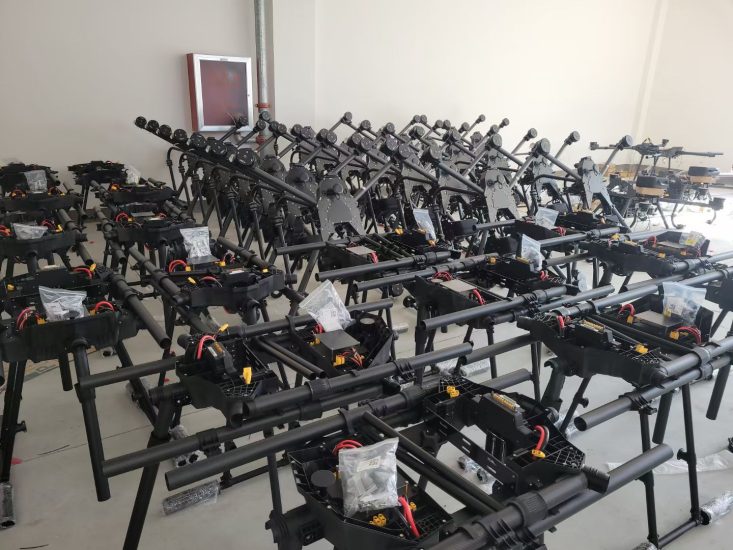
- Warranty service
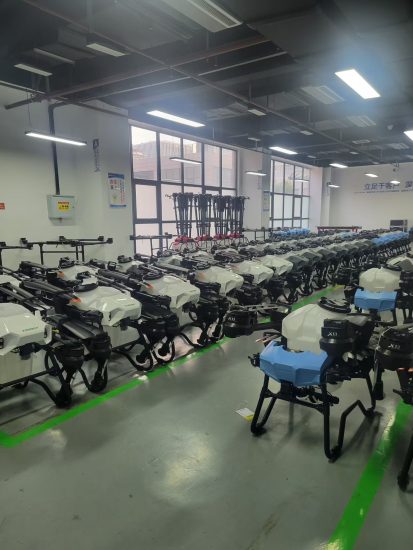
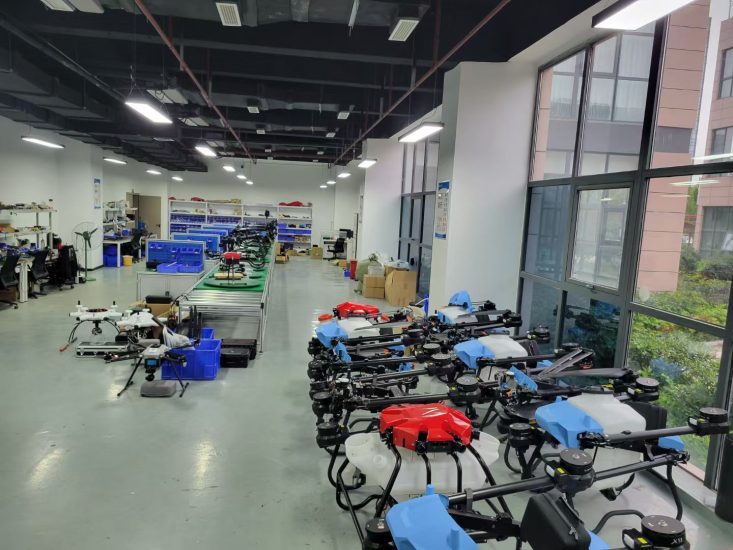
- OEM & ODM customization
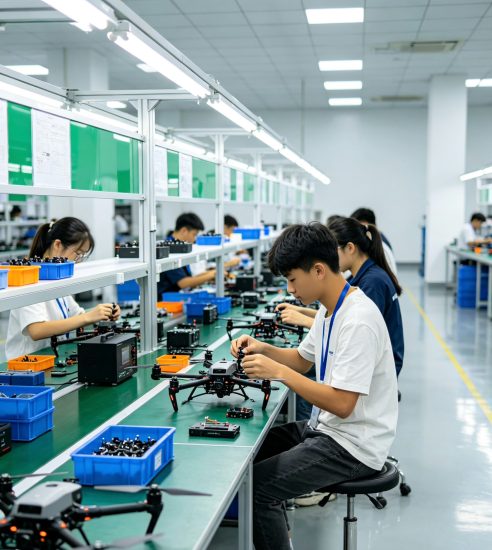
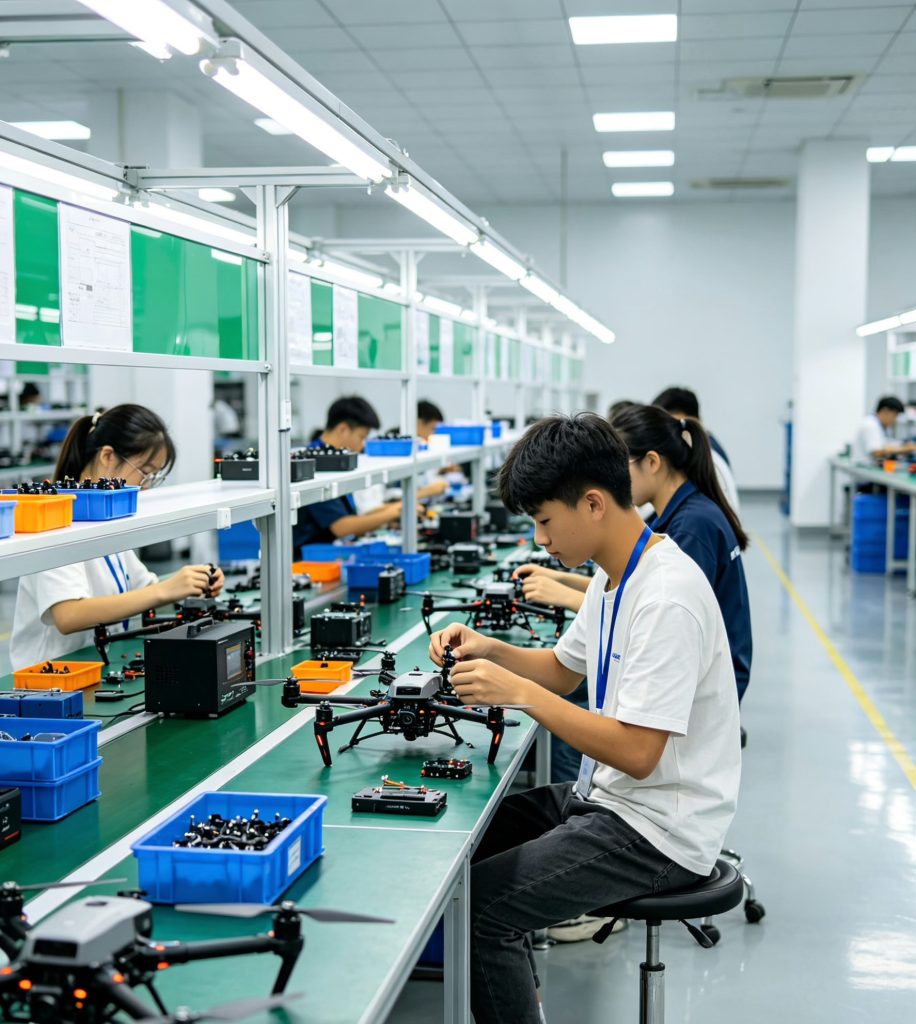
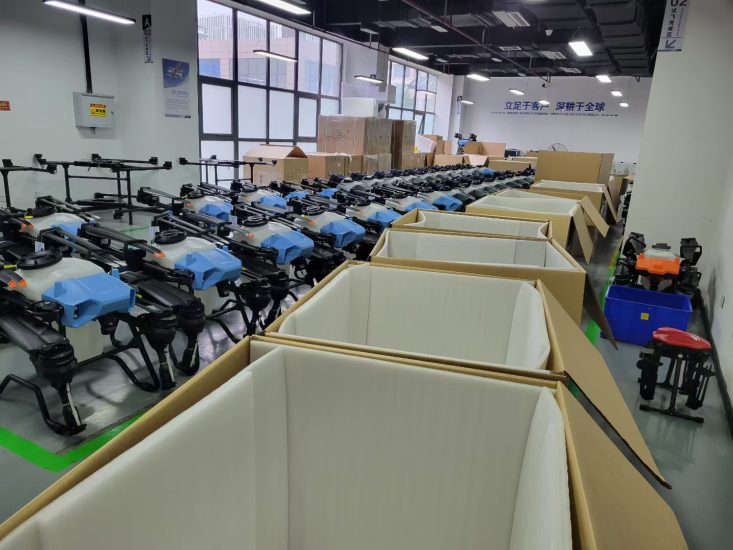
- Fast production and delivery
- Global export experience
Long-term support reduces downtime and protects your investment.
Common Mistakes Buyers Should Avoid
Many buyers focus only on the purchase price, overlooking other important factors.
Avoid these common mistakes:
- Buying the cheapest drone without considering quality
- Ignoring battery replacement costs
- Overlooking after-sales support
- Choosing the wrong payload capacity
- Purchasing from inexperienced suppliers
- Not checking certifications
- Failing to verify spare parts availability
A well-informed purchasing decision results in lower operating costs and better long-term performance.
Who Can Benefit from Crop Spraying Drones?
Agricultural spraying drones are suitable for:
- Commercial farms
- Agricultural cooperatives
- Crop protection companies
- Government agricultural agencies
- Agricultural equipment distributors
- Importers and wholesalers
- Precision farming service providers
Their versatility makes them an excellent investment across multiple agricultural sectors.
Frequently Asked Questions (FAQ)
1. What payload capacity is best for commercial farming?
For most commercial farms, 30L to 50L crop spraying drones provide the ideal balance of efficiency and productivity.
2. Can agricultural drones spray different types of chemicals?
Yes. Most professional drones can apply pesticides, herbicides, fungicides, foliar fertilizers, and liquid nutrients.
3. How long does a spraying drone battery last?
A fully charged battery typically provides 15–30 minutes of flight time, depending on payload, weather, and operating conditions.
4. Do agricultural drones require professional training?
Basic flight training is recommended. However, modern drones feature autonomous flight planning and intelligent navigation, making them easier to operate than earlier models.
5. Can manufacturers provide OEM and private label services?
Yes. Many professional agricultural drone manufacturers offer OEM and ODM services, including custom logos, colors, packaging, user manuals, and software branding.
Purchasing a crop spraying drone is a long-term investment that should be based on performance, reliability, safety, and manufacturer support rather than price alone. By carefully evaluating payload capacity, spraying technology, navigation accuracy, battery performance, software, certifications, and after-sales service, buyers can select equipment that delivers higher productivity and a stronger return on investment. As precision agriculture continues to evolve, high-quality crop spraying drones will remain an essential tool for efficient, sustainable, and profitable farming.


No comments yet