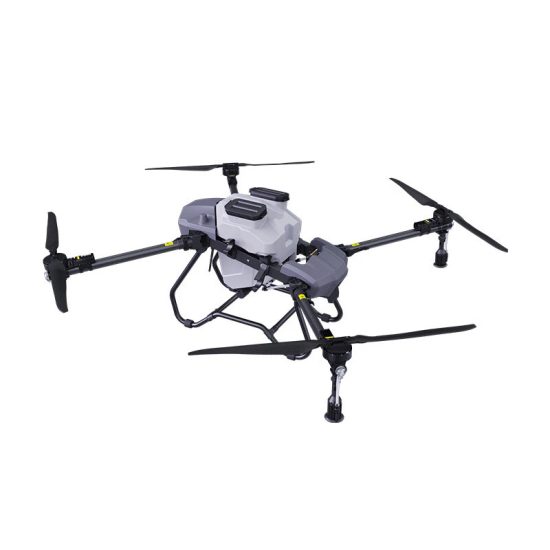


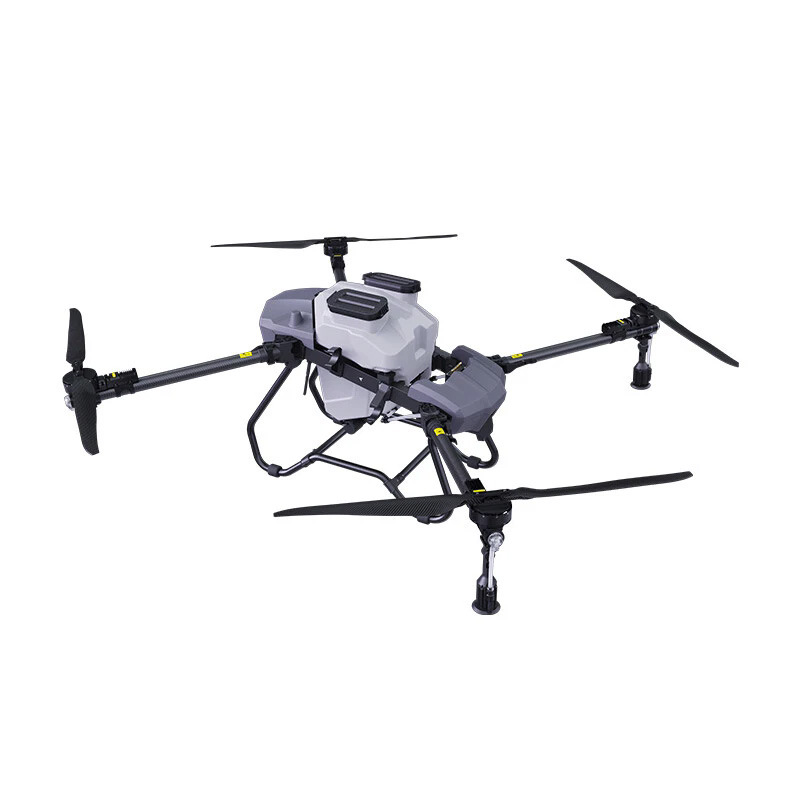

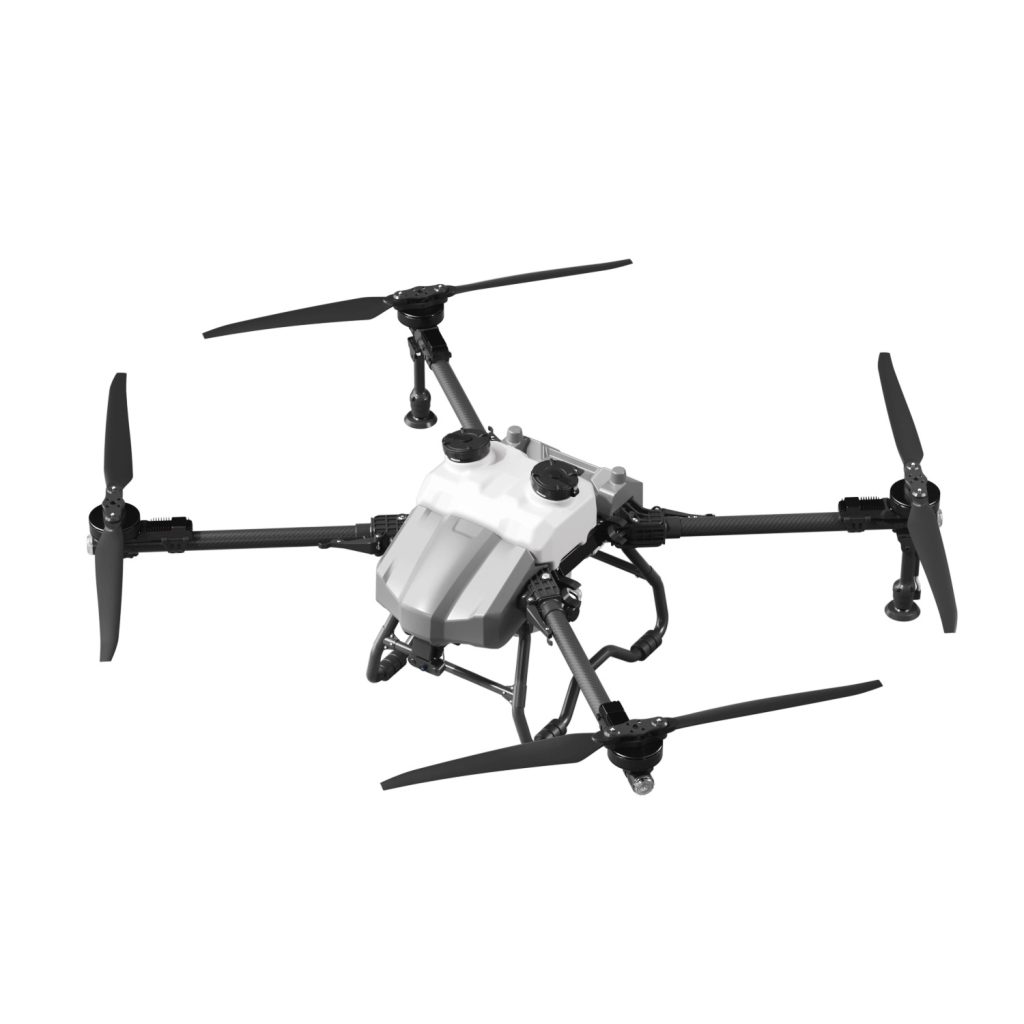
If your drone powers on but refuses to take off, don’t worry—this is one of the most common issues for both beginners and professional users. Most of the time, the problem is caused by simple settings, safety locks, or calibration issues rather than hardware failure.
This guide will help you quickly identify the reason and fix your drone step by step.
1. Check Battery Level (Most Common Cause)
A low battery is the number one reason drones refuse to take off.
What to check:
- Drone battery is fully charged
- Remote controller battery is not low
- App shows sufficient power level
Solution:
- Recharge battery to 100%
- Try a different battery if available
👉 Many drones automatically lock takeoff when battery is under 20–30%.
2. GPS Not Locked or Weak Signal
Modern drones rely heavily on GPS for stable flight and safety.
Symptoms:
- Drone cannot take off outdoors
- App shows “GPS not ready”
- Aircraft status shows unstable signal
Solution:
- Go to an open outdoor area
- Avoid buildings, trees, and metal structures
- Wait until at least 6–12 satellites are connected
3. Propeller Installation Error
Incorrect propeller installation can completely prevent takeoff.
Check:
- Propellers match correct positions (A/B or clockwise/counterclockwise)
- Blades are not loose
- No cracks or damage
Solution:
- Reinstall propellers according to markings
- Replace damaged blades
4. Motor Lock or Safety Mode Enabled
Some drones include safety protection modes.
Possible issues:
- Beginner mode activated
- Motor lock is ON
- Geo-fencing restriction enabled
Solution:
- Turn off beginner mode in app
- Disable flight restrictions
- Check firmware settings
5. Compass or IMU Calibration Problem
If sensors are not calibrated, the drone may refuse to take off for safety reasons.
Signs:
- Drone shakes before takeoff
- App shows calibration warning
- Flight system error message
Solution:
- Perform compass calibration in open area
- Avoid metal objects during calibration
- Restart drone after calibration
6. Remote Controller Not Connected Properly
Without proper binding, the drone will not respond.
Check:
- Controller is paired with drone
- Signal indicator is stable
- App shows “connected”
Solution:
- Rebind remote controller
- Restart both drone and controller
- Update firmware if needed
7. Firmware or Software Issue
Outdated firmware can cause takeoff failure.
Solution:
- Update drone firmware via app
- Update remote controller firmware
- Restart system after update
8. Environmental Restrictions
Some environments prevent safe takeoff.
Examples:
- Indoor flying (no GPS signal)
- Strong wind conditions
- Restricted no-fly zones
Solution:
- Move to open outdoor area
- Avoid windy weather
- Check flight zone in app
9. Motor or Hardware Issue (Less Common)
If all settings are correct, hardware may be the cause.
Signs:
- One motor not spinning
- Strange noise
- Burning smell or vibration
Solution:
- Stop using immediately
- Contact technical support
- Do not force takeoff
FAQ (Frequently Asked Questions)
Q1: Why does my drone beep but not take off?
A: Usually due to GPS not locked, low battery, or safety lock enabled.
Q2: Can I force takeoff manually?
A: Not recommended. The drone may refuse takeoff for safety reasons, and forcing it can cause damage.
Q3: Why does my drone only hover but not rise?
A: Possible causes include calibration issues, weak battery, or incorrect propeller setup.
Q4: Does indoor flying affect takeoff?
A: Yes. Most GPS drones will not take off indoors due to weak or no satellite signal.
Q5: How long should I wait for GPS lock?
A: Usually 30 seconds to 3 minutes depending on environment.
Conclusion
Drone takeoff failure is usually caused by simple issues like battery level, GPS signal, or calibration settings. By checking each factor step by step, most problems can be solved quickly without repair.
If your drone still cannot take off after following this guide, it is recommended to contact professional technical support for further diagnosis.


No comments yet