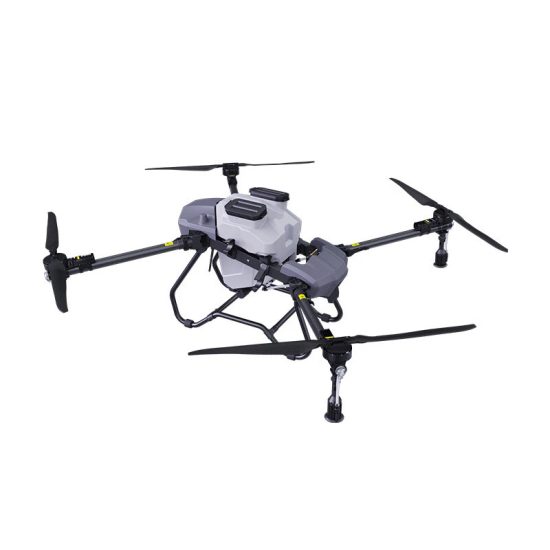


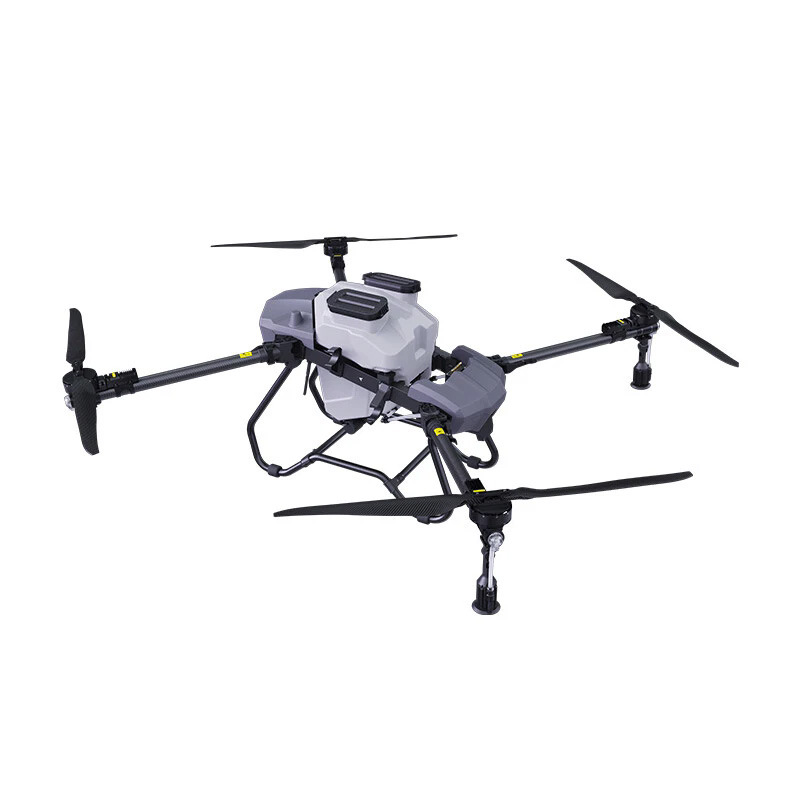
An agricultural drone that shakes, drifts, tilts unexpectedly, or struggles to maintain a stable position can reduce spraying accuracy and increase safety risks. Flight instability is usually caused by a few common issues that can be identified and corrected before serious problems occur.
This guide explains the most common reasons why an agricultural drone flies unsteadily and how to fix them.
Signs of an Unstable Drone
You may notice one or more of these symptoms:
- The drone drifts while hovering.
- The aircraft vibrates during flight.
- The drone tilts unexpectedly.
- Flight altitude changes without command.
- The drone struggles to maintain a straight flight path.
- Spraying patterns become uneven.
If any of these occur, stop spraying and inspect the drone before continuing.
1. Damaged or Unbalanced Propellers
Propellers are one of the most common causes of unstable flight. Even small cracks or bent blades can create excessive vibration.
Solution:
- Inspect every propeller before flight.
- Replace cracked, chipped, or warped propellers.
- Tighten propellers according to the manufacturer’s instructions.
- Always use matching propeller sets.
2. Compass or IMU Needs Calibration
Incorrect sensor data can cause drifting, unstable hovering, and inaccurate navigation.
Solution:
- Calibrate the compass in an open area away from metal objects.
- Perform IMU calibration on a level surface.
- Recalibrate after firmware updates or when flying in a new location.
3. GPS Signal Is Weak
Agricultural drones rely on GPS for accurate positioning during autonomous flights.
Solution:
- Wait until enough satellites are locked before takeoff.
- Avoid flying near tall buildings, mountains, or heavy tree cover.
- Confirm the home point has been recorded.
4. Strong Wind Conditions
Even powerful agricultural drones can become unstable in strong winds.
Solution:
- Check weather conditions before flying.
- Avoid operating during high winds.
- Reduce flight speed when necessary.
- Plan spraying routes according to wind direction.
5. Uneven Weight Distribution
Improperly installed batteries or uneven liquid levels inside the spray tank can affect the drone’s balance.
Solution:
- Secure the battery correctly.
- Ensure the spray tank is properly mounted.
- Do not exceed the maximum payload capacity.
6. Motor or ESC Problems
Damaged motors or electronic speed controllers (ESCs) may produce uneven thrust.
Solution:
- Listen for unusual motor noise.
- Check motor temperatures after flight.
- Replace worn bearings or damaged motors.
- Perform regular maintenance according to the manufacturer’s recommendations.
7. Dirty Spray System or Drone Components
Mud, dust, or chemical residue can increase weight and reduce flight performance.
Solution:
- Clean the drone after every spraying operation.
- Flush the spraying system regularly.
- Remove dirt from motors and cooling vents.
8. Low Battery Voltage
A battery with insufficient voltage may not provide enough power for stable flight.
Solution:
- Charge batteries fully before operation.
- Replace aging batteries.
- Monitor battery health using the drone management system.
Pre-Flight Checklist
Before every mission, make sure to:
- Inspect propellers.
- Check motor condition.
- Verify battery health.
- Confirm GPS signal strength.
- Calibrate the compass if required.
- Check IMU status.
- Inspect spray nozzles and hoses.
- Perform a short hover test.
Frequently Asked Questions (FAQ)
Why does my drone drift while hovering?
The most common causes are poor GPS reception, incorrect compass calibration, or strong wind conditions.
Can damaged propellers affect spraying accuracy?
Yes. Vibrations caused by damaged propellers can reduce flight stability and result in uneven chemical application.
Should I fly if the drone displays a compass warning?
No. Resolve the warning and complete compass calibration before taking off.
How often should I inspect the motors?
A quick inspection should be performed before every flight, with more detailed maintenance carried out according to the manufacturer’s service schedule.
Final Thoughts
Stable flight is essential for safe and accurate agricultural spraying. Most flight stability issues are caused by worn propellers, sensor calibration errors, weak GPS signals, battery problems, or poor maintenance. By performing regular inspections and following a thorough pre-flight checklist, you can improve flight performance, increase spraying precision, and extend the service life of your agricultural drone.


No comments yet