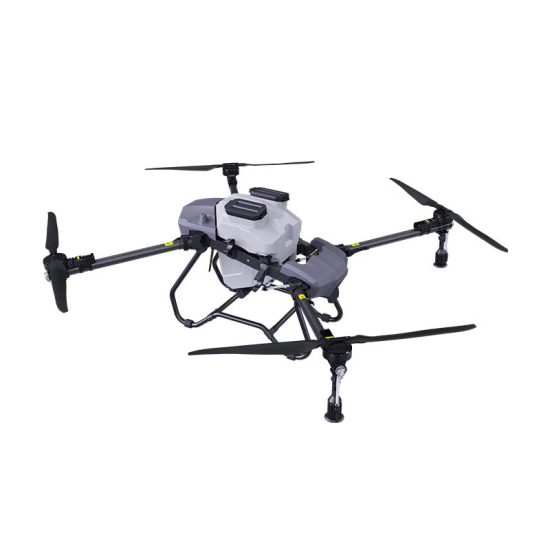


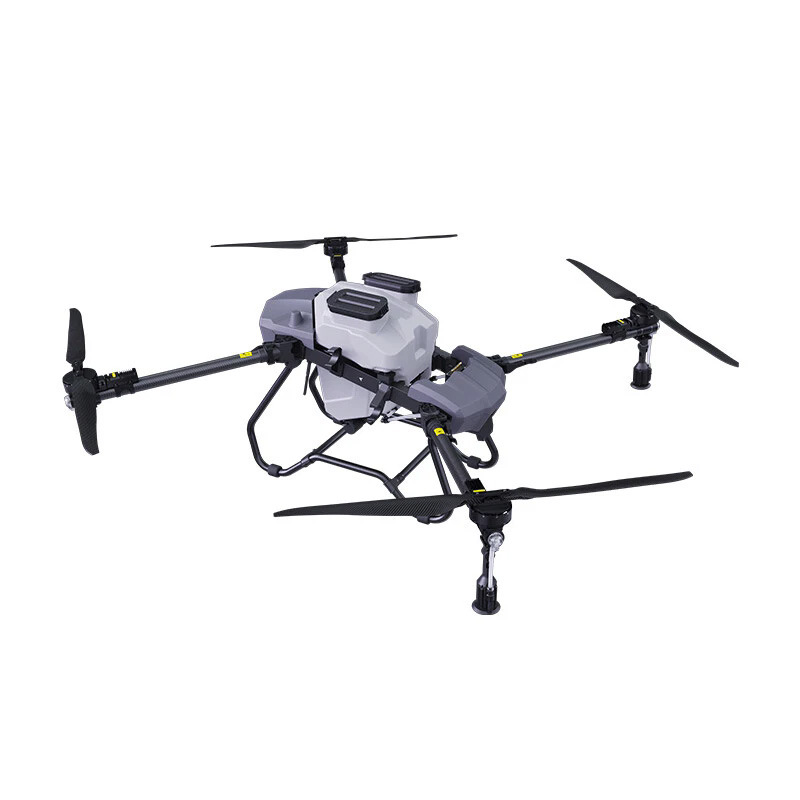
Many farmers invest in agricultural drones expecting to reduce pesticide costs and improve spraying efficiency. However, some operators quickly discover that chemical consumption remains high, coverage is inconsistent, and operating costs are not decreasing as expected.
If your crop spraying drone appears to be using too much pesticide, the problem is often related to equipment settings, spraying techniques, environmental conditions, or maintenance issues. Understanding these factors can help improve efficiency and maximize your return on investment.
Signs Your Drone May Be Wasting Pesticides
Common warning signs include:
- Chemical tanks emptying faster than expected
- Uneven crop coverage
- Excessive spray drift
- Visible chemical runoff on leaves
- Higher-than-planned pesticide expenses
- Frequent re-spraying of the same area
These issues can significantly reduce profitability while increasing environmental impact.
Cause #1: Incorrect Flight Altitude
One of the most common mistakes is flying too high above the crop canopy.
When the drone operates at excessive altitude:
- Spray droplets disperse before reaching plants
- Wind carries chemicals away from target areas
- Coverage becomes inconsistent
Solution
Maintain the recommended spraying height based on crop type.
Typical examples:
- Rice: 2–3 meters above canopy
- Wheat: 2–4 meters above canopy
- Corn: Adjust according to plant height
- Orchards: Follow terrain and canopy structure
Terrain-following radar systems can automatically maintain the optimal spraying height.
Cause #2: Flying Too Fast
Many operators focus on covering more land quickly.
However, excessive flight speed often causes:
- Poor droplet deposition
- Reduced chemical penetration
- Missed target areas
Solution
Adjust flight speed according to:
- Crop density
- Spray volume requirements
- Weather conditions
- Nozzle specifications
Lower speeds generally improve spraying accuracy in dense crops.
Cause #3: Poor Nozzle Selection
Different crops require different droplet sizes.
Using the wrong nozzle can lead to:
- Excessive drift
- Poor leaf coverage
- Chemical waste
Common Nozzle Problems
- Droplets too large
- Droplets too small
- Uneven spray pattern
- Worn nozzles
Solution
Select nozzle types suitable for:
- Crop species
- Growth stage
- Target pests
- Local climate conditions
Regularly inspect and replace worn nozzles.
Cause #4: Wind Conditions
Weather greatly affects spraying performance.
Strong winds can carry chemicals away from target areas before they reach crops.
Warning Signs
- Visible drifting spray clouds
- Uneven field coverage
- Chemical odor outside treatment area
Solution
Avoid spraying during:
- Strong winds
- Heavy rain
- Extremely hot conditions
Early morning and late afternoon are often ideal spraying periods.
Cause #5: Improper Flow Rate Settings
Many operators use the same flow rate for every crop and field.
This often results in:
- Over-application
- Under-application
- Increased pesticide costs
Solution
Use intelligent flow control systems that automatically adjust spray output based on:
- Flight speed
- Application rate
- Crop density
Modern agricultural drones can dynamically optimize pesticide distribution.
Cause #6: Uneven Route Planning
Manual flight paths frequently create overlapping spray zones.
Overlaps can lead to:
- Double spraying
- Chemical waste
- Crop damage
Solution
Use automated route planning software.
Benefits include:
- Consistent coverage
- Reduced overlap
- Improved efficiency
- Lower chemical consumption
RTK-enabled drones provide even greater accuracy.
Cause #7: Clogged or Damaged Spraying Components
Over time, nozzles and pipes can become clogged.
This causes:
- Uneven flow
- Pressure loss
- Poor spraying performance
Solution
Perform regular maintenance:
- Clean nozzles after each operation
- Flush the spraying system
- Inspect filters
- Check pumps and tubing
Preventive maintenance can significantly improve spraying consistency.
Cause #8: Incorrect Droplet Size
Droplet size directly affects pesticide efficiency.
Droplets Too Small
Problems:
- Easily blown away by wind
- Increased drift
Droplets Too Large
Problems:
- Run off leaves
- Reduced coverage
Solution
Use adjustable atomization systems that allow optimization based on:
- Crop type
- Pest type
- Environmental conditions
Advanced centrifugal nozzles often provide more consistent droplet sizes.
Cause #9: Lack of Operator Training
Even the most advanced drone cannot compensate for poor operating practices.
Common training-related mistakes include:
- Improper calibration
- Incorrect flight settings
- Poor route planning
- Inadequate maintenance
Solution
Invest in professional operator training and ongoing technical support.
Experienced operators can significantly reduce pesticide waste while improving treatment effectiveness.
How Modern Agricultural Drones Reduce Pesticide Waste
Professional agricultural drones incorporate technologies designed to maximize efficiency.
These include:
- RTK precision positioning
- Automatic route planning
- Terrain-following radar
- Intelligent flow control
- Obstacle avoidance
- Adjustable spraying systems
- Real-time monitoring
Together, these technologies help ensure pesticides reach their intended targets with minimal waste.
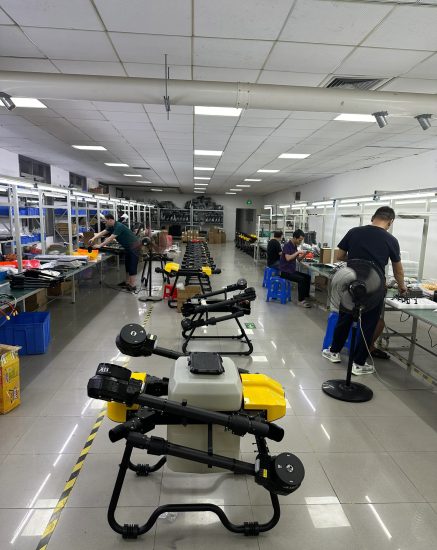
Why Choose MSOEN Agricultural Drones
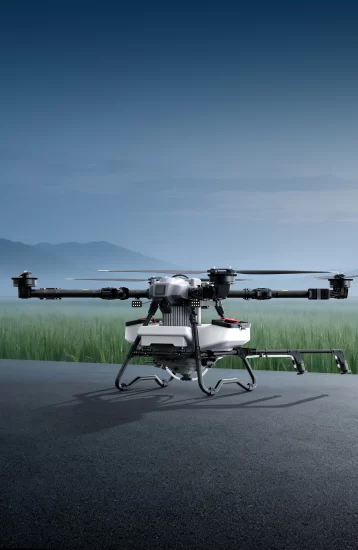
MSOEN develops advanced agricultural drone solutions designed for precision farming.
Key benefits include:
- High-efficiency spraying systems
- Intelligent flow control
- RTK centimeter-level positioning
- Large-capacity payload options
- Terrain-following technology
- OEM and ODM customization services
- Global technical support
Our agricultural drones help farmers improve crop protection while reducing pesticide consumption and operating costs.
Request a Free Agricultural Drone Consultation
Are you struggling with high pesticide costs or inconsistent spraying results?
The MSOEN team can help you identify the most efficient drone solution for your crops and farming conditions.
Contact us today to receive:
- Product catalog
- Customized recommendation
- OEM/ODM cooperation proposal
- Factory-direct quotation
FAQ
How much pesticide can an agricultural drone save?
When properly configured, agricultural drones can significantly reduce pesticide waste through precise application and automated flow control.
Does wind affect drone spraying?
Yes. Wind is one of the biggest factors influencing spray drift and chemical loss. Spraying should be performed under suitable weather conditions.
How often should drone nozzles be replaced?
Replacement intervals depend on usage frequency and chemical types. Regular inspections should be part of routine maintenance.
What is the best flight height for crop spraying?
The ideal flight height varies by crop type, canopy density, and spraying requirements. Terrain-following systems help maintain optimal height automatically.
Can MSOEN customize agricultural drones for local farming conditions?
Yes. MSOEN provides OEM and ODM agricultural drone manufacturing services tailored to specific crops, climates, regulations, and market requirements.


No comments yet