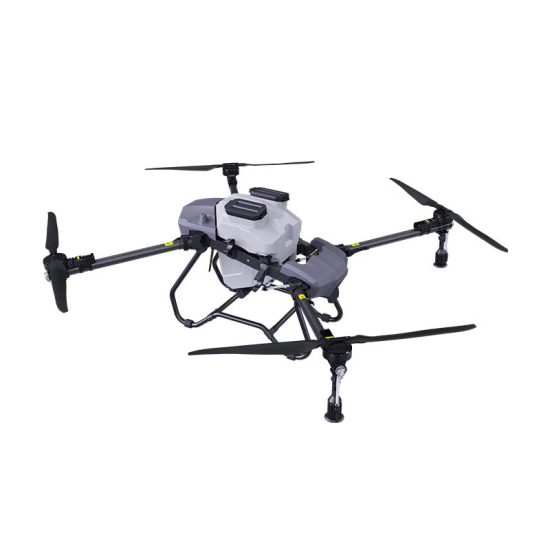


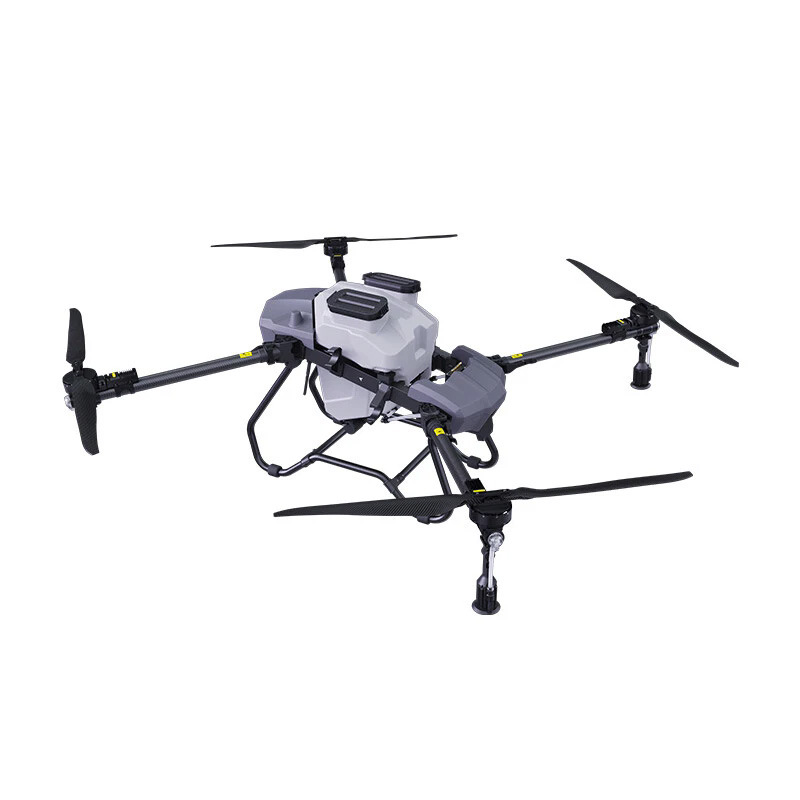

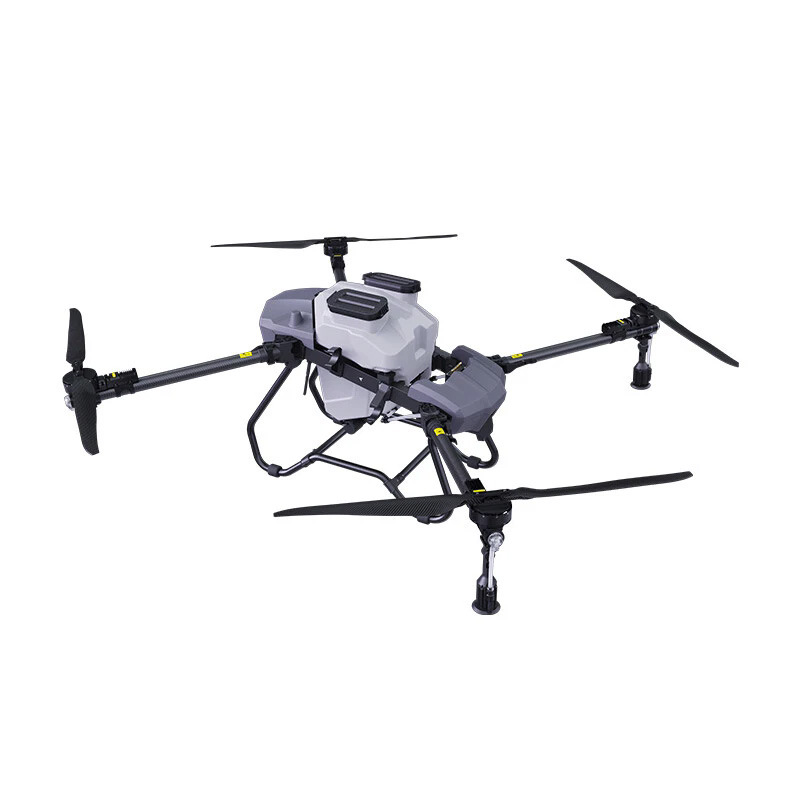
Many farmers invest in agricultural drones expecting faster spraying, lower labor costs, and improved crop protection. However, some operators discover that their crop spraying drone is not covering fields as efficiently as expected. The drone may require frequent refills, leave untreated areas, consume excessive battery power, or fail to meet daily acreage targets.
The good news is that most efficiency problems can be identified and solved. Understanding the common causes helps farmers maximize productivity and achieve better spraying results.
Signs Your Agricultural Drone Is Operating Inefficiently
Common warning signs include:
-
Uneven chemical coverage
-
Missed areas in the field
-
Excessive overlap during spraying
-
Frequent battery changes
-
High pesticide consumption
-
Slow daily field coverage
-
Increased operating costs
If your drone experiences one or more of these issues, several factors may be affecting performance.
Cause 1: Incorrect Flight Altitude
One of the most common mistakes is flying too high or too low.
Flying Too High
Problems include:
-
Increased spray drift
-
Reduced droplet penetration
-
Uneven chemical distribution
Flying Too Low
Problems include:
-
Reduced spray width
-
Increased collision risk
-
Lower operational efficiency
Solution
Use the recommended spraying altitude for your crop type and nozzle configuration. Modern agricultural drones equipped with terrain-following radar automatically maintain optimal height across uneven terrain.
Cause 2: Improper Flight Speed
Many operators believe faster flying means higher productivity.
In reality, excessive speed can result in:
-
Poor coverage
-
Uneven spraying
-
Reduced chemical effectiveness
Solution
Adjust flight speed according to:
-
Crop density
-
Spray volume requirements
-
Wind conditions
-
Nozzle specifications
A properly configured drone balances speed and coverage for maximum efficiency.
Cause 3: Poor Route Planning
Manual flight paths often create unnecessary overlap and missed sections.
Problems include:
-
Wasted chemicals
-
Increased battery consumption
-
Longer operating time
Solution
Use intelligent flight planning software that can:
-
Generate automatic routes
-
Optimize turning patterns
-
Minimize overlap
-
Record completed areas
RTK-enabled agricultural drones can significantly improve route accuracy.
Cause 4: Incorrect Nozzle Selection
Not all crops require the same droplet size.
Using the wrong nozzle can cause:
-
Inadequate coverage
-
Excessive drift
-
Poor pesticide penetration
Solution
Select nozzles based on:
-
Crop type
-
Chemical formulation
-
Desired droplet size
-
Environmental conditions
Professional agricultural drone manufacturers can recommend suitable nozzle configurations for specific crops.
Cause 5: Wind Conditions Are Too Strong
Wind is one of the biggest factors affecting spraying performance.
Strong winds can:
-
Blow droplets away from target areas
-
Create uneven application
-
Increase chemical waste
Solution
Schedule spraying during favorable weather conditions.
Generally:
-
Early morning spraying is recommended
-
Late afternoon can also be effective
-
Avoid strong winds whenever possible
Modern drones can display real-time wind information to assist operators.
Cause 6: Low Battery Performance
Battery degradation reduces efficiency over time.
Symptoms include:
-
Shorter flight duration
-
Reduced power output
-
More frequent battery replacement
Solution
Maintain batteries properly by:
-
Using approved chargers
-
Avoiding over-discharge
-
Storing batteries correctly
-
Replacing aging battery packs
High-capacity smart batteries can dramatically improve daily productivity.
Cause 7: Payload Capacity Is Too Small
A drone with insufficient tank capacity requires frequent refilling.
Consequences include:
-
More downtime
-
Lower daily acreage coverage
-
Higher labor requirements
Solution
Choose a drone that matches your operation size.
Typical recommendations:
-
Small farms: 10L–20L
-
Medium farms: 20L–40L
-
Large farms: 40L–70L
Larger payload drones often provide better efficiency for commercial operations.
Cause 8: Lack of Terrain Following Technology
Uneven fields present challenges for maintaining consistent spray quality.
Without terrain following:
-
Spray height constantly changes
-
Coverage becomes inconsistent
-
Chemical effectiveness decreases
Solution
Use agricultural drones equipped with:
-
Terrain-following radar
-
Laser altitude sensors
-
Intelligent flight control systems
These technologies maintain consistent spraying height over hills and slopes.
Cause 9: Inadequate Operator Training
Even advanced drones cannot perform efficiently without proper operation.
Common operator mistakes include:
-
Incorrect parameter settings
-
Poor route planning
-
Improper maintenance
-
Inaccurate spraying calibration
Solution
Invest in professional training programs and regularly update operating procedures.
Experienced operators can significantly improve drone productivity and spraying quality.
How Modern Agricultural Drones Improve Coverage Efficiency
Professional crop spraying drones now incorporate advanced technologies such as:
-
RTK centimeter-level positioning
-
Intelligent obstacle avoidance
-
Automatic route generation
-
Terrain-following radar
-
Smart battery management
-
High-flow spraying systems
These features help farmers cover more hectares per day while maintaining precise application.
Why Choose MSOEN Agricultural Drones
MSOEN specializes in advanced agricultural drone solutions designed to maximize field coverage and spraying efficiency.
Our product range includes:
-
Crop spraying drones
-
Fertilizer spreading drones
-
Mapping drones
-
Inspection drones
-
OEM drone manufacturing
-
ODM drone development
Key advantages include:
-
High-capacity payload options
-
Precision RTK navigation
-
Reliable flight control systems
-
Smart battery technology
-
Professional technical support
-
Global export experience
Whether you operate a family farm, agricultural cooperative, or commercial spraying business, MSOEN can provide customized drone solutions that improve productivity and reduce operational costs.
Conclusion
When a crop spraying drone fails to cover fields efficiently, the problem is often related to flight settings, route planning, equipment selection, battery performance, or operator practices. By identifying these issues and implementing the right solutions, farmers can dramatically improve spraying efficiency, reduce chemical waste, and increase crop protection effectiveness.
Choosing a high-quality agricultural drone with advanced automation features is one of the most effective ways to maximize return on investment and achieve better farming results.
FAQ
Why does my drone leave untreated areas in the field?
This is usually caused by poor route planning, GPS inaccuracies, excessive flight speed, or strong wind conditions.
How can I increase the number of hectares covered per day?
Using larger payload drones, optimizing flight routes, maintaining batteries properly, and reducing refill time can significantly increase daily coverage.
Does RTK improve spraying efficiency?
Yes. RTK positioning provides highly accurate navigation, reducing overlap and ensuring more consistent field coverage.
What is the best flying speed for crop spraying?
The ideal speed depends on crop type, spray volume, and environmental conditions. Following manufacturer recommendations is generally the best approach.
Can MSOEN customize agricultural drones for distributors?
Yes. MSOEN offers OEM and ODM services, including branding customization, hardware modifications, software development, and complete drone solutions for global distributors.
THE END


No comments yet