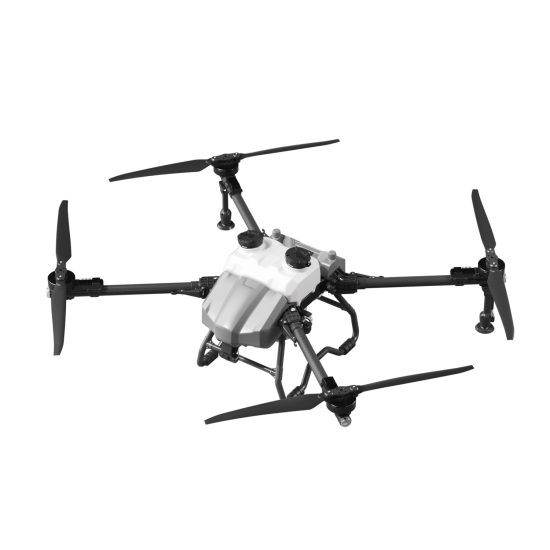


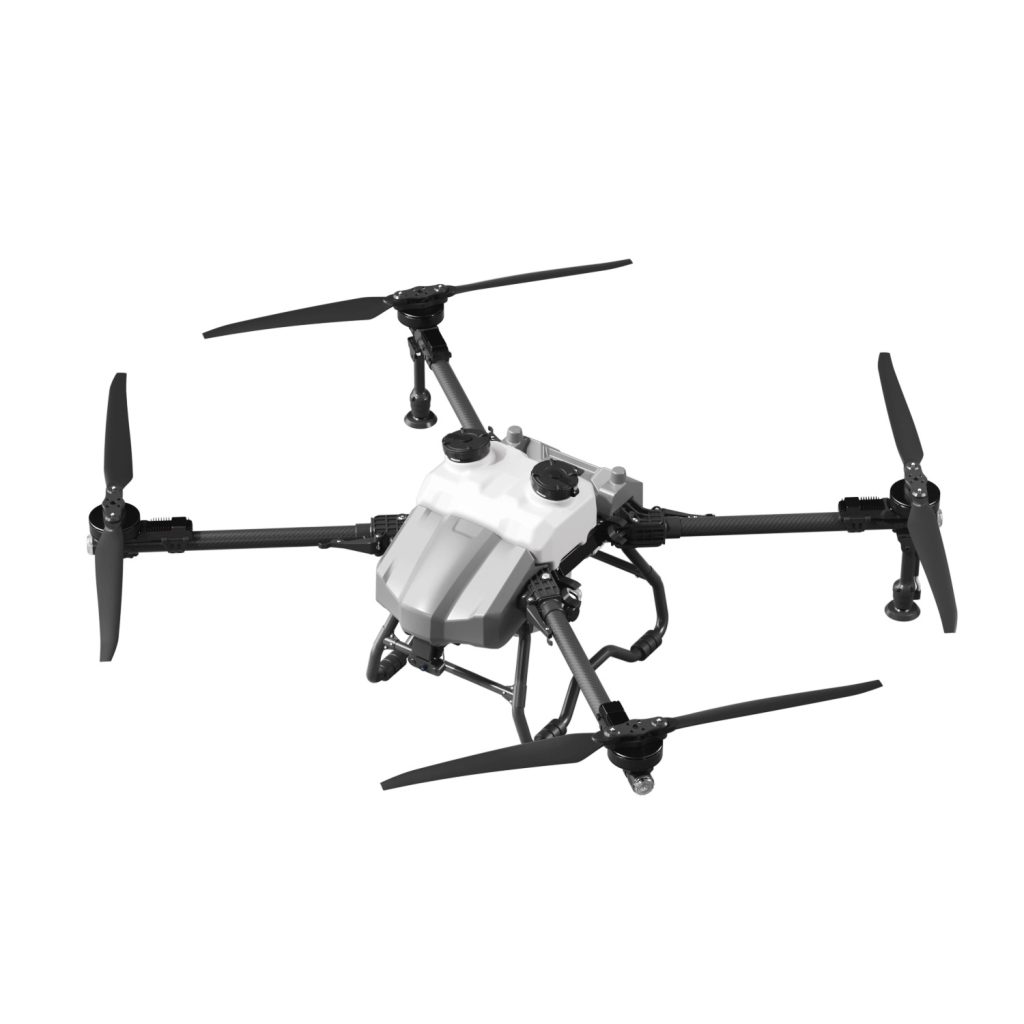

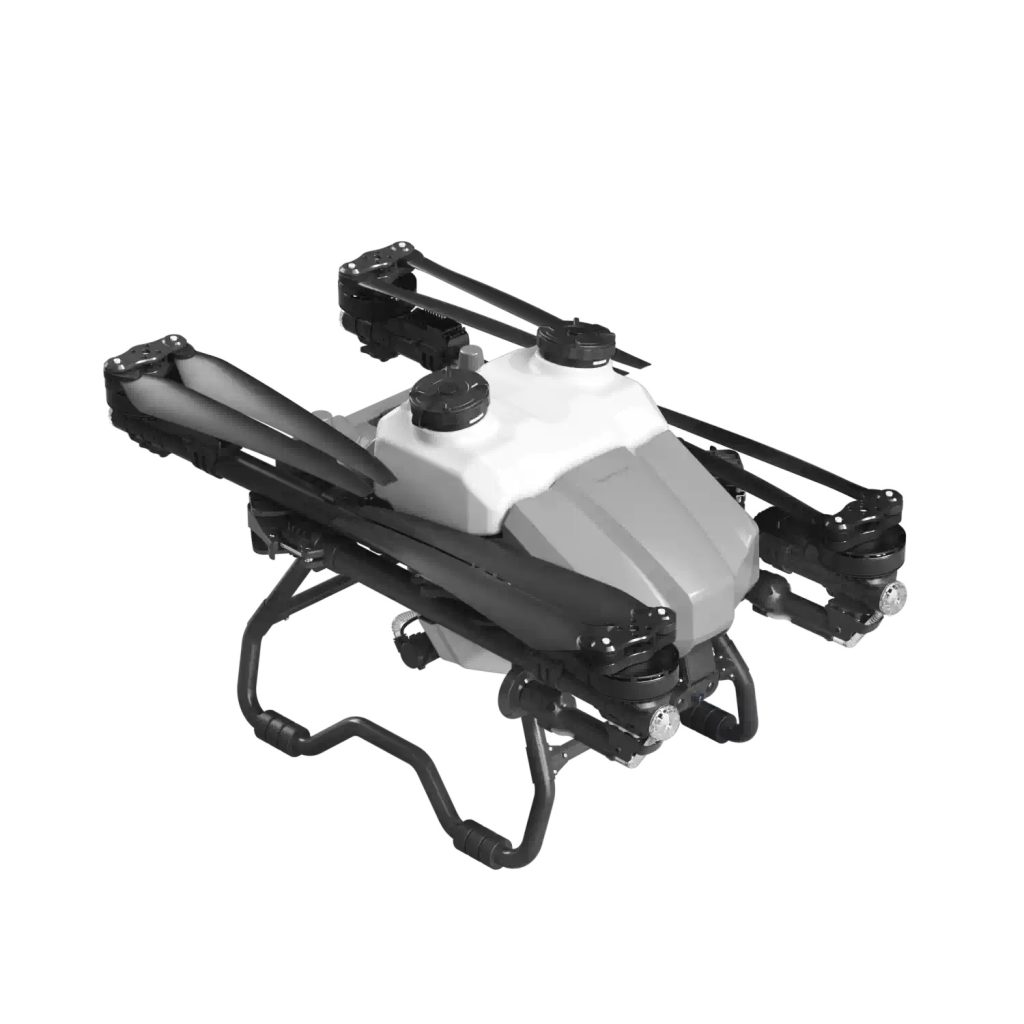
Many farm owners invest in crop spraying drones expecting faster operations, lower labor costs, and better spraying accuracy. However, after several weeks or months of use, a common complaint appears:
“Why is my agricultural drone spraying efficiency much lower than expected?”
In many cases, low efficiency is not caused by the drone itself. Instead, it results from poor configuration, incorrect flight settings, unsuitable drone size, battery limitations, or operational mistakes.
This guide explains the most common reasons why spraying drone efficiency becomes too low and how to improve productivity without wasting money.
What Does Agricultural Drone Efficiency Really Mean?
When discussing drone efficiency, many buyers only focus on:
How many hectares per hour can a drone spray?
However, real operational efficiency includes several factors:
- Daily spraying area coverage
- Battery replacement frequency
- Refilling time
- Flight route planning
- Chemical spraying consistency
- Downtime during maintenance
- Operator experience
A drone with a larger payload may appear faster on paper, but poor battery management or frequent maintenance interruptions can reduce real productivity.
Understanding practical efficiency helps farm owners make better decisions.
Problem 1: Choosing the Wrong Drone Size
One of the biggest reasons for poor spraying efficiency is selecting the wrong payload capacity.
For example, using a small-capacity spraying drone for large farms often leads to:
- Frequent liquid refilling
- Excessive battery changes
- Longer operating hours
- Increased labor costs
Large farms require drones designed for higher operational workloads.
At the same time, purchasing oversized drones for smaller farms can also create unnecessary expenses.
The best solution is matching drone capacity to field size, crop type, and daily spraying requirements.
How to Solve It
Ask yourself:
- How many hectares must be sprayed daily?
- What crop type is being managed?
- How large are field sections?
- How often can workers refill liquid?
Selecting the correct drone size significantly improves daily efficiency.
Problem 2: Poor Battery Management
Battery performance directly affects spraying productivity.
Many operators underestimate the impact of charging time and battery availability.
Common problems include:
- Too few backup batteries
- Slow charging systems
- Battery overheating
- Short battery cycle life
- Long waiting periods between flights
Even a powerful spraying drone becomes inefficient if operators constantly wait for charging.
How to Solve It
Improve battery management by:
- Preparing multiple intelligent batteries
- Using fast charging systems
- Scheduling battery rotation
- Monitoring battery health regularly
For large-scale spraying operations, downtime reduction is one of the easiest ways to increase productivity.
Problem 3: Incorrect Flight Route Planning
Poor route planning wastes time and reduces spraying consistency.
Common mistakes include:
- Overlapping spray paths
- Missed spraying sections
- Unnecessary turns
- Flying against strong wind conditions
Inefficient flight routes increase chemical waste and battery consumption.
How to Solve It
Use smart route planning features such as:
- Automatic flight mapping
- Route memory systems
- RTK positioning
- Terrain-following flight modes
Well-planned routes improve coverage accuracy while reducing wasted flight time.
Problem 4: Wrong Spray Settings for Crop Conditions
Different crops require different spraying approaches.
For example:
- Rice fields may require different spray density compared to orchards
- Corn farms often need better penetration coverage
- Orchard environments may require obstacle avoidance systems
If spray flow rate, nozzle type, or flight altitude is incorrect, efficiency decreases.
How to Solve It
Adjust:
- Spray flow rate
- Flight speed
- Altitude
- Nozzle configuration
- Droplet size
Professional agricultural drone suppliers usually recommend spraying settings based on crop type.
Problem 5: Poor Weather Conditions
Weather significantly affects drone performance.
Wind speed, humidity, and temperature influence spraying accuracy.
Flying during unsuitable conditions can result in:
- Spray drift
- Chemical waste
- Uneven coverage
- Lower efficiency
How to Solve It
Plan operations during stable weather conditions and avoid excessive wind whenever possible.
Better environmental timing improves productivity and chemical effectiveness.
Problem 6: Lack of Operator Training
Even advanced drones depend on skilled operation.
Some efficiency problems occur because operators:
- Fly manually without route optimization
- Use poor refill procedures
- Ignore maintenance requirements
- Set incorrect spraying parameters
How to Solve It
Provide basic operational training covering:
- Flight planning
- Battery management
- Spraying adjustment
- Maintenance inspection
- Emergency troubleshooting
Experienced operators usually complete tasks faster with fewer interruptions.
Problem 7: Delayed Maintenance and Spare Parts Problems
Small mechanical issues quickly reduce spraying performance.
Examples include:
- Worn spray nozzles
- Pump performance reduction
- Damaged motors
- Blocked liquid systems
Ignoring maintenance often leads to expensive downtime later.
How to Solve It
Establish regular inspections and keep essential spare parts available.
Routine maintenance reduces interruptions and extends drone lifespan.
How to Improve Crop Spraying Drone Efficiency Without Overspending
Instead of immediately replacing equipment, improve these areas first:
- Optimize flight routes
- Improve battery rotation management
- Adjust spray parameters for crop conditions
- Maintain spare parts inventory
- Upgrade charging systems
- Train operators properly
- Choose the correct drone configuration
Small operational improvements can dramatically increase daily spraying performance.
Why Professional Agricultural Drone Selection Matters
Many buyers focus only on drone price.
However, long-term efficiency depends on:
- Correct payload size
- Reliable batteries
- Spray system design
- Spare parts support
- Customization ability
- Technical assistance
A professional agricultural drone supplier should recommend solutions based on real farming needs instead of simply selling larger or more expensive models.
At MSOEN, we provide agricultural drone solutions designed for spraying efficiency, customized OEM & ODM drone manufacturing, intelligent battery systems, and professional support for farms, distributors, and agricultural cooperatives worldwide.
FAQ
Why is my agricultural drone spraying slower than expected?
Low efficiency may result from incorrect drone size, battery limitations, poor route planning, unsuitable spray settings, or operator inexperience.
Does a larger drone always improve spraying efficiency?
Not always. Larger drones can improve productivity for large farms but may increase maintenance costs and operational complexity for smaller farms.
How many batteries should be prepared for spraying operations?
The number depends on workload size, charging speed, and daily spraying targets. Large farms usually require multiple batteries to reduce downtime.
What weather conditions reduce spraying efficiency?
Strong wind, high temperatures, and unstable weather conditions may reduce spray accuracy and increase chemical drift.
Can agricultural drones be customized for local crop needs?
Yes. OEM and ODM agricultural drones can be customized for spray systems, payload capacity, software settings, obstacle avoidance, and local farming environments.
How can I improve spraying efficiency without buying a new drone?
Improving battery management, route planning, operator training, maintenance routines, and spray settings can often increase efficiency significantly.
Contact Us
Looking for a professional agricultural drone manufacturer to improve spraying efficiency?
MSOEN provides customized agricultural drone solutions, OEM & ODM manufacturing, spraying drones, intelligent battery systems, and technical support designed for modern farming operations.


No comments yet