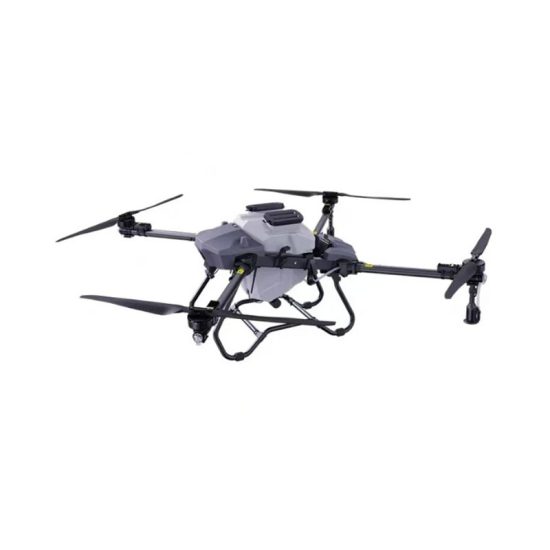


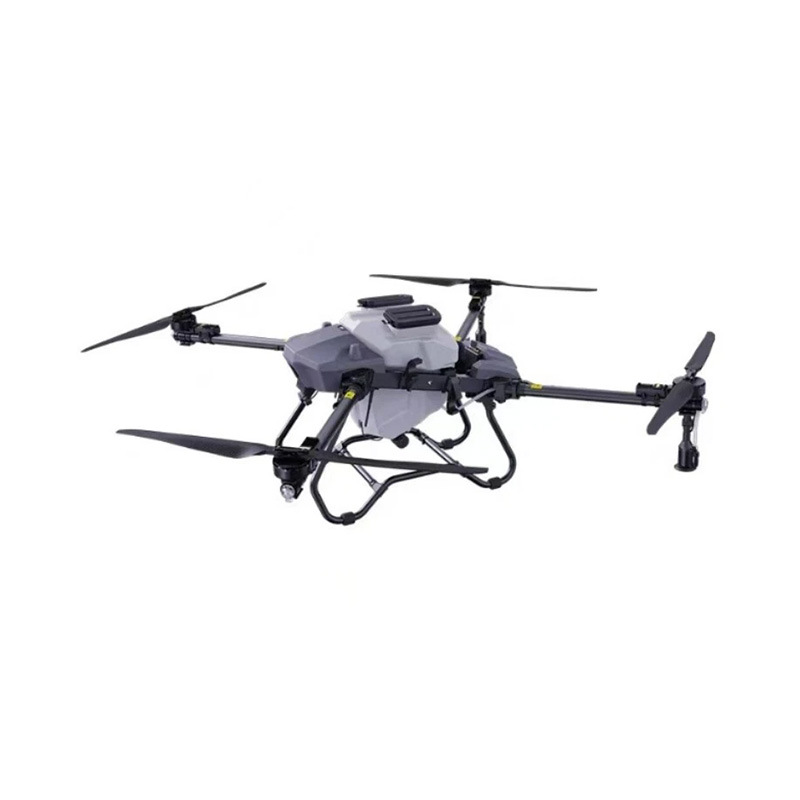
Unstable drone flight is one of the most common problems users face, especially beginners and agricultural or commercial operators. When a drone starts drifting, shaking, or struggling to hold position, it usually indicates an issue with calibration, environment, or hardware.
This guide explains the main reasons behind unstable flight and how to fix them quickly and safely.
1. GPS Signal Is Weak or Unstable
One of the most important systems for stable flight is GPS positioning. If the drone cannot lock enough satellites, it may drift or hover incorrectly.
Common causes:
- Flying indoors or near tall buildings
- Heavy cloud cover or magnetic interference
- Cold start without waiting for GPS lock
Solutions:
- Fly in open outdoor areas
- Wait for strong GPS signal before takeoff (usually 10+ satellites)
- Avoid areas with strong electromagnetic interference
2. Improper Compass Calibration
A poorly calibrated compass can confuse the drone’s direction system, causing spinning or drifting.
Solutions:
- Recalibrate compass before each flight in a new location
- Avoid calibrating near metal objects or cars
- Follow the drone app calibration steps carefully
3. Wind and Weather Conditions
Strong wind is a major cause of unstable flight, especially for lightweight drones.
Solutions:
- Avoid flying in strong wind conditions
- Check weather forecast before operation
- Use “Sport Mode” only when necessary for control
4. Propeller Damage or Installation Issues
Even a slightly damaged propeller can affect balance and cause vibration or drifting.
Solutions:
- Inspect propellers for cracks or bends
- Replace damaged propellers immediately
- Ensure correct installation (matching left/right blades)
5. IMU (Inertial Measurement Unit) Calibration Error
The IMU helps the drone understand its tilt and movement. If it is not calibrated, flight stability will suffer.
Solutions:
- Perform IMU calibration on a flat surface
- Avoid moving the drone during calibration
- Recalibrate after crashes or firmware updates
6. Low Battery or Power Issues
When battery levels drop, drones may reduce performance to conserve power, leading to instability.
Solutions:
- Always start flight with a fully charged battery
- Replace aging batteries that hold less charge
- Avoid aggressive maneuvers at low battery levels
7. Firmware or Software Problems
Outdated firmware can cause control and stability issues.
Solutions:
- Update drone firmware regularly
- Update controller and mobile app
- Restart devices after updates
FAQ
Q1: Why does my drone drift even when there is no wind?
This is usually caused by poor GPS signal, compass error, or IMU calibration issues.
Q2: How often should I calibrate my drone?
You should calibrate the compass and IMU whenever you change flying location or after a crash/update.
Q3: Can unstable flight damage my drone?
Yes. Continuous unstable flight can stress motors and propellers, leading to long-term damage.
Q4: What is the safest place to fly a drone?
Open outdoor areas away from buildings, power lines, and magnetic interference sources.
Conclusion
Unstable drone flight is usually not caused by a single issue. In most cases, it is a combination of GPS, calibration, environment, or hardware conditions. By systematically checking each factor, you can quickly restore stable and safe flight performance.


No comments yet