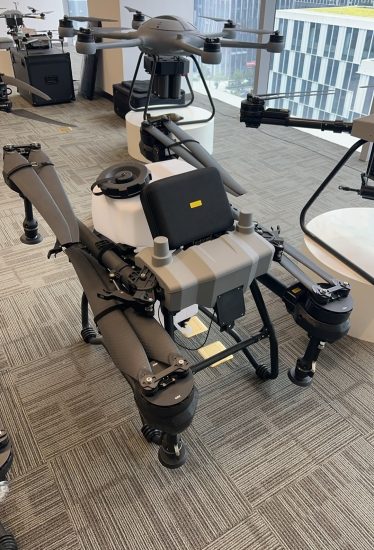




Introduction: Smart Technology Is Changing Modern Agriculture
Agriculture is becoming more intelligent as farmers search for better ways to improve productivity, reduce costs, and manage crops more effectively. Traditional pesticide spraying methods often require significant labor, consume more resources, and may not provide consistent coverage.
Smart spraying drones are becoming an increasingly popular solution for crop protection. With advanced flight control systems, precision spraying technology, and automated operation features, agricultural drones help farmers complete spraying tasks faster and more accurately.
From small farms to large agricultural operations, smart spraying drones are helping farmers build more efficient and sustainable farming systems.
What Are Smart Spraying Drones?
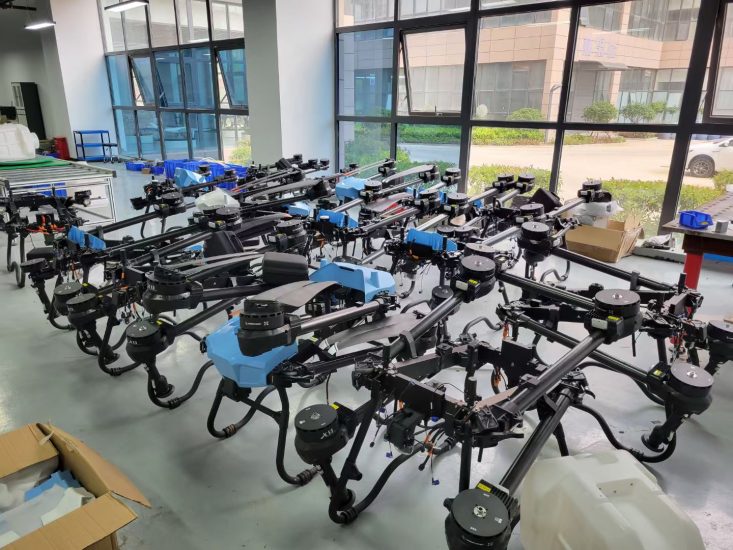
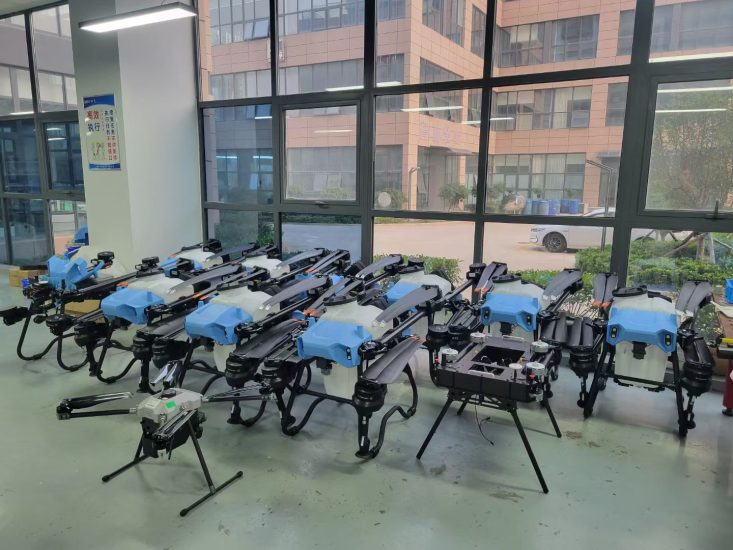
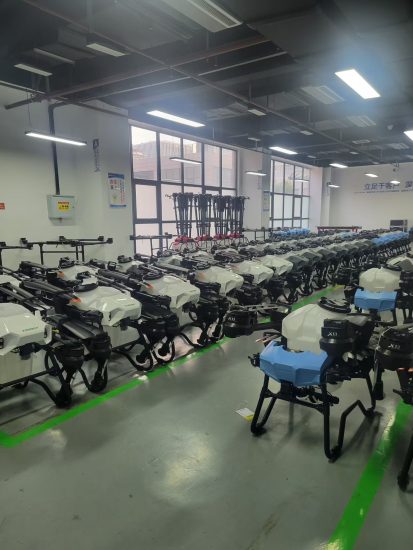
Smart spraying drones are agricultural unmanned aerial vehicles designed to apply pesticides, fertilizers, and other crop protection solutions with high precision.
Unlike traditional spraying equipment, smart drones can automatically control:
-
Flight routes
-
Spraying speed
-
Liquid flow rate
-
Operating altitude
-
Coverage areas
This allows farmers to achieve better crop protection results while reducing unnecessary resource consumption.
Why Are Farmers Choosing Spraying Drones?
1. Higher Crop Protection Efficiency
One of the biggest advantages of spraying drones is improved working efficiency.
Traditional spraying methods may require workers to walk through fields or use large machinery, which can be slow and difficult in certain environments.
Smart spraying drones can:
-
Cover large farming areas quickly
-
Operate in difficult terrain
-
Reduce preparation time
-
Complete urgent spraying tasks faster
This is especially valuable during pest outbreaks or important crop growth periods.
2. More Accurate Pesticide Application
Precision is essential for effective crop protection.
Smart spraying drones use advanced technology to provide:
-
Even pesticide distribution
-
Adjustable spraying volume
-
Accurate flight paths
-
Better crop coverage
By applying the right amount of agricultural chemicals, farmers can improve treatment results while reducing waste.
3. Lower Farming Labor Costs
Many regions face agricultural labor shortages and increasing workforce costs.
Spraying drones reduce the need for manual spraying operations and allow fewer workers to manage larger farming areas.
Benefits include:
-
Reduced labor dependency
-
Improved operation efficiency
-
Lower long-term farming expenses
4. Better Protection for Crops and Soil
Traditional spraying methods may cause excessive chemical use or uneven application.
Smart drones help farmers achieve more sustainable crop management by:
-
Reducing pesticide overuse
-
Minimizing chemical waste
-
Supporting precise farming practices
This helps protect crops while reducing environmental impact.
Applications of Smart Spraying Drones
Rice Farming
Rice fields often require frequent pest control. Spraying drones can operate efficiently in wet environments and provide uniform coverage.
Fruit Orchards
Tall fruit trees can be difficult to spray using traditional equipment. Drones can fly above orchards and improve spraying effectiveness.
Wheat and Corn Production
Large grain farms benefit from drone technology because it allows faster crop protection across extensive farmland.
Vegetable Cultivation
Vegetable growers can use drones for accurate pesticide and fertilizer applications to maintain crop quality.
Smart Features of Modern Agricultural Drones
Automatic Flight Planning
Farmers can create digital flight routes, allowing drones to complete operations automatically.
GPS Positioning
GPS technology helps drones maintain accurate locations and consistent spraying patterns.
Intelligent Monitoring
Advanced systems can track:
-
Flight status
-
Battery level
-
Spraying progress
-
Operation records
Safety Functions
Smart drones often include:
-
Automatic return
-
Stable flight control
-
Obstacle detection
-
Emergency protection systems
These features improve operational safety.
How Smart Spraying Drones Support Smart Agriculture
Smart agriculture focuses on using technology and data to improve farming decisions.
Spraying drones contribute by providing:
Efficient Resource Management
Farmers can better control:
-
Pesticide usage
-
Fertilizer application
-
Water consumption
-
Labor resources
Data-Based Farming Decisions
Operation records can help farmers analyze field conditions and optimize future crop protection plans.
Sustainable Agricultural Development
Precision technology supports environmentally responsible farming by reducing unnecessary chemical usage.
How to Choose the Right Smart Spraying Drone?
When purchasing an agricultural drone, farmers and businesses should consider:
Spraying Performance
Important factors include:
-
Spray coverage
-
Nozzle quality
-
Flow control accuracy
-
Working efficiency
Battery and Flight Time
A reliable drone should provide:
-
Stable battery performance
-
Long operation time
-
Quick charging capability
Product Durability
Agricultural drones should be able to handle outdoor environments, including:
-
Dust
-
Moisture
-
Heat
-
Long working hours
Supplier Support
A professional agricultural drone supplier should provide:
-
Technical training
-
Maintenance support
-
Spare parts
-
Custom solutions
Future of Smart Spraying Drone Technology
The agricultural drone industry continues to develop with artificial intelligence and automation technologies.
Future smart spraying drones may include:
-
AI crop recognition
-
Automatic disease detection
-
Intelligent spraying recommendations
-
Fully automated farm operations
-
Advanced agricultural data platforms
These innovations will continue improving farming efficiency around the world.
Frequently Asked Questions (FAQ)
1. Why are farmers using spraying drones?
Farmers use spraying drones because they improve spraying efficiency, reduce labor costs, and provide more accurate crop protection.
2. Can spraying drones reduce pesticide usage?
Yes. Precision spraying technology helps farmers apply chemicals more efficiently and reduce unnecessary usage.
3. Are smart spraying drones suitable for large farms?
Yes. They are especially useful for large-scale agricultural operations because they can quickly cover extensive areas.
4. Can agricultural drones spray fertilizer?
Yes. Many agricultural drones can apply both pesticides and liquid fertilizers.
5. Can I customize a smart spraying drone for my market?
Yes. Professional manufacturers can provide OEM customization, including branding, specifications, and product configurations.
Smart spraying drones are becoming an important part of modern agriculture. By improving spraying accuracy, reducing labor requirements, and increasing crop protection efficiency, these intelligent machines help farmers achieve better agricultural results.
As smart farming continues to expand globally, agricultural spraying drones will play a key role in creating more productive, efficient, and sustainable farming systems.
THE END


No comments yet