

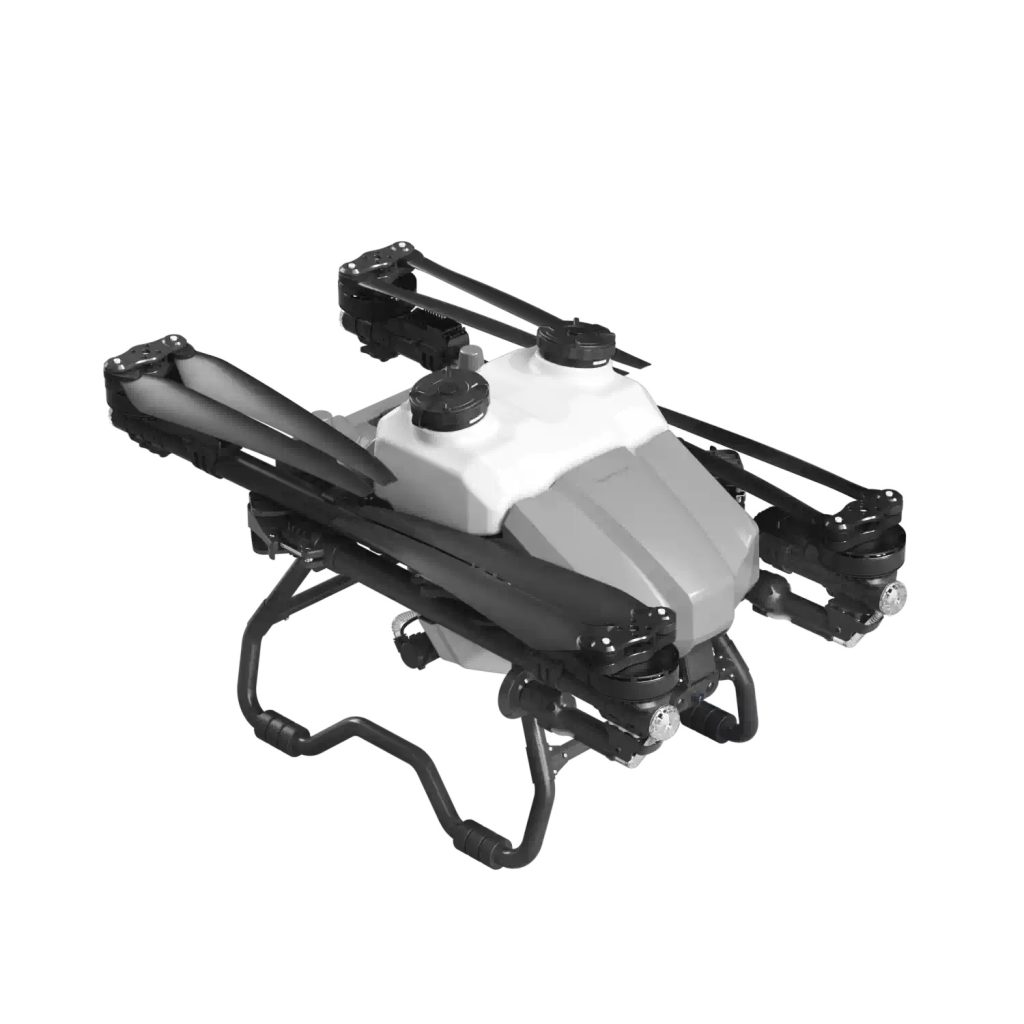


Agricultural drones operate in demanding environments such as farmland, orchards, dusty fields, wet environments, and high-temperature working conditions. Without regular maintenance, spraying performance, battery efficiency, flight stability, and overall reliability may gradually decline.
For farmers, agricultural service providers, distributors, and agricultural cooperatives, proper maintenance is essential for extending drone lifespan, reducing repair costs, and improving operational efficiency.
This guide explains the essential maintenance required for agricultural drones to achieve long-term and reliable performance.
Why Agricultural Drone Maintenance Matters
Many drone operators focus only on daily spraying tasks and ignore preventive maintenance.
Poor maintenance may result in:
- Reduced spraying accuracy
- Flight instability
- Battery performance decline
- Frequent equipment failure
- Increased maintenance costs
- More downtime during busy seasons
Regular maintenance helps agricultural drones maintain stable performance while improving operational efficiency.
1. Clean the Drone After Every Operation
Agricultural drones frequently come into contact with:
- Pesticides
- Fertilizers
- Dust
- Moisture
- Mud and debris
Chemical residue can slowly damage important drone components if left untreated.
Areas that should be cleaned regularly include:
- Frame and body surface
- Spray tank
- Nozzles and pumps
- Motors and propellers
- Landing gear
Best practice:
Clean the drone after each spraying task and remove any visible residue before storage.
Routine cleaning reduces wear and improves equipment reliability.
2. Inspect Spray Nozzles Frequently
Spray nozzles directly influence spraying precision.
Blocked or damaged nozzles may cause:
- Uneven spraying
- Poor chemical distribution
- Excessive pesticide waste
- Reduced field coverage
Signs of nozzle problems:
- Uneven droplet size
- Reduced liquid flow
- Visible spraying differences
How to maintain nozzles:
- Inspect nozzles before operations
- Clean nozzles after spraying
- Replace damaged nozzle parts when necessary
Consistent nozzle maintenance helps improve spraying performance.
3. Monitor Battery Condition Carefully
Battery systems are among the most important components of agricultural drones.
Poor battery maintenance often causes:
- Shorter flight time
- Unstable power supply
- Longer charging time
- Reduced spraying productivity
Battery maintenance checklist:
- Avoid overcharging
- Prevent deep discharge
- Allow batteries to cool after flights
- Store batteries properly
- Inspect for damage regularly
Reliable battery management improves operational stability and reduces downtime.
4. Check Motors and Propellers Regularly
Motors and propellers affect flight performance and spraying accuracy.
Common problems include:
- Dirt accumulation
- Loose propellers
- Motor wear
- Vibration problems
Poor motor condition may lead to:
- Reduced flight stability
- Increased energy consumption
- Uneven spraying
Maintenance suggestions:
- Check propeller condition regularly
- Tighten loose components
- Remove dust and dirt after operations
Stable propulsion systems improve safety and spraying consistency.
5. Inspect the Spraying System
The spraying system should be inspected routinely to ensure proper liquid flow.
Important components include:
- Spray pumps
- Pipes and tubing
- Nozzles
- Liquid filters
- Spray tank
Common problems include:
- Leakage
- Flow inconsistency
- Blocked liquid systems
Preventive inspection reduces spraying failure during operation.
6. Update Software and Flight Settings
Modern agricultural drones often include intelligent flight systems.
Software maintenance may include:
- Flight system updates
- Route planning optimization
- Calibration checks
- Sensor adjustment
Benefits include:
- Improved flight stability
- Better spraying precision
- Enhanced route accuracy
Keeping systems updated helps maintain reliable performance.
7. Check Frame Structure and Screws
Agricultural drones experience vibration during repeated operations.
Over time, loose components may develop.
Inspect regularly:
- Frame connections
- Landing gear
- Screws and fasteners
- Protective covers
Ignoring loose components may increase safety risks.
Routine inspection improves long-term durability.
8. Store Agricultural Drones Properly
Storage conditions strongly influence equipment lifespan.
Poor storage environments may cause:
- Corrosion
- Moisture damage
- Battery deterioration
- Dust accumulation
Best storage practices:
- Keep drones in dry locations
- Avoid extreme temperatures
- Protect from direct sunlight
- Store batteries separately if necessary
Proper storage helps preserve drone performance during off-seasons.
Create a Maintenance Schedule
Professional operators often follow routine maintenance schedules.
Example maintenance timeline:
Daily Maintenance
- Clean drone surface
- Inspect nozzles
- Check battery condition
- Remove dirt and debris
Weekly Maintenance
- Inspect motors and propellers
- Check screws and frame condition
- Inspect spraying system
Monthly Maintenance
- Test system performance
- Update software if needed
- Perform deeper component inspection
A structured maintenance routine reduces unexpected failures.
Signs Your Agricultural Drone Needs Maintenance
Watch for warning signs such as:
- Uneven spraying performance
- Reduced flight time
- Unstable hovering
- Abnormal vibration
- Reduced pump performance
- Increased noise during operation
Early maintenance often prevents expensive repairs.
Final Thoughts
Agricultural drone maintenance is essential for long-term performance and operational efficiency. Cleaning, battery management, nozzle inspection, software updates, and proper storage all contribute to stable and reliable drone operation.
Rather than waiting for problems to appear, preventive maintenance helps reduce downtime, improve spraying quality, and extend equipment lifespan.
FAQ
How often should agricultural drones be cleaned?
Agricultural drones should ideally be cleaned after every spraying operation to remove pesticide residue, dirt, and moisture.
Why is nozzle maintenance important?
Nozzles affect spray accuracy and chemical distribution. Dirty or damaged nozzles may reduce spraying consistency.
How do I maintain agricultural drone batteries?
Avoid overcharging, deep discharge, overheating, and poor storage conditions. Monitor battery condition regularly.
How often should propellers be checked?
Propellers should be inspected before and after operations to ensure stability and safe flight performance.
Does software maintenance matter?
Yes. Updated software and system calibration can improve flight precision and spraying efficiency.
What is the biggest maintenance mistake?
Ignoring small problems until they become serious failures is one of the most common maintenance mistakes.
Related Articles
- How to Choose the Right Agricultural Drone for Your Farm Size and Crops?
- Why Is My Agricultural Drone Spraying Unevenly and How Can I Fix It?
- How to Extend Agricultural Drone Battery Life and Reduce Downtime?
- What Should I Check Before Buying an Agricultural Drone from China?
Need professional agricultural drone support or OEM/ODM customization? Contact Msoen for reliable agricultural drone solutions, technical support, and spare parts assistance.


No comments yet